Chapter 2 Atoms, Isotopes, Ions, Molecules: The Building Blocks
 Call Kai
 Learn
 Practice Test
 Spaced Repetition
 Match
 Flashcards
 Knowt Play
1/40

There's no tags or description
Looks like no tags are added yet.
41 Terms
Important Elements for All Living Organisms
Oxygen, Carbon, Hydrogen, Nitrogen
Atmosphere is made up by….
Nitrogen
Important to human life is….
Oxygen
Nucleus
The atom center, contains proton, and neutrons
Protons
Positively Charged
Neutrons
Uncharged, no charge
Electrons
Negative charged
Isotopes
Same number of protons, different number neutrons
Octet Rule
The inner most shell has 2 max valence electrons - 2,8,8
Valence Shell
The outermost shell
Noble Gases
Non reactive elements, filled outer electrons
Ions
Results of losing an electron or gaining an electron becoming negatively or positive charged
Compound
Contains atoms of more than one type of element
Cation
Net positive charge
Anion
Net negative charge
Ionic Bonds
Formed between ions with opposite charged, metal and mon metal
Covalent Bonds
By sharing electrons between nonmetal and nonmetal
Polar Covalent
Atoms are unequally shared for electrons
Electronegativity
The measurement to attract shared electrons towards itself
Non Polar Bonds
Between two atoms that share the same electrons equally
Hydrogen Bonds
This type of bond is common, and occurs regularly between water molecules
Van Der Waals
Weak interactions between atoms and molecules
Buffers
To maintain the original set such as H+ or OH- keeping the bodies pH to the original amount
Monosaccarides
Simplest form of carbohydrate known as simple sugars
The Big 3 Monosaccharides
Glucose, Fructose, Galactose
Chemical Group
Aldose (Aldehyde group), and Ketose (Ketone group)
Macromolecules
Proteins, nucleic acids, carbohydrates, and lipids
Hydrocarbons
Consisting entirely of carbon and hydrogen
Alkane
Single Bond
Alkene
Double Bond
Alkyne
Triple Bond
Isomers
Same chemical formula but different placement

Trans

Cis
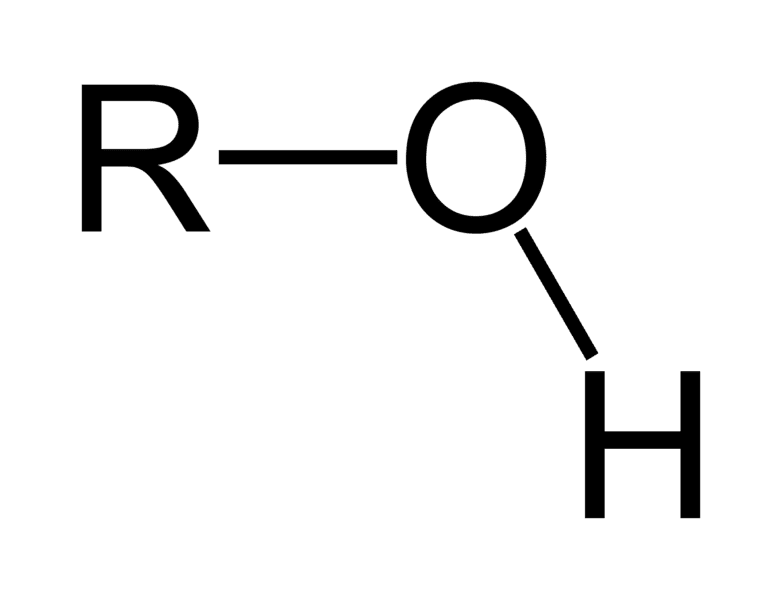
Functional Group
Hydroxyl

Functional Group
Methyl

Functional Group
Carboxyl

Functional Group
Carbonyl
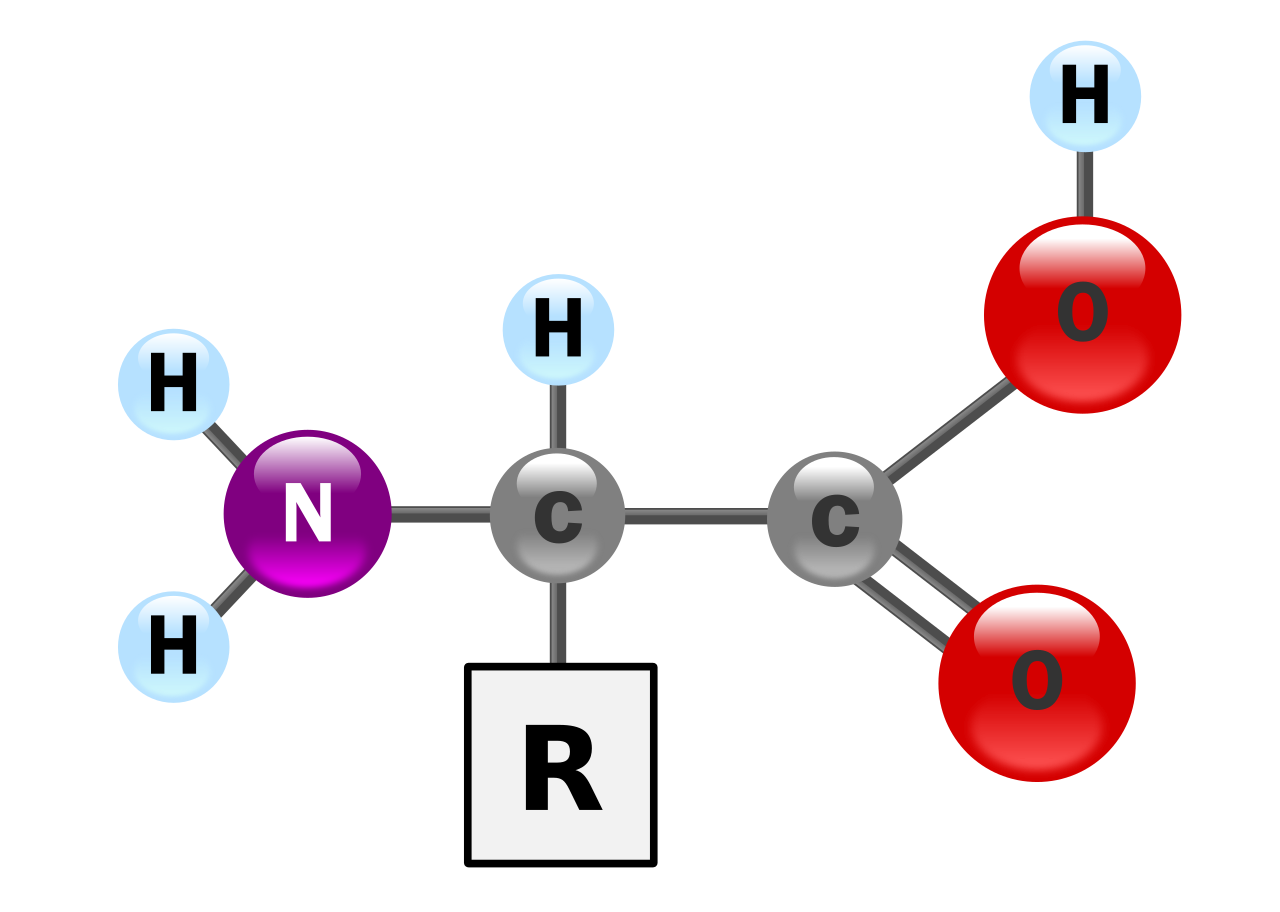
Functional Group
Amino
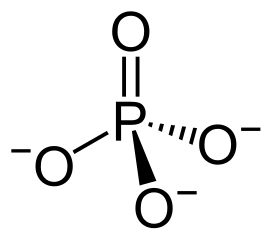
Functional Group
Phosphate

Functional Group
Sulfhydryl