taxa
 Call Kai
 Learn
Learn Practice Test
 Spaced Repetition
 Match
Match Flashcards
 Knowt Play
1/119

There's no tags or description
Looks like no tags are added yet.
Name | Mastery | Learn | Test | Matching | Spaced | Call with Kai | Chat |
|---|
No analytics yet
Send a link to your students to track their progress
120 Terms
Proteobacteria (purple bacteria)
Gram negative
largest group of bacteria
nutritionally divisive
Chlamydias
Gram Negative
obligate intracellular lifestyle
unusual cell wall
many animal parasites
spirochaetes
Gram Negative
spiral-shaped
move by corkscrew motion
many human pathogens
cyanobacteria
Gram Negatives
photoautotrophs
use chlorophyll a
internal membrane system
many also fix nitrogen
Low GC
Gram Positives
low proportion of GC nucleotides
some produce endospores
many disease causing
High GC (actinobacteria)
Gram Positives
high proportion of GC nucleotides
form branched filaments
many produce antibiotics
crenarchaeote
archaea
some thermophiles, some acidophiles, some both
other important nitrifiers in ocean
sulfers
Euryarchaeota
Archaea
some halophiles (salt lovers)
some methanogens
obligate anaerobes, convert CO2 to CH4
Excavata
Defined by DNA sequence
All unicellular
Some have “excavated” feeding groove
Diplomonads & Parabasalids shared features
Excavata
very reduced mitochondria
mostly anaerobic
Diplomonads
Excavata
two nuclei
degenerate mitochondria
many parasitic: Giardia
Parabasalids
Excavata
degenerate mitochondria
undulating membranes for locomotion
many symbionts
a few parasites: Trichomonas
Euglenozoa
unique flagella
diverse in nutrition
Euglenids and
kinetoplastids
Euglenozoa: Euglenids
pellicle
many have chloroplasts
diverse nutrition
Euglenozoa: Kinetoplastids
single large mitochondrion (Kinetoplast)
Some free-living
some important parasites
Trypanosoma, Leishmania
SAR
large and diverse clade
united by DNA sequences
Three Clades:
Stramenopiles
Alveolata
Rhizaria
SAR: Stramenopiles
unicellular or multicellular
important photoautotrophs
Characteristics “Hairy” flagellum
Stramenopiles: Diatoms
Unicellular
Box-like wall of silica
Marine and freshwater plankton
20% of photosynthesis on earth
oil deposits
diatomaceous earth
Stramenopiles: Brown Algae
all multicellular
some extremely large
often appear plant-like
stramenopiles: Oomycetes (“water molds”)
Fungus-like
All parasites or decomposers
important plant pathogens: Phytophthora
SAR: Alveolata
all have alveoli
all unicellular
abundant and diverse
Alveolate: Dinoflagellates
extracellular plates of cellulose
two flagella in grooves
Many photosynthetic
Mostly marine plankton
important photosynthetic symbionts (zooxanthellae) in coral
Coral bleaching
can cause algal blooms
Alveolate: Apicomplexans
obligate parasites of animals
“Apical complex” of organelles help penetrate host cells
some very important parasites: Plasmodium, Toxoplasma
Alveolata: Ciliates
Move with cilia
Two types of nuclei- macronucleus and micronucleus
mostly heterotrophs
SAR: Rhizaria
all have long, threadlike psuedopods
all unicellular
Rhizaria: Radiolarins
symmetrical exoskeleton of silica
Pseudopods extend through skeleton
Feed using Pseudopods, or host symbiotic algae
Rhizaria: Foraminifera
external shell (test) of Calcium carbonate
feed and swim using pseudopods
important geological markers for fossil record
Rhizaria: Cercozoa
morphologically diverse
mostly live in soil
mostly heterotrophs
some photoautotrophs
also have pseudopods
Archaeplastida
larger size and complexity
unicellular, but multinucleate
colonial
multicellular
Chlorophyll a as main photosynthetic pigment
Archaeplastida: Rhodophyta (red algae)
contain Phycoerythrin
most multicellular and marine
Archaeplastida: chlorophytes
also contain chlorophyll b
mostly freshwater, but diverse
some unicellular, others more complex
Archaeplastida: Charophytes
mostly fresh water
many similarities to land plants
Unikonta
very diverse clade grouped by DNA sequence
cells have only 1 Flagellum, if any
two clades: amoebozoa and opisthokonta
Unikonta: Amoebozoa
unicellular
Amoeboid with lobe-shaped pseudopods
mostly heterotrophic
mostly free-living, some parasites: Entamoeba
slime molds 2 kinds
Cellular slime molds
Unicellular amoebae aggregate to make complex structures
haplontic
Plasmodial slime molds
form unicellular, multinucleate mass to feed
form fruiting body to make spores
Unikonta: Opisthokonta
flagellum located at back of cell
Nucleariids
sister clade to fungi
amoeba with threadlike pseudopodia
Choanoflagellates
unicellular or colonial
1 flagellum, with surrounding collar
suspension feeders (filter feeders)
Sister clade to animals
catch food with flagellum
Shared features of choanoflagellates and animals
DNA and RNA sequence data
similar cell types in basal animals
shared proteins
Characteristics of animals
heterotrophs
all multicellular, almost all with tissues
flexible cells
extracellular matrix with collagen
unique cell adhesion and cell signaling proteins
mostly sexual reproduction
specialized gametes
Almost in all
muscle cells for movement
nerve cells for transmitting signals and coordination movement
hox genes
post-embryonic
larval stage in most
different from adult
metamorphosis into adult form
Animal diversity tissues (all except sponges)
zygote is totipotent
differentiation
is irreversible
tissue layers form during embryonic development
diplo
triplo
animal diversity (body cavity)
space between digestive tract and body wall
segmentation
found in most triploblasts
3 types of body cavities
acoelmate
pseudocoelomate
coelomate
Animal diversity (embryonic development)
Zygote undergoes cleavage –
mitotic division without
getting bigger
Blastula stage – hollow ball
of cells
Gastrulation – cells from
blastula wall move inward
to form tissue layers
Porifera/Sponges
basal
no symmetry
all aquatic, mostly marine
sessile adults
filter feeders
simple, lack many traits of other animals
no tissues/nerves/muscles/digestive system
vase shaped/ two layers
epidermis
choanocytes
Eumetozoa
have true tissues
Bilateria
most are bilaterally symmetrical triploblasts
__ % of animals species are ___
95% & invertebrates
Cnidaria (& Ctenophora)
radial symmetry
diploblastic
have nerves and gut
Porifera (Spongers) body structure
mesohyl
Fibrous proteins (spongin)
Calcium carbonate or silica skeleton (spicules)
Amoebocytes distribute food and secrete skeleton
vase shaped
two layers of independent cells
epidermis (pores/outer)
Choanocytes (inner layer/move water/food)
Porifera (Spongers) Life cycle
a few asexual, most sexual
hermaphrodites
external fertilization
free- swimming larvae
Ctenophora (comb jellies)
phylogenetic position unclear
all aquatic and marine
“combs” → 8 rows of fused cilia, used to swim
nerve net
two long retractable tentacles with adhesive
Cnidaria (coral, jellies, hydras)
all aquatic, mostly marine
contractile fibers for movement
radial symmetry
nerve net
gastrovascular cavity
sexual and asexual reproduction
two radially symmetrical forms
polyp
medusa
two layers of tissue: epidermis and gastrodermis
mesoglea
Can be Cnidocytes or nematocysts
Cnidaria life cycle
alternate polyp and medusa
Polyp asexual (by budding), medusa sexual
Ciliated, swimming larve
Scyphozoa (jelly fish)
circular medusa
radial symmetry
Cnidocytes on tentacles
predators or filter feeders
Cubozoa
box-like medusa
cnidocytes on tentacles
radial symmetry
strong swimmers and predators
Hydrozoa (hydroids)
Both polyp and medusa, mostly polyp
polyp usually colonial
some freshwater
radial symmetry
Anthozoa
polyp form only
radial symmetry
Corals - Colonial, secrete calcium carbonate
Bilaterians
includes most animals
synapomorphies
bilaterally symmetrical
triploblastic
Three clades
Acoela
Protostomes
Deuterostomes
Lophotrochozoa
united by molecular data
many different body plans
Lophophore
Ring of ciliated tentacles
Trochophore
planktonic larve with band of cilia
some groups have neither
Platyhelminthes (Flat Worms)
Aquatic or damp terrestrial
Free-living or parasitic
Acoelomate
Central nervous system
Incomplete gut
No gas exchange or circulatory
systems
Often hermaphrodites
Organs grouped into organ systems
(nervous, digestive, reproductive)
Planarians
free-living flatworms
not monophyletic
scavengers or predators
swim or crawl
excretory system with ciliated flame cells
Subphylum Neodermata
neodermis
unsegmented round worm shape outer cuticle covering the body
less developed organ systems, no eye spots
class trematoda (flukes) and cestoda (cestoda)
Class Termatoda (flukes)
wide range of hosts
complex life cycles
evade immune systems using protein mimicry
disease in >200 million people world wide

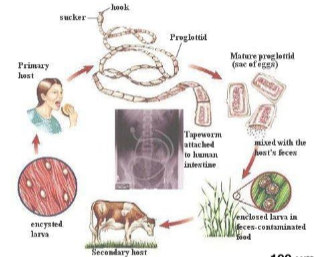
Class Cestoda (tapeworms)
live inside intestine of vertebrate host
complex cycles
no head, mouth or gut
absorb nutrients directly from host
Lophotrochozoa; Syndermata (rotifers)
timy (50 um - 2mm)
Mostly freshwater
pseudocoelomate
well developed organ systems
complete gut
Corona
Sexual dimorphism, some parthenogenesis
Lophotrochozoa; Ectoprocta (bryozoans)
mostly marine
all colonial
coelomate
have Iophophore
secrete calcium carbonate
Lophotrochozoa: Brachiopods (lamp shells)
all marine
coelomate
have Iophophore
two shells, dorsal and ventral
Lophotrochozoa: Mollusca (Molluscs)
marine, freshwater, some terrestrial
coelomate with common body plan
Many secrete shell of calcium carbonate
most have trochophore
Body plan
reduced coelom
muscular foot
Visceral mass containing organs
Mantle
Most also have:
mantle cavity
radula
Open circulatory system
exception: cephalopods
Polyplacophora (chitons)
all marine
shell of 8 overlapping dorsal plates
adhere to rock with foot
omnivores with very strong radula
Gastropoda (Snails and slugs)
marine, freshwater, terrestrial
most use radula to graze
most have single spiral shell
internal organ twisted - no longer bilateral
Bivalvia (clams, oysters, mussels, scallops)
all aquatic, most sessile
hinged lateral shells
strong muscles
use foot to borrow or anchor
no head, no radula most no eyes
use gills to filter feed
Cephalopoda (octopuses, squids, nautiluses)
active marine predators
foot modified into tentacles and siphon
shell reduced or missing in most
closed circulatory system
advanced eyes and nervous system with large brain
Many have chromatophores
used for camouflage
Annelida (annelids)
marine, freshwater, damp soil
coelomate
segmented
complete gut
closed circulatory system
many have trochophore
Errantina
mostly mobile
mostly marine
predators or grazers
parapodia
each with chaetae
sedentaria
less mobile
marine, freshwater, terrestrial
burrowing or tube-dwelling
parapodia less common
includes class clitellata
Class Clitellate
no parapodia, fewer chaetae
hermaphroditic
Clitellum
Earthworms
earthworms
important detritivores
Exrtract nutrients from digested soil
Subclass Hirudinea (leeches)
mostly freshwater
predators or parasites
dorsoventrally flattened
reduced, unsegmented coelom
Ecdysozoa
United by Ecdysis
some groups are extremely abudant
arthopoda contains >80% of animal species
Ecdysozoa (Characteristics)
cuticle for protection and support
must undergo ecdysis in order to grow
Thin, flexible cuticle
Thick, strong cuticle (exoskeleton)
Nematoda (roundworms)
Ubiquitous and abundant
many undescribed
some free-living in water or soil
many parasitic; some pathogens
Body plan
pseudocoelomate
unsegmented
complete gut
longitudinal muscles
sexual dimorphism
Tardigrada (tardigrades)
tiny
all aquatic, often associated with mosses or lichens
segmented
extremely tolerant dormant state
Onychophora (velvet worms)
all terrestrial
live in tropical forests
segmented
all predators; squirt gluey slime
Arthropoda
enormously successful and diverse
segmented
open circulatory system
gills, lungs, or trachea for gas exchange
hard exoskeleton made of chitin
first animal to move to land
jointed appendages, specialized
highly specialized to different environments and lifestyles
In sponges and diploblasts
all cells close to water
easy to exchange gases, nutrients, wastes by diffusion
in sponges in triploblasts
mesoderm isolated from outside environment
Chelicerata
mostly terrestrial and carnivorous
cephalothorax and abdomen
no antennae, simple eyes
6 pairs of appendages
book gills or book lungs
4 pairs of walking legs
Class arachnida
spiders, scorpions, mites and ticks, daddy long legs, and other
Myriapoda (centipedes and millipedes)
all terrestrial
head (with antennae) and long trunk
centipedes:
1 pair legs per segment
predators with poison claws
Millipedes:
Fused double segments (2 legs)
detritivores/herbivores
Crustacea
paraphyletic
marine, freshwater, damp terrestrial
head, thorax, abdomen
2 pairs of antennae
legs on both thorax and abdomen
most have swimming larval stage
krill, isopods, barnacles, decapods
hexapoda (insects)
dominant terrestrial arthropods
extremely diverse
head, thoraz, abdomen
1 pair of antennae
compound and simple eyes
6 legs on thorax
most with wings
class insecta
adaptations for terrestrial life
gas exchange via spiracles leading to tracheae
efficient excretion
internal fertilization
high reproductive rate
echinodermata
marine
pentaradial symmetry in adults
slow-moving or sessile
endoskeleton of calcified plates
water vascular system
tube feet
Crinoidea
oldest group
suspension feeders
asteroidea (sea stars)
important predators
evert stomach to feed
Ophiuroidea (brittle stars)
lash arms to move
Echinoidea (sea urchins)
herbivores
no arms
large spines
Holothuroidea (sea cucmbers)
suspension feeders
no arms
Chordata
dorsal, hallow nerve chord
notochord
Pharyngeal slits
muscular post-anal tail
Cephalochordata (lancelets)
marine
no backbone
burrow into sediment
filter feed through pharyngeal slits
blade like
Urochordata
marine
chordate traits only in larvae
Adults: “sea squirts”
water-filled, sac-like, no body cavity
sessile filter feeders
tunic or cellulose
Myxini
jawless
cartilage skeleton, no bone
no vertebral column
scavengers