biol 1115 lab midterm 1
 Call Kai
 Learn
 Practice Test
 Spaced Repetition
 Match
 Flashcards
 Knowt Play
1/120

There's no tags or description
Looks like no tags are added yet.
121 Terms
resolution
the ability to see fine detail in a microscope
ocular/eyepieces
lenses which you look through
condenser
gather light from the microscope lamp and concentrate it so it passes through the slide to the condenser lens
iris diaphragm
controls amount of light that reaches the condenser
working distance
distance from objective to the slide
image reversal
left to right and top to bottom image reversal is a characteristic feature of the compound microscope
stereoscopic dissecting microscope advantages
ability to observe objects that are too large or too thick under high magnifications
ability to observe objects in three dimensions
image reversal does not appear
total magnification
objective lens x ocular mag = total mag
field diameter
number of mm one sees in their field of view when looking through ocular lens
field diameter decreases when total mag is increased
true diameter (mm)
field diameter x linear fraction
scale of drawing
drawing diameter (mm) / true diameter (mm)
cross section
cut at right angles to the longitudinal axis of an object

longitudinal section
cut parallel to the longitudinal axis of an object
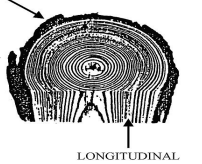
median section
cut along the middle of an object
radial section
cut made along a radius of a circular object

prokaryotic cells
absent nuclear membrane and define nucleus also lack internal membranous structures
eukaryotic cells
well-defined nucleus and has nuclear membrane
typical plant and animal cells
plant cells have
large central vacuole
rigid cell wall surrounding cell membrane
chloroplasts for photosynthesis
do not have centrioles

vacuoles
in plant: maintains structure w/ pressure, stores nutrients and waste, act like lysosomes to break down toxin
animal: temporary storage of H2O, nutrients, and waste products
nucleus
stores DNA and is control center for all cellular activities
mitochondrion
site of atp production
ribosome
translate genetic code to produce proteins
golgi apparatus
midifies and sorts proteins and lipids before transporting out or within cell
nucleolus
synthesizes RNA to make ribosomes
lysosomes
breaks down toxins and old organelles in animal cells
plasma membrane
protective barrier and controls the movement of substances in and out of cell
cell wall
provides structural support and shape to plant cell
centrioles
in plants: DO NOT EXIST
in animals: organizes microtubules and facilitates cell division
cytoskeleton
maintains cell shape
chloroplast
converts light energy from sun to energy through photosynthesis
rough endoplasmic reticulum
site of protein production and transports protein to golgi apparatus
smooth endoplasmic reticulum
synthesizes lipids and hormones and detoxifies metabolic wastes
cell organization
cells → tissues → organs → organ systems
tissue
group of similar cells performing a common activity
organ
group of tissues collectively performing a specific function
organ system
group of organs performing a major body function
histology
study of tissues
four basic tissue types
epithelial, connective, muscle, nervous
epithelial tissue
covers and lines free body surfaces, external and internal
protection, secretion, lubrication, exchange of materials by diffusion
apical/luminal surface
surface of epithelium exposed to air or fluid

simple squamous epithelium
diffusion, filtration, protection
found in: alveoli in lungs, glomerulus in kidney

simple columnar epithelium
absorption of nutrients, secretion of digestive juices, secretion of mucous by goblet cells
found in: apical surface of small intestine

simple cuboidal epithelium
secretion and absorption
found in: walls of nephron tubules
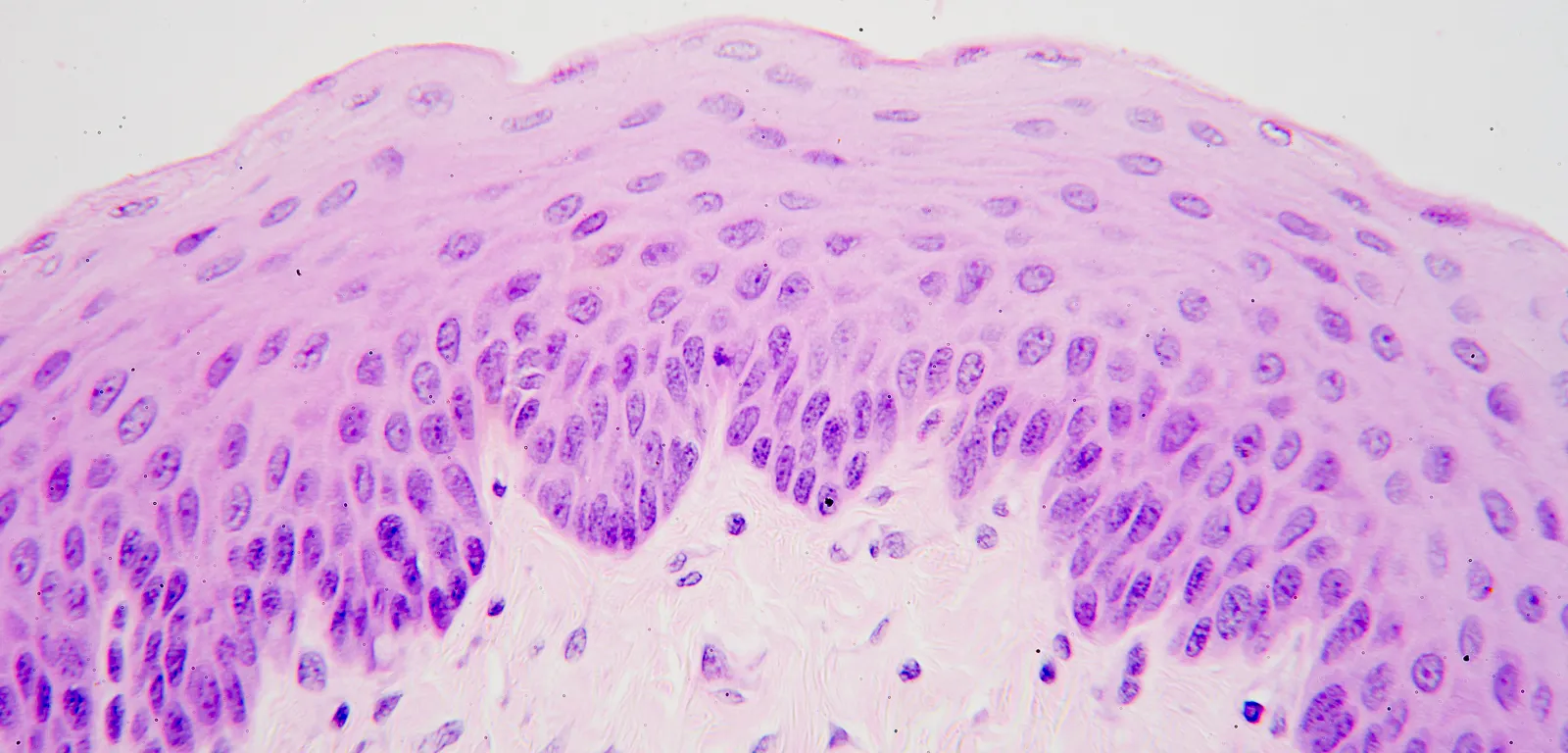
non keratinized stratified squamous epithelium
protect against infection and abrasion in body openings
found in: esophagus, pharynx, anus

keratinized stratified squamous epithelium
very thick - protection against abrasion
found: in soles of feet

pseudostratified ciliated columnar epithelium
protection, secretion, removal of mucous
found in: trachea, bronchi

areolar connective tissue
attaches skin to underlying tissue. fills space between organs and cushions and protects
has mast cells, collagen fibers, and elastic fibers
found: underneath skin

adipose connective tissue
storage of fat, insulation, cushioning
found in: breast, around eyes, kidneys

hyaline cartilage
flexible support, structural reinforcement, reduces friction between joints
found in: nasal septum

skeletal muscle
has striations
cylinderical-shaped cells
peripheral nuclei
multinulceate
found in: muscles
attached to the bones for movement
voluntary

smooth muscle
not striated
spindle-shaped cells
central nuclei
uninucleate
found in: small intestine
involuntary

cardiac muscle
striated
has intercalated discs
branched cells
central nuclei
uninucleate
found in: wall of heart
contracts the heart
involuntary
all cartilage have
lacunae, chondrocytes, rigid matrix

blood extracellular matrix
plasma

erythrocytes RBC
most abundant blood cell
transport oxygen, some CO2, and nutrients
contains hemoglobin

leukocytes
defends organism against bacteria, parasites, and viruses
platelets
small cell fragments that aid in blood clotting
sarcoplasn
muscle cell cytoplasm
enzyme
made of protein
acts as biological catalyst by accelerating chemical reactions
substrate/reactant
substance the enzyme acts on
products
substances that result from the reaction
each enzyme reacts with a
specific substrate
enzyme-substrate complex
once complex formed chemical bonds are made or broken between atoms of the substrate and resulting in formation of products
activators
chemicals that must bind for the enzyme to be active
cofactors
non-protein substances that bind to the active site on the enzyme, essential for the enzyme to work
organic cofactors
coenzymes
non competitive inhibitor
a molecule that reduces an enzyme's activity by binding to an a location other than the active site rather than competing directly with the substrate
competitive inhibitor
a molecule that binds to the active site of an enzyme and blocks the real substrate from entering
catechol oxidase
enzyme found in potatoes
when present in oxygen, catechol is converted to benzoquinone (pigment product)
benzoquinone
pigment product that is responsible for darkening of fruits and veggies after exposure to air
competitive inhibition reversed
can be reversed if the concentration of substrate is raised to sufficiently high levels while the inhibitor's concentration is held constant.
non-competitive inhibition reversed?
Because the substrate molecules cannot reverse the binding of a noncompetitive inhibitor, increasing the concentration of substrate will not reverse the inhibition
enzymes have a favourable range in
pH and temperature
when in favourable environment enzyme works faster
if not in favourable environment it slows down and/or denatures
deoxyribonucleic acid
DNA
nucleotide contains
a deoxyribose sugar
phosphate group
nitrogen base
pairing of nitrogenous base done by
hydrogen bonding
dna replication occurs in
S phase of interphase
dna replication occurs in
5’ to 3’ direction
cell theory
states that all cells arise from pre-existing cells
mitosis
division of the nuclear material (chromosomes)
daughter cells are identical to parent cell
necessary for growth and maintenance of an organim
cytokinesis
segregation of cytoplasm into the two daughter cells
occurs concurrently with telophase
interphase
cell not dividing - in between cell divisions
G1, S, G2
chromatin present instead of chromosomes
g1 phase
occurs immediately after cell division - cell grows and produces cytoplasmic organelles
s phase
phase after g1 - DNA replication occurs
chromosome turns into → pair of sister chromatid held tgt by centromere
g2 phase
after S phase - cell is preparing to divide
prophase
1st phase of mitosis
nuclear envelope and nucleoli disappears
chromatin coil to → chromosomes
spindle of microtubules forms across the cell
kinetochores form near centromere (helps movement of chromosomes)
metaphase
2nd stage of mitosis
chromosomes move toward metaphase plate
anaphase
3rd stage of mitosis
division of centromeres to produce separate daughter chromosomes with own centromere
migrate toward opposite pole of spindle
telophase
last stage of mitosis
nuclear envelope and nucleoli reform
chromosomes uncoil back to chromatin
makes cytokinesis also occurs and separates daughter cells into 2
back to interphase
centriole
cell organelle that organizes microtubules in animal cells during mitosis
found in opposite poles
homologous chromosomes
a pair of matching chromosomes—one inherited from the mother and one from the father
meiosis
cell division creating four genetically unique haploid gametes
how does meiosis make unique cells
through independent assortment of chromosomes and crossing-over that happens in prophase
prophase I
similar to prophase in mitosis
homologous chromosomes come together to make a tetrad and crossing over occurs
remains tetrad throughout late prophase and metaphase
anaphase I
half of each tetrad move to opposite pole
independent assortment occurs
telophase I
similar to telophase of mitosis
new nuclei have half chromosomes present compared to parent cell but chromosomes are still duplicated
two cells each with half the number of original chromosomes
interkinesis
short interval between the two divisions of a complete meiotic cycle
no replication of genetic material
each chromosome is still composed of 2 chromatids
prophase II
The pairs of chromatids shorten and coil. The spindle apparatus forms and each pair of chromatids begins to attach to two spindle fibres at its centromere
metaphase II
Each pair of chromatids is attached, at its centromere, to spindle fibres from each pole. The chromatid pairs line up with their centromeres along the metaphase (equatorial) plane of the cell.