The Holderness Coast (Local Coast Case Study)
 Call Kai
 Learn
 Practice Test
 Spaced Repetition
 Match
 Flashcards
 Knowt Play
1/12

There's no tags or description
Looks like no tags are added yet.
13 Terms
Holderness Coast Context
Eastern Yorkshire
61km long
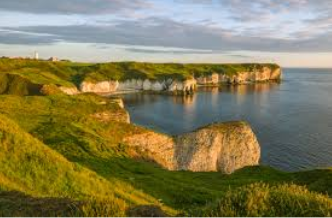
At the north (Flamborough) are landforms like stacks and receding arches
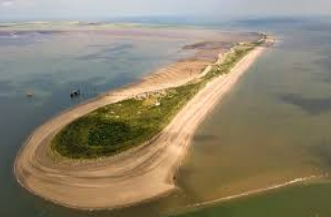
At the south (Spurn Head) are landforms like spits
Differential Rate of Erosion
Different types of rocks erode at different speeds
Physical Factors Affecting Rate of Erosion
Geology (discordant coastlines; chalk and boulder clay)
Weather (due to winter storms, flooding and storm surges can occur)
Waves (North Atlantic currents are going to the North Sea; destructive waves remove boulder clay and chalk)
Human Factors Affecting Rate of Erosion
People (older, retired people; caravan parks)
Hard engineering (advance the line; TGS; Great Cowden Hamlet)
Global warming / climate change (sea levels rise; increase in number of storms; Spurn Head being impacted
Landforms
Chalk headlands and cliffs near Flamborough (north)
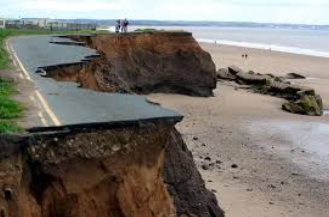
Retreating clay cliffs of the Holderness Bay (middle)
6km spit at Spurn Point (south)
Flamborough Head
Highly permeable
Hydraulic action
Hydraulic action, weathering and mass movement combined can form wave cut platforms
Wave refraction causes notches, arches, caves, stacks and stumps
Holderness Cliffs
Made from easily eroded boulder clay
Retreating by 1.8m/y
Rain causes land slides
Fine clay removed by longshore drift (carries half a million tones of sediment - suspension - per year)
Winter storms threatening
Spurn Head
Longshore drift
6km long
Growing 10cm/y
Winter storms threatening
Home to sand dunes and salt marshes
Conflicts on Management
30 villages has been lost since the Roman Era due to erosion
Beliefs that the government and council should focus on coastline protection
The management could harm nature and reduce biodiversity
1991 (EU), £2.1 million pounds to save / protect their villages
Main strategies: do nothing approach and hold the line
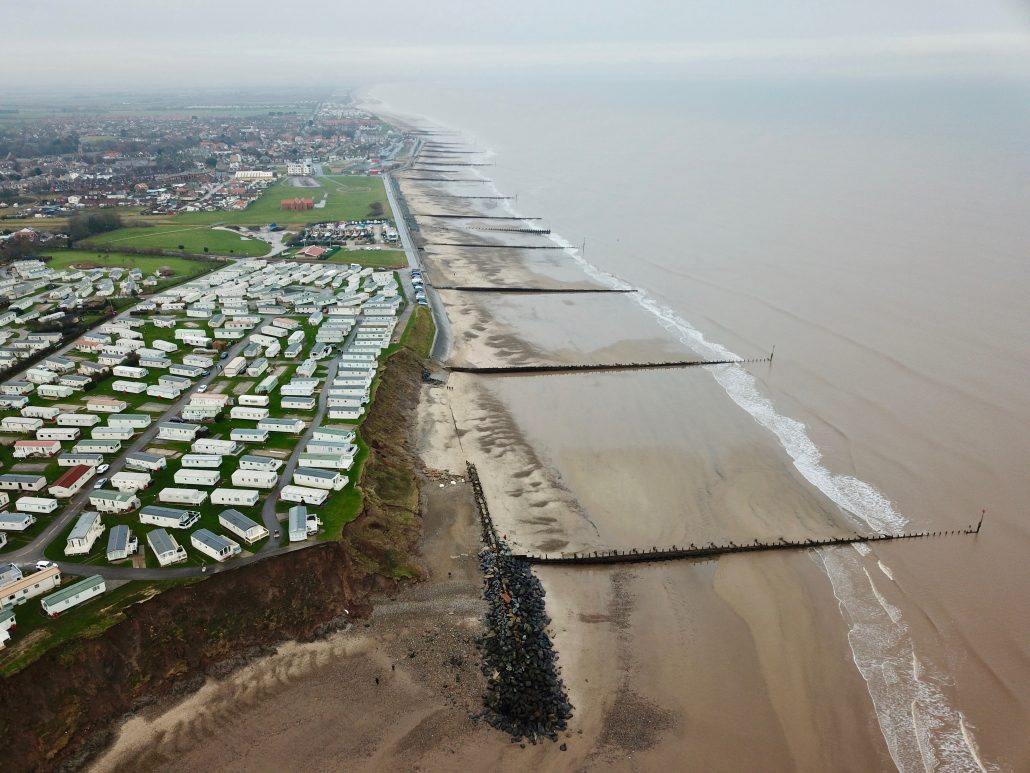
Protection at Hornsea
Popular holiday resort
Spent £5.2 million building / repairing groynes
1.9km of concrete seawalls and rock armour
Protection at Spurn Head
Main strategy: do nothing
Narrow neck so is there any point protecting it? We can’t stop nature
Can no longer spend money to protect it (1995, they stopped trying to protect it at all)
Impacts of Coastal Management at Hornsea
Groynes are relatively low cost | Terminal groyne syndrome can occur |
Groynes are visually acceptable | Groynes require continual maintenance |
The development of low-lying land is now possible and the groynes have ensured a wide, sandy beach which attracts thousands of tourists | There is little material to the south of the defences, meaning even neap tides (lower tidal range) can reach the base of the cliffs |
Impacts of Coastal Management at Spurn Head
Do nothing has saved the growing annual costs of protection | Community of coastguards and their families may have to move somewhere else |
Huge cost benefit as there were no major settlements on the spit | Over washing can damage the salt marsh environments located behind the spit |
Not all environmental groups were against the spit becoming detached into an island | There may be a loss of a ‘heritage coast’ site and an important bird habitat |