Exam II Reagents + Common IUPAC structures
 Call Kai
 Learn
 Practice Test
 Spaced Repetition
 Match
 Flashcards
 Knowt Play
1/30

Earn XP
Description and Tags
Ch. 16, Ch. 17, Ch. 18, Ch. 19
31 Terms
Ch. 17 Reactions at benzylic position: oxidation reagents
Converts an alkyl group into a carboxylic acid (provided it has enough Hs)
Na2Cr2O7, H2SO4, H2O
OR
1) KMnO4, H2O, heat
2) H3O+

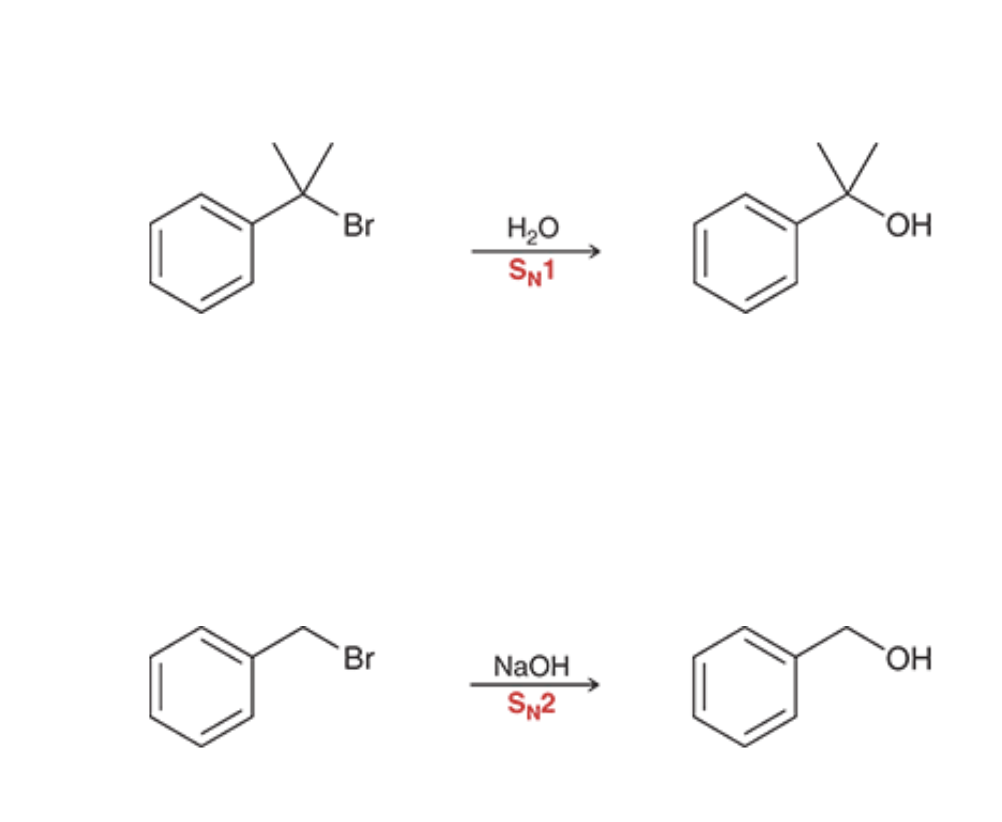
Ch. 17 SN2
Tertiary Br —> OH uses a weak nuc (H2O)
Primary Br —> OH uses a strong nuc (-OH)
Ch. 17 Free radical bromination
NBS, heat

Ch. 17 Elimination rxns
Hydride shift E1: use concentrated H2SO4
forms carbocation

Ch. 17 Birch Reduction
conjugated benzene to diene
Na, CH3OH, NH3 (l)

Ch. 18 Halogenation
X2
Al or FeX3

Ch. 18 Nitration
HNO3, H2SO4

Ch. 18 Sulfonation + reverse
Fuming H2SO4
Reverse: dilute H2SO4

Ch. 18 FC alkylation
RX
AlX3
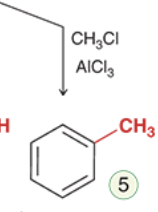
Ch. 18 FC acylation
x-(C=O)R
1) AlX3
2) H2O

Ch. 18 Nitro group reduction
1) Fe or Zn, HCl
2) NaOH

Ch. 18 Clemmenson reduction
ZnHg, HCl, heat

Ch. 18 NAS/SnAR
1) NaOH, 70 degrees C
2) H3O+

Ch. 18 Elimination addition
1) NaOH, 350 degrees C
2) H3O+
or
1) NaNH2, NH3 (l)
2) H3O+

Ch. 19 Hydrate formation
[H+], H2O

Ch. 19 Acetal formation
[H+], ROH, -H2O

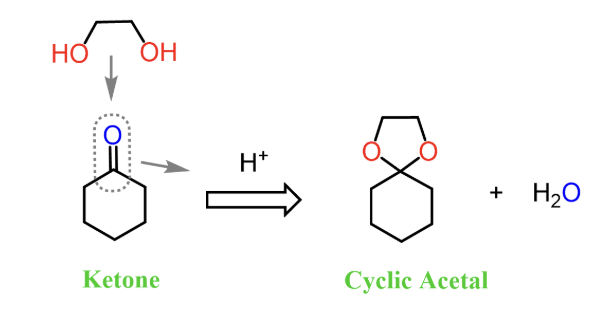
Ch. 19 Cyclic acetal formation
some diol
[H+], -H2O
Ch. 19 Imine formation
[H+]
RNH2
-H2O

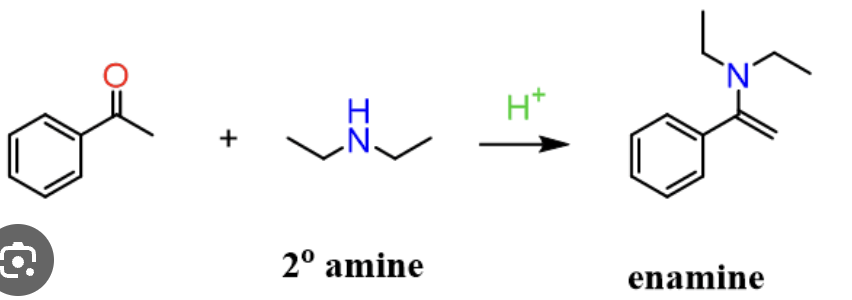
Ch. 19 Enamine formation
[H+]
R2NH
-H2O
Ch. 19 hydrazone formation
[H+]
NH2NH2
-H2O

Ch. 19 (mechanism not on exam) Wolff-Kishner Reduction
formation of hydrazone, then
NaOH or KOH, H2O, heat

hydrolysis reagents
[H+] H2O

thiophene
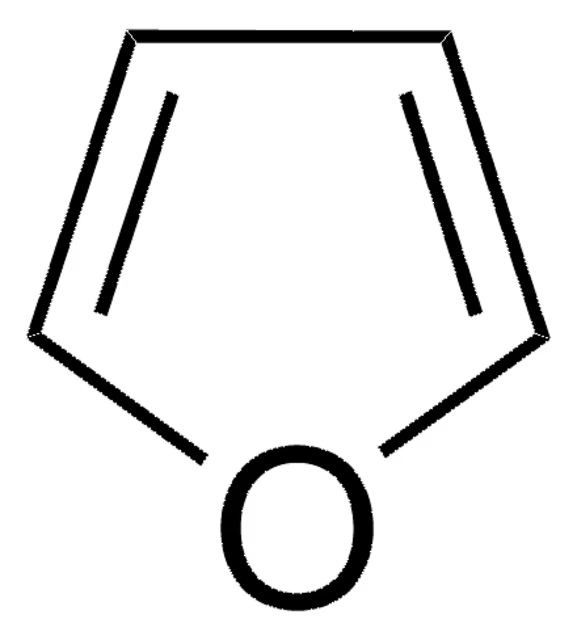
furan

pyridine
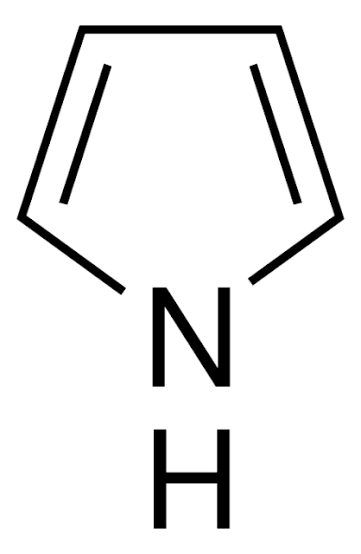
pyrrole

formaldehyde

acetaldehyde
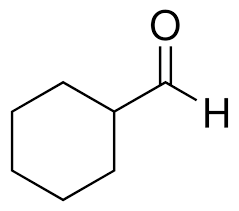
cyclohexanecarbaldehyde
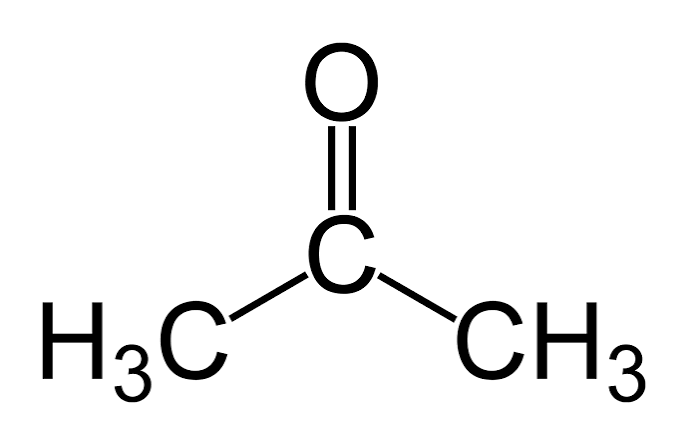
acetone

benzophenone