Eukaryotes & Bacteria & Archea Species
 Call Kai
 Learn
Learn Practice Test
 Spaced Repetition
 Match
Match Flashcards
 Knowt Play
1/16

There's no tags or description
Looks like no tags are added yet.
Name | Mastery | Learn | Test | Matching | Spaced | Call with Kai | Chat |
|---|
No analytics yet
Send a link to your students to track their progress
17 Terms
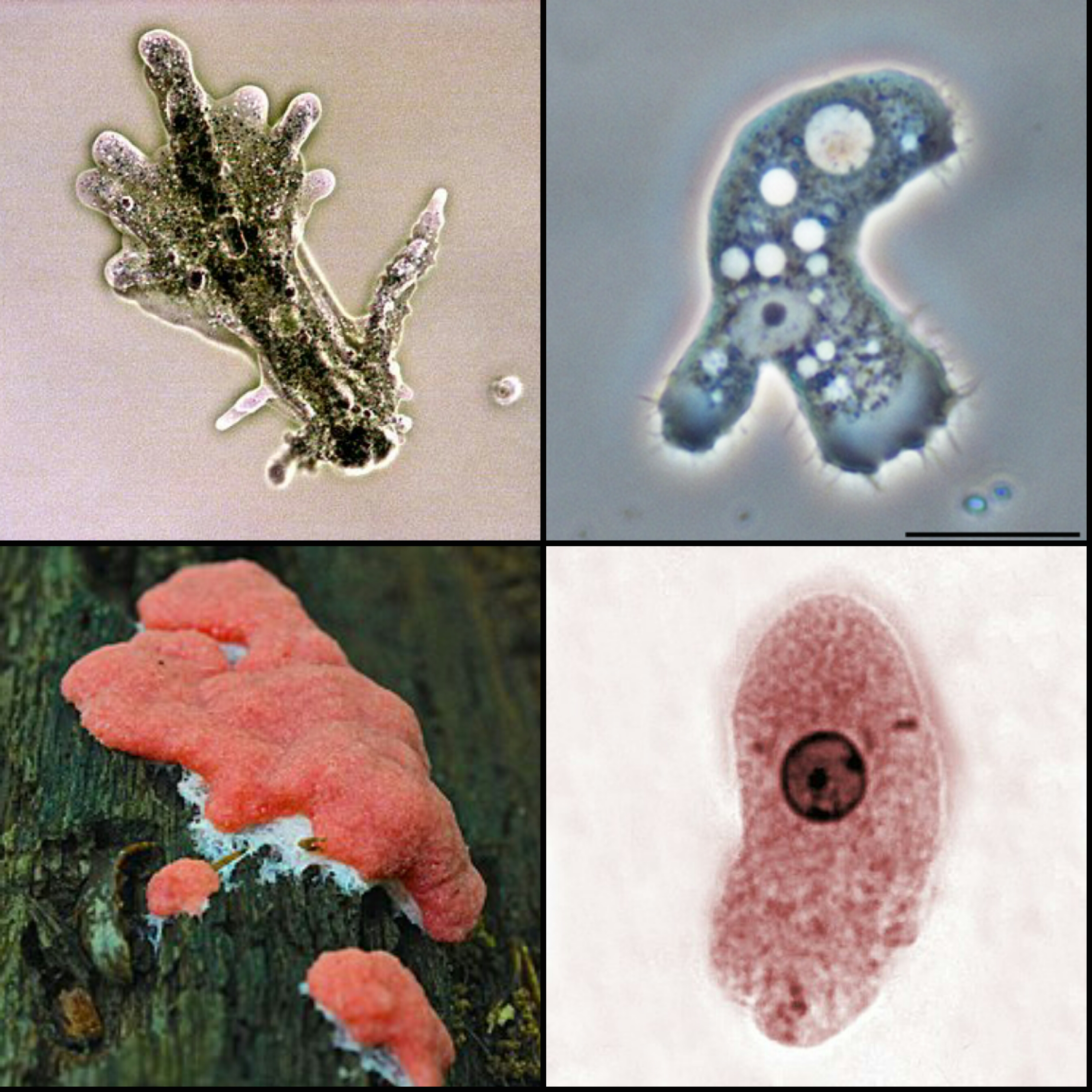
Amoebozoa - Eukaryotes
Lobose Amoebas, cellular Slime molds, Plasmodial slime Molds. Lack cell walls. Display amoeboid movement with cytoplsamic streaming.

Opisthokonta - Eukaryotes
Choanoflagellates, animals, fungi. Single celled to large multicellular. Some w. cell walls and some without. Most produce motile cells.
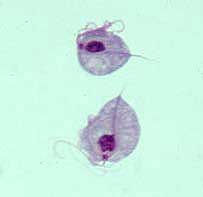
Excavata - Eukaroyetic
Parabasalids, diplomonads, euglenids. Excavated feeding groove on side of cell. Swimming via flagella.

Plantae - Eukaryotic
Glaucophyte, algae, red algae, green algae, land plants. Unicellular, colonial, multicellular. Chloroplasts. Celluolosee.

Rhizaria - Eukaryote
Foraminiferans, actinopods, chlorarachniophytes. No cell walls but have shell like covering. Move by amoeboid motion.
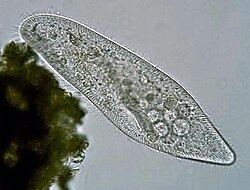
Alveolata - Eukaryote
Ciliates, dinoflagellates, apicomplexans. Contain vesicles called alveoli that support the plasma membrane. Move by cilia.

Stramenopilia
Water molds, diatoms, brown algae. Contain flagella with hollow projections. Ornate glass-like shell.
Bacteria - Proteobacteria (Alpha)
Responsible for mitochondria. Diverse morphology. Metabolically diverse ; none perform O2 photosynthesis.
Bacteria - Cyanobacteria
Independent cells that turn into chains that form colonies
Bacteria - Firmicutes
Gram pos. Rod shaped or spherical; some form spores (reproductive). Digestive aid.
Chlamydiae
Spherical and tiny. Parasites inside animals cells; almost all nutrition from hosts.
Actinobacteria - Bacteria
Gram pos. Varies from rods to filaments.
Bacteria - Spirochaetes
Less known diversity than other bacteria. Fresh water. Guts in animals as pathogens.
Archaea - Crenarchaeota
Shaped like filaments, rods, discs, only life forms present in certain extreme environments.
Archaea - Euryarchaeota
wide variety of shapes. Live in all habitats. Piles of waste rock and produce acids that pollute streams. Methanogens;.
Archaea - Thaumarchaeota
abundant in oceans, estuaries, terrestrial soils. All rod shaped, small. earth carbon and nitrogen
Archaea - asgardarchaeota
closest relative of eukaryotes.