PPL Phase 1
 Call Kai
 Learn
 Practice Test
 Spaced Repetition
 Match
 Flashcards
 Knowt Play
1/124

There's no tags or description
Looks like no tags are added yet.
125 Terms
What is Vso?
Stall speed in landing configuration
What is Vs?
Stall speed in clean configuration
Explain the difference between Vso and Vs
Vso is landing config (flaps / wheels). Use flaps to help slow down and get down. Can go slightly slower with Vso before stalling.
What is Vx?
Best angle of climb // Most hight in the shortest DISTANCE.
What is Vy?
Best rate of climb speed // Most height in the shortest TIME.
Explain the difference between Vx and Vy.
Use Vy is faster than Vx, it provides better forward visibility, and allows more airflow into the cowling for better engine cooling.
When would you climb out using Vx instead of Vy?
Short field takeoffs when needing to get up quickly.
What is Va?
Maneuvering speed
What does maneuvering speed prevent?
Prevents damage to the aircraft due to load factor / g-forces.
What is Vfe?
Maximum flaps extended speed
What are the hazards of exceeding Vfe?
Adds aerodynamic and mechanical stress to the body // Flaps can get stuck.
What is Vno?
Maximum structural cruising speed
When do we operate past Vno?
Cautiously in smooth air
What is Vne?
Never exceed speed
What is a hazard of exceeding Vne?
Damage to the aircraft body.
What is the chord line?
An imaginary straight line from the leading edge to the training edge of an airfoil
What is relative wind?
The direction of the airflow opposite to the direction the aircraft is moving.
What is the angle of attack?
The angle between chord line and relative wind
What is critical angle of attack?
The max angle at which the aircraft will stall.
When is an airfoil considered to be stalled?
Past critical AoA // The smooth airflow over the wings becomes turbulent.
What happens to the airflow over the airfoil when a stall occurs?
Instead of smooth airflow, it becomes turbulent.
Is lift produced in a stall?
Yes
How do you recover from a stall?
Reduce AoA and add power to increase airspeed
When are stallks likely to occur?
During slow flight while at steep inclines.
What is a spin? (3-Part definition)
Aggravated stall // Uncoordinated yaw / sideslip // Autoturning on a descending corkscrew path.
Describe the first phase of a spin
Entry // Pilot intentionally or unintentionally provided the elements of a spin
Describe the second phase of a spin.
Incipient // The transition from a stall to a full spin // Aerodynamic and inertial forces aren't equal yet
Describe the third phase of a spin
Developed // Spin has been established // Airplane's rotation air, and vertical speeds are in a stabilized flight path that is close to vertical
Describe the fourth phase of a spin
Recovery // Spin stops and AoA is less than critical // Pilot applies control to disrupt the spin by stopping the rotation and unstalling the wings
What is the spin recovery procedure? (For 172)
Throttle idle // Ailerons neutral // Full rudder opposite of spin // Quickly apply forward pressure to break stall // As soon as spin stops, neutralize rudder (could spin opposite direction) and recover altitude.
What are the four forces of flight?
Lift, weight, thrust, and drag
How is thrust generated?
Props are angles like wings, AoA and relative wind are vertical instead of horizontal, creates forward lift.
Explain Bernoulli's principle and how it relates to lift.
When pushing a fluid through a small gap, (Venturi tube) there is less pressure and the particles move faster. // A wing is half of a Venturi tube, high pressure under the wing wants to get to low pressure that is over the wing creating lift.
Why does the airflow accelerate over the top of the wing?
A wing is half of a Venturi tube, the same amount of air needs to get across the longer path.
Explain Newton's third law as it relates to the theory of lift.
Newton's third law states that for every action force, there is an equal and opposite reaction force. As the wing generates lift air is deflected downwards and that pushes the wing up.
What are the two types of drag?
induced and parasite
What is induced drag?
The amount of drag directly inverse of airspeed, created from the production of lift.
What are the three types of parasite drag?
Form, interference, and skin friction
Describe form drag
Drag caused by the shape of the plane moving through the air.
Describe interference drag
Drag caused from the vertices where two surfaces join at the sharp angles
Describe skin friction drag
Drag caused by friction between airflow and aircraft body (think sandpaper vs glass)
What is dynamic stability?
The tendency of pitch oscillations getting smaller over time.
What is static stability?
The initial tendency of an object to return to its previously undisturbed state. // The nose coming back up after a bump.
What happens to lift in a turn?
Some vertical lift is transferred to horizontal lift, pulling the airplane up diagonally.
What is overbanking tendency?
When turning, the inner wing turns slower than the outer wing. This causes the airplane to keep banking steeper than wanted.
What is adverse yaw?
The natural and undesirable tendency for an aircraft to yaw in the opposite direction of a roll.
What is the lateral axis of movement?
Pitch (nose up or down), // Runs from wingtip to wingtip (side-to-side).
What is the longitudinal axis of movement?
Roll (banking left or right) // Runs from the nose to the tail through the fuselage.
What is the vertical axis of movement?
Yaw (nose pointing left or right) // Runs vertically from top to bottom through the center of gravity.
What controls vertical axis movement?
Rudder
What controls longitudinal axis movement?
Ailerons
What controls lateral axis movement?
Elevator
What are the secondary flight controls?
Flaps, trim, spoilers, leading edge devices, speedbrakes
What is the function of trim?
Adjusts the pitch to relieve forward or back pressure on controls.
What are the characteristics of the engine? (172)
Air cooled, fuel injected, direct drive, four cylinder, horizontally opposed, overhead valve w/ wet sump lubrication.
How much power is the engine capable of producing?
180hp // 2700rpm
What are the four strokes of the engine?
intake, compression, combustion, exhaust
What are the two engine controls?
Throttle and mixture
What is the voltage of the electrical system?
28 VDC
What is the primary source of electrical power BEFORE the engine starts?
24v Battery
What is the primary source of electrical power AFTER the engine starts?
60a Alternator
What gauges monitor the electrical system?
Voltmeter and Ammeter
What is the purpose of circuit breakers?
To protect the circuits and equipment from electrical overload.
What instrument are connected to the pitot tube?
Airspeed indicator
What instruments are connected to the static port?
airspeed indicator, altimeter, and vertical speed indicator
What instruments are gyroscopes?
Attitude, heading indicators and turn coordinator
Describe the vacuum system.
It provides vacuum necessary to operate the standby attitude indicator and engine driven vacuum pump.
What is gyroscopic precession?
When a force applied to a spinning object manifests 90 degrees later in the direction of rotation.
What is rigidity in space?
The characteristics of a rotating object to stay facing the same direction as it moves through space.
What is the total fuel capacity? (172)
28g per tank // 56g total
How much of the fuel is useable or unuseable?
53g useable // 3g unuseable
What grades of fuel are approved for use? (172)
AV 100 (Green) // AV 100LL (Blue)
What is the purpose of the fuel vent?
To equalize pressure inside and outside the tank.
What is a runway incursion?
When a object (plane, car, etc) is on a runway and it wasn't cleared by ATC.

Closed Run / Taxiway Marking

Taxiway Direction Sign
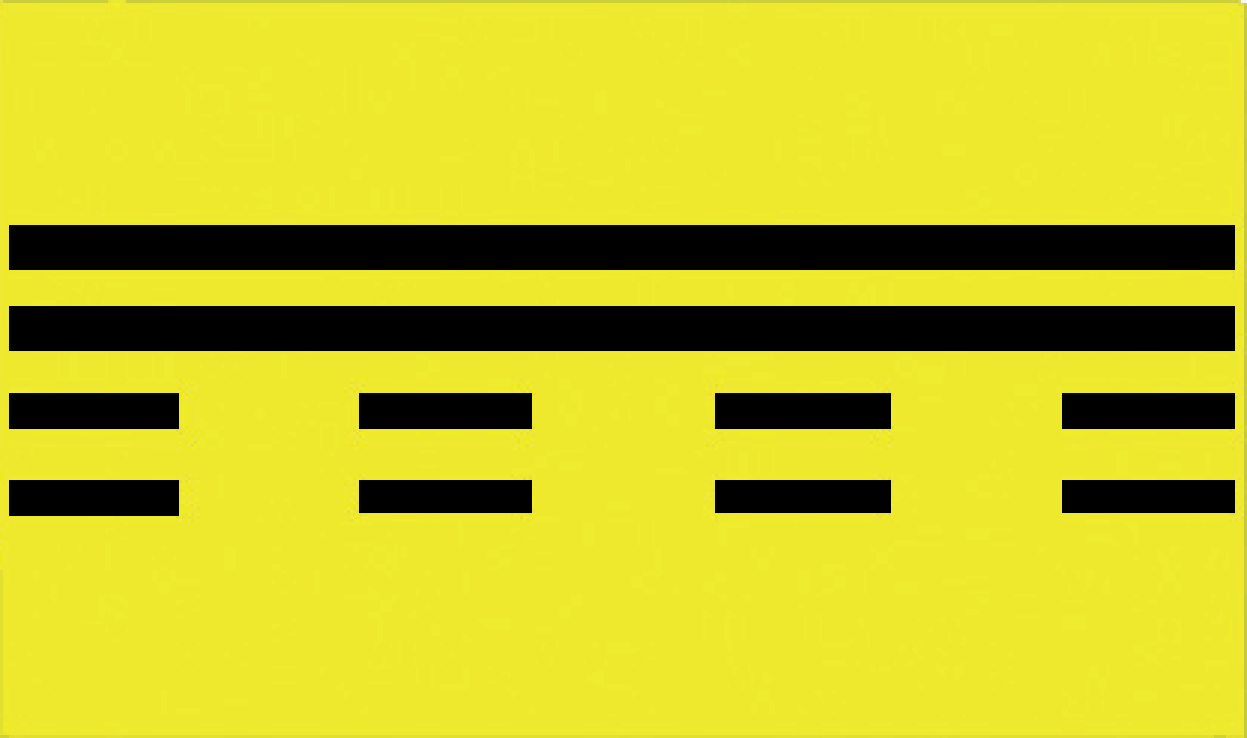
Runway Boundary Sign
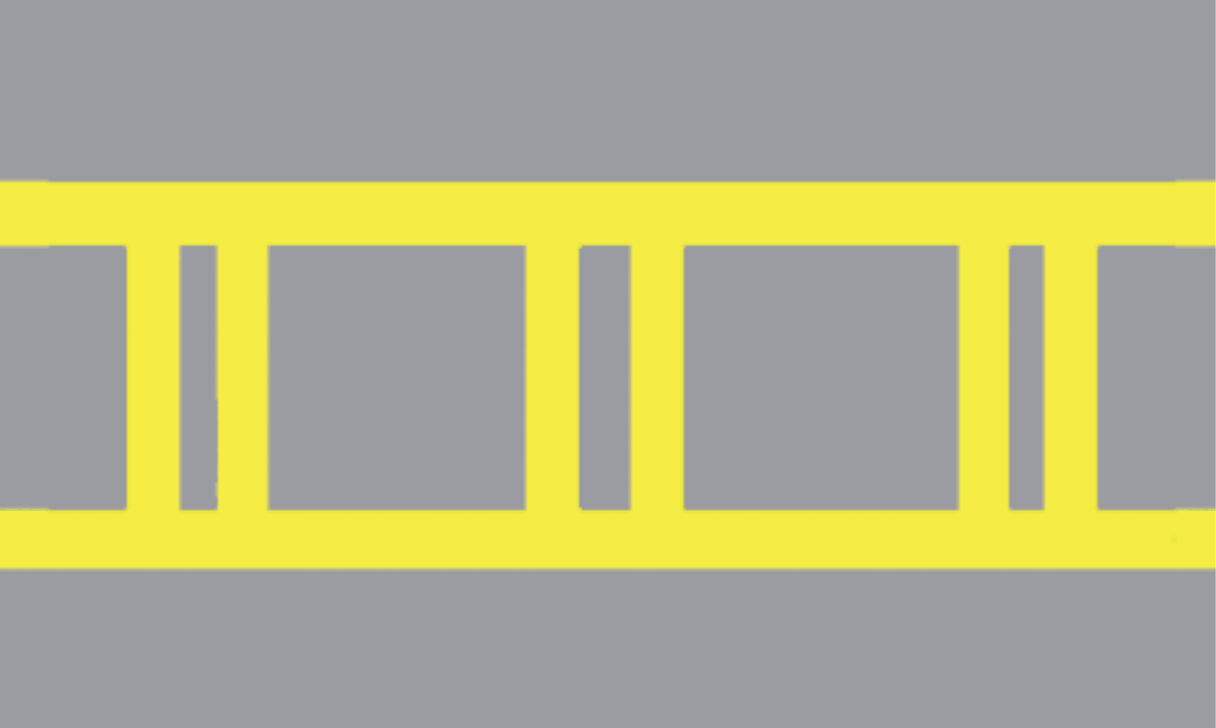
ILS Hold Position Marking

Runway Hold Position Marking

Taxiway Ending Marker

Movement Area Boundary Marking

ILS Critical Area Hold Position Sign

Runway Distance Remaining Sign
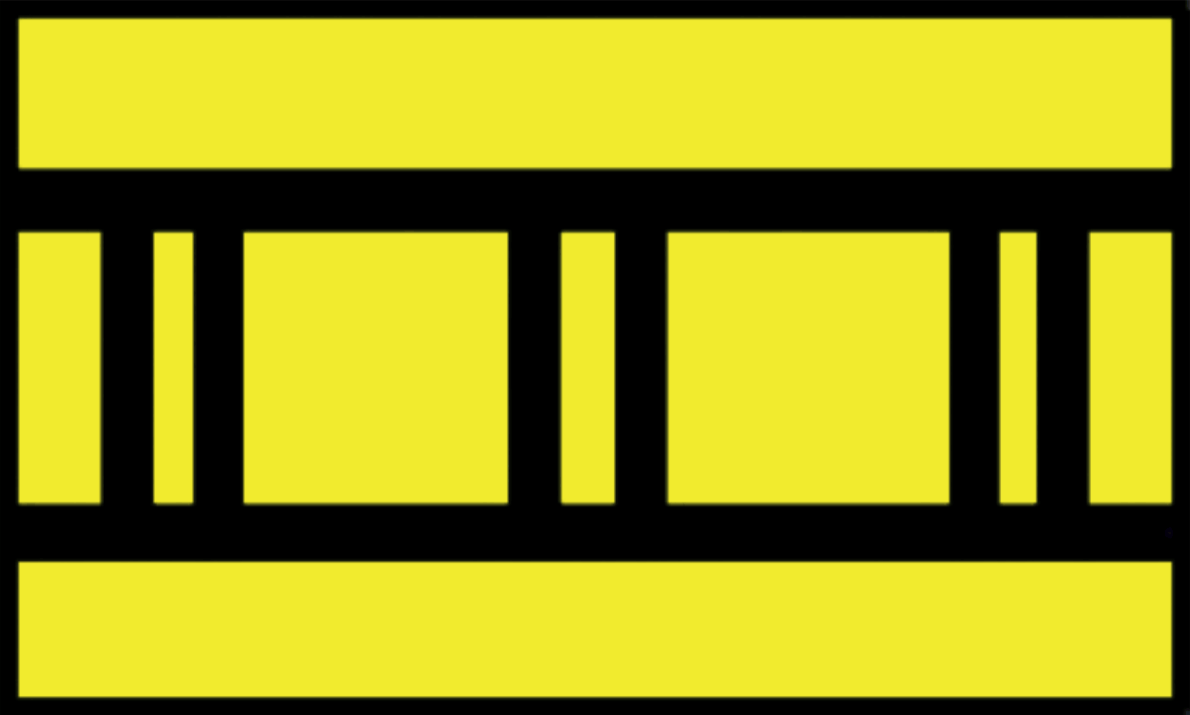
ILS Critical Area Boundary SIgn
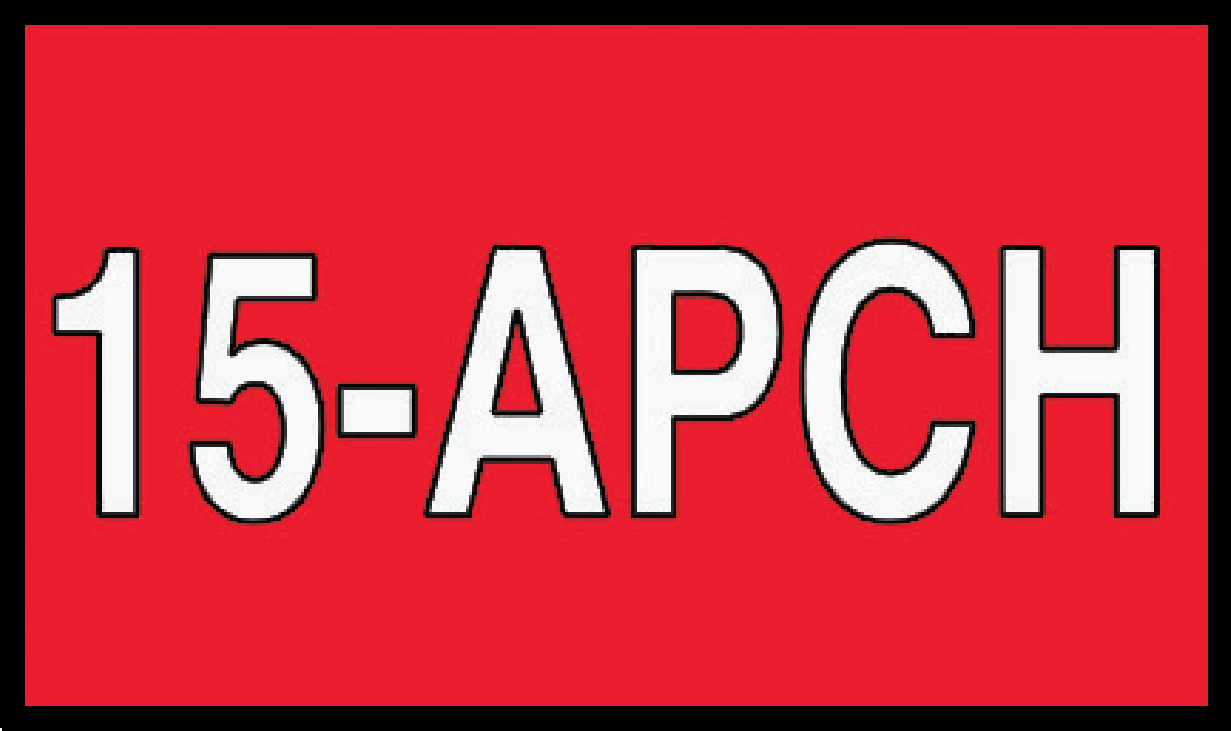
Runway Approach Area Hold Position Sign

Relocated Threshold Markings // Not available for takeoffs and landings

Taxiway Location Sign
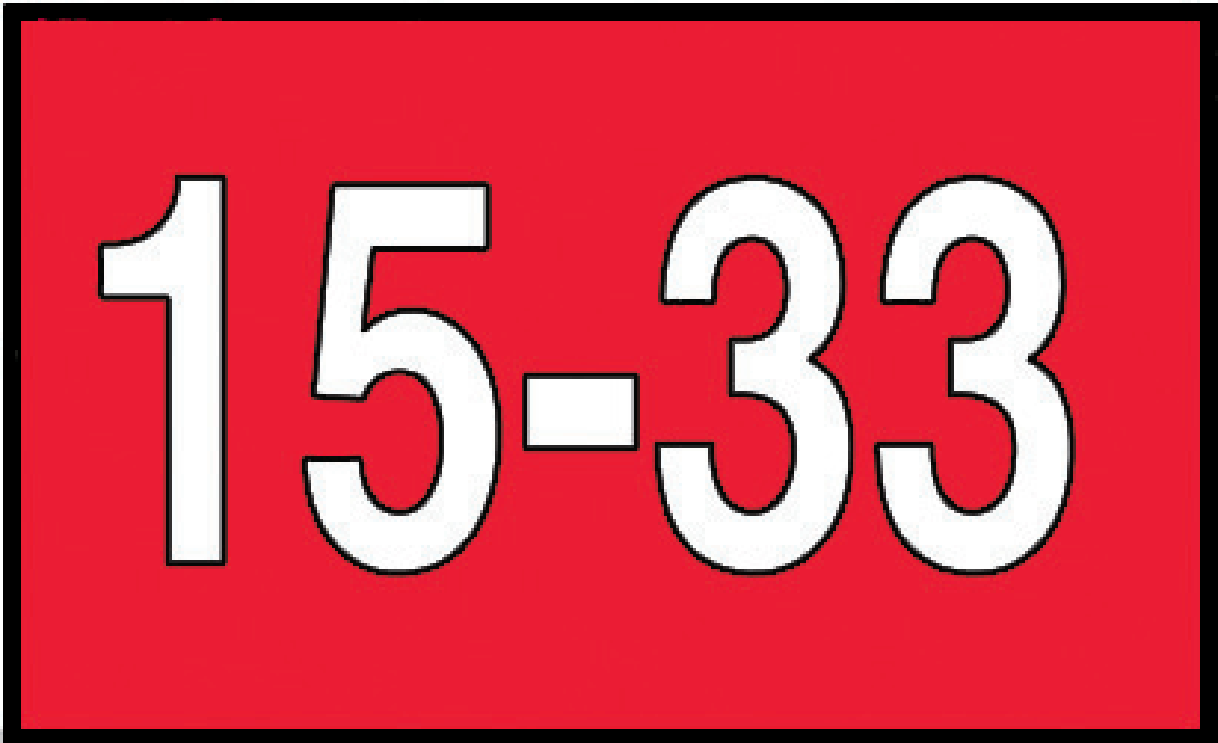
Runway Approach Area Hold Position Sign
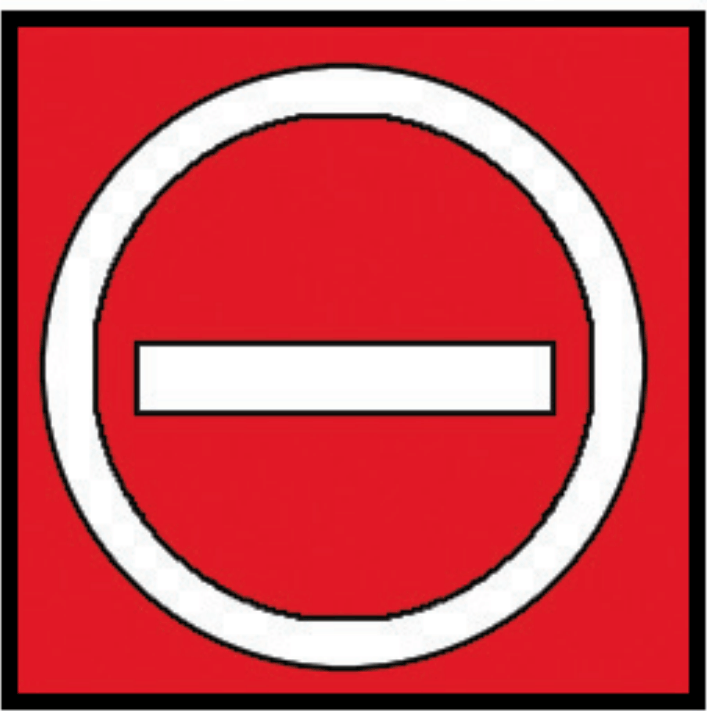
No Entry Sign
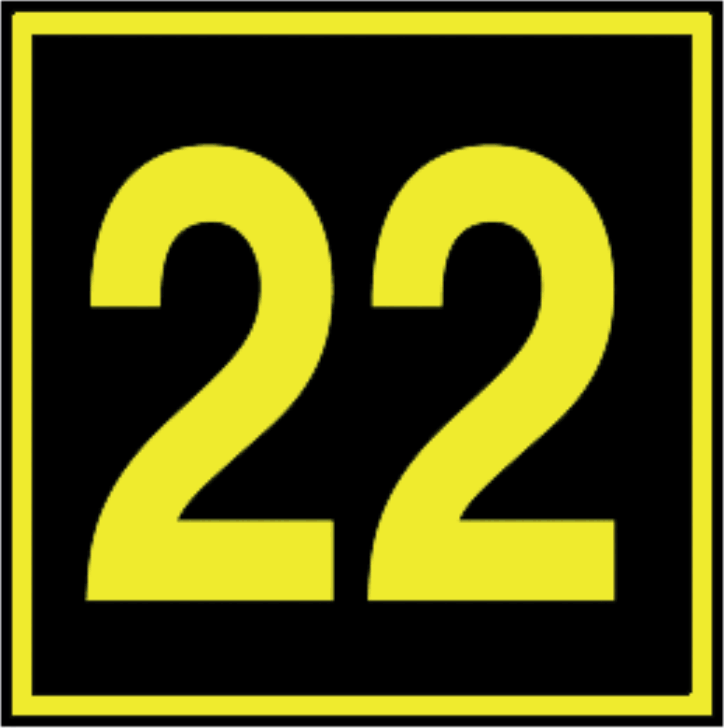
Runway Location Sign

Destination Sign

Direction Sign for Runway Exit
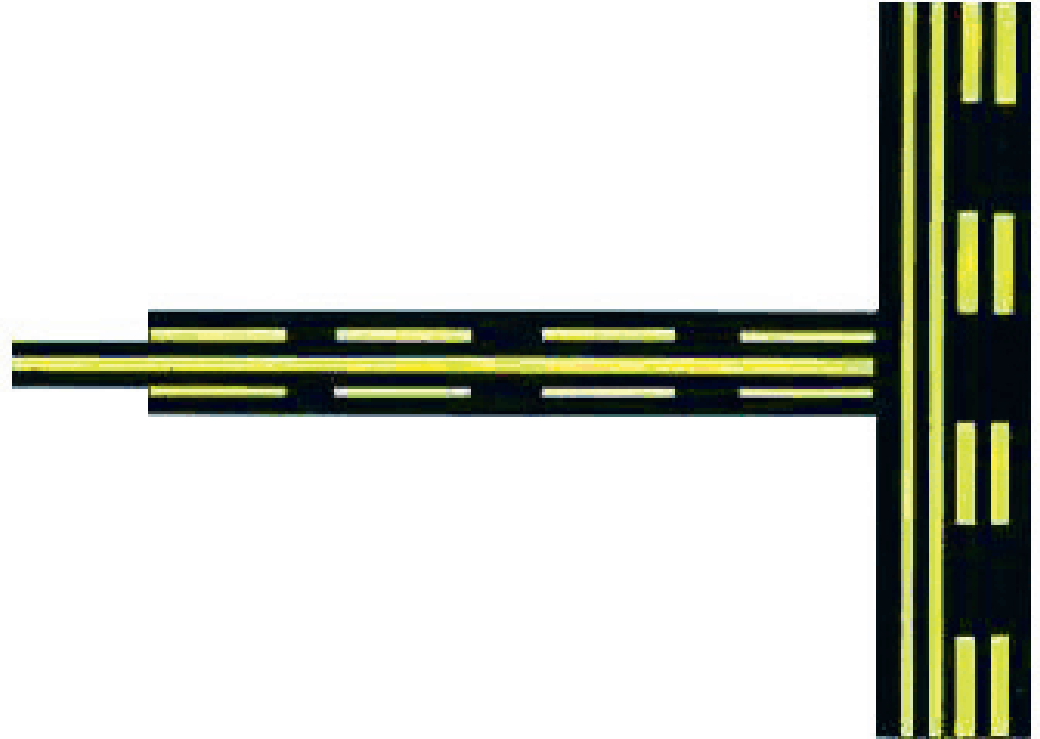
Enhanced Taxiway Centerline Markings

Chevron Markings // Blast Pad Markings

Vehicle Roadway Markings

Displaced Threshold Markings // Available for takeoff and landings

Hold Position Marking for Taxiway / Taxiway Intersections
What are VFR conditions?
>5m visibility // 3k’ ceiling
What are MVFR conditions?
3-5m visibility // 1-3k’ ceiling
What are IFR conditions?
1-3m visibility // 1k’ ceiling