Unit 1 Bio Test
 Call Kai
 Learn
 Practice Test
 Spaced Repetition
 Match
 Flashcards
 Knowt Play
1/41

There's no tags or description
Looks like no tags are added yet.
42 Terms
What is an Ionic Bond?
metal and non-metal
What is a Covalent Bond?
two non-metals
What is a Polar bond?
shared unequally, different charges, covalent
What is a Non Polar bond?
shared equally, same charges, covalent. Always when two same non metals
What is a hydrogen bond?
strong bond when hydrogen is bonded with N, O, or F, significantly stronger than ionic or covalent bonds

What polymer is this?
Carbohydrates (monomer monosaccharide)

What polymer is this?
Lipids (fat) (monomer fatty acid)

What polymer is this?
Nucleic Acid (monomer nucleotide)

What polymer is this?
Protein (monomer amino acids)
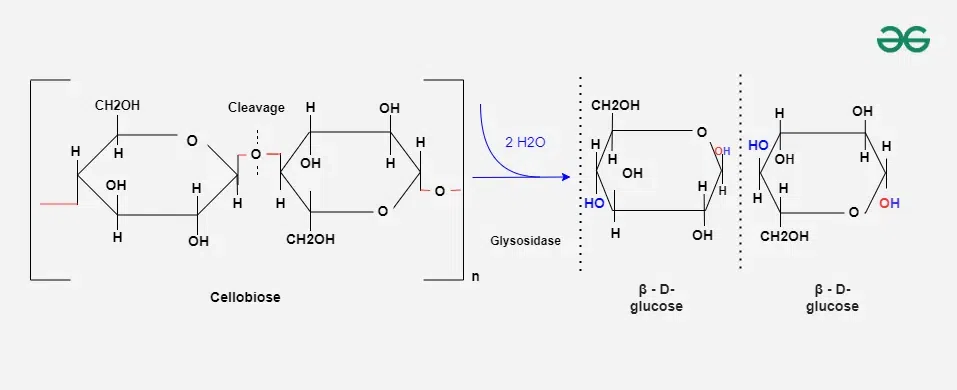
What is this?
Hydrolysis

What is this?
Dehydration Synthesis
What is hydrolysis?
Where polymers break down into monomers. Adds water to break apart
What is dehydration synthesis?
Joins together monomers into polymers. Removes water to join together
What are some characteristics of life?
Have Cells, Homeostasis, Evolve, Reproduce, Obtain/use Energy
What do lipids do?
long term energy storage, cell membrane, cell communication
What does nucleic acids do?
genetic material, DNA/RNA
What do carbohydrates do?
quick energy source
What do proteins do?
movement, hormones, transport, growth, signalling
What did we use to test lipids?
oil
What did we use to test simple carbohydrates?
glucose
What did we use to test complex carbohydrates?
starch
What did we use to test protein?
gelatin

What functional group is this?
Hydroxyl Group (-OH) An oxygen atom covalently bonded to a hydrogen atom

What functional group is this?
Phosphate (-PO4) One central phosphorus atom bonded to four oxygen atoms

What functional group is this?
Amino Group (-NH2) A nitrogen atom single-bonded to two hydrogen atoms and the carbon skeleton.

What functional group is this?
Carboxyl Group (-COOH) A carbon double-bonded to an oxygen and single-bonded to a hydroxyl group.
What are the most common elements found in living things?
C, H, O, N
What organisms do both prokaryotes and eukaryotes share?
Cell wall, cell membrane, ribosomes, DNA, cytoplasm
What organelles are unique to plant cells?
Cell wall, chloropasts
What organelles are unique to animal cells?
Lysosomes, centrioles
What do ribosomes do?
Make proteins
What do lysosomes do?
break down excess or worn-out cell parts
What does Rough ER do?
with ribosomes and synthesizes and folds proteins
What does Smooth ER do?
synthesizing lipids, phospholipids and detoxifies drugs
What does golgi apparatus do?
modifies, sorts, and packages proteins and lipids from er
What do centrioles do?
organelles made of microtubules that organize the cell skeleton
What are partial positive and partial negative charges?
caused by the unequal sharing of electrons in a polar covalent bond
Partial positive charge
The atom with the lower electronegativity loses some electron density, leaving its positive nucleus more exposed and creating a slight positive charge
Partial negative charge
The atom with the higher electronegativity gets a greater share of negative electron density, giving it a slight negative charge.

What bond is this?
Nonpolar Covalent Bond

What bond is this?
Polar covalent bond & hydrogen bonds
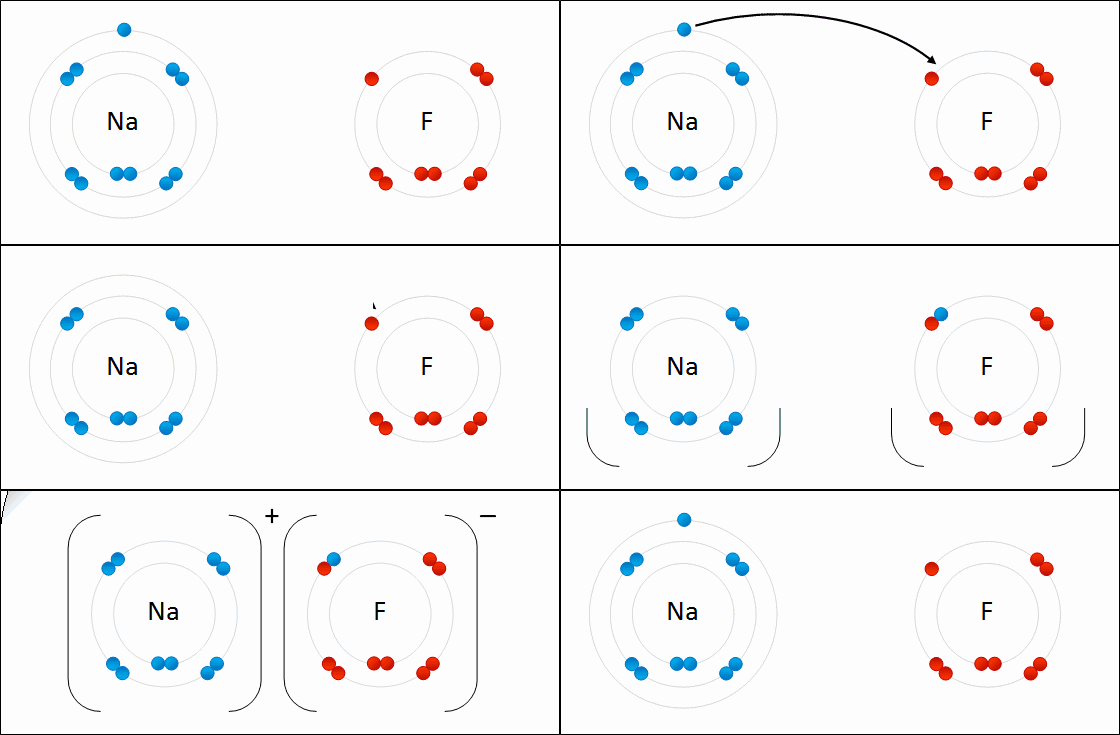
What bond is this?
ionic bonds