Ch 1: Cellular Adaptations & Damage
 Call Kai
 Learn
Learn Practice Test
 Spaced Repetition
 Match
Match Flashcards
 Knowt Play
1/21

There's no tags or description
Looks like no tags are added yet.
Name | Mastery | Learn | Test | Matching | Spaced | Call with Kai | Chat |
|---|
No analytics yet
Send a link to your students to track their progress
22 Terms

Which cellular adaptation is this:
No change at all
Normal cells

Which cellular adaptation is this:
Decrease in the size of cells, resulting in a reduced tissue mass
Atrophy
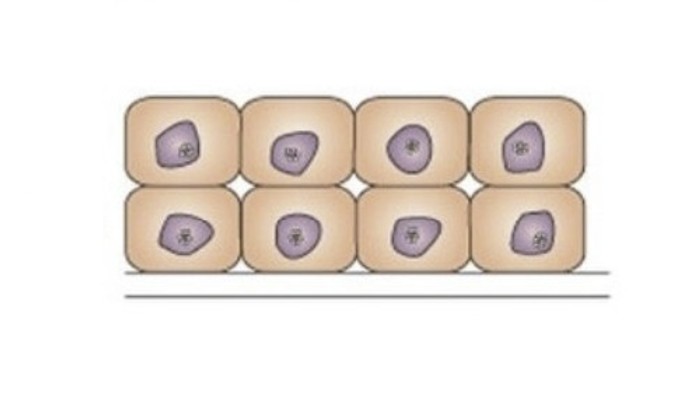
Which cellular adaptation is this:
Increased number of cells resulting in an enlarged tissue mass
Hyperplasia

Which cellular adaptation is this:
Cells that vary in size and shape
Dysplasia
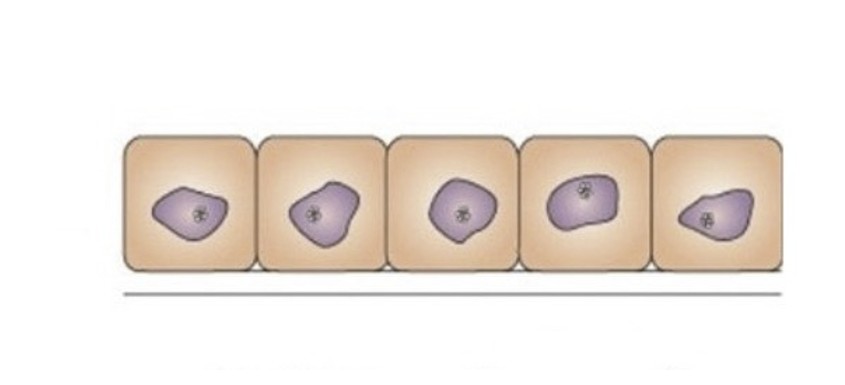
Which cellular adaptation is this:
Increase in the size of cells, resulting in an enlarged tissue mass
Hypertrophy

Which cellular adaptation is this:
Occurs when one mature cell type is replaced by a different mature cell type
Metaplasia
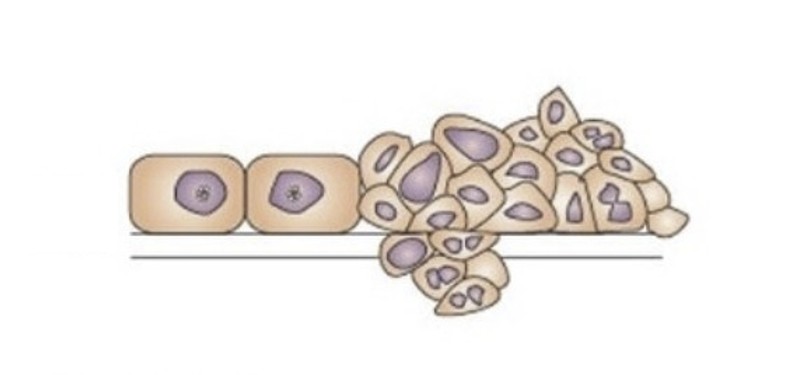
Which cellular adaptation is this:
Commonly called a tumor
Two types: benign and malignant
Neoplasia
Programmed cell death, may increase when cell numbers are excessive or cells are injured or aged.
Apoptosis
Refers to the death of one or more cells or a portion of tissue or organ as a result of irreversible damage and not a programmed cellular event.
Necrosis
A decreased supply of oxygenated blood to a tissue or organ, owing to circulatory obstruction.
Ischemia
Reduced oxygen in the tissue
Hypoxia
Absence of oxygen
Anaerobic
Chemicals outside the body or organism.
Exogenous
Chemicals within the body or organism.
Endogenous
Results in the lysis or dissolution of the cell, releasing destructive lysosomal enzymes into the tissue, which cause inflammation as well as damage and reduced function in cells
Pyroptosis
Structural changes occur in the nucleus and the cell as well.
Morphologic
Refers to dead cells liquefy under the influence of certain cell enzymes.
Liquefaction necrosis
Occurs when cell proteins are altered or denatured, and the cells retain some form for a time after death.
Coagulative necrosis
Occurs when fatty tissue is broken down into fatty acids in the presence of infection or certain enzymes.
Fat necrosis
A form of coagulation necrosis in which a thick, yellowish, “ cheesy” substance forms.
Caseous necrosis
An area of dead cells resulting from lack of oxygen.
Infarction
An area of necrotic tissue, usually associated with a lack or loss of blood supply that is followed by invasion of bacteria.
Gangrene