Ottomans: Political History and Notable Figures
 Call Kai
 Learn
 Practice Test
 Spaced Repetition
 Match
 Flashcards
 Knowt Play
1/49

There's no tags or description
Looks like no tags are added yet.
50 Terms

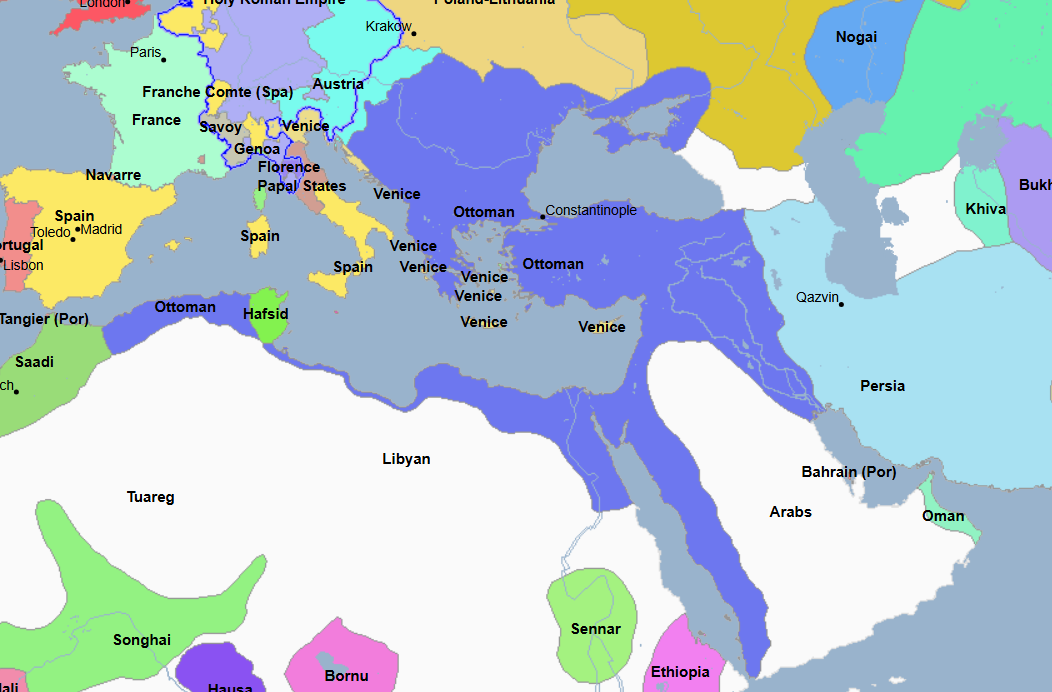
1299 - 1922 - Ottoman Empire / Ottomans (All Facts)
They were the descendants of the 400 horsemen who were allowed to settle in northwestern Anatolia around the 1240s as a reward for helping the local sultan defeat Mongolian invaders

1299 - 1324 - Osman (All Facts)
First Sultan and Founder of the Ottoman Empire
He founded the Ottoman Turkish principality in Bithynia nine years before his reign as Sultan
1324 - 1362 - Orhan (All Facts)
2nd Sultan of the Ottoman Empire
Under his reign,
the Ottomans reached and controlled the Bosporus Strait
the Ottomans occupied Gallipoli, the key to the Dardanelles Strait
During his reign,
He secured his grip in Europe by having married twice over into the Byzantine royal family,
having married
Theodora, the daughter of Byzantine Emperor John Cantacuzene, whom he had lent 6,000 troops to for his coup
his daughter Helen to Byzantine Emperor John Palaeologus
which gradually shifted power in the eastern Aegean from the Byzantine Empire to the Ottoman Empire

1362 - 1389 - Murad (All Facts)
3rd Sultan of the Ottoman Empire
He and his forces defeated the Serbian Empire in the battle of Kosovo but he was killed in action
Under his reign,
the Ottoman Turks captured Adrianople and made it their capital city, leaving Constantinople vulnerable to attack
the Ottoman Turks defeated the Bulgarians in the Battle of Maritsa, in which they conquered all of Macedonia except for Salonika
the Ottoman Turks declared westward advancement into Europe an Islamic Holy War
the Ottoman Turks conquered and controlled Sofia (in modern-day Bulgaria)
the Ottoman Turks conquered and captured Salonika, leaving only Mistra and Constantinople in Byzantine control
Under his reign,
the Christian peasants of Thrace and Adrianople were won over by the Ottomans’ low taxes and fairer standards of law and order and refused to support Europe’s ousting the Ottomans from there

1389 - 1402 - Bayezid (All Facts)
4th Sultan of the Ottoman Empire
He overcame the lesser Turkish dynasties in Anatolia, paving the way for renewed Ottoman attacks on Europe
He
annexed Bulgaria to the Ottoman Empire
besieged Constantinople
He and his forces defeated St. Lazar and the Serbians in the Battle of Kosovo
After the battle, he married St. Lazar’s daughter Olivera Despina as a pledge of peace between the Lazarević (Serbian) and Ottoman dynasties
He and his forces defeated King Sigismund of Hungary and the Crusaders in the Battle of Nicopolis, ending the Second Bulgarian Empire in which the Bulgarian czar was imprisoned and killed and the namesake Bulgarian fortress on the Danube River was captures and leaving Constantinople at the Ottomans’ mercy
He and his forces were defeated by Tamerlane and the Timurids in the Battle of Ankara, after which he was taken prisoner
This feud began when he he rejected an offer from Tamerlane of compromise over a border dispute by questioning Tamerlane’s sexual virility
In response, after the battle, Tamerlane forced him to act as his footstool while the namesake’s wife Olivera Despina served at Tamerlane’s table as a naked waitress
He died in captivity as prisoner of Tamerlane

1413 - 1421 - Mehmed (All Facts)
5th Sultan of the Ottoman Empire
He reunified the Ottoman Empire
He consolidated power in the Balkans

1421 - 1446 / 1448 - 1451 - Murad II (All Facts)
6th Sultan of the Ottoman Empire
He himself was a lover of peace but was constantly obliged to make war
Under his reign,
the military might of the Ottoman Empire was transformed into an enlightened and civilizing force
He resumed his predecessors’ expansionist foreign policy
He swiftly defeated a pretender to the sultanate in Constantinople and tried and failed to besiege Constantinople
He defeated and hung his rebellious younger brother Mustafa in Anatolia, Mustafa’s Karamanian allies having been granted vassal status by the namesake
He captured Thessalonica, held by the Republic of Venice up until that point
He signed a treaty with Byzantine Emperor John VIII Palaeologus
He won back the city of Salonika after it was sold by the Byzantine Emperor to the Republic of Venice
He prevented a massacre
He granted the Venetians trading rights throughout the Ottoman Empire
He signed the Truce of Szeged with King Wladyslaw III of Poland, ending their daring expedition across the Danube River
He died of apoplexy

1446 - 1448 / 1451 - 1481 - Mehmed II (All Facts)
7th Sultan of the Ottoman Empire
He was nicknamed “the Conqueror” and, more than that, saw himself as “khan” (lord of the nomadic steppes), “ghazi” (fighter for Islam), and “basileus” (Byzantine Emperor)
He was more volatile than his predecessor and father
He and the Ottoman Turks
besieged and plundered Constantinople, thus ending the Roman / Byzantine Empire
During the Siege of Constantinople, the namesake
decided to transport 72 ships overland from the Bosporus Strait to the Golden Horn, having penetrated the harbor defenses of the Byzantines
had his cannon to keep up the bombardment of Constantinople while his fellow besiegers had been digging under its city walls
curbed some of the excesses of the Ottoman takeover, putting Byzantine grand duke and admiral Lucas Notaras in charge of the Ottoman administration there, with the state and court officials, under future Ottoman rule, for example
and his forces carried people huddled in its church off to slavery and either killed or assaulted them on the altar
This gave the namesake his title / nickname and prestige that allowed him to dispense with his old adversary, Grand Vizier Halil Pasha
defeated the Republic of Venice in the First Ottoman-Venetian War
In this war, the Republic of Venice lost several outposts to the Ottomans, who gained control over the Mediterranean
He signed a treaty with Venetian doge Francesco Foscari on terms generous to the Republic of Venice
occupied and eventually took Athens, the Peloponnese, and all of Greece
annexed Trebizond (the last fragment of the Byzantine Empire)
conquered Albania, although it was a long and brutal affair
conquered Serbia
conquered Bosnia and Herzegovina
subdued Anatolia, having Venice pay tribute
conquered the Black Sea coast
conquered the last surviving Turkish emirate of Karamania; making it so that all the lands from the Taurus Mountains to the Adriatic Sea were under Ottoman rule
were defeated by General Janos Hunyadi of Hungary and his forces in the Battle / Siege of Belgrade during the Hungarian-Ottoman Wars
He codified Ottoman secular law to apply throughout Ottoman lands
He oversaw a policy of religious toleration
He oversaw a strict policy against revolt
He and his forces
He was somewhat unpopular as the Ottoman population grumbled about the confiscations and currency debasement that had financed the namesake’s wars
He suppressed a revolt among the elite army corps of Janissaries and bound them closer to him
He left his two sons squabbling for the throne to succeed him

1481 - 1512 - Bayezid II (All Facts)
8th Sultan of the Ottoman Empire
Under his reign,
Ottoman forces defeated the Republic of Venice in the Second Ottoman-Venetian War; in this war,
the Ottomans raided as far as Vicenza
Venice lost more of its possessions


1474 - 1518 - Aruj Barbarossa (All Facts)
Ottoman Corsair
He conquered modern-day Algeria in the Capture of Algiers and established the Regency of Algiers (predecessor state of French Algeria and Algeria)
Along with his brother Kayr al-Din, he installed their fleet at Algiers, presenting a challenge to the Spanish forces occupying the island of Penon
He was killed in the fighting against the Spanish over Tlemcen

1512 - 1520 - Selim (All Facts)
9th Sultan of the Ottoman Empire
He was the son of his predecessor
He allied with the Janissaries and had his brothers and nephews killed to consolidate his power and assume the throne
He and his forces defeated Ismail and his Safavid forces in the Battle of Chaldiran during the Ottoman-Persian War
This was the first step in the extraordinary increase in Ottoman power
He then occupied Diyar Bakr (in modern-day Turkey)
He then occupied the remaining eastern Anatolian cities over the next two years
He thus gained for the Ottoman Empire control of the high plateau of eastern Anatolia, which gave them
a natural rampart against invasions from the East
valuable silk routes between Tabriz, Aleppo, and Bursa
He conquered the entire Mamluk Sultanate of Egypt
Upon his conquering them, the Great Prophet’s descendants at Mecca and Kha-ir Beg in Aleppo were ready to concede to him and his forces, but the Mamelukes tried to resist
He and his forces defeated al-Ghuri and his Mameluke forces in the Battle of Marj Dabiq
When Tuman Bey proclaimed himself sultan in Cairo, he was defeated and hanged outside the city
He made his entry into Cairo, where the Ottoman Turks became masters over Egypt and completely destroyed the Egyptian Mamluk Sultanate
He then returned to Constantinople with the standard and cloak of the Great Prophet, symbolizing his being the head of Islam, which he could then claim with justification
He thus became the guardian of the holy places of Mecca, medina, and the pilgrim routes of the Hejaz


1478 - 1546 - Hayreddin Barbarossa (All Facts)
Ottoman (Barbary) Corsair (Pirate)
He was sometimes called the “Chief of the Seas”
He conquered Algeria in the name of Sultan Suleiman of the Ottoman Empire
It was setup as a semi-independent regency under the Ottoman Empire
He repulsed a Spanish offensive on Algiers from the nearby island of Penon
He was appointed by Suleiman to be the commander of Algiers and was ordered by him to cooperate with France against the (Holy Roman) Empire
He became a sultan of Algiers
He won back Tunis from its Moorish King, an ally of Spain
He and his Ottoman forces were defeated by Holy Roman Emperor Charles and his forces in the Conquest of Tunis
He and his Ottoman forces helped France fight against the Holy Roman Empire in the Seventh and Eighth Italian Wars
He and his Ottoman forces were defeated by the Holy Roman Empire and its allies in the Siege of Nice during the Eighth Italian War
He and his Ottoman forces bombarded, besieged, and sacked the namesake Holy Roman imperial town in France, capturing the namesake gateway to Italy from France
He and his Ottoman forces captured and sacked Nice, and rampaged through its burning ruins, looting and raping and setting it ablaze
He set up his headquarters at Toulon (in France) where the inhabitants were humiliated by seeing Muslims pacing the decks of his ships while Christian slaves, Frenchmen among them, were chained to the galleys’ oars and rowing benches
He reoccupied Bizerta

1467 - 1547 - Hadim Suleiman Pasha (All Facts)
Governor of Ottoman Egypt and Ottoman Military Commander under Suleiman
He and his Ottoman forces were defeated by the Portuguese in the Siege of Diu during the Ottoman-Portuguese Wars
He sent a fleet to attack Gujarat, in India, but they failed to take Diu and were forced to return home

1485 - 1565 - Dragut (All Facts)
Ottoman Corsair under Suleiman
He was (is) considered one of the greatest pirate warriors of all time
He and Piali Pasha and their Ottoman forces defeated a Christian coalition led by Spain and the Knights of Malta (the Knights Hospitaller) in the Battle of Djerba
He and his Ottoman forces were defeated by a Christian coalition led by Spain and the Knights of Malta (the Knights Hospitaller) in the Siege of Malta
He was killed in the Siege of Malta by the Knights Hospitaller

1534 - 1715 - Sultanate of Women (All Facts)
Period during which some concubines, mothers, sisters and grandmothers of the sultans of the Ottoman Empire exerted significant political influence

1541 - 1553 - Şehzade Mustafa (All Facts)
Governor of Amasya of the Ottoman Empire
He was a son of Sultan Suleiman
Roxelana and Rustem Pasha convicned Suleiman that he was plotting to overthrow his father and take the throne, and so Suleiman had him executed on orders influenced by Roxelana and Rustem Pasha
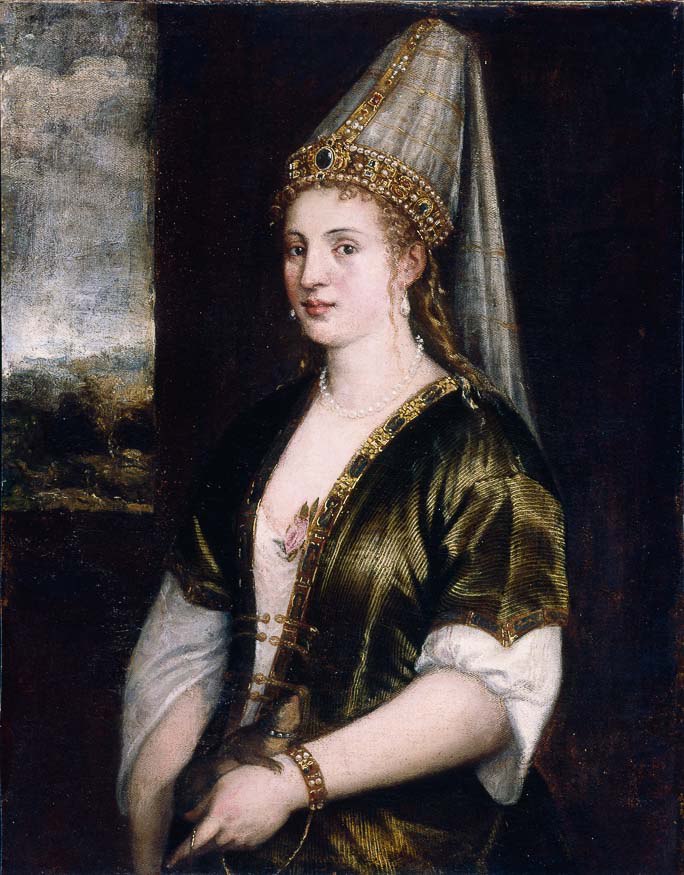
1534 - 1558 - Hürrem Sultan / Roxelana (All Facts)
First Queen Consort of the Ottoman Empire and of the Islamic World
She was the first concubine to have become “Queen” or “Wife” in Muslim law
She was consort to Sultan Suleiman until she died
She bore Suleiman a child and then became his wife in Muslim law, which no sultan’s concubine had been for two centuries
This is because the Ottoman Empire viewed the Sultan as a position which could not have a wife, as the Empire was his wife or family to which he had allegiance, not a particular individual
She broke ground again by moving, with her 100 ladies-in-waiting, dressmakers, and slaves; into the Grand Seraglio (from which the Sultan governed; it was the imperial house)
She exerted significant political influence over Sultan Suleiman, initiating a period of Ottoman history historians now call the “Sultanate of Women”
She was thought to have had a hand in the execution of Ibrahim, Suleiman’s favorite advisor
She then secured the appointment as grand vizier of Rustem Pasha, who had married her daughter by the sultan, Mihrimah
She then targeted and removed Mustafa, son of Suleiman and Gulbehar and the sultan’s preferred heir
She and Rustem Pasha convinced Suleiman that Mustafa, governor of Amasya, was trying to overthrow Suleiman and had Mustafa executed via Suleiman
She died and was mourned heavily by Sultan Suleiman

1544 - 1561 - Rustem Pasha (All Facts)
Grand Vizier of the Ottoman Empire under Suleiman
He and Roxelana convinced Suleiman that Mustafa of Amasya was trying to overthrow the sultan and Suleiman had Mustafa executed

1520 - 1566 - Suleiman (All Facts)
10th Sultan of the Ottoman Empire
He was nicknamed “The Magnificent”
He ruled for 46 years
He was the son of his predecessor
During his reign,
He expanded the Ottoman Empire to the west as far as the Gulf of Arabia
He and his Ottoman forces
defeated
the Hungarians and Serbs in the Siege of Belgrade during the Hungarian-Ottoman Wars, forcing the Republic of Venice to negotiate for peace (they took Belgrade (Serbia))
the Knights Hospitaller and expelled them, securing control of the Mediterranean in the Siege of Rhodes (they took Rhodes)
Louis II and his Hungarian forces decisively in the Battle of Mohacs, ending the Hungarian-Ottoman Wars and conquering parts of Hungary which would be either provinces or vassals of the Ottoman Empire and thus having taken (they took Hungary)
He then re-entered Buda in Hungary and established King John Zapolya as a puppet king (vassal) of the Ottoman Empire
He was thus committed to restoring Zapolyai to the Hungarian throne and embarked on his next military campaign in order to make this happen
Shah Tahmasp and his Safavid forces in the Second Ottoman-Persian War
They took Baghdad
defeated
Ferdinand and the Habsburgs (Holy Roman Empire and Spain) in the First Habsburg-Ottoman War
Ferdinand and the Habsburgs (Holy Roman Empire and Spain) in the Third Habsburg-Ottoman War
the Habsburgs (Holy Roman Empire and Spain) in the Fourth Habsburg-Ottoman War
were defeated by
the forces of the Holy Roman Empire and Spain in the Siege of Vienna in Austria during the First Habsburg-Ottoman War
His defeat was more due to the bad weather and disease than it was to Christian arms or strategies
the forces of the Holy Roman Empire in Hungary and Croatia in the Siege of Koszeg, during the First Habsburg-Ottoman War
helped France fight against the Holy Roman Empire in the Seventh, Eighth, and Ninth Italian Wars
He
forged an alliance with King Francis of France
This Franco-Ottoman Alliance lasted until the Napoleonic Age
made the Truce of Constantinople with Holy Roman Emperor and Hungarian King Ferdinand of Habsburg, ending the Habsburg-Ottoman War of 1529
appointed Hayreddin Barbarossa to be the commander of Algiers, and ordered him to cooperate with France against the (Holy Roman) Empire
made the Truce of Adrianople with Holy Roman Emperor and Spanish King Charles V of Habsburg
signed the Peace of Amasya with Shah Tahmasp of the Safavid Empire, ending the Second Ottoman-Persian War
He
assumed the title of “caliph” (successor to the Great Prophet) on the death of the last member of the Abbasid Caliphate, thus having made him the most powerful of all of the sovereigns of the Islamic World
He wrote to the Sherif of Mecca, a direct descendant of the Great Prophet, to announce that God has put him in charge
This move was accepted, albeit reluctantly, by the larger Islamic World / community
The Sherif of Mecca wrote back to the namesake, accepting that “by the grace of God” he does indeed occupy the throne of the sublime sultanate and the dignity of the grand caliphate
However, he added with some subtlety that it was the namesake’s conquests “that have made [him] the first amongst all and the most senior of the sultans of Islam”
He
was influenced by his favorites including Gulbehar and Roxelana
was the first sultan in Islamic history to have a “wife” married to him, Roxelana, according to Muslim law
supported his successor who defeated their other brother Bayezid in the Battle of Konya, where Bayezid and his give sons fled to Persia where they were quickly executed in return for a large payment made by the namesake
When his successor won the battle at Konya, Bayezid fled to Persia
However, Ottoman pressure persuaded Shah Tahmasp to hand him over to the namesake sultan’s executioner
Bayezid was executed via strangulation with a bowstring, as was his half-brother and five sons, the youngest being only 3 years old
had executed Mustafa, governor of Amasya, after being influenced to do so by Roxelana and Rustem Pasha
had mourned heavily the death of Roxelana
Under his reign,
Ahmed Pasha led a rebellion against Ottoman rule in Egypt, but it was swiftly suppressed
Ottoman forces captured Yemen, the gateway to the Red Sea
Ottoman forces were defeated by a Christian coalition led by Spain and the Knights of Malta (the Knights Hospitaller) in the Siege of Malta
He died and was succeeded by his eldest surviving son, after they had fought for succession to the throne
1560s - 1570s - Mustafa Pasha (All Facts)
He and his Ottoman forces were defeated by a Christian coalition led by Spain and the Knights of Malta (the Knights Hospitaller) in the Siege of Malta
Part of their loss came from his being divided with his fellow commander Piali Pasha

1530 - 1571 - Müezzinzade Ali Pasha (All Facts)
Grand Admiral of the Ottoman Navy under Selim II
He and his forces were defeated by Don John of Austria and his Holy League in the Battle of Lepanto; he
ordered his men on the Sultana, the Turkish flagship, to prepare to board
and his fleet was anchored in the gulf when the Christian fleet hove into sight
and the Ottoman Turks hesitated before moving out to attack in a crescent formation
was killed by a Spanish arquebus, his head struck off and presented to Don John of Austria

1566 - 1574 - Selim II (All Facts)
11th Sultan of the Ottoman Empire
He was nicknamed “The Drunkard”
He was an incompetent drunkard, wiling away his time as sultan drinking wine in seraglio, surrounded by flatters and cronies
He was short and fat, and not a warrior
He was the eldest surviving son of his father and predecessor
He had all potential rivals eliminated by intrigue or murder in order to consolidate his power
He left affairs of state to his Grand Vizier at the time, Sokollu Mehmed
He and his Ottoman forces
Under his reign, Ottoman forces
defeated Don John of Austria and his Holy League forces in the Fourth Ottoman-Venetian War
However, they were defeated by Don John of Austria and his Holy League forces in the Battle of Lepanto
Thereafter, he retired to his harem
were defeated by
Tsar Ivan IV and his Russian forces in the First Russo-Ottoman War
They failed to take the Astrakhan Khanate region that was controlled by Russia
Don John of Austria and his Spanish forces in the Conquest of Tunis
He was a cultivated patron of arts and sciences
He had the Great Mosque of Edirne constructed and completed
He died of a fever after cracking his skill when falling down drunk in a Turkish bath

1515 - 1578 - Piali Pasha (All Facts)
Ottoman Grand Admiral and Vizier under Suleiman
He and Dragut and their Ottoman forces defeated a Christian coalition led by Spain and the Knights of Malta (the Knights Hospitaller) in the Battle of Djerba
He and his Ottoman forces were defeated by a Christian coalition led by Spain and the Knights of Malta (the Knights Hospitaller) in the Siege of Malta
Part of their loss came from his being divided with his fellow commander Mustafa Pasha
He annexed the Aegean Sea island of Chios to the Ottoman Empire

1522 - 1578 - Mihrimah Sultan (All Facts)
She was the only daughter of Sultan Suleiman and Roxelana
She was the wife (by Islamic law) of Rustem Pasha
She was the most powerful imperial princess in the history of the Ottoman Empire

1505 - 1579 - Sokollu Mehmed Pasha (All Facts)
Grand Vizier of the Ottoman Empire under Selim II
He effectively controlled the Ottoman Empire as Selim II was preoccupied with pursuing his own pleasure
He engineered the (re)Capture of Tunis, and (re)Capture of Bizerta from Don John of Austria and his Spanish forces
1524 - 1579 - Joseph Nasi (All Facts)
Portuguese Marrano Jew and Duke of Naxos (in Ottoman Greece)
He fled the Portuguese Inquisition and travelled widely in Europe before finding refuge in the Ottoman Empire
Sultan Suleiman had valued the namesake’s intelligence and financial expertise
Sultan Selim had
made the namesake
an Ottoman Diplomat, in charge of Ottoman diplomacy
the duke of Naxos (in Ottoman Greece)
given the namesake
the rights to establish a Jewish colony in (Ottoman) Israel on the Tiberias River
As Ottoman Diplomat and Greek Duke, he became the first Jew to hold such powerful positions
He supported the rebellion against Spain in the Low Countries and the taking of Cyprus by the Ottomans from the Republic of Venic
He became the sworn enemy of Spain and the Republic of Venice

1574 - 1595 - Murad III (All Facts)
12th Sultan of the Ottoman Empire
He and his Ottoman forces
defeated Mohammed Khodabanda and his Safavid forces in the Third Ottoman-Persian War, taking control of some of the Caucasus Mountain region
fought in the Long Turkish War / Thirteen Years’ War / Fifteen Years’ War / Sixth Habsburg-Ottoman War against Holy Roman Emperor Rudolf II and the Habsburgs (Holy Roman Empire and Spain) and their allies
During his reign,
on the anniversary of the founding of the Janissaries, he relaxed their recruitment and disciplinary rules, removing the rule of celibacy
He signed
The Treaty of Constantinople (with Shah Abbas of the Safavid Empire), ending the Third Ottoman-Persian War
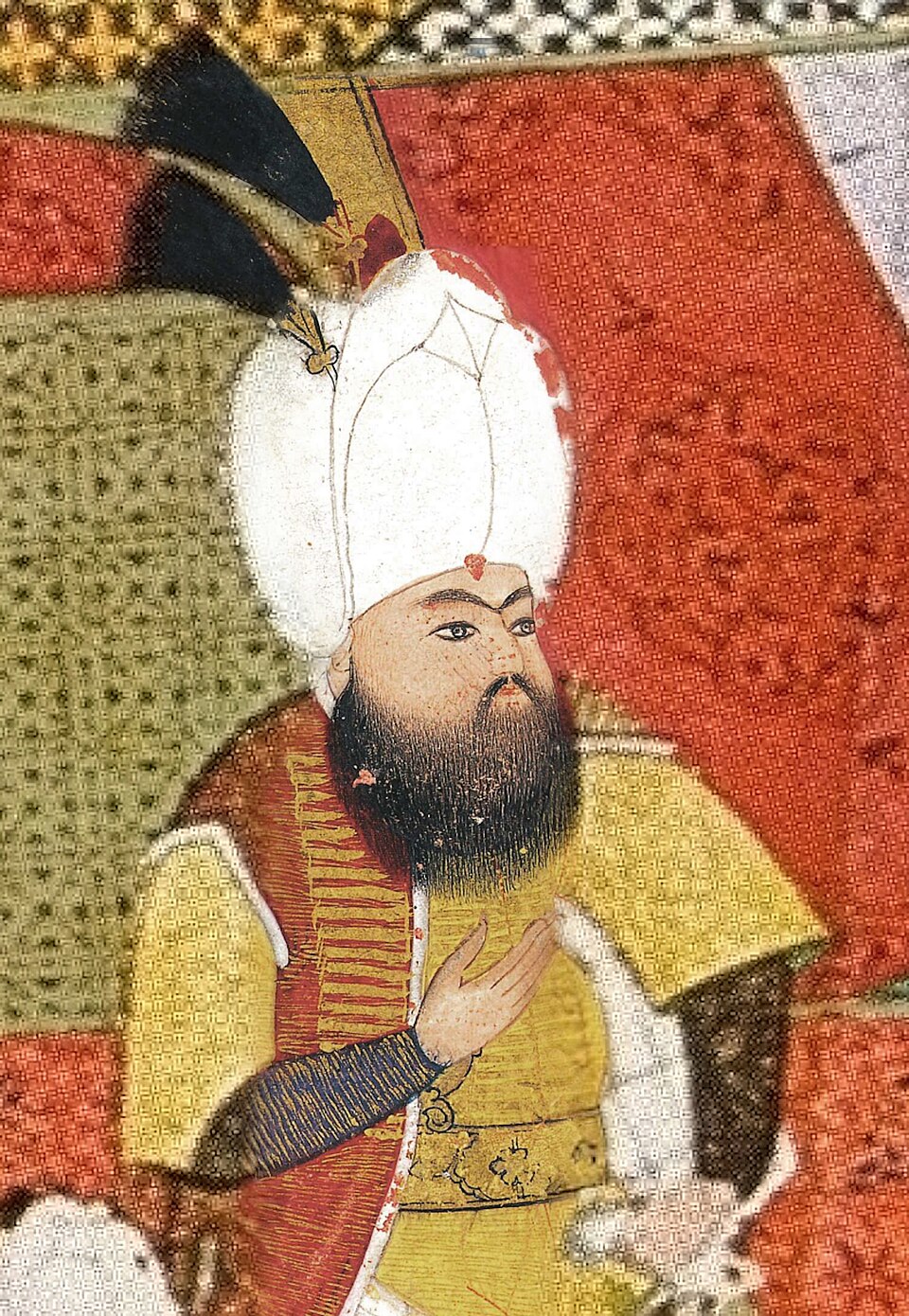
1595 - 1603 - Mehmed III (All Facts)
13th Sultan of the Ottoman Empire
He enforced the “law of fratricide,” by which a new sultan was obligated to execute his brothers and their male children
As a result, he had killed 19 sons
He had a steady supply of beautiful concubines of him in Istanbul, provided to him by his mother, the Sultana Valide Baffo, who held the reins of power
He and his Ottoman forces
defeated the Kingdom of Hungary and its Habsburg forces in the Siege of Eger during the Long Turkish War / Thirteen Years’ War / Fifteen Years’ War / Sixth Habsburg-Ottoman War
His capture of this fortress in Erlau encouraged him to confront the Hungarian forces
defeated the Kingdom of Hungary and its Habsburg forces in the Battle of Mezőkeresztes during the Long Turkish War / Thirteen Years’ War / Fifteen Years’ War / Sixth Habsburg-Ottoman War
It was a minor earthquake rather than any realization of danger to his empire that moved the namesake superstitious sultan to battle
He took the field, urged on by his ministers, who feared a Janissary revolt against him
During the battle, he tried to follow the “siphahis” when they walked off the battlefield, but his generals held a council of war to persuade him to stay with the rest of his army
After the battle, he was relieved and returned to Istanbul

1603 - 1617 - Ahmed (All Facts)
14th Sultan of the Ottoman Empire
He and his Ottoman forces
were defeated by Shah Abbas and his Safavid forces in the Fourth Ottoman-Persian War, having conceded Tabriz once again to the Safavid Empire
were defeated by Shah Abbas and his Safavid forces in the Fifth Ottoman-Persian War, having recognized the reconquest of Persia by Shah Abbas
He signed the Peace of Zsitvatorok (with Holy Roman Emperor Matthias), ending the Long Turkish War / Thirteen Years’ War / Fifteen Years’ War / Sixth Habsburg-Ottoman War
During his reign,
He had the Blue Mosque constructed, his namesake mosque
Under his reign,
the Janissaries’ greed and indiscipline became an increasing threat to the empire’s stability

1618 - 1622 - Osman II (All Facts)
16th Sultan of the Ottoman Empire
He had Dilaver Pasha executed on his orders in order to mollify the Janissaries (or the Janissaries murdered Pasha)
Hussein, the namesake sultan’s favorite, was also murdered
He and his Ottoman forces
were defeated by Shah Abbas and his Safavid forces in the Fifth Ottoman-Persian War, having recognized the reconquest of Persia by Shah Abbas
fought against King Ladislaus IV and his Polish-Lithuanian forces in the Second Polish-Ottoman War; which ended in a stalemate
Under his reign,
the Janissaries were unwilling to fight against Poland, but they blamed the namesake for the campaign’s failure
He was deposed and assassinated by his own (Janissary) bodyguards when he was 19 in what was known as the “Ottoman Disaster”
The Janissaries heard of the namesake’s plan to raise an alternative army aside from theirs which would challenge their power
They thus broke into the harem and called for the reinstatement of his predecessor
When he pleaded in vain for his life and throne, he was strangled on the orders of Sultana Valide, his predecessor’s mother, who, by that point, had taken control of the empire

1617 - 1618 / 1622 - 1623 - Mustafa (All Facts)
15th and 17th Sultan of the Ottoman Empire
He and his Ottoman forces
were defeated by Shah Abbas and his Safavid forces in the Fifth Ottoman-Persian War, having recognized the reconquest of Persia by Shah Abbas
He was deposed twice
1592 - 1635 - Fakhr al-Din II (All Facts)
Ottoman Governor of Sidon-Beirut and Safed
He was a Druze Emir who tried to liberate Lebanon from occupation by the Ottoman Empire
He and his three children were executed as a result

1572 - 1638 - Cyril Lucaris (All Facts)
Greek Patriarch of Constantinople and Eastern Orthodox Theologian under the Ottoman Empire
He served for 18 years
He was removed from office by Rome three times, only to see him reinstated after intervention by (Protestant) English and Dutch envoys
He was famous for his pro-Calvinist teachings which he presented to King Charles of England, along with a copy of the “Codex Alexandrinus”
He attended at the Synod of Brest-Litovsk as a young man, where his affinity for the reformed churches and distaste for Rome began
His teaching was condemned by a church council at Constantinople because of his Calvinist tendencies / sympathies
He was executed on the orders of Sultan Murad IV after he was accused of inciting the Cossacks to attack the Ottoman government
These accusations were made by the namesake’s enemies, who were made and angered by his continuing support for the “Confessio Fidei” which reinterpreted traditional Eastern Orthodox faith in Calvinistic terms

1623 - 1640 - Murad IV (All Facts)
18th Sultan of the Ottoman Empire
He and his Ottoman forces
defeated Shah Safi and his Safavid forces in the Sixth Ottoman-Persian War
defeated Safavid forces in the Siege of Erivan / Yerevan, taking the namesake Armenian capital city from the Safavid Empire
defeated Safavid forces in the Siege of Baghdad, retaking the namesake city from the Safavid Empire
During his reign,
He appeased the bloodthirsty soldiers at the Hippodrome by having obliged to sacrifice to the mob’s vengeance Hafiz Pasha, his grand vizier and brother-in-law, the Mufti, and 15 other court officials
While he plotted his revenge, divisions grew among the Janissaries
He embarked on a ruthless purge of traitors during the Jelali Revolts / Abaza Rebellions / Ottoman Disaster, in which he
had executed Rejeb Pasha (the Janissaries’ choice as Grand Vizier) by having him strangled and beheaded by eunuchs
had persuaded Sipahis, Janissaries, and Judges to sign an oath of loyalty to cooperate in the purge on corruption and subversion
had all suspect traitors rounded up and executed
He had Cyril Lucaris executed after he was accused of inciting the Cossacks to attack the Ottoman government
Under his mother’s regency during his reign,
anarchy among the military had increased until there was a general revolt of Janissary garrisons
There was a mutiny of the household troops which brought terror to the Hippodrome for three days
He died and was succeeded by his brother

1640 - 1648 - Ibrahim (All Facts)
19th Sultan of the Ottoman Empire
He succeeded his brother
He was corrupt, worthless, and mentally-ill
He was reared exclusively in the seraglio and was weak, vain, greedy and cruel
He spent eight years indulging himself in his harem and selling offices
He
had executed Kara Mustafa, who tried to curb the namesake’s worst excesses
He and his Ottoman forces
fought against the Republic of Venice in the Fifth Ottoman-Venetian War / Cretan War / Siege of Candia
This expensive and ill-advised campaign against Venice turned the Janissaries against him
He was deposed and murdered with the connivance of his mother
He was the second Ottoman sultan to be deposed and killed
He was removed from the throne with the consent of his mother, Sultana Valide; and imprisoned
He was then strangled on the orders of the Grand Vizier and the Mufti
He was succeeded by his son, at the time having been 7 years old
He tried to kill his son, but his mother Sultana Valide saved his son’s life
1656 - 1703 - House of Koprulu / Koprulu Era (All Facts)
They restored the Ottoman Empire’s fortunes through their efforts as Grand Viziers placed under Ottoman Sultans after two regicides and several decades of decline

1656 - 1661 - Köprülü Mehmed Pasha (All Facts)
Grand Vizier of the Ottoman Empire under Sultan Mehmed IV and Founder of the Koprulu Political Dynasty
He was of Albanian origin
He was a former scullion and had risen to become a governor
He was charged with the reorganization of and reestablishment of order within the Ottoman Empire
He was offered this position by the Turhan Sultan, the mother and Valide Sultan of Mehmed IV
He accepted the position on the condition that the Turhan Sultan gave him almost absolute power
During his reign, he
renewed pride and discipline in the Ottoman army
suppressed revolts against the Ottoman Empire, having executed 35K people during his rule
had constructed his Babi-Ali Palace, the effective seat of power within the Ottoman Empire by that time
He and his Ottoman forces defeated the Republic of Venice and its forces during the Fifth Ottoman-Venetian War, having taken Lemnos and Tenedos
He died and was succeeded by his son
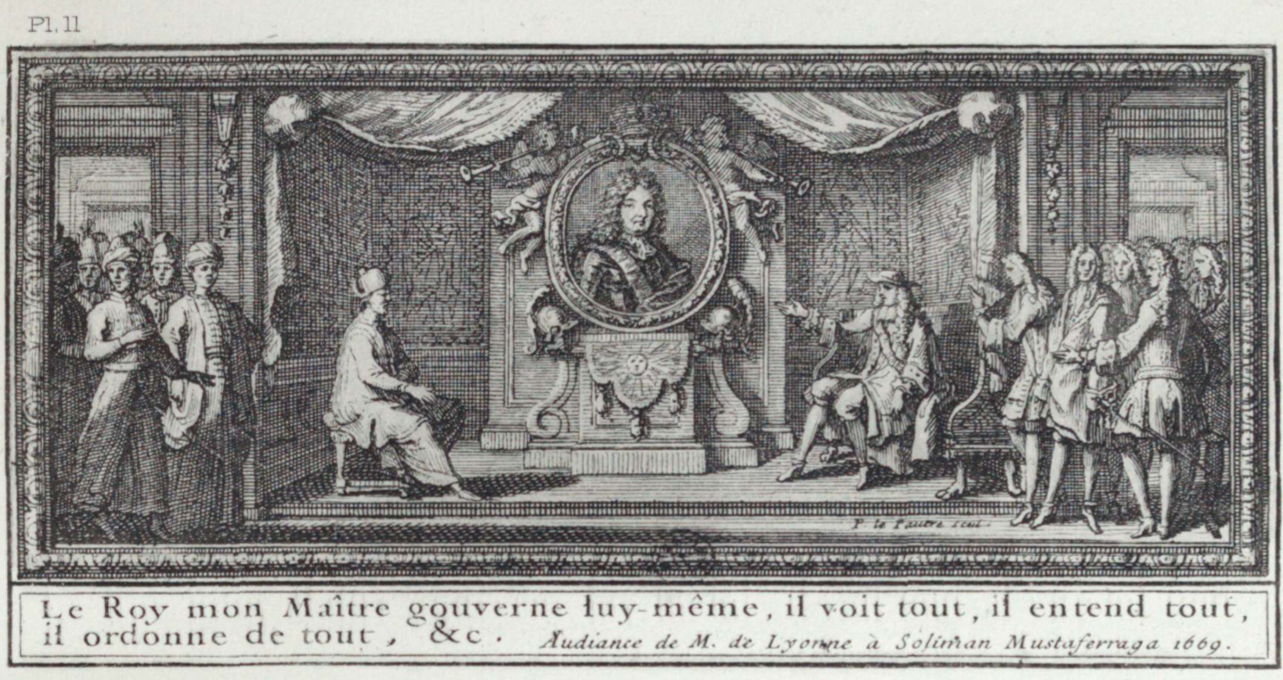
1660s - Suleiman Aga (All Facts)
Ottoman Ambassador to France
He refused to bow down to King Louis XIV, who immediately had the namesake banished from the king’s Palace of Versailles
He introduced coffee-drinking to the French court, in which it was first drunk as a medicine, but soon became a social habit throughout France

1661 - 1676 - Köprülüzade Fazıl Ahmed Pasha (All Facts)
2nd Grand Vizier of the Ottoman Empire under Sultan Mehmed IV and of the Koprulu Dynasty
He was the son of his predecessor
He and his Ottoman forces fought against the Habsburgs in the Austro-Turkish War / Seventh Habsburg-Ottoman War
He and his Ottoman forces defeated the Republic of Venice in the Fifth Ottoman-Venetian War / Cretan War / Siege of Candia
He allowed the Republic of Venice to retain some trading privileges so long as the Republic of Venice entirely evacuated Crete
He and his Ottoman forces, along with Sultan Mehmed IV, fought against John III Sobieski and his Polish-Lithuanian forces in the Fourth Polish-Ottoman War, which ended in a stalemate
He and Sultan Mehmed IV forced Michał Korybut Wiśniowiecki and Poland-Lithuania to sign the Treaty of Buchach
He was succeeded by his younger brother

1626 - 1676 - Sabbatai Zevi (All Facts)
Jewish Rabbi and Religious Leader who
was forcefully converted to Islam
proclaimed himself to be the Jewish messiah

1648 - 1683 - Turhan Sultan (All Facts)
Mother and Valide Sultan of Mehmed IV
She called upon Köprülü Mehmed Pasha to restore the Ottoman Empire’s fortune
He accepted on condition that he was given almost absolute power

1676 - 1683 - Kara Mustafa Pasha (All Facts)
3rd Grand Vizier of the Ottoman Empire under Sultan Mehmed IV and of the Koprulu Dynasty
He was the younger brother of his predecessor
He and his Ottoman forces, along with Sultan Mehmed IV, fought against Tsar Alexis and Tsar Feodor III and the Russian forces in the Second Russo-Turkish War, which ended in a stalemate
He and his Ottoman forces launched a campaign to expel the Russians and Poles from Ukraine, which is what triggered the war
He signed the Treaty of Radzin (with Tsar Feodor III of Russia), in which the Ottoman Empire gave up claims to the Ukraine and which ended the Second Russo-Turkish War
He and his Ottoman forces were defeated by John III Sobieski and his Polish-Lithuanian forces and Charles V of Lorraine and his Holy Roman and Austrian forces in the Battle of Vienna during the Great Turkish War / Eighth Ottoman-Habsburg War
Six months prior to the battle, he was in Adrianople assembling an army of 200K men, purportedly to come to the aid of Emeric Thököly in Hungary and to capture the fortresses of Gyor and Komarom; however his real target seemed to have been Vienna
He was strangled in Belgrade on the orders of Sultan Mehmed IV for his disastrous invasion of Austria

1648 - 1687 - Mehmed IV (All Facts)
20th Sultan of the Ottoman Empire
He was nicknamed “The Hunter”
He assumed the throne at the age of 7
His father tried to kill him, but his life was saved by his grandmother Sultana Valide
He and his Ottoman forces
defeated the Republic of Venice in the Fifth Ottoman-Venetian War / Cretan War / Siege of Candia
He allowed the Republic of Venice to retain some trading privileges so long as the Republic of Venice entirely evacuated Crete
fought against the Habsburgs in the Austro-Turkish War / Seventh Habsburg-Ottoman War, making a rare appearance at the head of his army before returning to the hunting field and leaving Köprülüzade Fazıl Ahmed Pasha to command Ottoman and allied forces
along with Petro Doroshenko and his Cossack forces and their combined allied Crimean forces were defeated by John III Sobieski and his Polish-Lithuanian forces in the Polish-Cossack-Tatar War
along with Köprülüzade Fazıl Ahmed Pasha, fought against John III Sobieski and his Polish-Lithuanian forces in the Fourth Polish-Ottoman War, which ended in a stalemate
He and Köprülüzade Fazıl Ahmed Pasha forced Michał Korybut Wiśniowiecki and Poland-Lithuania to sign the Treaty of Buchach
along with Kara Mustafa Pasha, fought against Tsar Alexis and Tsar Feodor III and the Russian forces in the Second Russo-Turkish War, which ended in a stalemate
He and his Ottoman forces launched a campaign to expel the Russians and Poles from Ukraine, which is what triggered the war
The Treaty of Radzin was signed, in which the Ottoman Empire gave up claims to the Ukraine and which ended the Second Russo-Turkish War
were defeated by Francesco Morosini and his Italian (Venetian) forces in the Morean War / Sixth Ottoman-Venetian War within the Great Turkish War / Eighth Ottoman-Habsburg War
He ordered for Kara Mustafa Pasha to be strangled in Belgrade following Mustafa Pasha’s disastrous invasion of Austria
Under his reign,
Kara Mustafa Pasha and his Ottoman forces were defeated by John III Sobieski and his Polish-Lithuanian forces and Charles V of Lorraine and his Holy Roman and Austrian forces in the Battle of Vienna during the Great Turkish War / Eighth Ottoman-Habsburg War
As a result, Turkish fortunes began to decline since their having been repulsed at Vienna
Ottoman forces were defeated by Charles V of Lorraine and his Holy Roman forces in the Battle of Mohacs during the Great Turkish War / Eighth Ottoman-Habsburg War
The Ottoman forces
suffered major military setbacks
were at an all-time low in morale
went unpaid
The Ottoman nobility lost their lands
The Ottoman peasantry barely had enough to eat
He was deposed by the Janissaries, given that the Ottoman Empire was in a complete state of anarchy by the end of his reign, and was succeeded by his younger brother

1687 - 1691 - Suleiman II (All Facts)
21st Sultan of the Ottoman Empire
He was the younger brother of his predecessor
He and his Ottoman forces
were defeated by Francesco Morosini and his Italian (Venetian) forces in the Morean War / Sixth Ottoman-Venetian War within the Great Turkish War / Eighth Ottoman-Habsburg War
1689 - 1691 - Köprülüzade Fazıl Mustafa Pasha (All Facts)
Grand Vizier under Sultan Suleiman II
He backed Sultan Ahmed II

1691 - 1695 - Ahmed II (All Facts)
22nd Sultan of the Ottoman Empire
He was backed by Köprülüzade Fazıl Mustafa Pasha
He and his Ottoman forces
were defeated by Francesco Morosini and his Italian (Venetian) forces in the Morean War / Sixth Ottoman-Venetian War within the Great Turkish War / Eighth Ottoman-Habsburg War

1695 - 1703 - Mustafa II (All Facts)
23rd Sultan of the Ottoman Empire
He and his Ottoman forces were defeated by Prince Eugene of Savoy and his Holy Roman and Hungarian forces in the Battle of Zenta during the Great Turkish War / Eighth Ottoman-Habsburg War
Under his reign,
a truce is signed with Russia, ending the Third Russo-Turkish War

1703 - 1730 - Ahmed III (All Facts)
24th Sultan of the Ottoman Empire
His reign coincided fifteen years in with the “Tulip Period,” a period of peace and European influence on the Ottoman Empire in which peace, beauty, literature, and the arts were extolled instead of the traditional Ottoman ethos of authority and militarism
During his reign,
He moved his “summer court” to the “Sweet Waters of Europe,” at the head of the Golden Horn, where he divered streams to make marble-lined canals, lakes, and fountain-watering gardens
He celebrated the high point of the year of his reign, the “Tulip Fete,” during the spring, when he would receive homage among spectacular displays of tulips, multicolored lamps, and singing birds
He had built his summer Palace at Sa’ababad, a pavilion which
was modelled on the French Chateau of Marly
was destroyed upon the namesake’s abdication
He and his Ottoman forces
along with Swedish forces defeated Tsar Peter and his Russian forces in the Fourth Russo-Turkish War during the Great Northern War
This was done at the instigation of King Charles XII of Sweden’s exile in Ottoman Turkey
Under his reign,
The Ottoman Empire signed the Treaty of Pruth with Russia, ending the Fourth Russo-Turkish War and securing the frontier with Russia
Ottoman poetry and literature flourished, allowing its artists to represent the human form
The Printing Press was brought to the Ottoman Empire from Paris by the Turkish ambassador at the time
He had his Grand Vizier executed and he abdicated, having brought the end of the “Tulip Period” of the Ottoman Empire

1730 - 1754 - Mahmud (All Facts)
25th Sultan of the Ottoman Empire