Bio 304 Plant Families
 Call Kai
 Learn
 Practice Test
 Spaced Repetition
 Match
 Flashcards
 Knowt Play
1/27

There's no tags or description
Looks like no tags are added yet.
28 Terms
Lamiaceae
Mint Family

Ericaceae
Heath/Blueberry Family
Petals are often in bell or urn shape

Solanaceae
Potato/Nightshade Family
very large and yellow anthers

Apiaceae
Carrot Family
sheathing petioles and hollow stem
small flowers in compound umbel

Caprifoliaceae
Honeysuckle Family
pithy stems

Convolvulaceae
Morning Glory Family
petals fused into funnel with a star-like pattern

Oleaceae
Olive Family
shrubs and trees with opposite leaves

Asteraceae
Sunflower Family
Apocynaaceae
Dogbane/Milkweed Family
milky latex sap
Sarraceniaceae
Pitcher Plant Family
petioles modified into tubular vase-like structures

Rosaceae
Rose Family
often serrated/toothed leaves

Brassicaceae
Mustard Family
fruits are siliques or silicles

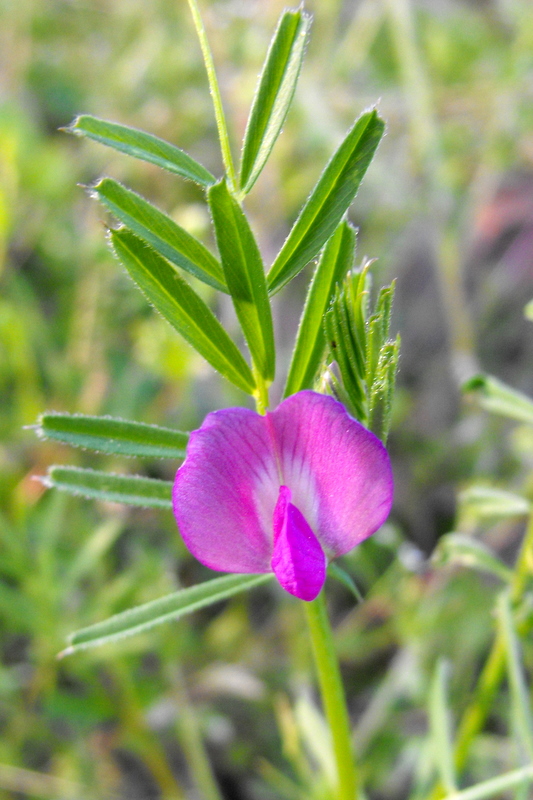
Fabaceae
Bean/Pea/Legume Family
Malvaaceae
Mallow family
many stamen fused into tube around pistil = monadelphous

Vitaceae
Grape family
woody vines, alternate leaves opposite from tendrils

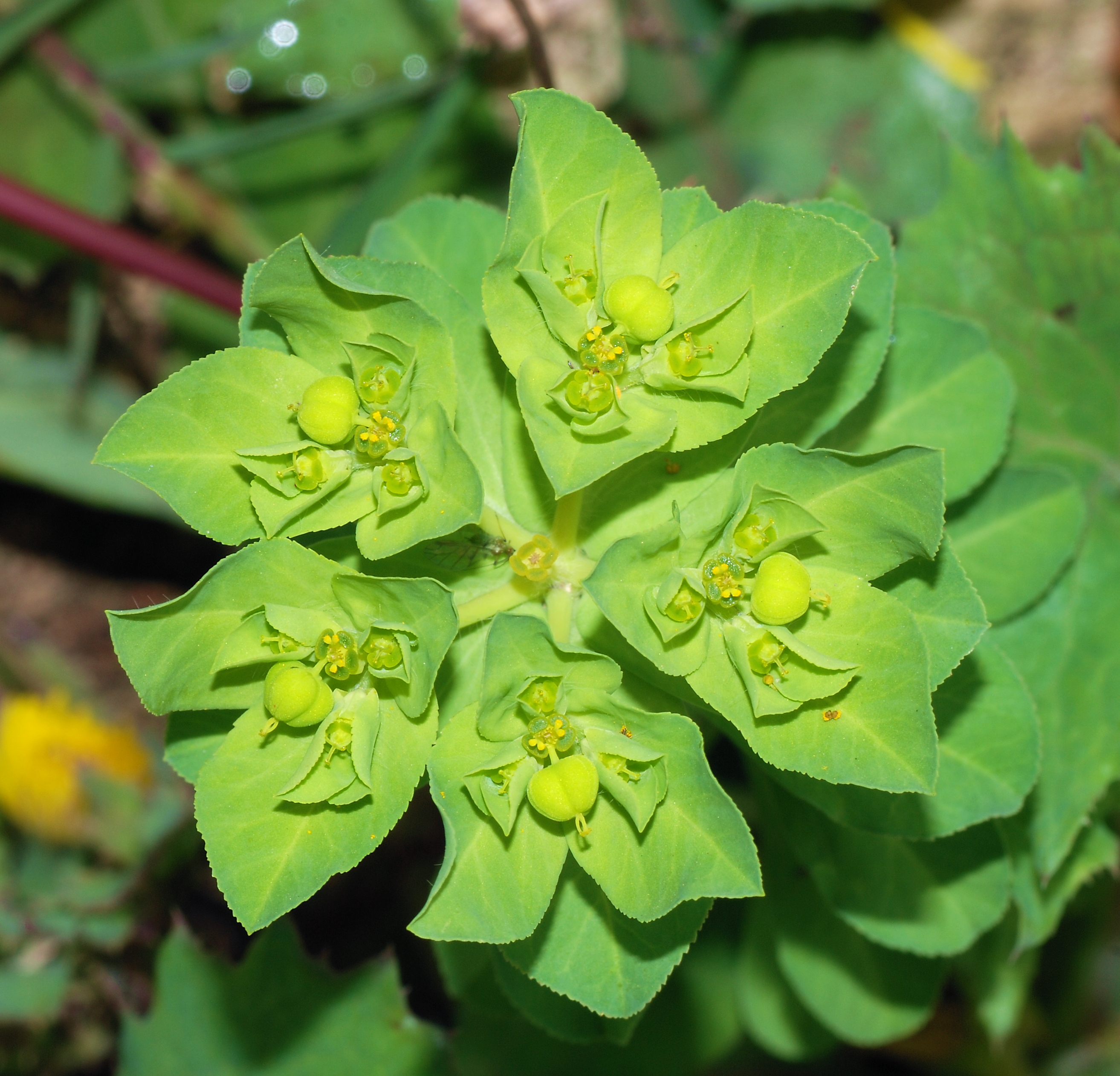
Euphorbiaceae
Spurge family
milky sap, colorful bracts
Curburbitaceae
Gourd/Squash/Cucumber family
5 fused petals in funnel shape
special fruit: pepo

Fagaceae
Beech/Oak family
hard-shelled nut enclosed in spiny or scaly involucre
wind-pollinated

Sapindaceae
Soapberry/Maple family
Fruits are samaras with one seed per locule

Juglandaceae
Walnut family
Dry drupes
Ulmaceae
Elm family
Oblique, asymmetrical leaf base
flowers small and greenish

Caryophyllaceae
Pink family
Swollen nodes
Five separate petals often formed as a claw with blade

Cactaceae
Cactus family
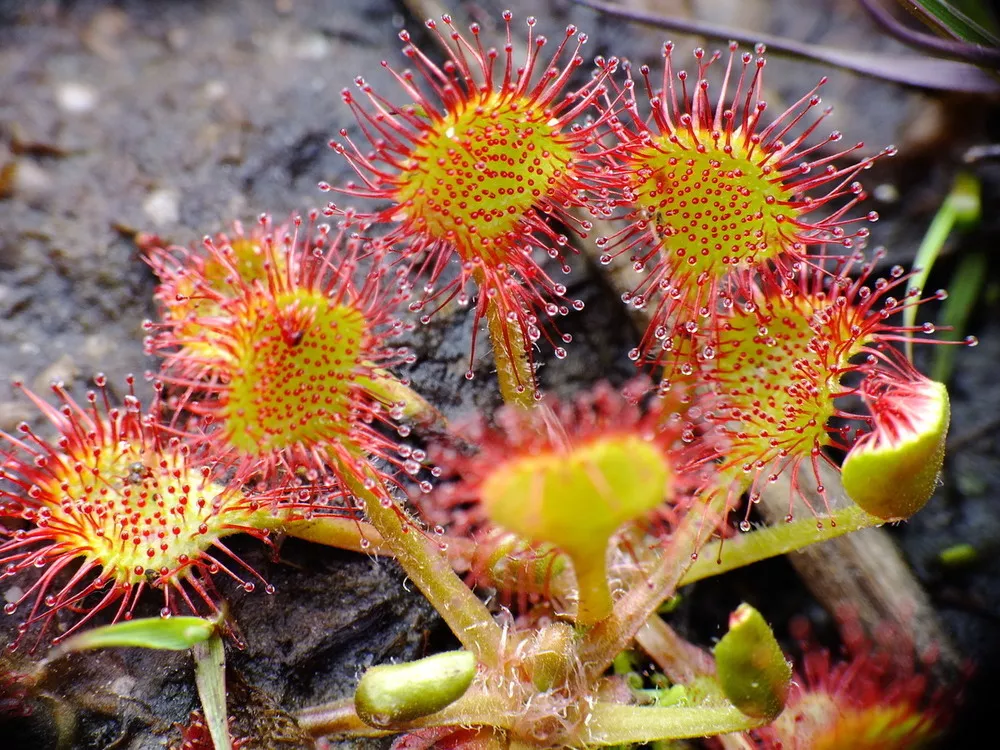
Droseraceae
sundew family
Specialized leaves with trichomes
flowers on a long peduncle = scape
Magnoliaceae
Magnolia family
flowers are solitary, large, and showy
numerous pistils spirally attached to receptacle
Nymphaeceae
Waterlily family
aquatic herbaceous plants, submersed rhizomes
Ranunculaceae
Buttercup family
3+ simple pistils with hooked tips

Berberidaceae
Barberry family
yellow wood
6+ petals, 6+ sepals, occurring in layers of 3