BOTANY 400 - Lab Exam 1
 Call Kai
 Learn
Learn Practice Test
 Spaced Repetition
 Match
Match Flashcards
 Knowt Play
1/145

Earn XP
Description and Tags
Name | Mastery | Learn | Test | Matching | Spaced | Call with Kai | Chat |
|---|
No analytics yet
Send a link to your students to track their progress
146 Terms
Flower Evolution
4 Layers/Whorls
Sepal (Calyx)
Petal (Corolla)
Stamen (Androecium)
Pistil/Carpel (Gynoecium)
Connation
Fusion of Floral Parts from the Same Whorl
Circle Number in Floral Formula
Adnation
Fusion of Floral Parts from Different Whorls
Line under Fused Parts in Floral Formula
Ovary Superior
Placement of Ovary above Attachment of Other Parts
Line Below G in Floral Formula
Flower is Hypogynous or Perigynous
Ovary Inferior
Placement of Ovary below Attachment of Other Parts
Line Above G in Floral Formula
Flower is Epigynous, Hypanthium often Present
Hypanthium
Floral Cup around Ovary
Adnation of Calyx, Corolla, & Androecium
Floral Formula: CA CO A G
Flower Hypogynous
Placement of Calyx, Corolla, & Androecium under Ovary
Ovary Superior
No Hypanthium
Flower Perigynous
Placement of Calyx, Corolla, & Androecium on rim of Hypanthium
Ovary Superior
Hypanthium Present
Flower Epigynous
Placement of Calyx, Corolla, & Androecium above Ovary
Ovary Inferior
Hypanthium often Present
Monocarpic Pistil
Single Pistil with Only One Carpel
Apocarpic Pistil
Multiple Pistil each with One Carpel
Syncarpic Pistil
Single Pistil with Multiple Fused Carpels
Inflorescence
Cluster of Flowers present in Most Angiosperms
Indeterminate Inflorescences
Inflorescences with the Youngest Flowers at the Top
Can Grow Indefinitely
Raceme (Base Form)
Panicle, Spike, Umbel, Head/Capitulum
Raceme
Indeterminate Inflorescence
Base Form
Youngest Flowers at the Top

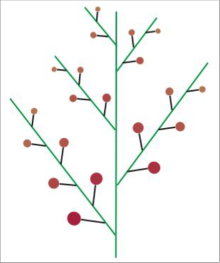
Panicle
Indeterminate Inflorescence
Compound Modification
Each Pedicel becomes Mini-Inflorescence
Youngest Branches at Top
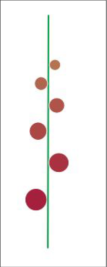
Spike
Indeterminate Inflorescence
Pedicel Loss
Usually Associated with Congested & Reduced Flowers
Often Linked to Wind Pollination
Umbel
Indeterminate Inflorescence
Internode Loss
Multiple Pedicels from One Node
Often Compounded
Youngest Flowers in Center

Capitulum
Indeterminate Inflorescence
Stem Axis forms Head
Closely Related to Umbel
Youngest Flowers in Center

Determinate Inflorescences
Inflorescences with the Oldest Flowers in the Middle & on Top
Can not Grow Indefinitely
Younger Flowers Branch Out
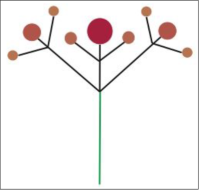
Dichasium (Base Form)
Cyme, Monochasium, Scirpoid
Dichasium
Determinate Inflorescence
Base Form
Oldest Flower in Middle and at Top of Stem
Younger Flowers Branch Out

Cyme
Determinate Inflorescence
Compound Modification
Each Pedicel becomes Mini-Inflorescence
Oldest Branch in Middle
Monochasium
Determinate Inflorescence
Reduction Modification
Loss of Pedicel on One Side
Inflorescence becomes Lopsided
Can be Further Compounded

Scirpoid
Determinate Inflorescence
Compound Modification of Monochasium
Inflorescence becomes Extra Lopsided

Fruit
Matured Ovary
May Contain Other Floral Parts
Found Only in Angiosperms
True Fruit
Fruit developed from the Ovary and its Contents Alone
Accessory Fruit
Fruit developed from the Ovary & Other Floral Parts
Simple Fruits
Formed from One Pistil of One Flower
May be True or Accessory Fruits
May be Dry or Fleshy
Most Fruits
Dry Fruits
Coat becomes Dry & Hard at Maturity
May be Dehiscent or Indehiscent
Type of Simple Fruit
Dehiscent Fruits
Coat opens by Definite Natural Means to shed Contained Seeds
Legumes, Follicles, & Capsules
Type of Dry Fruit
Type of Simple Fruit
Legume
Dehiscent, Dry, & Simple Fruit
Developed from One Carpel
Splits along Both Sutures
Examples: Beans & Peas

Examples of Legumes
Beans & Peas
Follicle
Dehiscent, Dry, & Simple Fruit
Developed from One Carpel
Splits along Only One Suture
Examples: Larkspur & Columbine

Examples of Follicles
Larkspur & Columbine
Capsule
Dehiscent, Dry, & Simple Fruit
Developed from Many Carpels
Opens in Many Different Ways
Types: Loculicidal Capsule, Septicidal Capsule, Silique, Silicle, Pyxis, Poricidal Capsule
Indehiscent Fruits
Do Not Open to shed Seeds
Achenes, Nuts, Samaras, Grains, & Schizocarp
Many One Seeded Fruits
Type of Dry Fruit
Type of Simple Fruit
Achene
Indehiscent, Dry, & Simple Fruit
One Seed
Small Size
Seed attached to Fruit Wall at Single Point
Examples: Buttercups, Dandelions, & Sunflowers

Examples of Achenes
Buttercups, Dandelions, & Sunflowers
Nut
Indehiscent, Dry, & Simple Fruit
One Seed
Seed attached to Thick & Hard Wall at Single Point
Examples: Beech, Chestnut, Oak, Hazel, Walnut, & Hickory
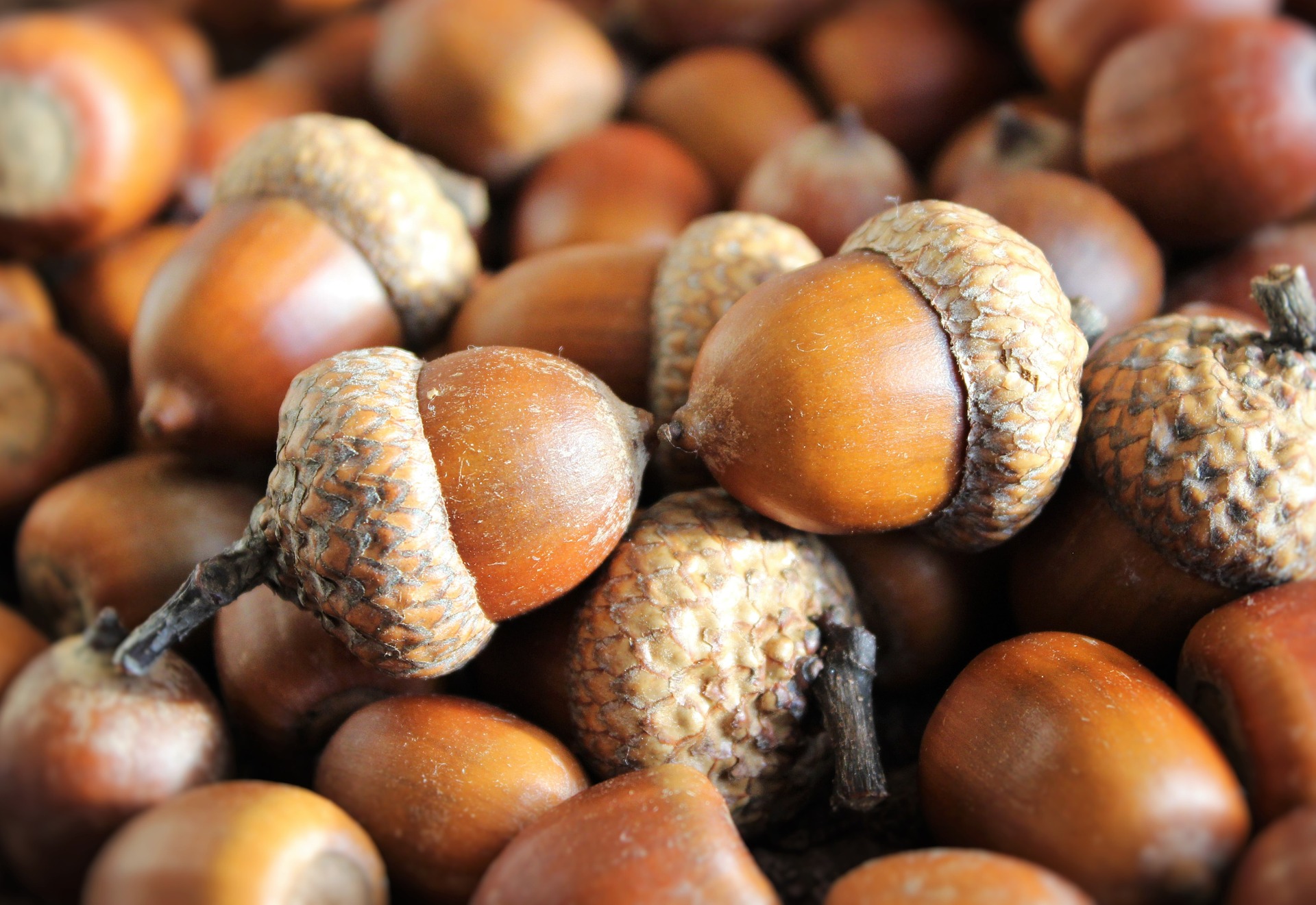
Examples of Nuts
Beech, Chestnut, Oak, Hazel, Walnut, & Hickory
Samara
Indehiscent, Dry, & Simple Fruit
One or Two Seed(s)
Part of Fruit Wall grows into Wing
Examples: Elm, Maple, & Ash

Examples of Samaras
Elm, Maple, & Ash
Grain/Caryopsis
Indehiscent, Dry, & Simple Fruit
One Seed
Seed Coat & Fruit Wall Fused
Examples: Wheat, Corn, & Grasses

Examples of Grains
Wheat, Corn, & All Grasses
Schizocarp
Indehiscent, Dry, & Simple Fruit
Formed from Several Carpels
Each Carpel encloses One Ovule
Splits into Separate One-Seeded Mericarps
Examples: Mallow, Wild Carrot, & Dill

Examples of Schizocarps
Mallow, Wild Carrot, & Dill
Fleshy Fruits
Wall becomes Soft & Fleshy at Maturity
Drupes, Berries, & Pomes
Type of Simple Fruit
Drupe
Fleshy & Simple Fruit
One Seed
Develops from Superior Ovary
Endocarp (Inner-Wall) becomes Hard & Stony “Pit”
Thin Skin (Exocarp) & Fleshy Mesocarp
Examples: Cherry, Peach, Olive, & Coconut

Examples of Drupes
Cherries, Peaches, Olives, & Coconuts
Berry
Fleshy & Simple Fruit
Develops from One Flower with Single Ovary
May have Many Seeds
Ovary Wall Fleshy, Enlarged, & Usually Juicy Throughout
Examples: Grape, Banana, Gooseberry
Special Varieties: Hesperidium & Pepo
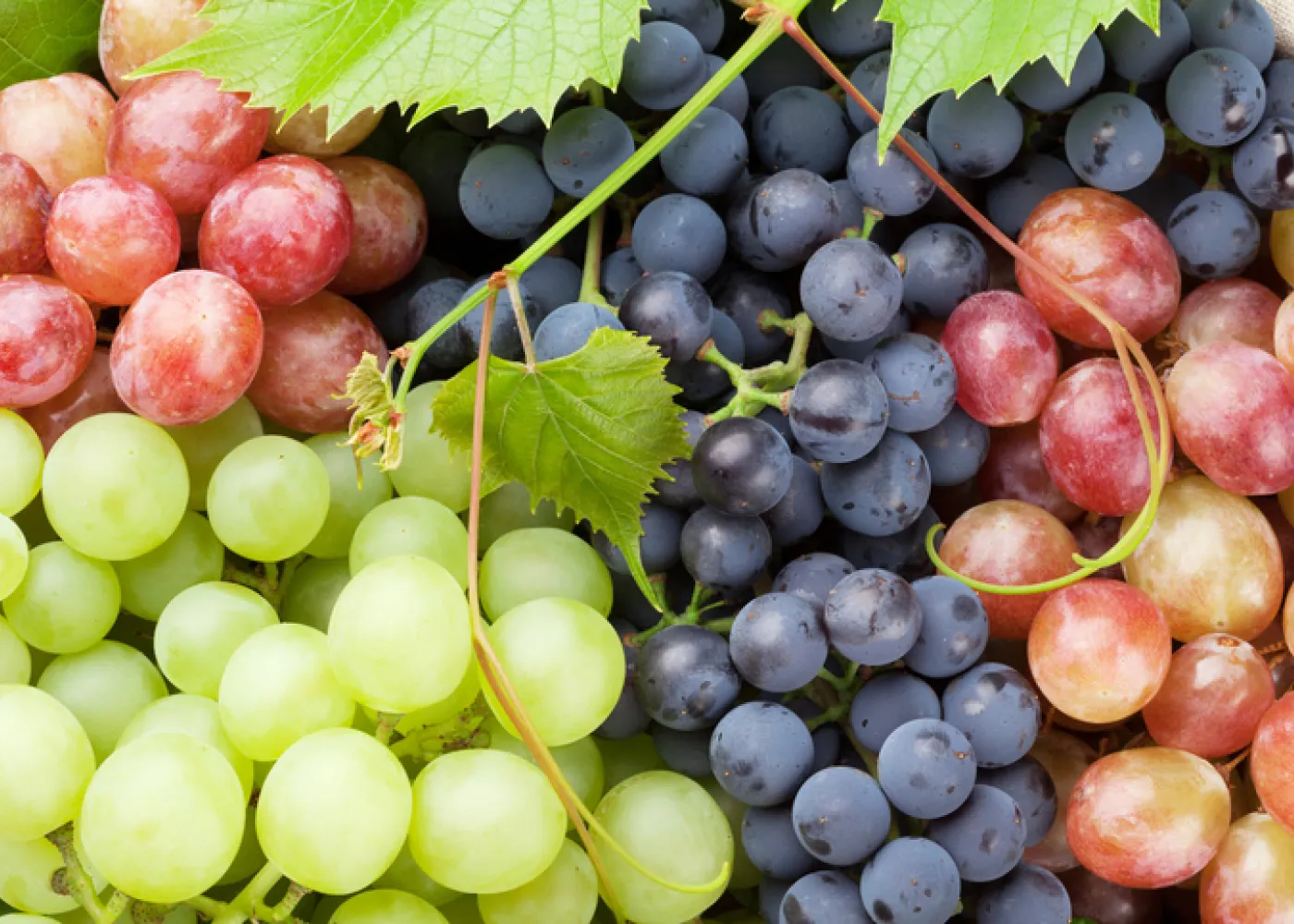
Examples of Berries
Grapes, Bananas, & Gooseberries
Hesperidium
Fleshy & Simple Fruit
Special Type of Berry
Leathery Rind
Interior Divided by Septa
Indicates Number of Carpels
Examples: Citrus Fruits like Lemons & Oranges
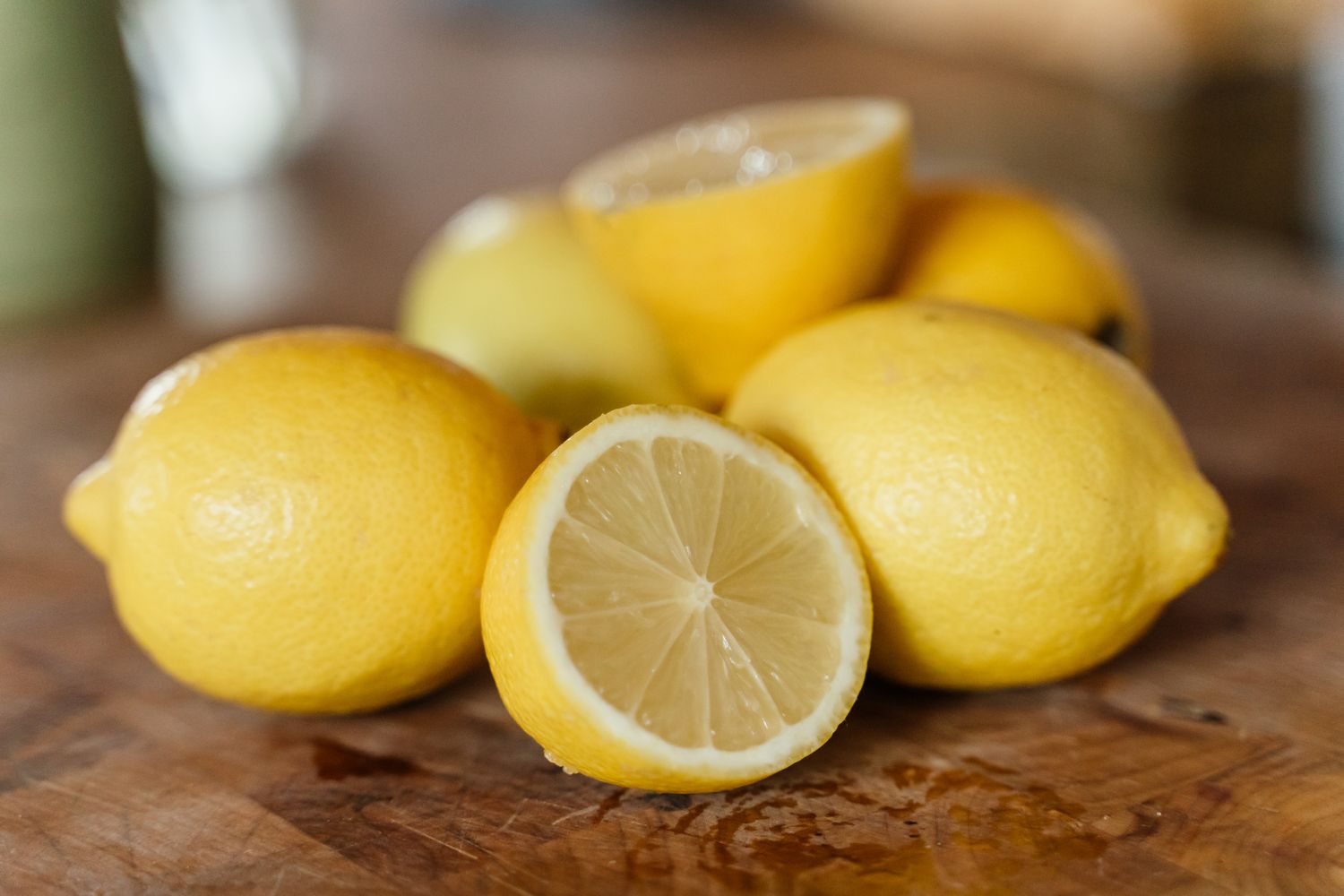
Examples of Hesperidiums
Citrus Fruits like Lemons & Oranges
Pepo
Fleshy & Simple Fruit
Special Type of Berry
Hard Rind
Interior Undivided
Examples: Watermelon, Gourds, & Squash

Examples of Pepos
Watermelon, Gourds, & Squash
Pome
Fleshy, Simple, & Accessory Fruit
Develops from Group of Carpels United
Carpels enclosed by Receptacle and/or Hypanthium
Examples: Apple, Pear, Hawthorn, & Mountain Ash

Examples of Pomes
Apples, Pears, Hawthorns, & Mountain Ash
Aggregate Fruits
Formed from Many Pistils of One Flower
May be True or Accessory Fruits
Individual Units may be Berries or Types of Simple Fruit
Examples: Raspberry, Blackberry, & Strawberry

Raspberries & Blackberries
Aggregate Fruit
Cluster of Tiny Drupes (Drupelets)

Strawberries
Accessory & Aggregate Fruit
Fleshy Part developed from Receptacle
Achenes on Outside are True Fruit
Multiple Fruit
Formed from Many Pistils from Multiple Flowers
Develops from Condensed Inflorescence
Often includes Accessory Parts
Examples: Pineapples, Figs, & Mulberries

Blade
The Main '“Leafy” Part of the Leaf
Petiole
The Stem of the Leaf
Stipules
Small Leaflike Appendages at the Base of the Petiole where the Leaf attaches to the Main Stem
Axillary Bud
Embryonic Shoot in the Leaf Axile between the Petiole & Stem
Midrib
The Main Central Vein of the Leaf continuing from the Petiole
Veins
Structures emerging from the Midrib that give the Leaf Structure
Leaf Base
Lower Part of the Leaf Blade connecting to the Petiole
Leaf Axil
The Upper Angle between the Petiole & Main Stem
Margin
The Edge of the Leaf Blade
Leaf Tip
The Terminal End of the Leaf Blade
Sessile
Term for a Leaf with No Petiole
Exstipulate
Term for a Leaf with No Stipules
Simple Leaf
A Leaf with Only One Leaf Blade
Compound Leaf
A Leaf with Multiple Leaf Blades called Leaflets
Leaflet
One of the Leaf Blades lacking an Axillary Bud in a Compound Leaf
Petiolule
The Stem attaching a Leaflet to the Petiole
Rachis
The Section of Petiole/Stem between Pairs of Leaflets
Unlobed
Type of Simple Leaf Shape

Pinnately Lobed
Type of Simple Leaf Shape

Palmately Lobed
Type of Simple Leaf Shape

Pinnate
Type of Compound Leaf Shape with Leaflets along the Sides

Palmate
Type of Compound Leaf Shape with Five Leaflets

Trifoliate
Type of Compound Leaf Shape with Three Leaflets

Alternate Leaf Arrangement
Arrangement of One Leaf per Node that changes which Side of Stem it’s on with Each Node

Opposite Leaf Arrangement
Arrangement of Two Leaves per Node that are on Each Side of Stem

Whorled Leaf Arrangement
Arrangement of Many Leaves per Node pointing in Every Direction

Opposite Woody Plants
Maple, Ash, Dogwood, Family Caprifoliaceae, & Horse Chestnut
Pinnate Venation
Venation with Single Midrib giving rise to Lateral Veins

Palmate Venation
Venation with Multiple Midribs dividing into Veinlets to create Reticulated Pattern

Parallel Venation
Venation with Veins running Parallel to Each Other within Leaf Blade

Blade/Base Shapes
Linear, Lanceolate, Oblong, Elliptical, Ovate, & Cordate
Linear
Blade Shape that’s Very Long & Narrow

Lanceolate
Blade Shape with Relatively Wider Base that Tapers to Narrow Tip

Oblong
Blade Shape that’s Long & Narrow with Nearly Parallel Sides

Elliptical
Blade Shape with Wide Middle & Rounded, Tapering Margins

Ovate
Blade Shape with Wide Base that Tapers to Narrower Tip

Cordate
Blade Shape with Wide & Notched Base that Curves Inward

Leaf Margin Types
Entire, Serrate, Sinuate, Dentate, Crenate, & Lobed
Entire Margin
Leaf Margin with Smooth Edge
