anatomy lab final exam
 Call Kai
 Learn
 Practice Test
 Spaced Repetition
 Match
 Flashcards
 Knowt Play
1/194

There's no tags or description
Looks like no tags are added yet.
195 Terms
what is the functional classification for neurons that carry information from peripheral receptors to the central nervous system
sensory
what do we call neuronal processes that carry receptors for neurotransmitters and that transmit membrane potentials toward the neuronal cell body?
dendrites

identify the indicated connective layer of a nerve
epineurium

identify the indicated part of a nerve
myelin sheath

identify the indicated structure of the brain
fornix

identify the indicated part of the brain
mammilary bodies

identify the indicated lobe of the brain
parietal lobe

identify the indicated love of the brain
frontal lobe

identify the indicated portion of the cerebellum
white matter

identify the indicated lobe of the cerebellum
posterior lobe
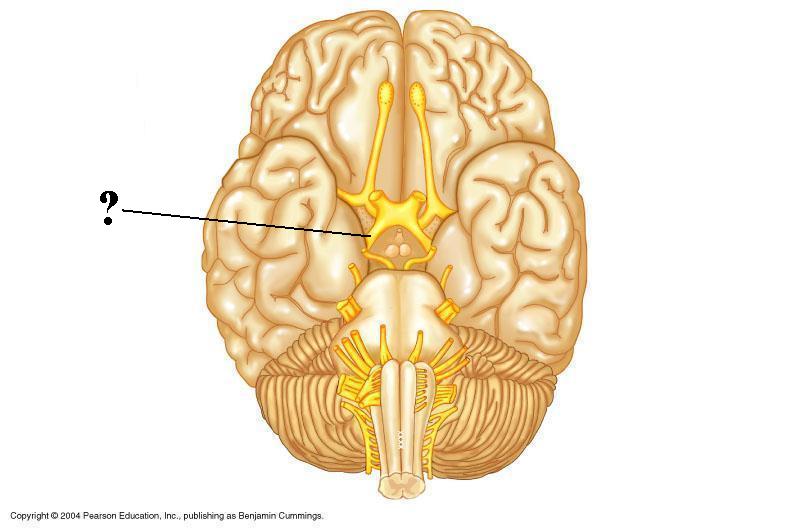
identify the indicated structure
optic tract

identify the cranial nerve
abducens
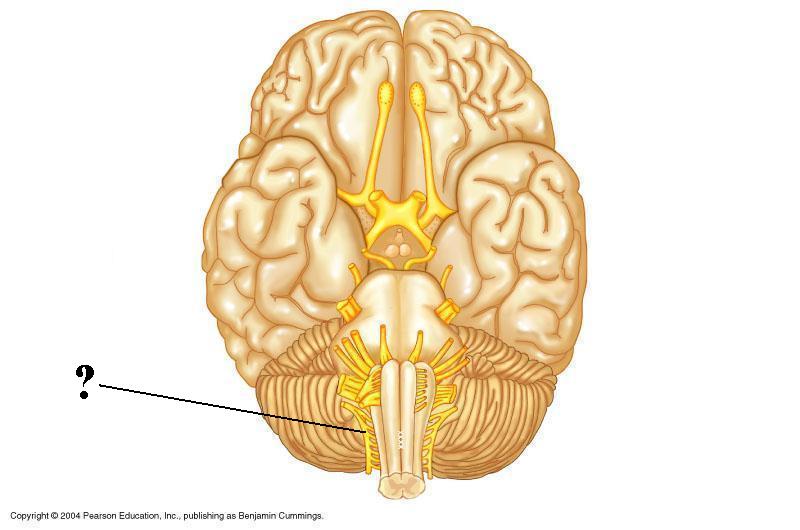
is the indicated cranial nerve sensory only, motor only, or both sensory and motor?
both

is the indicated cranial nerve sensory only, motor only, or both sensory and motor?
both

identify the indicated opening
interventricular foramen

identify the indicated space
cerebral aqueduct

identify the indicated space
superior sagittal sinus

identify the indicated part of the coverings of the brain
bone

identify the indicated groove
dorsal median sulcus

identify the indicated layer of the meninges
arachnoid mater

identify the indicated structure
conus medullaris

identify the indicated structure
filum terminale

identify the indicated structure
ciliary body

identify the indicated structure
macula lutea

identify the indicated opening
palpebral fissure

identify the indicated structure
lacrimal sac

identify the indicated structure
lacrimal canaliculus

identify the indicated structure
inferior rectus muscle

identify the indicated structure
inferior oblique muscle

identify the indicated layer of the retina
bipolar layer

identify the indicated layer of the retina
photoreceptor cell layer

identify the indicated structure
pinna

identify the indicated structure
incus

identify the indicated region
middle ear

identify the indicated region of the ear
outer ear

identify the indicated structures
semicircular canals

identify the indicated region
vestibule

what phenomenon does the indicated structure sense?
hearing

what phenomenon do the indicated structures sense?
static equilibrium

identify the indicated space
scala tympani

identify the indicated structure
tectorial membrane
what fluid fills the scala tympani
perilymph
what fluid fills the scala vestibuli
perilymph
the inability of the eye to focus well on close objects resulting from age related changes to the lens is called:
presbyopia
normal vision is called:
emmetropia
which cranial nerve supplies the superior oblique muscle of the eye?
trochlear
which cranial nerve supplies the medial rectus muscle of the eye?
occulomotor
which of the three tunics (layers) does the ciliary body belong to?
vascular
to which portion of the ear (outer, middle, inner) does the malleus belong?
middle ear
with which sense (hearing, static equilibrium, dynamic equilibrium) is the saccule associated?
static equilibrium
the term “axillary” refers to which region of the body
armpit
the fingers are to the wrist
distal
the little finger is to the thumb
medial
You are examining a microscope slide under the 40X objective lens and you switch to the 10X objective lens. The field of view will:
increase
If you are using an objective lens with a power of 40X and ocular lenses with a power of 10X, the total magnification of the specimen will be ____X.
400

identify the indicated part of the microscope
coarse adjustment knob
Given the following physiological requirements at a particular location within the body, name the specific tissue type that would most likely be found there:
Transport across this surface must occur through simple diffusion
simple squamous epithelium
Name the criteria by which connective tissues are classified
matrix composition, protein fiber type, arrangement of protein fibers, cell type
What do we call an epithelial tissue that is many cell layers thick and is composed of flattened cells?
stratified squamous epithelial tissue
What primary type of tissue consists of one or more cell types embedded within a non-living matrix?
connective

identify the indicated tissue
dense irregular connective tissue

identify the indicated structure of the epidermis
melanocyte

identify the indicated layer of thick skin
stratum corneum

identify the indicated structure of the integument
dermal papilla
What mebranous vesicles contain acid hydrolases and serve to digest worn-out organelles and foreign substances that enter the cell?
lysozomes

identify the indicated cellular organelle
nucleus

identify the indicated phase of mitosis
telophase
A site for muscle or ligament attachment that consists of a sharp, slender, often pointed projection is a:
spine

Identify the indicated structure within compact bone.
perforating canal

Identify the indicated bone marking (projection).
mastoid process

identify the indicated bone
navicular

what portion of this bone is indicated by the yellow area
ilium

identify the structure
iliofemoral ligament
what functional type of articulation is a symphysis
amphiarthrosis
What is the name of the type of synovial joint that has no rotational movement, but only gliding movement between flat or slightly curved bones?
plane joint

identify the indicated structure
muscle fiber
A bundle of skeletal muscle cells within a skeletal muscle is called:
fascicle
Define "insertion" as it applies to skeletal muscles.
moveable site of attachment
Which of the seven criteria used for naming a muscle applies to the brachioradialis muscle?
location of origin and insertion
Name one action of the infraspinatus muscle.
lateral rotation of the arm at the shoulder
Name one insertion of the tibialis anterior muscle.
medial cuneiform bone
Name one origin of the trapezius muscle.
occipital bone

identify the indicated muscle
digastric

identify the indicated muscle
levator scapulae

identify the indicated muscle
extensor carpi radialis longus
You locate a muscle on the proximal and lateral (thumb) side of the forearm. This muscle is adjacent to the V-shaped gap at the bend of the elbow, wrapping around the forearm from the posterior side to the lateral side of the wrist. The muscle you have located is the:
brachialis

Identify the indicated muscle.
vastus medialis

identify the indicated muscle
extensor digitorum longus
what do we call neuronal processes that transmit membrane potentials away from the neuronal cell body?
axon
what are clusters of neuronal cell bodies in the central nervous system called?
nuclei

identify the indicated connective layer of a nerve
perineurium

identify the indicated part of a nerve
axon

identify the indicated space of the brain
third ventricle

identify the indicated structure of the brain
pons
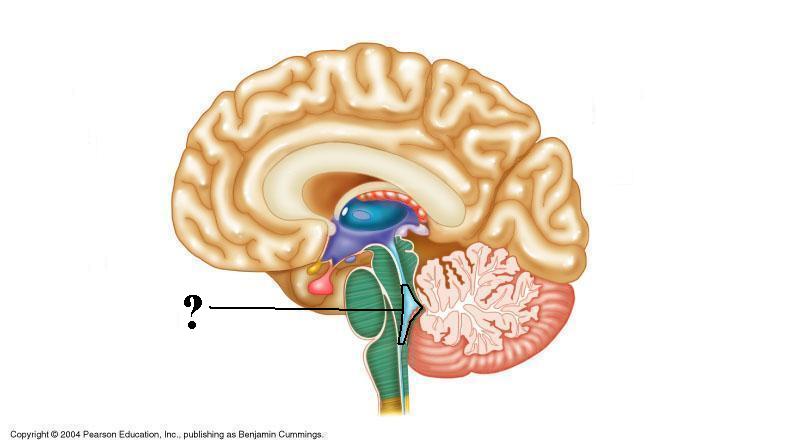
identify the indicated space of the brain
fourth ventricle

identify the indicated structure of the brain
cerebellum

identify the indicated portion of the cerebellum
cerebellar cortex

identify the indicated groove of the cerebellum
horizontal fissure

identify the indicated cranial nerve
glossopharyngeal

identify the indicated structure
olfactory bulb