Mircobiology: Virus 2, lecture 9
 Call Kai
 Learn
Learn Practice Test
 Spaced Repetition
 Match
Match Flashcards
 Knowt Play
1/12

There's no tags or description
Looks like no tags are added yet.
Name | Mastery | Learn | Test | Matching | Spaced | Call with Kai | Chat |
|---|
No analytics yet
Send a link to your students to track their progress
13 Terms
Bacteriophages: Lytic vs lysogenic cycle
Lytic infection causes lysis(rupture of host cell)
Lysogeny, phage genome integrates in host cell allowing it to replicate the prophage(integrated phage genome) as the cell divides, humans can go through both

Antigenic drift
lack of proofreading leads to accumulation of random mutations to viruses with mutant proteins are no longer recognized by host

Antigenic shift
segments from different strains reassort by coinfection of a host cell

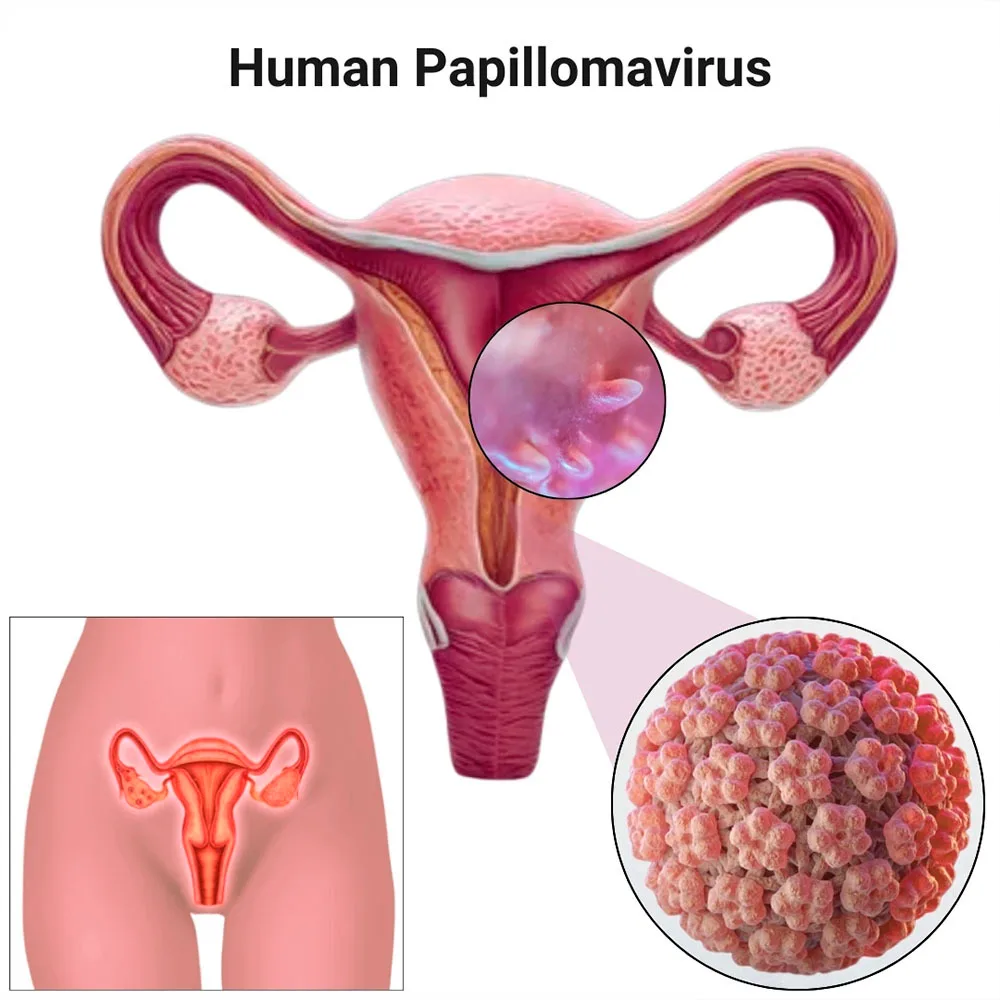
Virus can lead to HPV(cancer)
A DNA virus may cause cancer by disrupting host cell growth regulation
Virus are difficult to treat with antivirals
combination therapy treating different steps, consistent adherence is essential to prevent resistance, prevention and vaccination is much more effective

Viruses can be beneficial
leftover viral protein repurposed, viruses can be engineered as tools to deliver genes or other genetic material into cell, bacteriophages can potentially be used to treat bacterial infections

Fungal cell wall
Contain chitin

Chitin and Ergosterol
Anti-fungal targets

yeast
single-celled fungi, reproduction

Filamentous fungi(multicellular)
Fungi(hyphae) extend and form branches, form mycelium(mold) network

Fungal spores
different than endospores, reproductive structure produced by many fungi that can spread through air, water, and contact, highly resistant to environment condtions, can cause allergic reactions

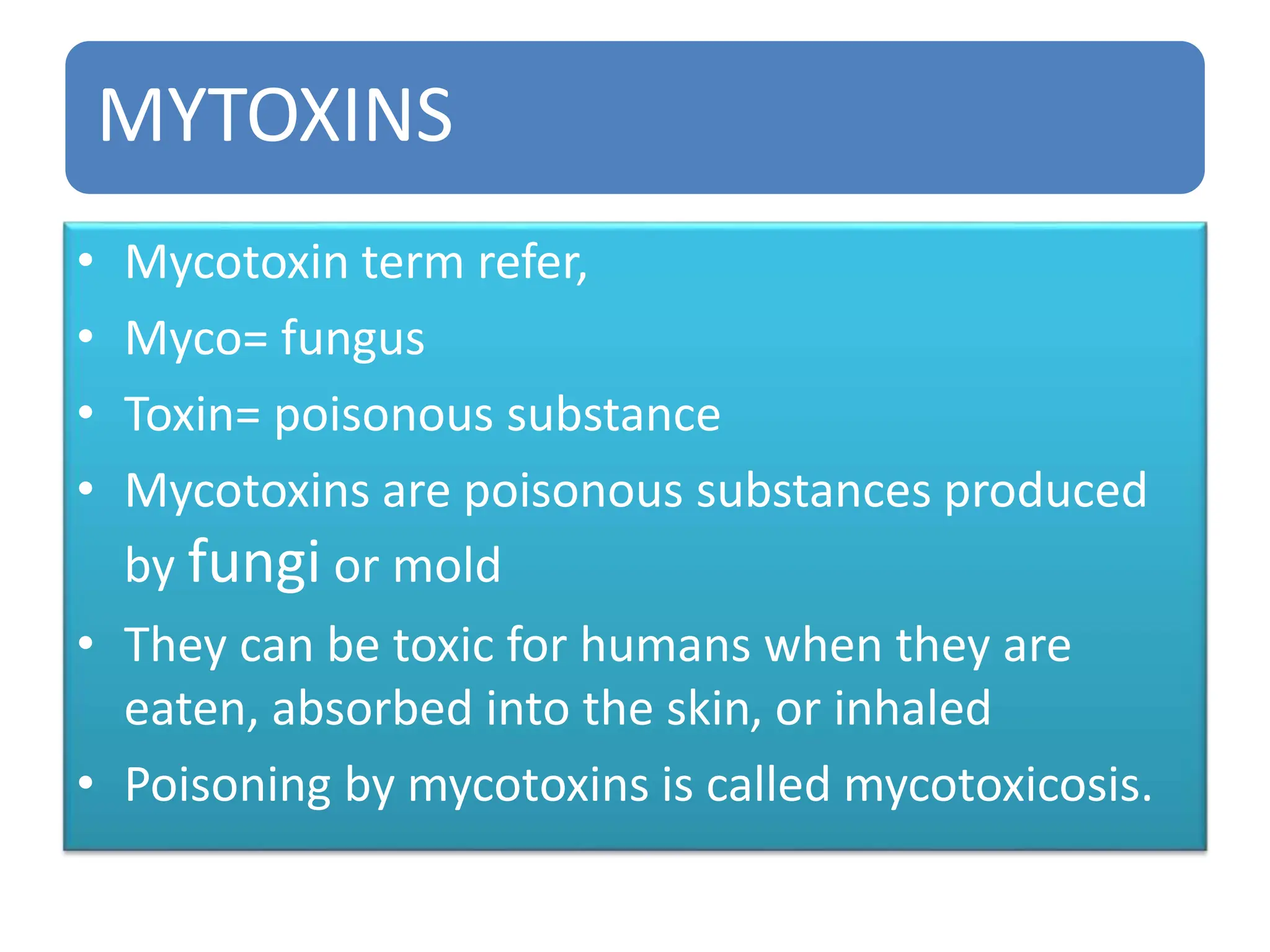
Mycotoxins
Toxic chemicals produced by certain fungi, expose can cause anything from acute to long term organ damage, depending on toxin and dose, they can remain in food even after fungus itself is no longer visible
Fungus can be beneficial too
-break down organic matter
-essential for fermented food, beer, bread, cheese
-important drugs like penicillin
-produce enzymes, pharmaceuticals, and other useful products
