c61 - lecture 7
 Call Kai
 Learn
 Practice Test
 Spaced Repetition
 Match
 Flashcards
 Knowt Play
1/74

There's no tags or description
Looks like no tags are added yet.
75 Terms
ecological networks
species represented as nodes,
food webs
food based interaction webs
hostparasite web
negative interactions between parasites and hosts
herbivory networks
grazers and resources
mutualistic web
interactions based on benefits
network topology
pattern of interactions
what kinds of interactions can webs have
trophic (vertical) and nontrophic (horizonal)
two important plant animal mutualisms
pollination and seed dispersal
what do thicker lines represent in webs
indicates strength of interactions
3 properties of mutualistic webs
connectance, nestedness and modularity
what does high connectance mean
high amount of links out of total links
what does high nestedness mean
where lots of cores (generalistis) interact with other species (specialists)
what kind of pattern is seen in ant-plant networks, pollination and seed dispersal and marine cleaning networks
nonrandom patterns
how can mutualisms predict community structure
mutualisms can help predict interactions and which organisms can coexist
what are the 3 kinds of mutualistic
random, compartmentalized (modulated) and nested
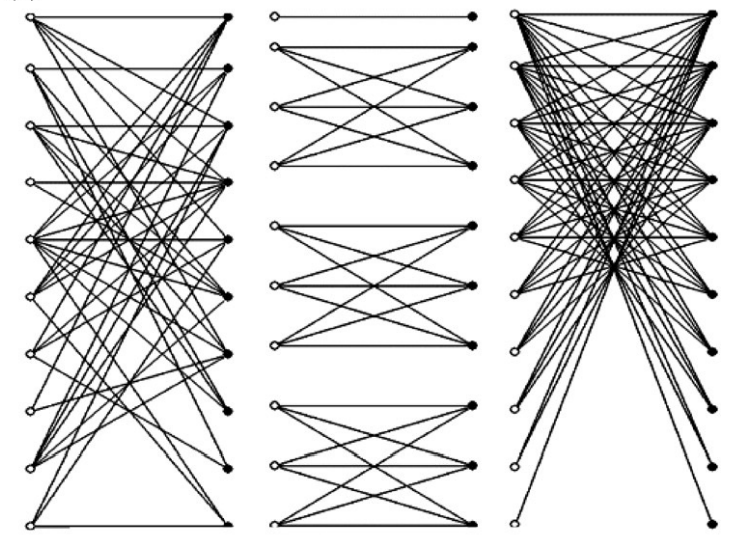
name the network
random, compartimentalized and nested
how doe smutualism help with community stability
mutualism increases nestedness and connectance which leads to stability
how does trophic networks increase stability
more modularity means more options less fragile
two types of trophic structures
food chains and food webs
difference between chain and web
chains focus on one trophic level and webs are all trophic levels
what is a food chain
transfer of energy and biomass through trophic levels
what level are parasites considered in a food chain
secondary or tertiary
what is a trophic level
number of feeding steps from autotrophs
what do food webs not include
strength of interaction, no detritovores, symbionts or non-trophic interactions
what are connectedness webs
also known as structural webs, shows all trophic interactions but not strength
how are consumers shown in connectedness webs
higher trophic levels are identified by species or guild and lower are categorized by functional groups

what is this an example of
connectedness web
why are lower lvels harder to be resolved in connectedness webs
too many, hard to quantify the trophic relationship and hard to identify at species levels
what are green food webs
in connectedness webs and show basal trophic levels as autotrophs
what are brown food webs
in connectedness webs and show basal trophic level as detritus
which connectedness food web is faster
green is faster than brown
importance of green and brown food webs
often found in all communities and used to stabilize communities
structural properties of connectedness webs
generality and vulnerability
what are energy flow webs
energy moving between species in web and its importance on community dynamics
cons of energy flow webs
not all communities fit this

what food web is this
energy flow webs
what is a trophic period
amounts of energy or biomass at each trophic level
differences between terrestrial and aquatic ecosystems
terrestrial are normal pyramids and aquatic are inverted
when are inverted biomass pyramids common
when productivity is generally low like the ocean
what are functional webs
focuses on the strength of interactions
how do we know the strength of functional webs
removal experiences
why might weak interactions be overrepresented in nature in functional webs
because they are fundamental in stabilizing food webs but they may not be super strong
what is parasitism
interaction where one organism consumes not the whole other organism, can in inside or outside host
what are pathogens
parasites that can cause diseases
what is parasitoids
acts like parasites but eventually kills host
where is most of the worlds biodiversity
bacteria, viruses fungi and other symbiotic organisms
why are parasites not normally included in webs
cryptic, hard to ID, can be complex and impacts cannot be measured
what are the differences between direct and indirect effects
direct are interactions and indirect effects are intermediaries
what are indirect effects
density mediated effects and trait mediated effects
what are the seven important indirect effects
exploitative competition, apparent competition, trophic cascades, keystone predation, indirect mutualism, indirect commensalism and habitat facilitation

what is this model
keystone predation
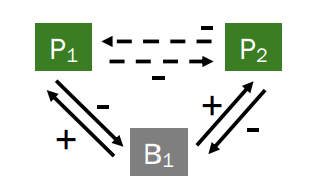
what is this model
exploitation competition

what is this model
apparent competition

what is this model
indirect mutualism

what is this model
indirect commensalism

what is this model
habitat facilitation

what is this model
trophic cascade
would culling cape fur seals increase hake harvest
no due to indirect effects as seals can eat other hake predators
what is a trophic cascade
the rate at which consumption at one trophic level results in changes to the lower leve
what happened when sea stars were removed
barnacles dominanted until mussels and eventually algae then primary consumers disappeared, they were keystone predators
what is trophic facilitation
consumers can indirectly help interactions between prey and other species
what are competitive networks
interactions among multiple species that interact negatively
what are competitive hierarchies
one species dominates interactions
what is an example of a competitive network
no species dominate due to indirect effects
what is an example of competitive hierarchies
asymmetrical competition or ammensalisms
what are dominant species
has large effects on community as it is abundant and high in biomass
example of dominant species
deers, heavily graze when there are no wolves
what are keystone species
species that disproportionally affect communities
what is an example of a keystone species
sea otters, hippos and beavers
what are ecosystem engineers
actively shape their physical environmental for habitats
what are examples of ecosystem engineers
beavers and hippos
what are foundational species
they provide structural habitat for others
what are examples of foundational species
sea otters, trees, coral reefs
what is a critisim with role terms
species are not always providing the same roles in all communities