BIO201 Unit 2
 Call Kai
 Learn
 Practice Test
 Spaced Repetition
 Match
 Flashcards
 Knowt Play
1/92

Earn XP
Description and Tags
Articulations in skeletal system
93 Terms
What are the joints by function? (movement)
Diarthrosis
amphiarthosis
Synarthrosis
What are the joints by structure?
Fibrous
cartilaginous
bony
synovial
What joint is freely moveable?
Diarthrosis
(like when you die and become a ghost)
What joint is slightly moveable?
Amphiarthrosis
(like amphibian frog can only jump not walk)
What joint is little or no movement?
Synarthrosis
(S for solid)
what makes a joint fibrous?
collagen fibers in space in between bone
What makes a joint cartilaginous?
bones bound by cartilage
what makes a joint bony?
fused by osseous tissue
What are the names for types of fibrous joints?
sutures, gomphoses, syndesmoses
What are the names for types of cartilaginous joints?
Synchondroses, symphyses
What are the names for types of bony joints
Synostoses (like bony toes)
What are the types of sutures in fibrous joints
serrate, lap, plane
What are key points in fibrous joint sutures?
immoveable
bind bones of the skull
What are key points of serrate sutures?
interlocking wavy lines, like bread knife
comparable to dovetail wood joint
What are key points of lap sutures?
beveled angled edge, like lap dance
comparable to miter wood joint
What are key points of Plane sutures?
straight direct contact edge, like butt crack
comparable to butt wood joint
What are key points of Gomphoses?
gomp gomp like chomp chomp
collagen fibers as a fibrous periodontal ligament hold tooth in socket
What are key points of syndesmoses?
bones connected with ligament in interosseus membrane
most moveable
What bones have syndesmoses fibrous joint?
radius and ulna
tibia and fibula
what are key points of synchondroses?
bones joined by hyaline cartilage
What bones have synchondrosis cartilaginous joint?
Ribs attachment to the sternum
epiphyseal plate in children
What are key points of symphysis cartilaginous joint?
bones joined by fibrocartilage; provide strength and flexibility
What bones have symphyses?
intervertebral discs and pubic(genital) symphysis.
What are key points of synostoses bony joints?
two seperate bones fused by osseous tissue
occurs with age
What types of bones have synostoses
left and right mandible from birth
left and right frontal bones from birth
epiphysis and diaphysis of long bones (growth plates)
What are key points of synovial joints
most common
bones separated by space (joint)
most are freely moveable
What is the anatomy of a synovial joint?
Fibrous capsule surround the entire outside of joint
synovial fluid fills joint space
hyaline/articular cartalige at end of bones
what is the fibrous capsule
lines with synovial membrane
merges to become periosteum
What is the synovial fluid of a joint
slippery fluid
rich in albumin and hyaluronic acid
What is the hyaline/articular cartilage?
covers in between joint surfaces on end of bones
What is a meniscus?
pad of fibrocartalige, absorbs shock, evenly distributes force and guides movement,
What is a tendon?
muscle to bone
what is a ligament
bone to bone
what kind of tissue are ligaments and tendons?
dense connective tissue to provides strength and support.
What are tendon sheaths?
cylinders of connective tissue, lined with synovial membrane, wrapped around tendons
what is the bursa?
saclike extension of the joint capsule
allows to slide over rough surfaces
What are factors in ROM and joint stability
varies across different joints, determined by structure of articular surfaces and strenght and tautness of ligaments and tendons
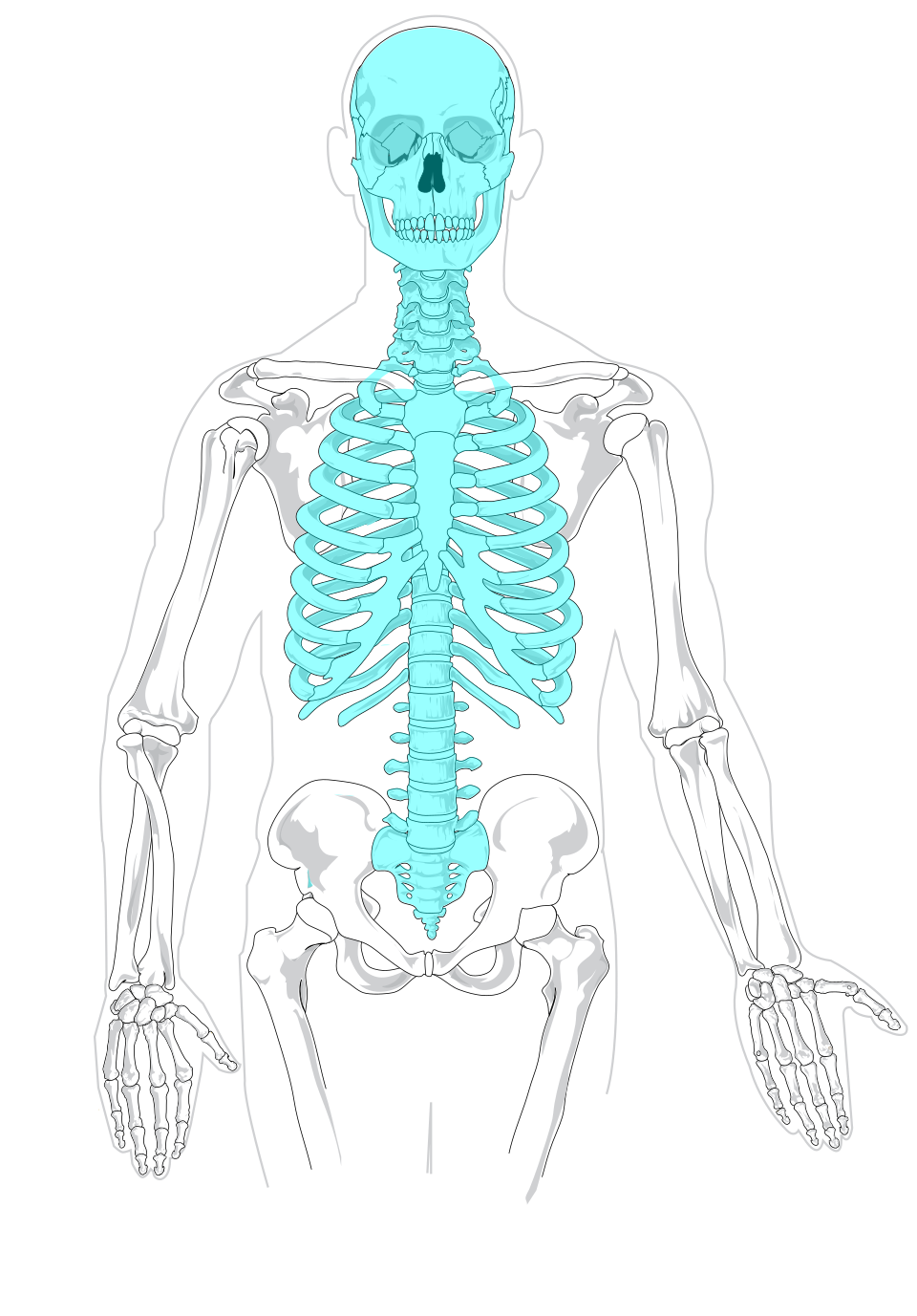
What is the axial skeleton?
vertical axis of body
skull, vertabral column, thoracic cage
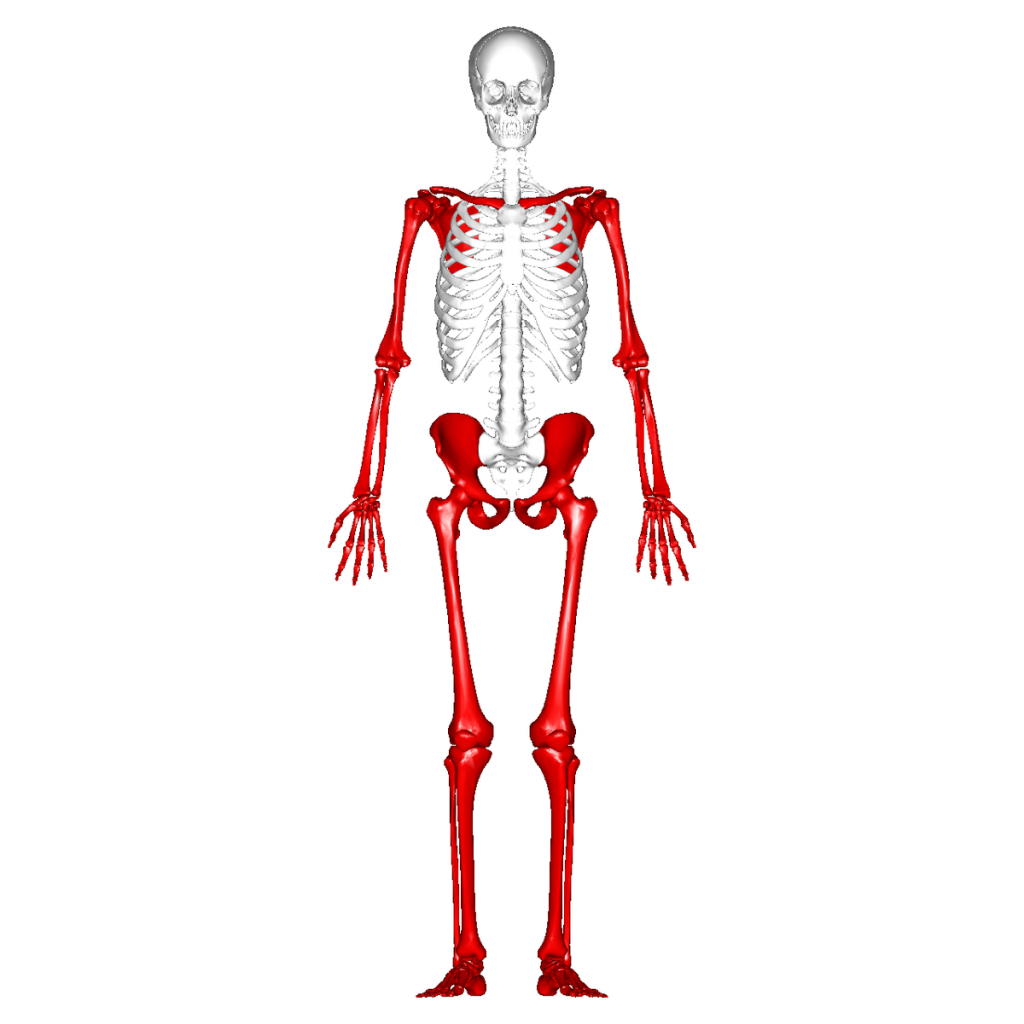
What is the appendicular skeleton?
appendages
shoulder, upper limbs, pelvic, lower limbs
How many bones at birth?
270
how many bones in adult?
206
how many bones in skull?
22
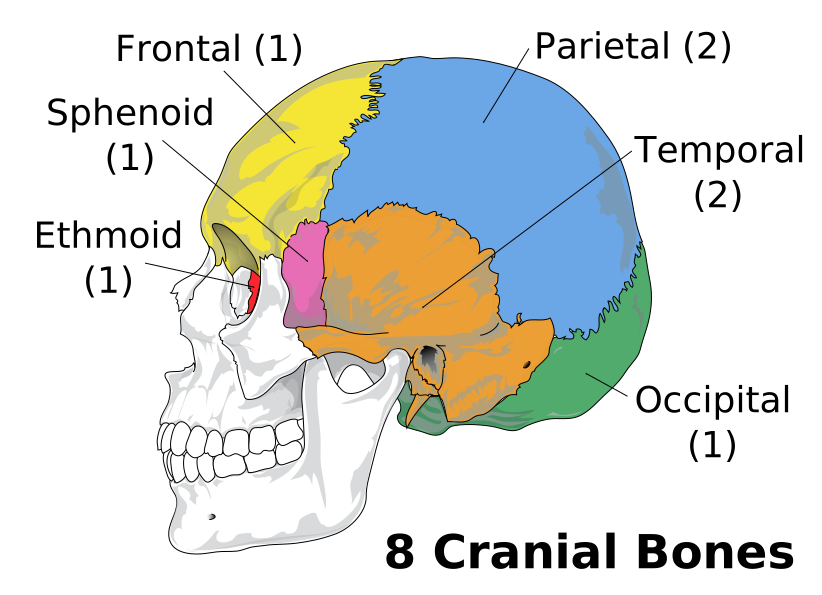
what is the purpose of cranial bones?
Surround cranial cavity protecting the brain and supporting the face.
how many bones have contact with meninges
8
what is meninges?
three layers of protective membrane for brain and spinal cord
how many facial bones?
14
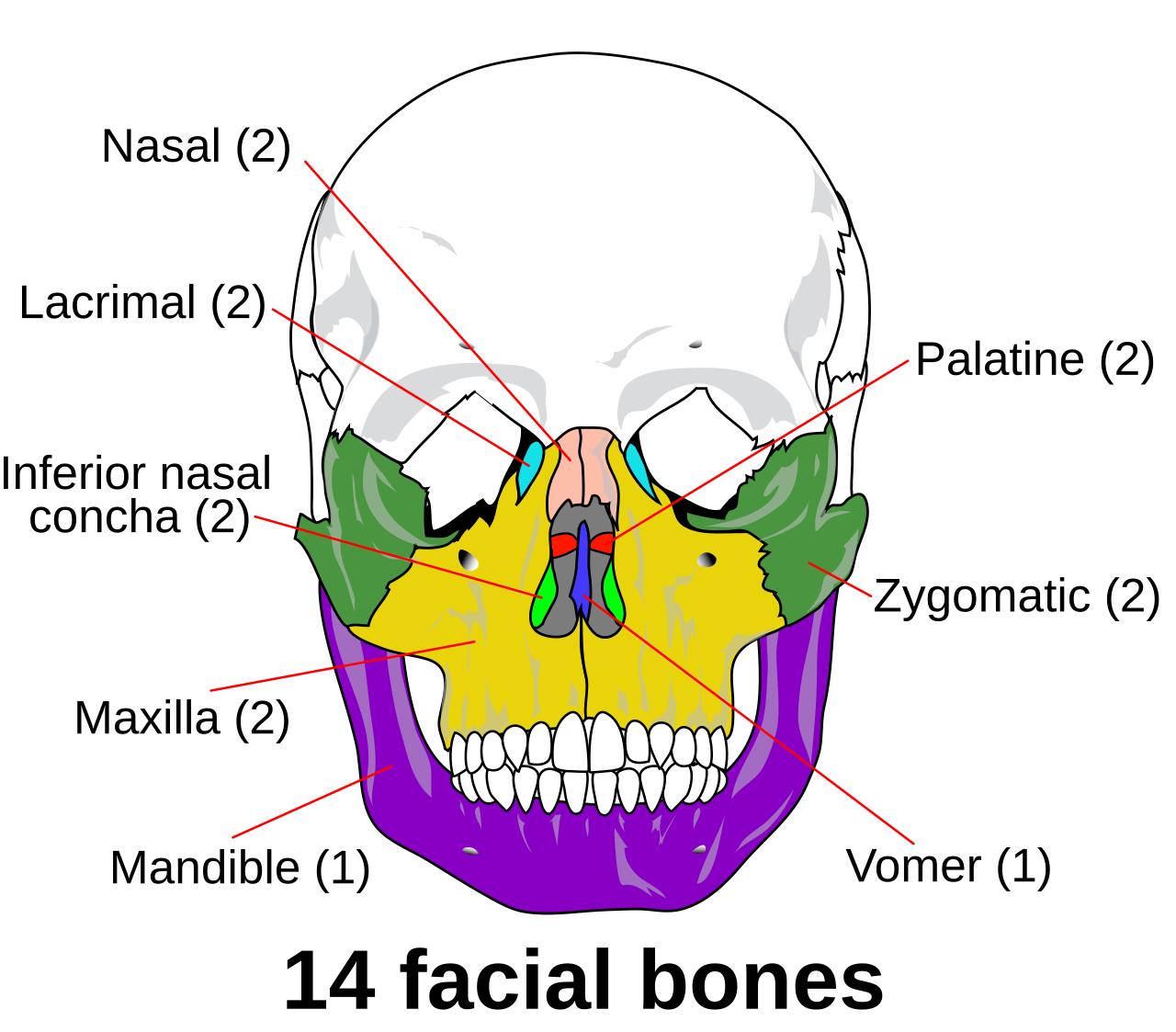
what is purpose of facial bones?
support teeth, form nasal cavity, and eyes orbit
no direct contact with brain/meninges
what are the vertebral groups?
cervical, thoracic, lumbar, sacral, coccygeal
how many many vertebrae in cervical group?
7
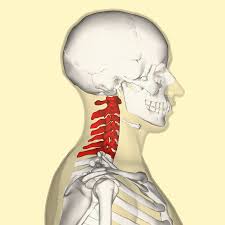
how many many vertebrae in thoracic group?
12
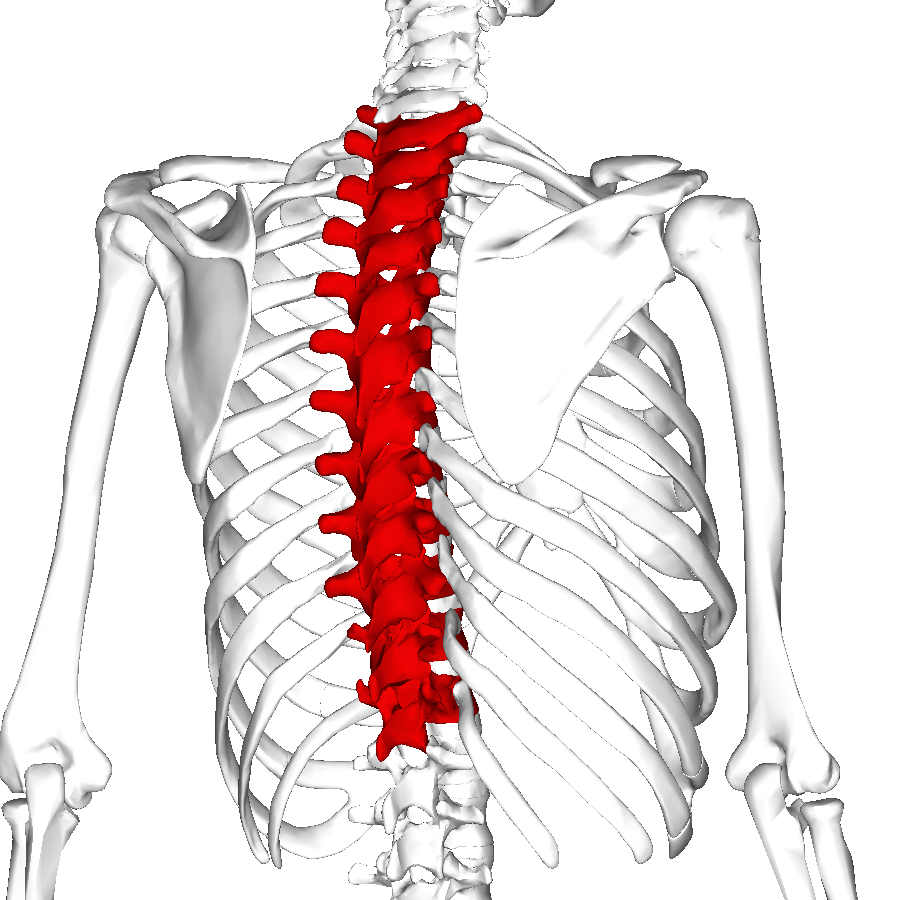
how many many vertebrae in lumbar group?
5
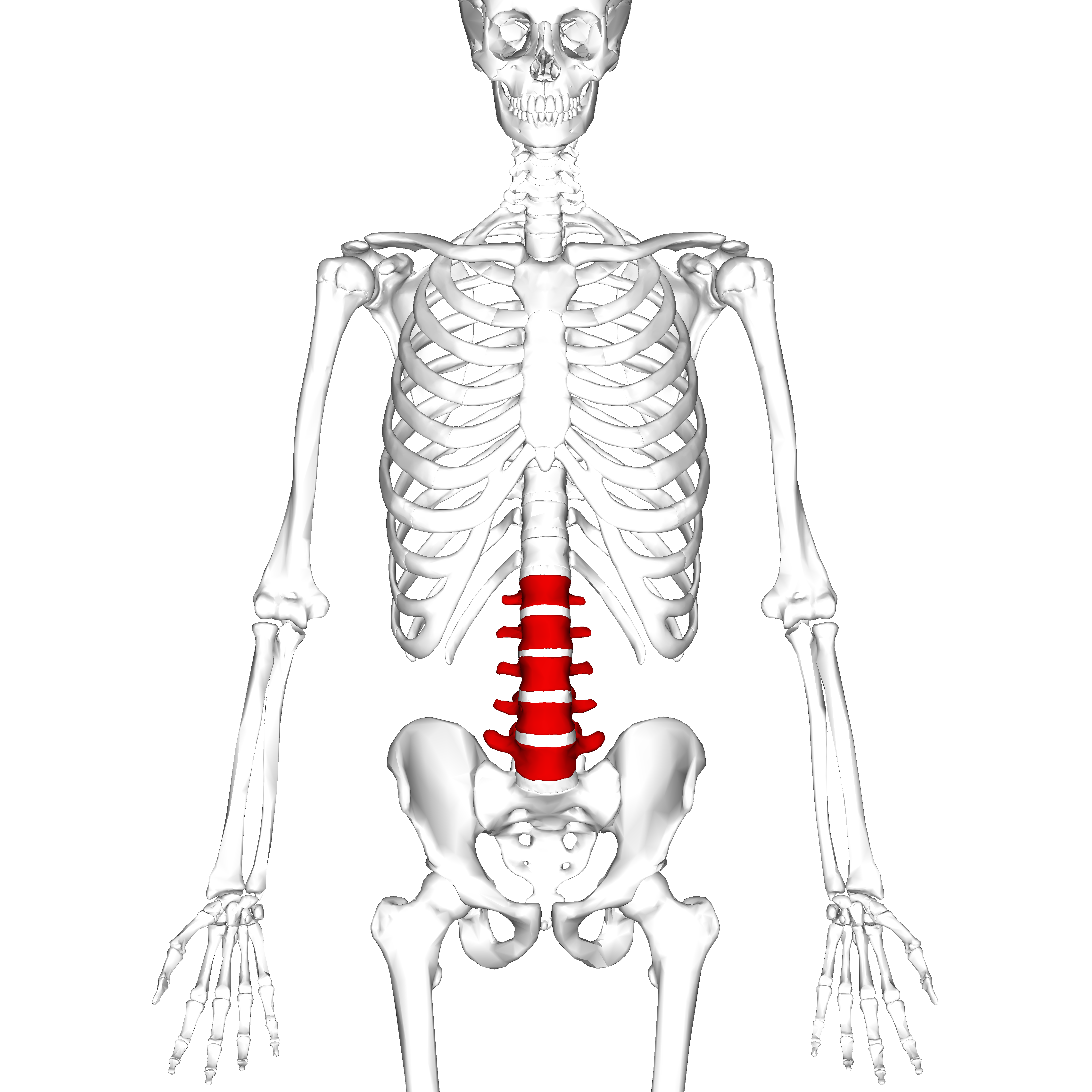
how many many vertebrae in sacral group?
5
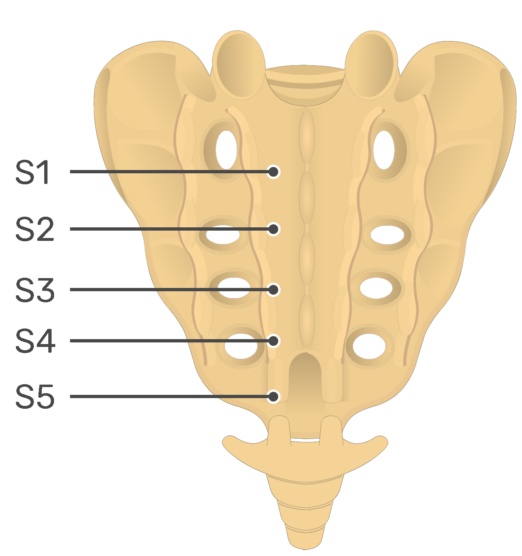
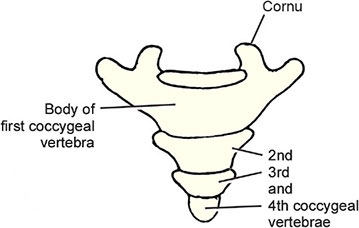
how many many vertebrae in coccygeal group?
4
what is the primary curvature
Kyphosis - C shape
what is the secondary curvature
lordosis - S shape
what vertebral columns have kyphosis
thoracic and coccyx
what vertebral columns have lordosis
cervical and lumbar
what are the parts of bone?
bone tissue, marrow, cartilage, periosteum
what are the parts of bone tissue?
connective tissue, calcium phosphate, dynamic tissue
what are flat bones?
skull, scapula
what is the structure of a flat bone?
internal and external have compact bone
middle layer has spongy bone
there is no marrow cavity
examples of long bones
femur, humerus, radius, ulna
What is the structure of a long bone
Diaphysis(body), metaphysis(tranisition, Epiphysis(ends), periosteum (CT around bone), sharpey’s fibers (connect periosteum to bone), endosteum, Articular cartilage, compact bone, spongy bone, medullary cavity (contains yellow/red marrow & nutrient foremina)
What is the diaphysis
compact bone (with thin inner spongy bone collar)
What is the medullary cavity
marrow cavity, lined with endosteum(layer of osteogenic cells)
What is the epiphyses
ends of bone. made up of spongy bone with thin outer compact bone cover. enlarged for stability and attach tendons & muscles
what is the articular cartilage
covering joint surface with synovial fluid to reduce friction.
What is the periosteum
covering bone, outer fibrous collagen fibers, turns to tendons, inter osteogenic layer (growth & healing), epiphyseal plate/line
epiphyseal plate vs line
plate = growth plate
line = hard line (no more growth)
what is the inner osteogenic layer?
important for growth and healing
What are osteogenic cells
inner lining of endosteum and periosteum
active stem cells, differentiate to osteoblasts
what are osteoblasts
b for build bone. form and mineralize the matrix, then crystalize matrix of alkaline phosphatase into hydroxyapatite
osteocytes
bone cells trapped into lacunae connected with gap junction signals to osteoclasts and osteoblasts about mechanical stress
osteoclasts
C for cleanup cells. develop in bone marrow, fusion of stem cells. live in resorption bay and break down bone with acid phospate
What is the osseous tissue matrix
The connective tissue framework of bone, composed of 1/3 organic components such as collagen and 2/3 inorganic mineral salts like calcium, providing strength and structure.
osseous tissue minerals resist _____
compression
osseous tissue collagen resists _____
tension
how do bones adapt?
in osseous tissue matrix various mineral and collage proportions to match tension and compression
what is organic matter in osseous tissue matrix
collagen, glycosaminoglycans, proteoglycans, glycoproteins
what is inorganic matter in osseous tissue matrix
hydroxyapatite, crystalized calcium, calcium carbonate, other minerals (flouride, sulfate, potassium, magnesium)
What are the parts of compact bone?
Osteon, perforating canals, concentric lamellae, circumferential lamellae, interstitial lamaellae
what is the osteon?
cylinder struction running parallel with diaphysis. Layers (lamellae) of matrix, cytoplasmic extensions connect osteocytes to communicate via canaliculi (channels)
what is the lamellae built of?
Collagen fibers
What are perforating canels
perpendicular (volkman) canales to connect central canals
what are concentric lamellae
“conceded lamellae”
circles one central canal
what are circumferential lamellae
“circumference”
circles groups of oseton
What is intersitial lamellae
inter = between
lamellae found between osteons, left over remnants of old osteons.
what is spongy bone
spongebob looking bone, trabeculae, red bone marrow, few/no osteon, lightweight+strength
what is bone marrow
medullary cavity in long bones, spaces of spongey bonecontaining stem cells that produce blood cells
what is red marrow
in children, thick like blood, reticular fiber, produce blood cells
what is yellow marrow
in adults, fatty marrow
what is gelatinous marrow
in old age, yellow marrow becomes reddish jelly