Unit 3. MANAGEMENT PLANNING
 Call Kai
 Learn
 Practice Test
 Spaced Repetition
 Match
 Flashcards
 Knowt Play
1/69

There's no tags or description
Looks like no tags are added yet.
70 Terms
planning
process of formulating objectives and determining the steps which will be employed in obtaining them
developing a pathway to accomplish the organization’s mission and goal using resources and time
deciding in advance what is to be done
provides direction
strengthen confidence in understanding where the organization is heading and how best the organization move along the chosen path
analyze alternative course of action
analyze alternative course of action
reduces uncertainties
encourages managers to probe and cut-through complexities of the environment and to take control over the elements of changed
WHERE ARE WE TODAY?
WHERE ARE WE GOING?
WHERE DO WE WANT TO GO?
HOW ARE WE GOING TO GET THERE?
CONCEPT OF PLANNING
Identify what the organization wants to do: (4)
WHERE ARE WE TODAY?
CONCEPT OF PLANNING:
begin with honest and realistic appraisal of the current position of the organization
determine which opportunity to pursue
WHERE ARE WE GOING?
WHERE DO WE WANT TO GO?
CONCEPT OF PLANNING:
vision and mission statements, goals and objectives
basis where the organization is going
HOW ARE WE GOING TO GET THERE?
CONCEPT OF PLANNING:
provides how goals should be attained and how resources are allocated
Plan
predetermined course of action intended to facilitate the accomplishment of task, work or mission
mission
statement of the organization’s reason for being
final and ultimate goal
defines the organization’s purpose
vision
internal document, by design
non-specific directional and motivational guidance for the entire business
what will the business be like in five yeas’ time
intended to inspire those within the organization to maximize their potential, and by so doing, to maximize the potential of the organization as a whole
objectives
goals through which an organization aims (mission) to achieve ahould be quantifiable statements which are achievable over a designated period of time
goals
specific statement of anticipated result
end or an outcome that one hopes to attain
strategies
general program of action implying commitment of emphasis and resources to attain broad objectives
means to a defined end or an action taken to reach a goal
Policies
general statements which guide or channel thinking and action in decision-making
procedures
establishes a required method of handling future activities
rules
required actions chosen from among alternatives
programs
complex of goals, policies, procedures, task assignment, steps to be taken, resources to be employed necessary to carry out a give coarse of action
Budget / Numerical Program
statements of expected results expressed in numerical terms
Short Range or Tactical Plan
Operational Plan
Strategic Plan
3 Types of Plan
Short Range or Tactical Plan
consists of the detailed, day-to-day operations needed to meet the immediate needs of the laboratory and works toward meeting the long-term strategic goals that have been set
covers a 1-5 year period
focuses on tasks that can be completed in this time frame
methods for achieving goals identified in the strategic planning process
operational;
technical;
supervisory staff
Short Range or Tactical Plan requires _________ or _________skill and is generally a logical responsibility of the __________________
Operational Plan
3 Types of Plan:
covers maybe a year or one budget period
mostly concerns operation
Strategic Plan
3 Types of Plan:
process by which high level decisions are made
deciding on the objectives of the organization and the need to modify existing objectives if appropriate; allocating resources to attain these objectives; and establishing policies that govern the acquisition, use, and disposition of these resources
based on long-term projections and a global view that can have an impact on all levels of a laboratory’s operations
tactical and operational
Strategic Plan involves _________ and __________ plan as well as forming alliances and partnerships with key players
Strategic Plan
3 Types of Plan:
methodical process whereby an organization defines its mission, identifies directions, develops a unified approach, prioritizes longand short-term goals, assigns accountabilities, and allocates financial resources
develop an action-oriented approach and identify the pieces needed to build a successful laboratory operation
“Good strategic planning is a structured process”
Successful strategic planning requires preplanning, organization, welldefined goals, communication, and a firm belief in what is to be accomplished
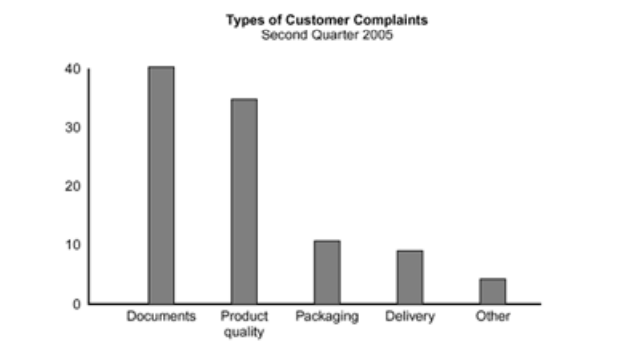
Histograms/Graphs/Scattergrams
Brainstorming
Fishbone Diagrams
Storyboarding
Pareto Analyses
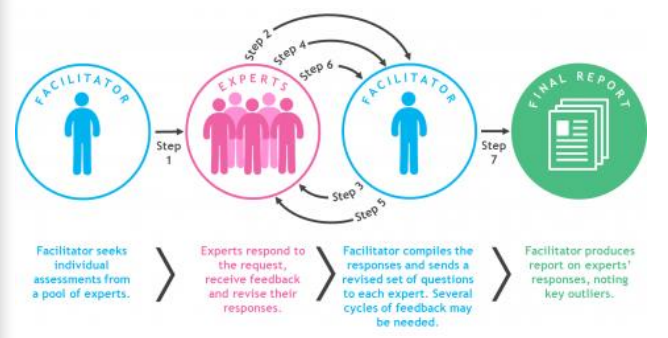
Delphi Analyses
6 Techniques used to facilitate the strategic planning process:
Histograms/Graphs/Scattergrams
6 Techniques used to facilitate the strategic planning process:
What they are:
Statistical and visual tools that display data patterns and relationships.
Purpose / Use:
Analyze trends, variations, and relationships
Support evidence-based decision-making
Identify problem areas and priorities
Used for:
Performance analysis
Quality improvement
Monitoring outputs and outcomes
Brainstorming
6 Techniques used to facilitate the strategic planning process:
What it is:
A group creativity technique where ideas are freely generated without immediate evaluation.
Purpose / Use:
Encourage innovation
Generate multiple solutions to a problem
Used for:
Strategy formulation
Problem-solving
Idea generation
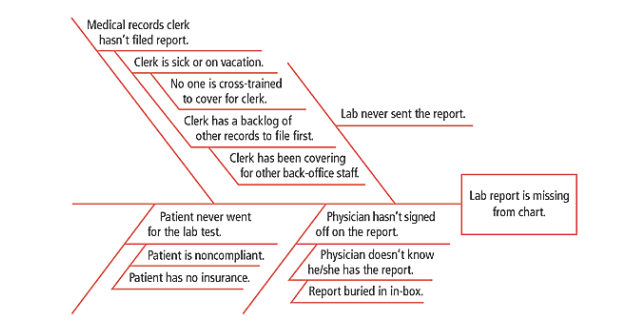
Fishbone Diagram
6 Techniques used to facilitate the strategic planning process:
What it is:
A visual tool that identifies possible causes of a problem, arranged like a fish skeleton.
Purpose / Use:
Determine root causes of problems
Organize contributing factors
Used for:
Quality management
Process improvement
Problem analysis
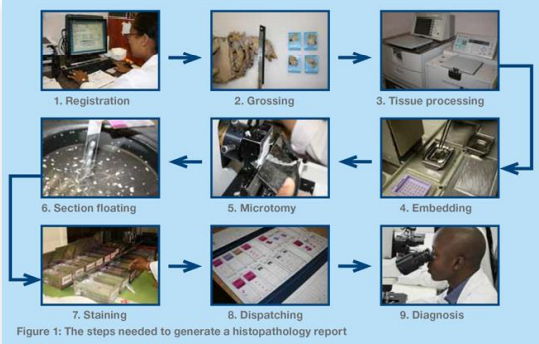
Storyboarding
6 Techniques used to facilitate the strategic planning process:
What it is:
A visual planning technique using pictures, notes, or diagrams arranged in sequence.
Purpose / Use:
Present ideas logically
Visualize strategy development step-by-step
Used for:
Strategic planning sessions
Process mapping
Project planning
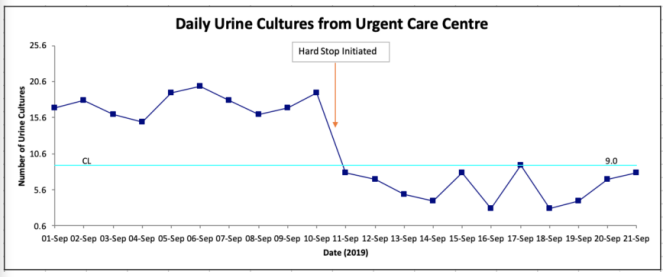
Pareto Analysis
6 Techniques used to facilitate the strategic planning process:
What it is:
A decision-making technique based on the 80/20 principle—80% of problems come from 20% of causes.
Purpose / Use:
Identify the most significant factors affecting outcomes
Focus resources on critical issues
Used for:
Priority setting
Resource allocation
Quality improvement
Delphi Analysis
6 Techniques used to facilitate the strategic planning process:
What it is:
A structured method of gathering expert opinions through repeated rounds of anonymous questionnaires.
Purpose / Use:
Achieve consensus among experts
Forecast trends and future scenarios
Used for:
Strategic forecasting
Policy development
Long-term planning
SWOT Analysis
useful tool for guiding a marketing strategy and can be used in developing such a program
Strengths & Weaknesses
SWOT Analysis:
environmental factors internal to the laboratory
Opportunities & Threats
SWOT Analysis:
external environmental factors
Strengths
SWOT Analysis:
characteristics the business or project team that give it an advantage over others
Weaknesses
SWOT Analysis:
Limitations
characteristic that place the team at a disadvantage relative to others
Opportunities
SWOT Analysis:
external chances to improve performance in the environment
Threats
SWOT Analysis:
external elements in the environment that could cause troble for the business or project
Statement of Objectives/Goals
Planning Process:
Where we want to be and what we want to accomplish and when
goal
should be broad
allow all employees to work toward a common result
Objectives
written to achieve specific tasks
task to achieve goals
focused on achieving goals
written using action verbs
evaluated against specific and specified numerical criteria should be SMART
Consider planning premises
Planning Process:
In what environment (internal or external) will are plans work?
Identify alternatives
Planning Process:
What is the most promising alternatives to accomplish our objectives?
Compare alternatives in light of goals sought
which alternative will give us the best chance of meeting our goals at the lowest cost and highest profit
Choose an alternative
Planning Process:
Selecting the course of action the organization pursue
Formulate Supporting Plans
Planning Process:
Buy equipment and materials
Hire and train workers
Develop a new method
Numberized plans by making budget
Planning Process:
Volume and price of test
Operating expenses necessary for the plan
Expenditures for capital equipment
Opportunity awareness or Statement of the Problems/Needs
Statement of Objectives/Goals
Consider planning premises
Identify alternatives
Choose an alternative
Formulate Supporting Plans
Numberized plans by making budget
Planning Process (7) Steps
operational data;
goals
There must be balance between the sum of the organizational circumstances (________________) and the ends towards which the efforts are directed (_____) .
identification of goals;
methods for their accomplishments
Both strategic (_________________) and tactical (_________________________)
Past Experience
Essential Factors in Laboratory Planning (Operational Data):
organization’s awareness based upon the prior observations and participation of its members
Uses the laboratory’s previous observations, performance data, and staff experiences as a planning guide.
Market Potential
Essential Factors in Laboratory Planning (Operational Data):
known or estimated expenditures for given service in a given locale or as projections of these expenditures contingent upon specific plans and anticipated developments
The total current and projected spending for laboratory services in a specific area, based on existing demand and future developments.
Competition
Essential Factors in Laboratory Planning (Operational Data):
analysis of most market potential areas will usually disclose a relatively consistent set of competitive forces
Analysis of other laboratories or healthcare facilities offering similar services within the same market.
Hospital/Laboratory Relations
Essential Factors in Laboratory Planning (Operational Data):
difficulties and problems that result between those responsible for providing laboratory services and those accountable for administering overall hospital policy
The working relationship between laboratory management and hospital administration.
Regulatory and Accrediting Forces
Essential Factors in Laboratory Planning (Operational Data):
regulations and performance standard bodies
Government regulations and accrediting bodies that set standards for laboratory operations.
Laboratory Trends
Essential Factors in Laboratory Planning (Operational Data):
series of events constituting a pattern that suggests both origin and probabilities for continuation
Patterns in laboratory technology, methods, workload, and service delivery that indicate future direction.
Medical Trends
Essential Factors in Laboratory Planning (Operational Data):
pattern of test requests that is useful indicator of the relative value with which the physician perceives the wide range of laboratory services
Patterns in physicians’ test requests that reflect how valuable or relevant laboratory services are perceived.
Socio-political Trends
Essential Factors in Laboratory Planning (Operational Data):
events which affect hospital laboratory operation
includes legislation of unions, equal job opportunity
External social and political events that affect laboratory operations.
Past Experience
Market Potential
Competition
Hospital/Laboratory Relations
Laboratory Trends
Medical Trends
Socio-political Trends
8 Essential Factors in Laboratory Planning (Operational Data)
Late submission of results/reports
Idle machines
Overworked and underworked staff
Skilled workers doing unskilled work
Quarrelling, bickering, buck-passing and confusion
INDICATORS OF POOR PLANNING
Peter Drucker (1954);
Practice of Management
Management by Objectives came from _________________________ in his book _________________________
Management by Objectives (MBO)
management model that aims to improve performance of an organization by clearly defining objectives that are agreed to by both manager and employees
having a say in goal setting and action plans should ensure better participation and commitment among employees as well as alignment of objectives across the organization
every employee has a set of objectives to achieve, which together with all other employees in the organization will pull the enterprise toward its overall objectives
management information system
A key tenet of MBO is the establishment of a ___________________________ to measure actual performance and achievements against defined objectives
Management by Objectives (MBO)
Major benefit: improves employee motivation and commitment and ensures better communication between manager and employees
Objectives are determined with the employees and are challenging but achievable
daily feedback;
rather
in MBO, there is _______________ and the focus is on rewards ________ than punishments
Personal growth and development
_____________________________ are emphasized rather than negativity for failing to reach the objective