anatomy exam 3
 Call Kai
 Learn
 Practice Test
 Spaced Repetition
 Match
 Flashcards
 Knowt Play
1/87

There's no tags or description
Looks like no tags are added yet.
88 Terms
Sensible perspiration
Noticeable sweating produced by sweat glands.
Insensible perspiration
Continuous, unnoticed evaporation of water through the skin.
Merocrine (eccrine) glands
Found over most of the body. 分布在身体大部分区域。
Produce watery sweat to cool the body. 分泌水状汗液,帮助身体降温。
Apocrine glands
Found mainly in the armpits and pubic regions. 主要分布在腋下和阴部。
Produce thicker secretions. 分泌较浓稠的液体。
Burns
Damage the protective skin barrier. 破坏皮肤的保护屏障。
Increase water loss through the skin. 导致皮肤水分流失增加。
Thick Skin
5 layers(5层)
Found on palms and soles Has stratum lucidum No hair follicles Thick stratum corneum
Thin Skin
4 layers No stratum lucidum Most of the body Usually has hair follicles Thinner stratum corneum
Five Layers of the Epidermis
deep to top
stratum basale stratum spinosum stratum granulosum stratum lucidum stratum corneum
Stratum basale
The deepest layer of the epidermis. It contains stem cells that divide to produce new keratinocytes.
Stratum spinosum
Provides strength
Stratum granulosum
Keratinization and water barrier formation
Stratum lucidum
Thick skin only
Stratum corneum
The outermost layer of the epidermis, consisting of dead cells filled with keratin.
Papillary Layer
Location(位置): Superficial layer of the dermis
Dermal papillae(真皮乳头) — Fingerlike projections that connect with the epidermis(与表皮相接的指状突起)。
Capillaries(毛细血管) — Supply nutrients to the epidermis(为没有血管的表皮提供营养)。
Sensory nerve endings(感觉神经末梢) — Detect sensations such as touch(感知触觉等刺激)。
Areolar connective tissue(疏松结缔组织) — Supports the epidermis(支持表皮)。
Reticular Layer
Location(位置): Deeper and thicker layer of the dermis(真皮深层,比较厚)。
Functions(功能):
Collagen fibers(胶原纤维) — Provide strength(提供强度)。
Elastic fibers(弹性纤维) — Allow skin to stretch and return to shape(让皮肤具有弹性)。
Blood vessels(血管) — Supply the skin(为皮肤提供血液)。
Dense irregular connective tissue(致密不规则结缔组织) — Resists pulling from different directions(抵抗不同方向的拉力)。
Jaundice
Yellow discoloration of the skin and whites of the eyes caused by excess bilirubin.
Carotenemia
yellow-orange skin discoloration caused by excess carotene, often from eating large amounts of carotene-rich foods.
Cyanosis
Bluish discoloration of the skin or mucous membranes associated with increased deoxygenated hemoglobin.
Sebaceous Gland
Produces sebum (oil), which lubricates and protects the skin and hair.
Apocrine Gland
Produces thicker secretions, mainly in the armpits and anogenital regions.
Usually empties into hair follicles(通常开口于毛囊)。
Becomes active around puberty(青春期开始活跃)。
Bacteria breaking down the secretions can cause body odor(
Ceruminous Gland
produces secretions that contribute to earwax (cerumen), which protects the ear canal
Found in the external ear canal(位于外耳道)。
Helps trap dust and debris(帮助阻挡灰尘和异物)。
Arrector Pili Muscles
Arrector pili muscles are small, involuntary smooth muscles attached to hair follicles. When they contract, they pull the hair upright and cause goosebumps.
Hemostasis
Blood vessels constrict and a blood clot forms to stop bleeding.
Blood clot(血凝块) — Stops bleeding(止血)
Platelets(血小板) — Help form the clot(帮助凝血)
Inflammation
White blood cells(白细胞) — Fight infection(对抗感染)
Macrophages(巨噬细胞) — Remove debris(清除细胞碎片)
Redness and swelling(发红和肿胀) — Common signs of inflammation(常见炎症表现)
Immune cells remove bacteria, dead cells, and damaged tissue from the wound.
Proliferation
New tissue, blood vessels, and skin cells form to repair the wound.
中文: 身体产生新的组织、血管和皮肤细胞,帮助伤口闭合。
Fibroblasts(成纤维细胞) — Produce collagen(产生胶原蛋白)
Angiogenesis(血管新生) — New blood vessels form(形成新血管)
Epithelialization(上皮化) — New skin cells cover the wound(新皮肤细胞覆盖伤口)
Remodeling
Collagen fibers reorganize, and the repaired tissue becomes stronger.
中文: 胶原纤维重新排列,使修复后的组织逐渐变得更强韧。
Collagen remodeling(胶原重组) — Strengthens tissue(增强组织强度)
Scar maturation(疤痕成熟) — Scar tissue changes over time(疤痕逐渐成熟)
Cerebrum
Thinking, memory, voluntary movement
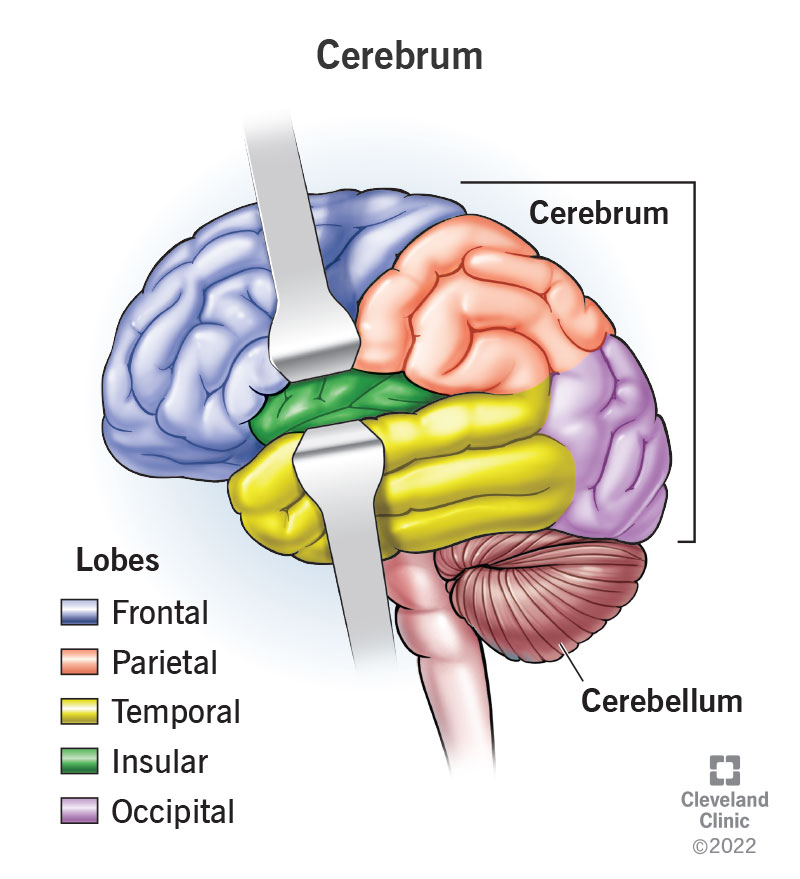
Cerebellum
Balance and coordination

Medulla oblongata
Heart rate, breathing, blood pressure

Thalamus
Sensory relay station

Limbic system
Emotions, motivation, memory

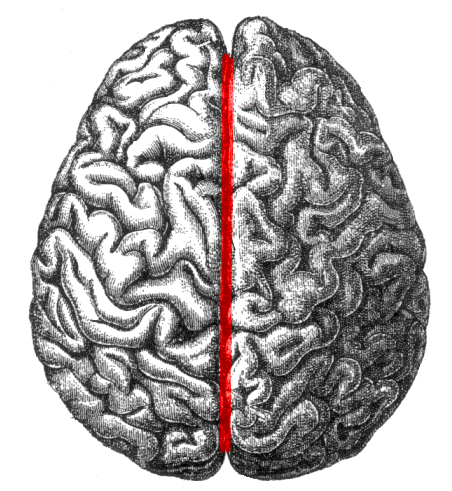
Longitudinal fissure
A deep groove separating the left and right cerebral hemispheres.
Function(功能): Separates the two hemispheres(分开左右大脑半球)
Location(位置): Along the midline of the cerebrum(位于大脑正中线)
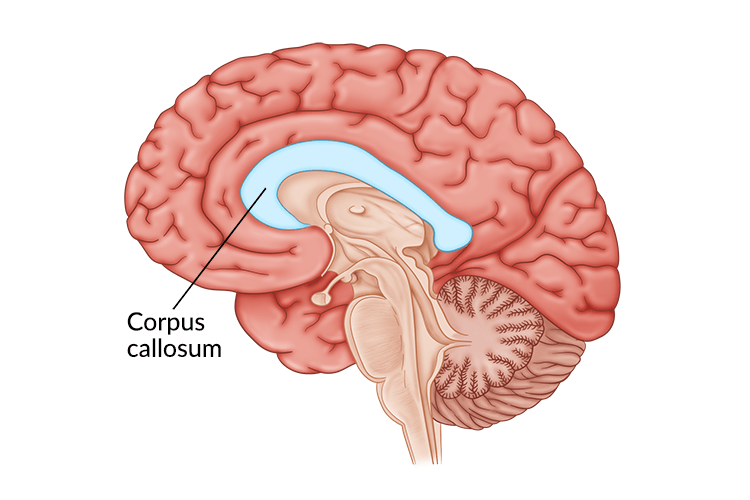
Corpus callosum
A large bundle of nerve fibers connecting the two cerebral hemispheres.
Function(功能): Connects the hemispheres and transfers information(连接左右半球并传递信息)
Location(位置): Deep inside the brain, beneath the longitudinal fissure(位于大脑内部、纵裂下方)
Prefrontal Cortex
responsible for planning, decision-making, judgment, impulse control, and aspects of personality.
If damaged(如果受损):
Poor decision-making(做决定能力下降)
Difficulty controlling impulses(难以控制冲动)
Personality changes(人格变化)
Difficulty planning(计划能力下降)
= Think, Plan, Decide, Control.

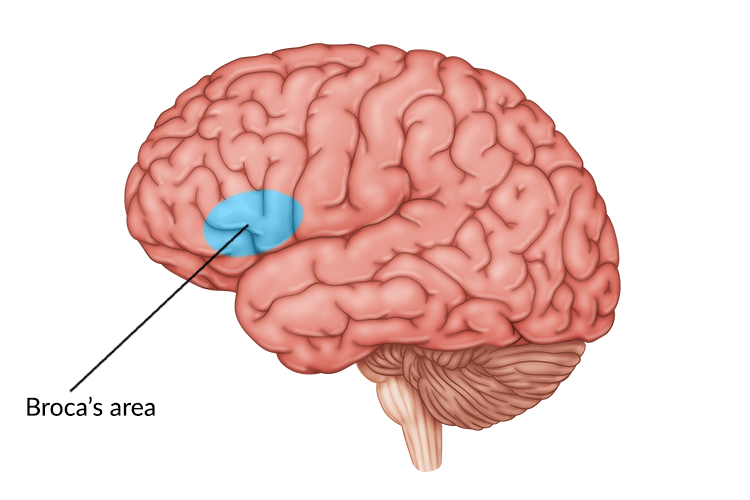
Broca's Area
Primarily responsible for speech production.
If damaged(如果受损):
Difficulty producing fluent speech(说话不流利)
Speech may be slow and broken(说话缓慢、不连贯)
Language comprehension is often relatively preserved (speaking)
Wernicke's Area
Primarily responsible for language comprehension.
If damaged(如果受损):
Difficulty understanding language(难以理解语言)
Speech may sound fluent but lack meaning(说话流利,但内容可能没有意义)
May use incorrect or invented words(可能使用错误或自创的词语)(understanding)

Gyri
Raised folds or ridges on the surface of the brain.
Location(位置): Surface of the cerebrum(大脑表面)
Function(功能): Help increase the surface area of the cerebral cortex(帮助增加大脑皮质的表面积)

Sulci
Grooves or depressions between the gyri.
Location(位置): Between gyri(脑回之间)
Function(功能): Separate adjacent gyri and help create folds that increase cortical surface area

Olfactory
(I) Smell 嗅觉
Optic
(II) Vision 视觉
Oculomotor
(III) Eye movements 眼球运动
Trochlear
(IV) Eye movement 眼球运动
Trigeminal
(IV) Facial sensation, chewing 面部感觉、咀嚼
Abducens
(VI) Lateral eye movement 眼球外展
Trigeminal
(V) Facial sensation, chewing 面部感觉、咀嚼
Facial
(VII) Facial expression 面部表情
Vestibulocochlear
(VII) Hearing, balance 听觉、平衡
Glossopharyngeal
(IX) Swallowing, taste 吞咽、味觉
Vagus
(X) Heart, digestion 心脏、消化
Accessory
(XI) Shoulder shrug, head turning 耸肩、转头
Hypoglossal
(XII) Tongue movement 舌头运动
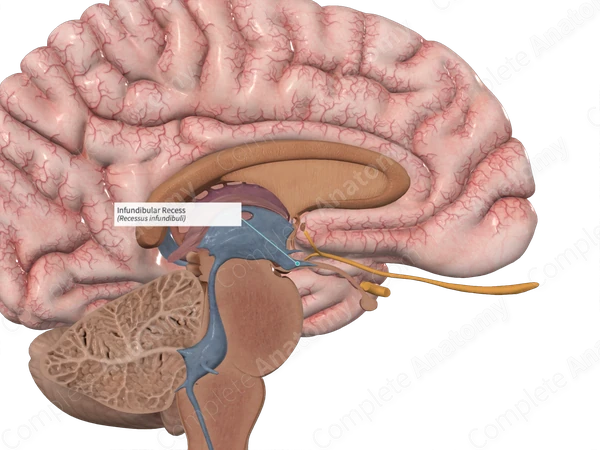
Infundibulum
stalk that connects the hypothalamus to the pituitary gland.
Connects the hypothalamus to the pituitary gland.
Contains nerve fibers and blood vessels involved in communication between these structures.
Helps the hypothalamus regulate pituitary hormone release.
Cerebrospinal Fluid
circulates in the subarachnoid space between the arachnoid mater and pia mater.
Cushions and protects the brain and spinal cord
Where Does the Spinal Cord End?
L1–L2 vertebral level
The adult spinal cord usually ends around L1–L2.
Conus medullaris
Cone-shaped end of spinal cord

Cauda equina
Bundle of nerve roots below spinal cord

filum terminale
Fibrous strand anchoring spinal cord

Dura mater
The tough, outermost protective layer.
Location(位置): Outermost layer(最外层)
Function(功能): Protects the brain and spinal cord(保护大脑和脊髓)
Arachnoid Mater
The thin, web-like middle layer of the meninges.
Location(位置): Between dura mater and pia mater(位于硬膜和软膜之间)
Function(功能): Helps enclose the subarachnoid space containing cerebrospinal fluid(CSF)
Pia Mater
The thin, delicate innermost layer that closely attaches to the surface of the brain and spinal cord.
Location(位置): Innermost layer(最内层)
Function(功能): Closely covers and helps protect the brain and spinal cord
Spinal Nerves
Spinal nerves are mixed nerves that carry both sensory and motor information between the spinal cord and the body.Mixed Nerves = Sensory + Motor 1 pairs of spinal nerves
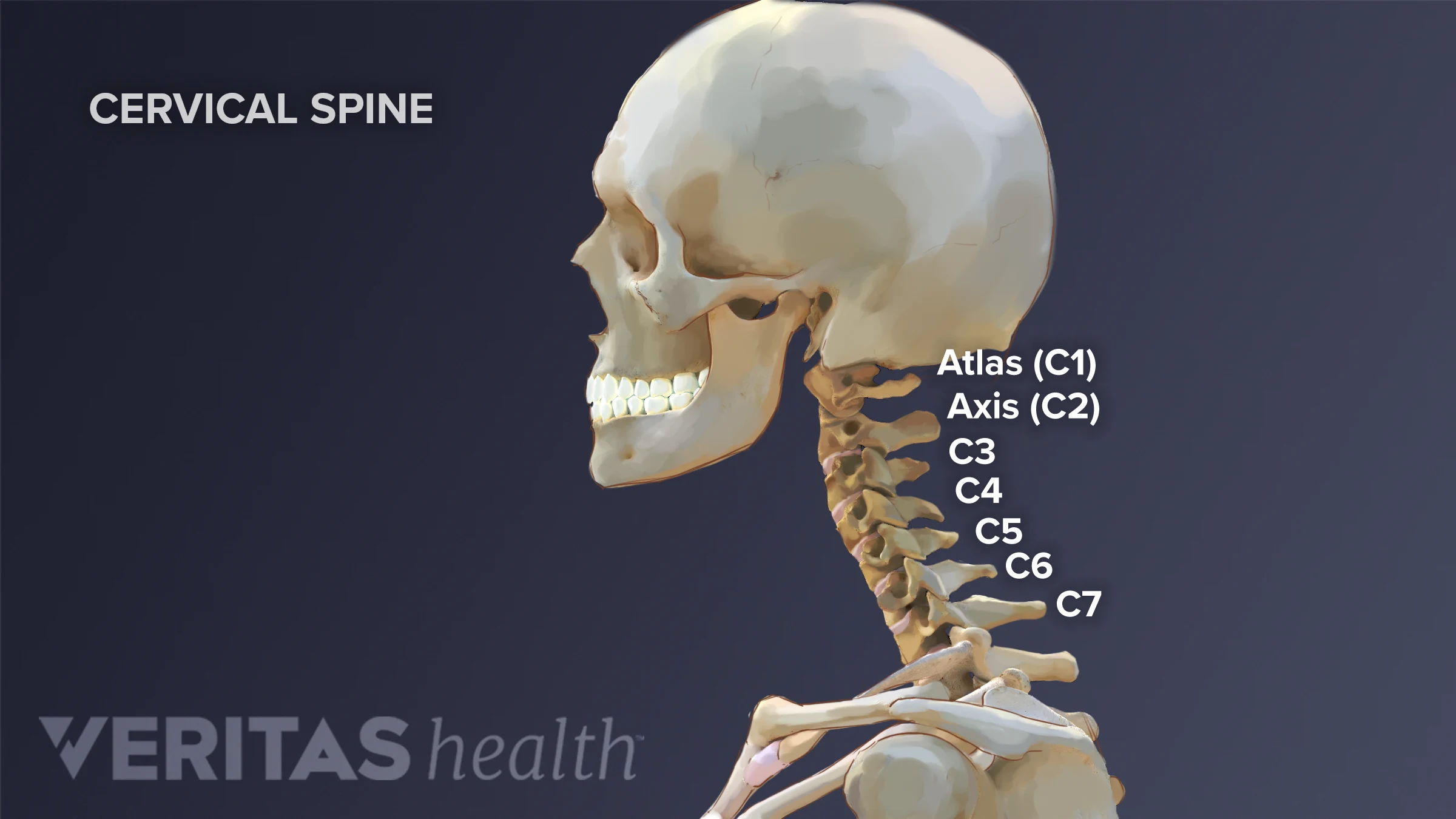
Cervical
C1–C8
Thoracic
T1–T12

Lumbar
L1–L5

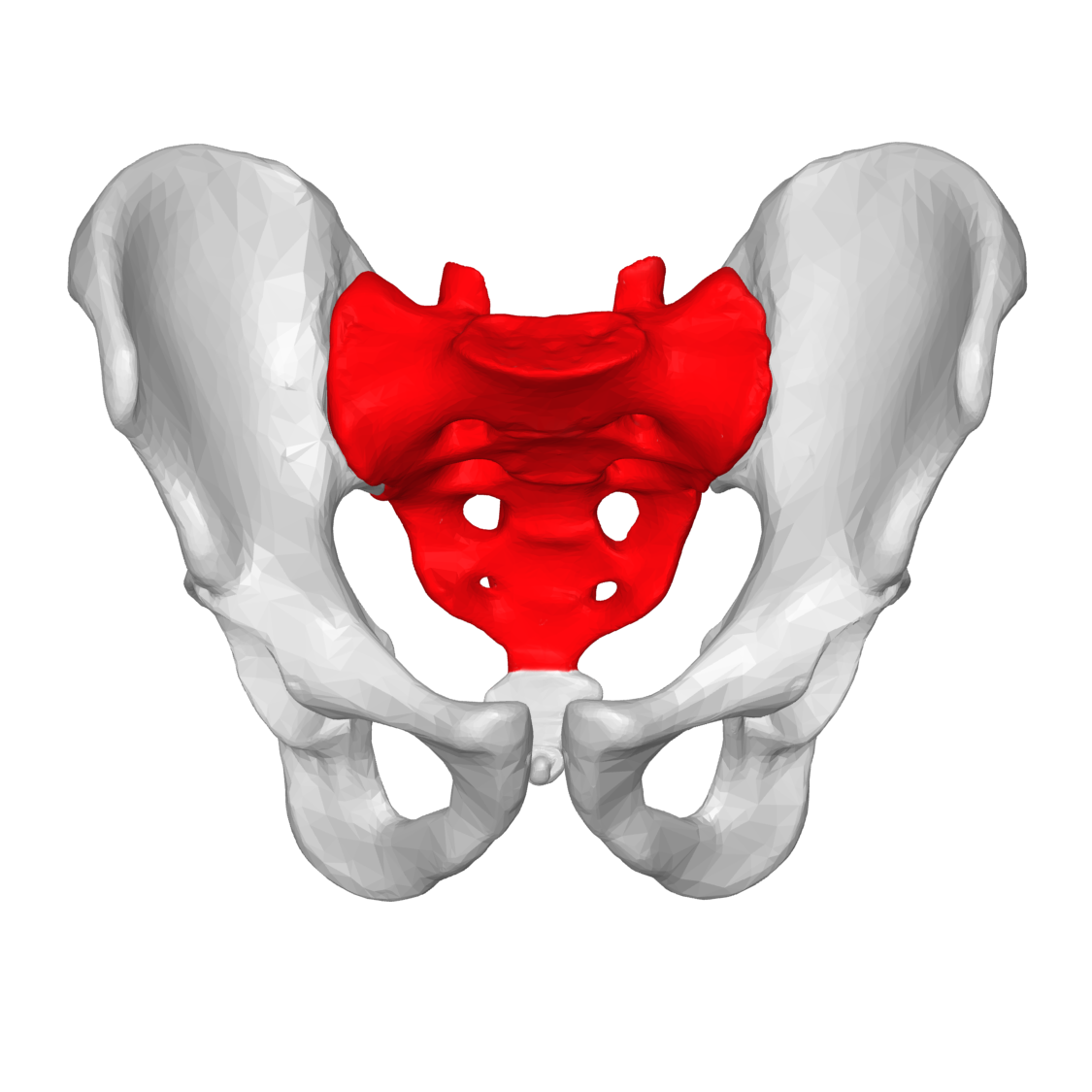
Sacral
S1–S5
Coccygeal
Co1

Posterior / Dorsal Root
Carries sensory information from the body toward the spinal cord.
Function(功能): Sensory(感觉)
Direction(方向): Toward spinal cord(传入脊髓)
Type(类型): Afferent(传入神经)
Dorsal root ganglion(背根神经节): Contains sensory neuron cell bodies(包含感觉神经元的细胞体)
(sensory)

Anterior / Ventral Root
Carries motor signals away from the spinal cord toward muscles and glands
Function(功能): Motor(运动)
Direction(方向): Away from spinal cord(传出脊髓)
Type(类型): Efferent(传出神经)
Contains(包含): Motor axons(运动神经元的轴突)
motor
Subdural Space
A potential space located between the dura mater and arachnoid mater.
Location(位置): Between dura mater and arachnoid mater(硬膜与蛛网膜之间)
Type(类型): Potential space(潜在间隙)
Important: Normally, these two membranes lie closely together. The space can open when fluid or blood accumulates.
Subarachnoid space
Between arachnoid and pia contain CSF
White Matter
White matter appears white because it contains myelinated axons.
Layers of Peripheral Nerves
are surrounded by three layers of connective tissue that protect, support, and organize nerve fibers.
Endoneurium
A thin layer of connective tissue that surrounds each individual nerve fiber (axon).
ocation(位置): Innermost layer(最内层)
Function(功能): Protects and supports individual nerve fibers(保护和支撑单条神经纤维)
inside
Perineurium
A layer of connective tissue that surrounds a bundle of nerve fibers called a fascicle.
Location(位置): Middle layer(中间层)
Function(功能): Protects nerve fascicles and helps form the blood-nerve barrier(保护神经束,并帮助形成血-神经屏障)
Around a Bundle
Epineurium
The outermost layer of connective tissue that surrounds the entire peripheral nerve.
Location(位置): Outermost layer(最外层)
Function(功能): Protects and supports the entire nerve(保护和支撑整条神经)
entire nerve
Phrenic Nerve
arises mainly from spinal nerve roots C3–C5 and provides motor innervation to the diaphragm, the primary muscle used for breathing.
Dermatome
An area of skin supplied primarily by one spinal nerve root.
Cervical Plexus
A network of nerves formed by the anterior rami of spinal nerves C1–C4. It primarily supplies the neck and contributes to diaphragm innervation.
Spinal roots(神经根): C1–C4
Location(位置): Neck(颈部)
Function(功能): Sensory and motor innervation of parts of the neck(负责部分颈部的感觉和运动)
Important nerve(重要神经): Phrenic nerve(膈神经)
Brachial Plexus
A network of nerves formed by the anterior rami of spinal nerves C5–T1. It supplies most of the shoulder and upper limb.
Spinal roots(神经根): C5–T1
Location(位置): Neck, shoulder, and axillary region(颈部、肩部和腋窝附近)
Function(功能): Sensory and motor innervation of most of the upper limb(负责大部分上肢的感觉和运动)
Innate Reflex
automatic response that is present at birth or develops naturally without learning.
Inborn(天生具有)
Automatic(自动发生)
Does not require learning(不需要学习)
Helps protect the body(帮助保护身体)
ex Knee-jerk reflex
Acquired Reflex
an automatic response that develops through learning, practice, or experience.
Learned(后天学习)
Develops through experience(通过经验形成)
Can become automatic(可以逐渐变成自动反应)
Stretch / Deep Tendon Reflex
automatic contraction of a muscle in response to being stretched.
Tap patellar tendon(敲击髌腱)。
Quadriceps stretches(股四头肌被拉伸)。
Muscle spindle detects stretch(肌梭检测拉伸)。
Sensory signal travels to spinal cord(感觉信号进入脊髓)。
Quadriceps contracts(股四头肌收缩)。
Lower leg extends(小腿伸直)。
Golgi Tendon Reflex
an automatic response to muscle tension that helps regulate muscle force and prevent excessive tension.
Location(位置): Tendon(肌腱)
Detects(检测): Muscle tension / force(肌肉张力/力量)
Sensory fiber(感觉纤维): Group Ib afferent(Ib 类传入纤维)
Function(功能): Helps regulate muscle force(帮助调节肌肉力量)
Reciprocal Inhibition
occurs when one muscle contracts while its opposing muscle (antagonist) is inhibited, allowing smooth movement.
One muscle contracts → Opposite muscle relaxes.
Crossed Extensor Reflex
occurs when one leg withdraws from a painful stimulus while the opposite leg extends to support body weight and maintain balance.
Plantar Reflex and Babinski Sign
neurological reflex tested by stroking the sole of the foot. The direction of toe movement helps evaluate nervous system function.
Normal adult plantar response
Toes curl downward (plantar flexion)
Positive Babinski sign
Big toe moves upward and other toes may fan outward