Antimicrobial Agents (Protein Synthesis Inhibitors) (L)
 Call Kai
 Learn
 Practice Test
 Spaced Repetition
 Match
 Flashcards
 Knowt Play
1/82

There's no tags or description
Looks like no tags are added yet.
83 Terms
How do protein synthesis inhibitors of antimicrobials affect the growth or proliferation of bacterial cells?
Stops or slows the growth or proliferation of bacterial cells by disrupting the processes of translation that leads directly to synthesis of new proteins
What is the target of antimicrobials on protein synthesis?
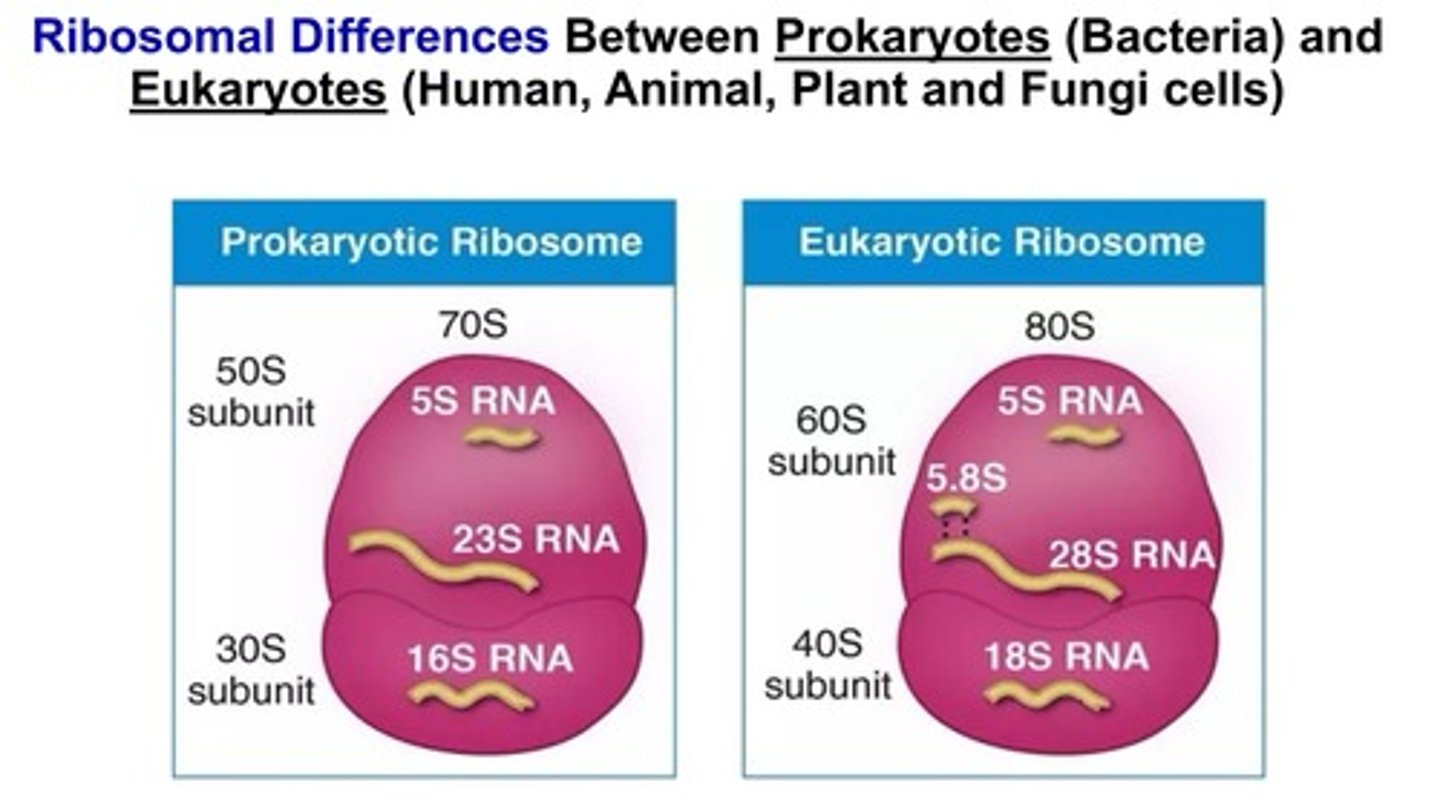
Structure of prokaryotic ribosomes
How are protein synthesis inhibitors selective for bacterial cells?
*Acts at the ribosome level*
- there are structural differences between prokaryotic (bacteria) and eukaryotic (human) ribosomes:
> kill bacteria by inhibiting bacterial ribosomes, while leaving human ribosomes unaffected
Protein synthesis inhibitors MOA
(1) Bind to the small (30S) Ribosomal Subunit
OR
(2) Bind to the large (50S) Ribosomal Subunit
Protein synthesis inhibitors are mostly bacterio___
Protein synthesis inhibitors are mostly bacteriostatic
Since eukaryotic mitochondrial ribosomes are similar to prokaryotic ribosomes, what can this cause?
Can have some toxicity
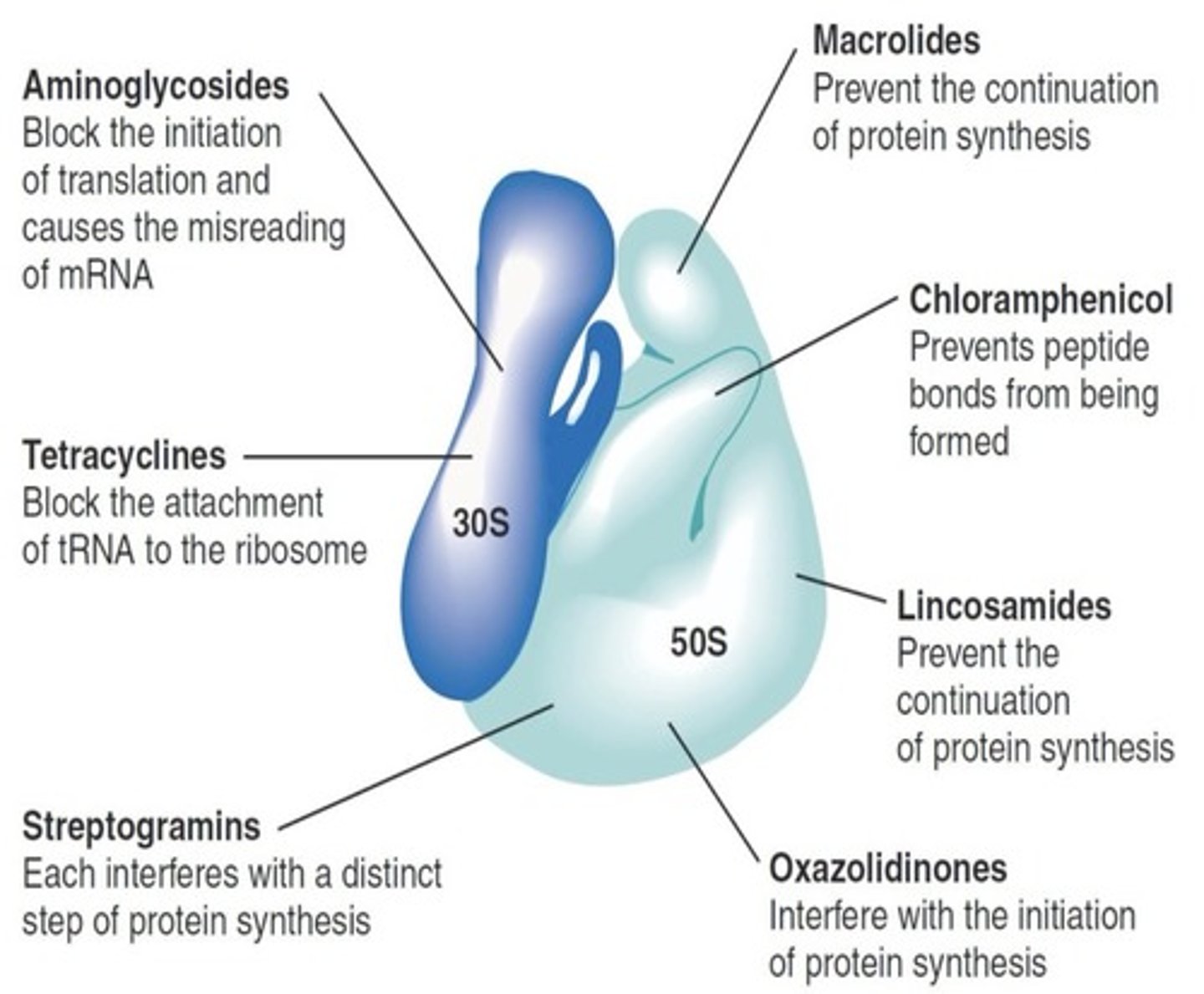
What drugs are protein synthesis inhibitors? (W/ ribosome target)
- Aminoglycosides (binds 30S)
- Tetracyclines (30S)
- Macrolides (50S)
- Chloramphenicol (50S)
- Lincosamides (50S)
- Oxazolidinones (50S)
- Streptogramins (50S)
Aminoglycosides are derived from ...?
Streptomyces griseus
Aminoglycosides MOA
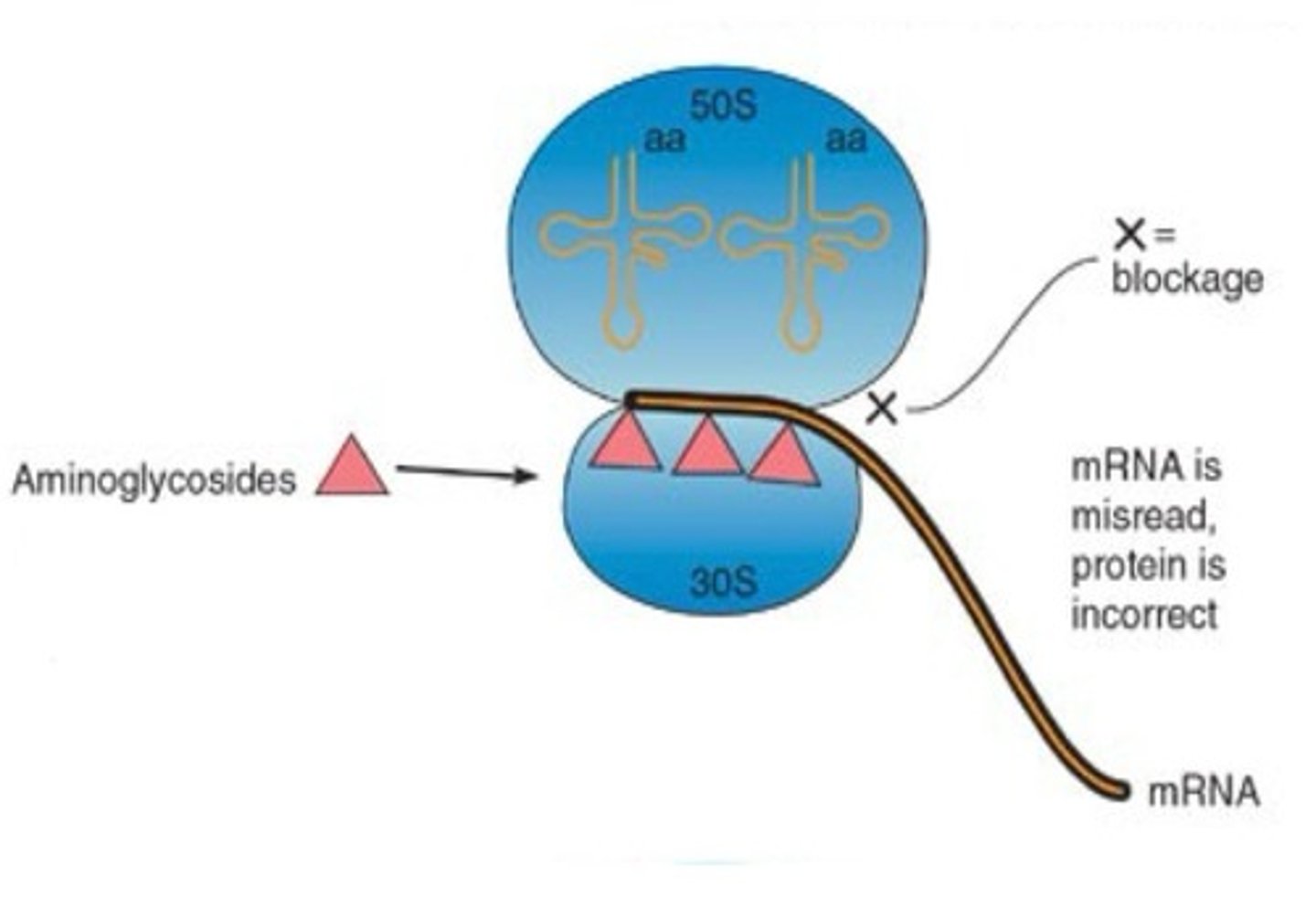
- Irreverisbly binds 30S ribosomal subunit and inhibits bacterial protein biosynthesis
- Causes mismatches between codons and anticodons, leading to faulty proteins that insert into a disrupt cytoplasmic membrane
What are Aminoglycosides active against?
- Most Gm- aerobic bacteria including P. Aeruginosa
- Active against Gm+ Staphylococcus
What do Aminoglycosides lack activity against?
Anaerobes and most Gm+
What are the drugs in the Aminoglycosides class?
- Amikacin (Amikin)
- Gentamicin (Pred-G)
- Tobramycin (Tobrex)
- Streptomycin (Alembic)
- Plazomicin (Zemdri)
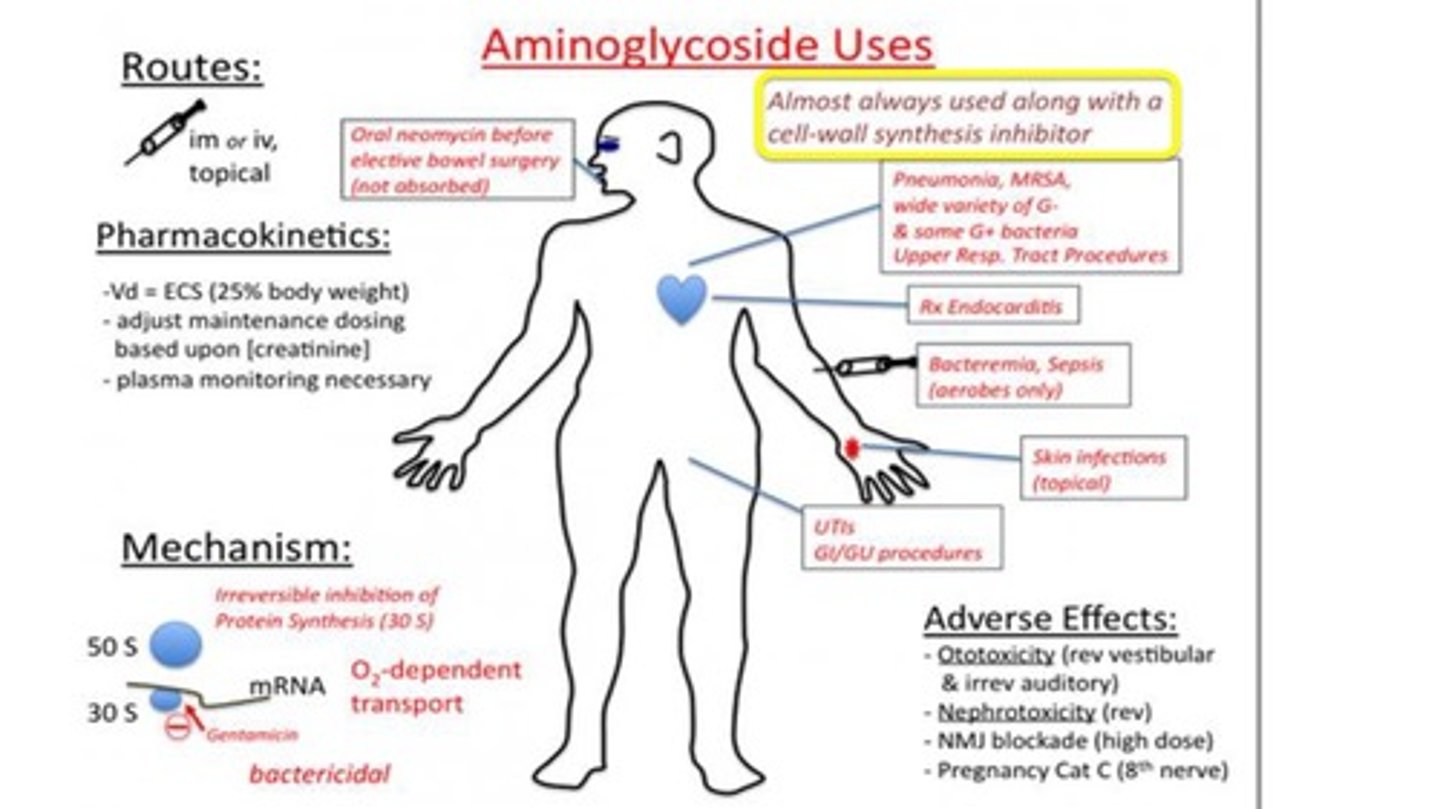
What are the therapeutic uses of Aminoglycosides?
Often used in combination with a cell wall synthesis inhibitors (β-lactam or glycopeptide) to treat bacterial infections such as:
> Pneumonia
— for hospital-acquired pneumonia caused by aerobic multidrug-resistant Gm- bacilli in combination with a β-lactam antibiotic
> Meningitis
— In general, 3rd gen. Cephalosporins, especially cefotaxime and ceftriaxone, are used for meningitis
— Aminoglycosides are used when infections are caused by Gm- organisms resistant to β-lactam antibiotics such as P. Aeruginosa and Acinetobacter
> Sepsis
— Caused by Gm- aerobic bacteria including P. Aeruginosa only
> Endocarditis
— For Bacterial Endocarditis (inflammation of the endocardium) in combination with a penicillin or vancomycin
How do Aminoglycosides enter cells?
Diffusion through aqueous porin pores in the outer membrane of Gm- bacteria
Aminoglycosides are bacteri___ and have a ___ spectrum
Aminoglycosides are bactericidal and have a broad spectrum
How are Aminoglycosides administered? Why?
Administered IV or IM since poorly absorbed from the GI tract
Why are Aminoglycosides given intrathecally for meningitis?
Too polar to enter CSF
How are Aminoglycosides eliminated from the body?
Eliminated by renal excretion: glomerular filtration
How is there resistance developed against Aminoglycosides?
(1) Producing enzymes that inactivate the Aminoglycosides by adenylation, acetylation or phosphorylation
(2) Inhibiting entry of Aminoglycosides into the cell (via alteration or elimination of poring or other transport proteins)
(3) Mutating the receptor proteins on the 30S ribosomal unit, resulting in deletion or alteration of the proteins
What are the adverse effects of Aminoglycosides?
> Ototoxicity
— Destructibe to the vestibular system (inner ear and brain that help control balance and eye movements), resulting in hearing loss and balance distortion
> Nephrotoxicity
— Results from damage to proximal tubular cells; reversible
> Neuromuscular Blockade
— Block neuromuscular transmission at the Neuromuscular Junction (NMJ). Patients with myasthenia gravis are at risk
— Pregnancy category C: due to damage on the Cranial Nerve VIII
Aminoglycoside Summary Pic
What antibiotic class is amongst the earliest available antibiotics after the penicillins?
Tetracyclines
Tetracyclines are derived from ___ bacteria or produced semi-synthetically from those isolated compounds
Tetracyclines are derived from Streptomyces bacteria or produced semi-synthetically from those isolated compounds
Tetracyclines MOA
- Enters cell via passive diffusion and active transport
- Bind reversibly to 30S subunit, thereby blocking access of the aminoacyl-t-RNA to the mRNA-ribosome complex at the acceptor site
- Prevent addition of amino acids to the growing chain
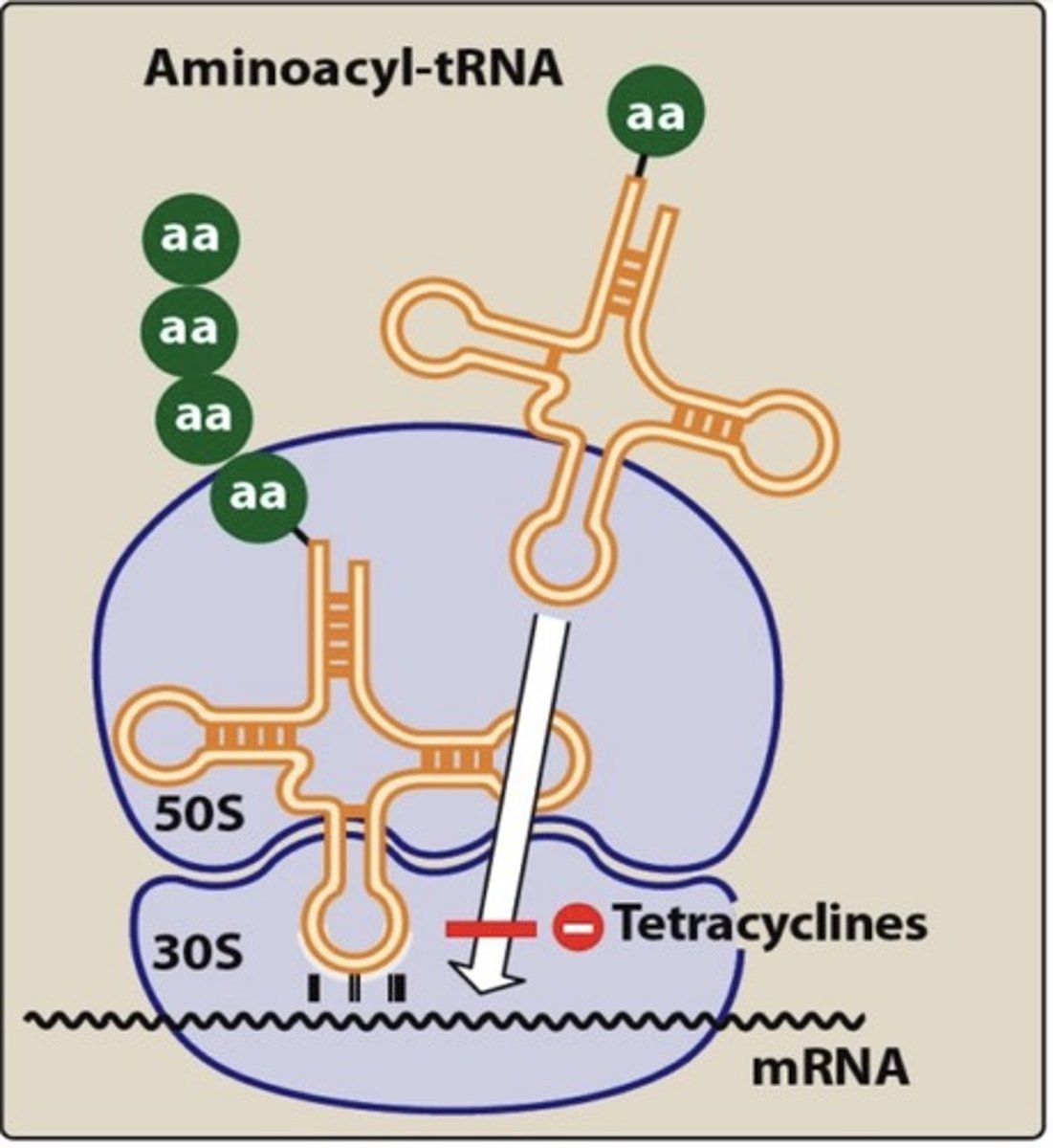
Tetracyclines are bacteri___
Tetracyclines are bacteriostatic
What are Tetracyclines active against?
Broad spectrum antibiotic activities against Gm+ and Gm-, Chlamydia, Mycoplasma, and Richettsia
What are the Tetracycline drugs?
- Tetracycline (Sumycin)
- Doxycycline (Vibramycin, Adoxa)
- Demeclocycline (Declomycin)
- Minocycline (Minocin)
- Tigecycline (Tigacil)
Tetracycline drugs are mostly given ___, but doxycline is available for ___
Tetracycline drugs are mostly given PO, but doxycline is available for IV
Why should tetracycline not be taken with dairy products? Which tetracyclines are not affected?
- GI absorption of tetracycline is impaired by dairy products due to Ca2+
- but NOT impaired on doxycycline and minocycline
Tetracyclines are good ___; they bind strongly with ___ ions
Tetracyclines are good chelators; they bind strongly with metallic ions
What else should Tetracyclines not be given with, why?
Should not be given with: Al3+, Mg2+, Ca2+, Fe2+, or Zn2+
Bi2+ subsalicylate also interferes with TC absorption
Tetracyclines are widely distributed, but do not sufficiently reach ___ to be effective in ___ infections
Tetracyclines are widely distributed, but do not sufficiently reach CSF to be effective in meningeal infections
Can Tetracyclines be given to a pregnant woman?
NO; Tetracyclines can cross the placenta and bind to the bone Ca2+ in the fetus and depress bone growth
How are Tetracyclines excreted?
- Tetracycline and minocycline are eliminated by renal excretion with some metabolism
- Doxycycline is excreted primarily in the bile
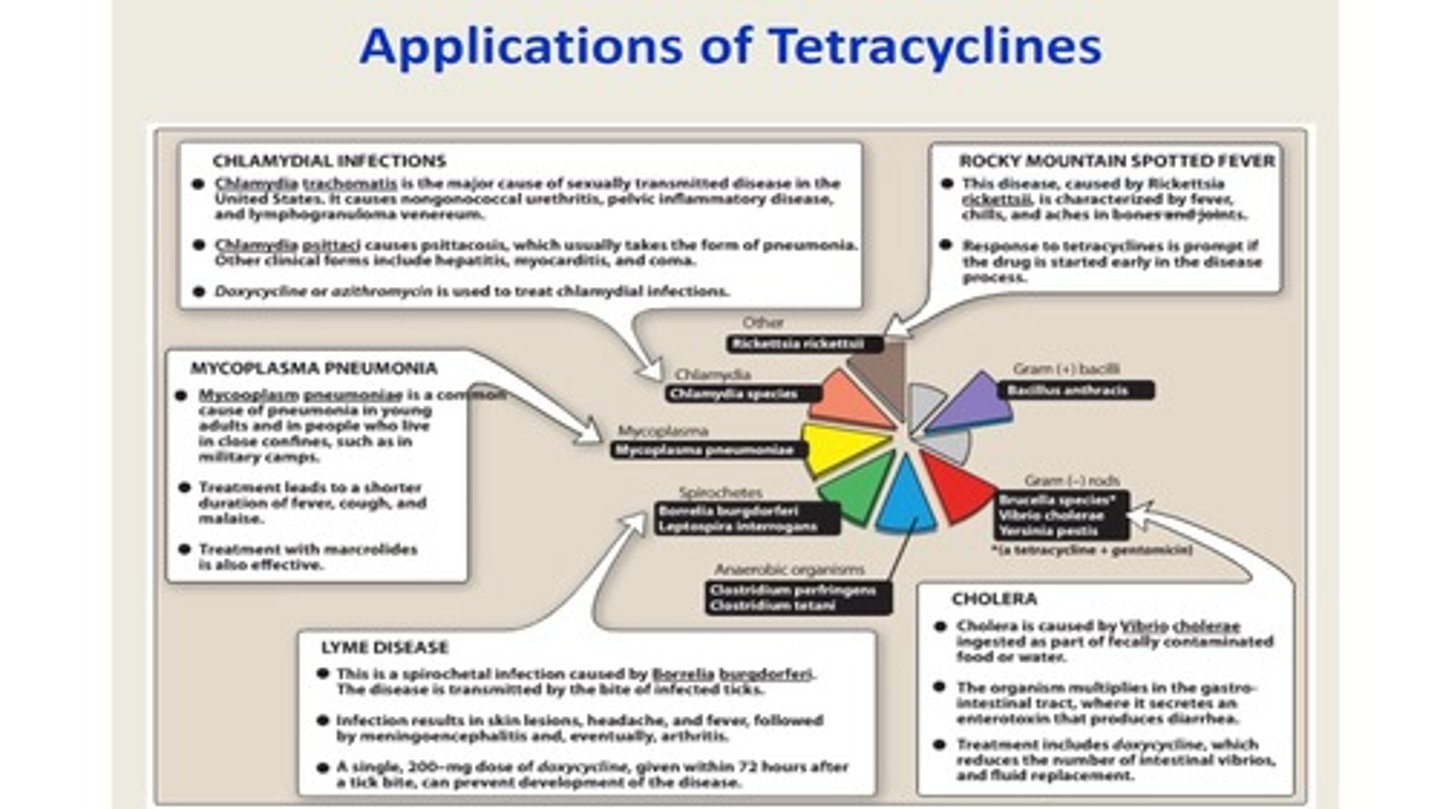
What are the clinical applications of Tetracyclines?
- Various forms of typhus (scrub, epidemic, murine)
- Q fever infectious fever caused bacterium Coxiella burnetii, which may be transmitted to humans from cattle, sheep, and other domesticated animals)
- Syphilis (Treponema palladium). A spirochete - in PCN G allergic patients
- Cholera (Vibrio cholerae)
- Mycoplasma pneumonia
- Chlamydial infections (Lymphogranuloma venereum, Psittacosis)
- Non-gonococcal urethritis - Azithromycin is DOC
- Lyme disease - Borrelia burgdorferi (borreliosis). A spirochete
- Anthrax (Bacillus anthracis): ciprofloxacin or doxycycline
- Brucellosis (Brucella melintensis)
- Tularemia (Francisella tularensis)
- Richettsial infections, Rickettsialpox: Rocky Mountain spotted fever
What are the adverse effects of Tetracyclines?
> GI irritation
— give with food; avoid dairy products with tetracycline
— Avoid antacids with all tetracycline antibiotics
> Photosensitivity
> Hepatotoxicity with high doses
> Renal toxicity
> Fanconi syndrome in pts taking outdated tetracyclines
— Fanconi syndrome is a rare disorder of kidney tubule function
> Minocycline can cause vestibular toxicity
> Hypersensitivity reactions
> Superinfections
What ages are Tetracyclines contraindicated in? Why?
Tetracycline is contraindicated in children of 8 years or younger
> Bind to Ca2+ in teeth of children, causing a permanent brown discoloration
What are the primary resistance mechanisms of Tetracyclines?
(1) Decreased accumulation of tetracycline as a result of either decreased antibiotic influx or increased antibiotic efflux
(2) Production of a ribosomal protection protein that displaces tetracycline from its target
(3) Enzymatic inactivation of tetracyclines
Tigecycline (Tigacil) is a ___ derivative (also called a "glycylcycline")
Tigecycline (Tigacil) is a minocycline derivative (also called a "glycylcycline")
Tigecycline (Tigacil) MOA and ROA
Same as tetracyclines: inhibits 30S subunit, given only IV
Tigecycline (Tigacil) Black Box Warning
All cause increase (0.6%) in mortality in Phase III and Phase IV clinical trials
What is Tigecycline (Tigacil) indicated for?
Several Gm+ an Gm- infections:
- Intra-abdominal, skin, CABP, including MRSA
(T/F) Tigecycline (Tigacil) has no effect on QTc
T
Tigecycline (Tigacil) side effects
Same as tetracyclines
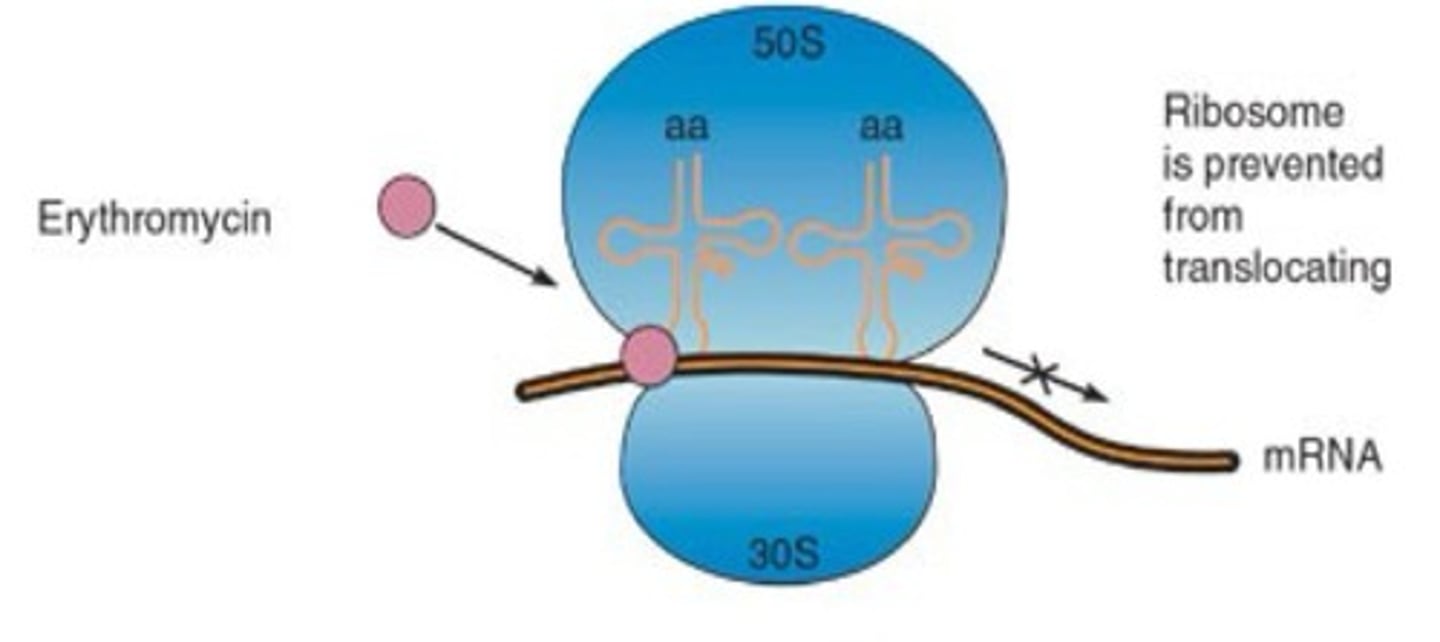
Which bacterial protein synthesis inhibitor? :
- Reversibly bind 50S ribosome
- Prevent continuation of protein synthesis
- Bacteriostatic
Macrolides
What are the Macrolides drugs?
- Erythomycin (Erythrocin)
- Azithromycin (Zithromax)
- Clarithromycin (Biaxin)
- Telithromycin (Ketex, a "ketolide")
What is the drug of choice for patients allergic to penicillin?
Macrolides
What are Macrolides generally effective against?
Variety of Gm+ organisms
Ex. Staphylococcus (staph), Streptococcus pyogenes and S. pneumoniae, Bacillus anthracis (Anthrax), Legionnaire's disease (Legionelle), Haemophilus ducreyi (Chancroid disease), Chlamydia, Mycoplasma
Is Erythromycin (Erythrocin) commonly used for infections? Why or why not?
Rarely used to treat infections
- due to increasing resistance and more favorable alternatives, including clarithromycin and azithromycin
What is Erythromycin (Erythrocin) most commonly used for?
Treating gastroparesis to stimulate stomach motility
- preoperative bowel prep (to cleanse bowel of bacteria before surgery)
Erythromycin (Erythrocin) administration
Relatively poorly absorbed (20-50%) from the GI tract and is given PO along with neomycin or kanamycin aminoglycosides
What are the clinical uses of Azithromycin (Zithromax)?
Used to treat:
- Respiratory tract infections
- Skin and Soft Tissue Infections (SSTIs)
- Sexually transmitted infections (STIs) (Chlamydia)
- Chancroid by H. ducreyi
- Traveler's diarrhea
- Mycobacterium avium complex (MAC)
- H. influenzae
Which macrolide has similar antimicrobial spectra and applications to azithromycin? ROA?
Clarithromycin (Biaxin) (PO)
What is Clarithomycin (Biaxin) used to treat?
Helicobacter pylori (peptic ulcer)
What is Clarithromycin (Biaxin) used in combination with?
(to treat peptic ulcer?)
Metronidazole, omeprazole, and clarithromycin
What are the adverse effects of Macrolides?
- Mild GI upset, abdominal pain, N/V, diarrhea
- Hypersensitivity
- Liver toxicity (cholestatic jaundice related to estolate salt)
- QTc prolongation & Torsade de pointes by high conc'n of erythromycin or clarithromycin
What are the drug interactions with Erythromycin and Clarithromycin?
Can inhibit CYP450 and thus, increase plasma conc'n of numerous drugs
What drug interactions does Azithromycin have?
N/A; no interactions with P450
Telithromycin (Ketek) is a semisynthetic agent belonging to a class of drugs called ___, a variation on the existing class of ___ (e.g. erythromycin)
Telithromycin (Ketek) is a semisynthetic agent belonging to a class of drugs called ketolides, a variation on the existing class of macrolides (e.g. erythromycin)
What is Telithromycin (Ketek) used to treat?
Community-acquired pneumonia (of mild to moderate severity) due to
- Streptococcus pneumoniae (including multi-drug resistant S. pneumoniae), Haemophilus influenzae, Moraxella catarrhalis, Chlamydiophila pneumoniae, or Mycoplasma penumoniae
Telithromycin (Ketek) is for patients of what age?
18 years or older
What is the adverse effect of Telithromycin (Ketek)?
Hepatoxicity
What patient is Telithromycin (Ketek) contraindicated in?
Patients with myasthenia gravis
What are the primary resistance mechanisms of Macrolides?
(1) Modification of the 50S ribosome binding site (altered target affinity)
(2) Reduced permeability of the cell membrane
(3) Production of esterases by entero bacteriaceae that hydrolyze macrolides
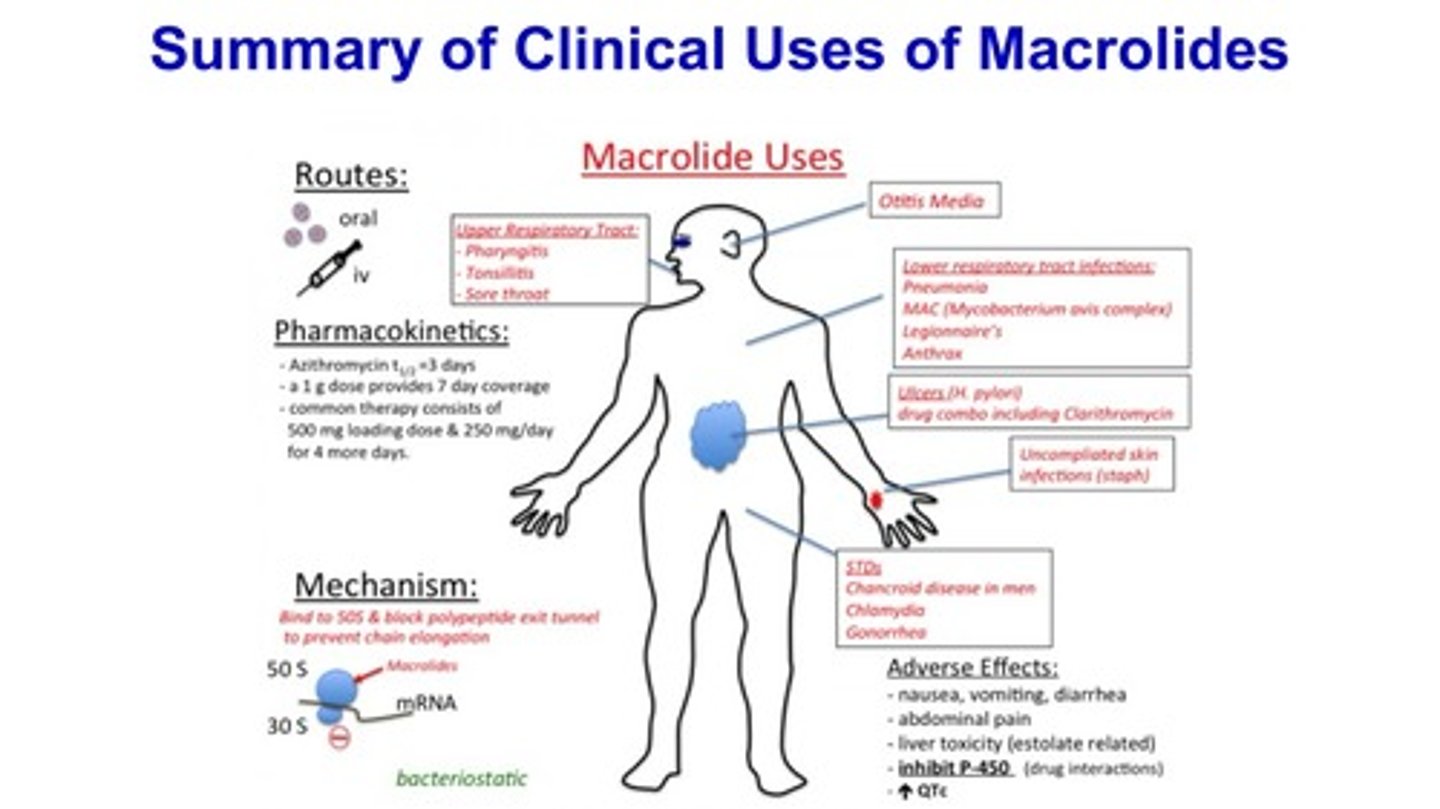
Summary of Clinical Uses of Macrolides (pic)
Which bacterial protein synthesis inhibitor? :
- Binds to 50S subunit and thus, prevents peptide bond formation
- Bacteriostatic
- Exhibits a wide spectrum
-- Active against S. aureus, Strepto. pneumoniae, and E. coli
-- NOT effective against Pseudomonas aeruginosa
Chloramphenicol
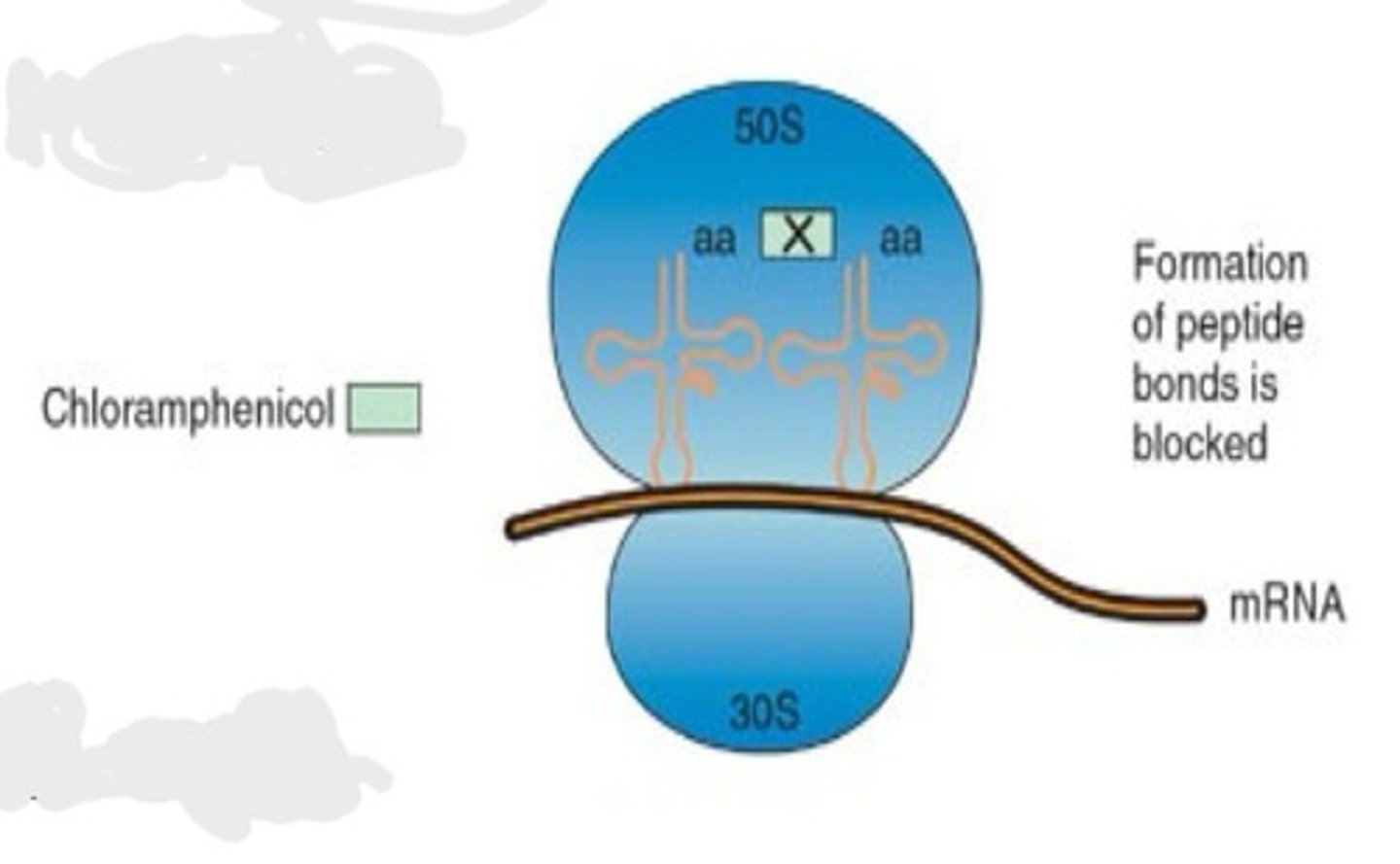
Chloramphenicol is a drug of ___ ___ for treating ocular infections such as conjunctivitis, blepharitis
Chloramphenicol is a drug of last resort for treating ocular infections such as conjunctivitis, blepharitis
What is Chloramphenicol used to treat?
Typhoid fever (by Salmonella typhi), Rickettsial diseases, Brucellosis, bacterial meningitis
What is a rare side effect of Chloramphenicol?
Rare, but a lethal side effect is aplastic anemia
Chloramphenicol can cause what type of syndrome?
Gray Baby Syndrome: fatal toxicity in neonates due to inability to conjugate the drug
Which bacterial protein synthesis inhibitor? :
- Binds to 50S subunit and thus, prevents protein synthesis
- Inhibits a variety of Gm+ and Gm- organisms. Effective against PCN resistant Step. and Staph, but not MRSA
- Bacteriostatic
Lincosamides
What are Lincosamides used to treat?
Infections from Gm+, anaerobic, especially effective against Bacteroides fragilis
What are Lincosamides not effective against?
Clostridium difficile
What are the adverse effects of Lincosamides?
GI tract, diarrhea,
Clindamycin can lead to overgrowth of C. Difficile (pseudomembranous colitis)
What are the Lincosamides drugs?
- Clindamycin (Cleocin)
- Lincomycin (Lincocin)
- Pirlimycin (Pirsue)
Which bacterial protein synthesis inhibitor? :
- Binds to 50S subunit, interfering with initiation of protein synthesis
- Good activity against streptococci, staphylococci, enterococci, nocardia, some activity against myobacteria
- Bacteriostatic
Oxazolidinones
What are Oxazolidinones used to treat?
Skin and soft-tissue infections, Pneumonia,Vancomycin-resistant enterococcal (VRE) and MRSA infections, Nocardiosis, and Drug-resistant tuberculosis
What are the adverse effects of Oxazolidinones?
Myelosuppression, Lactic acidosis, Neuropathy
What are the Oxazolidnones drugs?
- Linezolid (Zyvox)
- Tedizolid (Sivextro)
Which bacterial protein synthesis inhibitor? :
- Bind to 50S of the bacterial ribosome, interfering with protein synthesis by inhibition of the incorporation of aminoacyl tRNA in the ribosome
- Bactericidal
Streptogramins
What are Streptogramins effective in treating?
Vancomycin-resistance S. aureus (VRSA) and Vancomycin-resistance Enterococcus (VRE) infections, and skin and soft-tssue infection
What are the adverse effects of Streptogramins?
Myalgias, Arthralgias
What are the Streptogramins drugs?
Quinupristin/dalfopristin (Synercid)