ANSC 2031 Equine Health, Behavior & Care Midterm
 Call Kai
 Learn
 Practice Test
 Spaced Repetition
 Match
 Flashcards
 Knowt Play
1/89

There's no tags or description
Looks like no tags are added yet.
90 Terms
Basic colors
Black, chestnut, gray, bay
Black

Chestnut

Gray
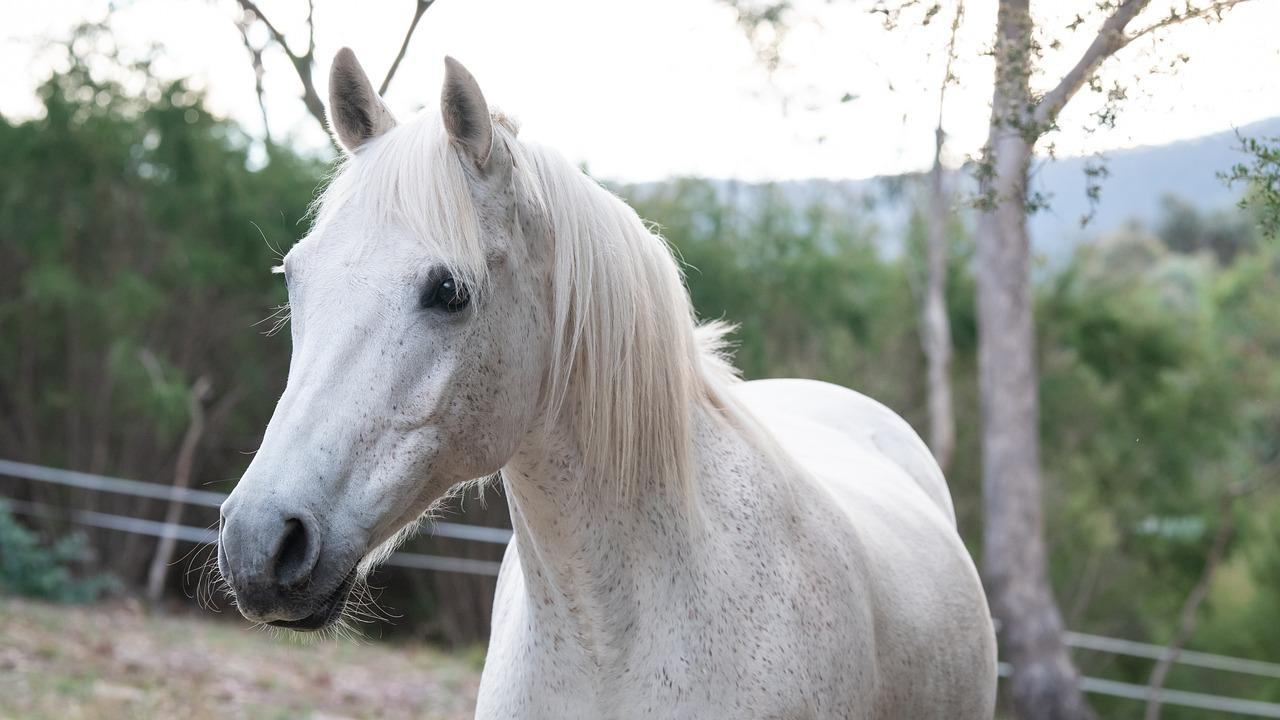
Bay

Dilutions
Buckskin, palomino, dun, grulla, roan, blue roan
Buckskin
Bay with a cream dilution

Palomino
Chestnut with a cream dilution

Dun
Diluted base color (black, bay, or chestnut) with black points.

Grulla

Roan
Has a base coat of any color with white hairs mixed among the colored hairs

Blue Roan

Paint patterns
Tobiano, overo
Tobiano

Overo

Face
Blaze, stripe, stripe & snip, irregular blaze, interrupted blaze, bald face, faint star, star, star & strip, irregular star, snip, lip marking
Blaze

Stripe
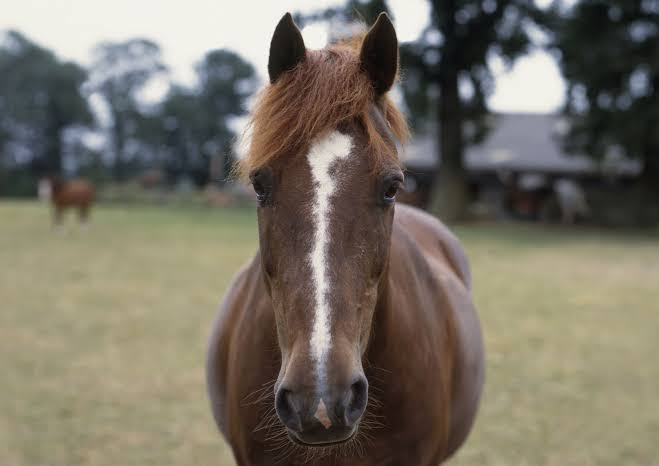
Stripe & Snip
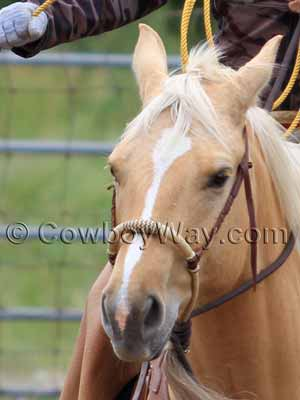
Irregular Blaze
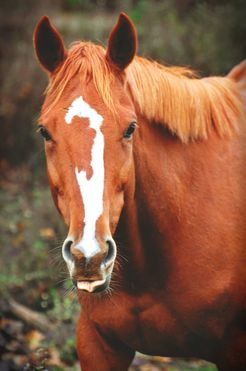
Interrupted Blaze

Bald Face

Faint Star
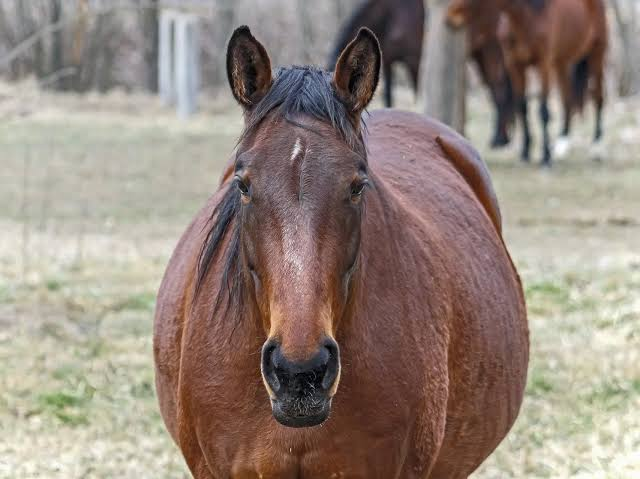
Star

Star & strip

Irregular Star

Snip

Lip Marking

Leg Markings
Coronet, pastern, ankle, half stocking, stocking, heel

Coronet
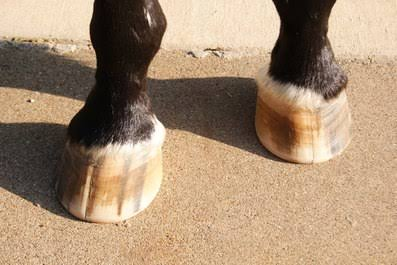
Pastern
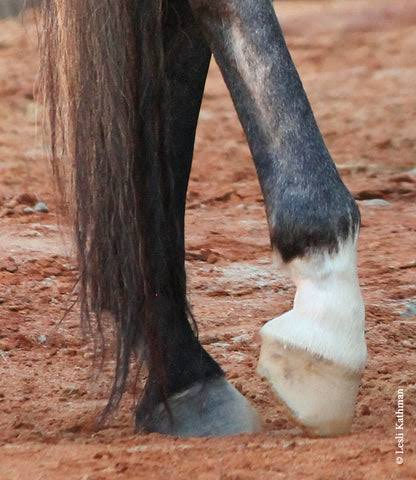
Ankle

Half Stocking
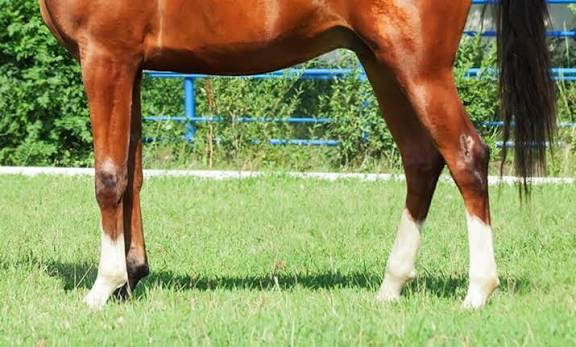
Stocking

Heel

Body Condition Score
1-9

Score 1
Poor
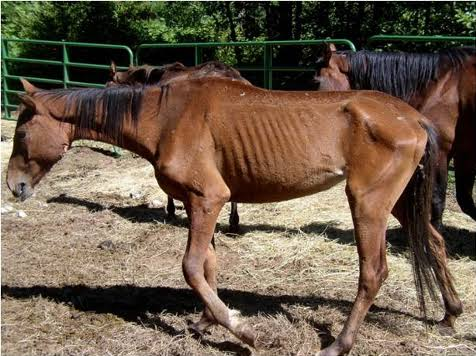
Score 2
Very thin

Score 3
Thin

Score 4
Moderately thin
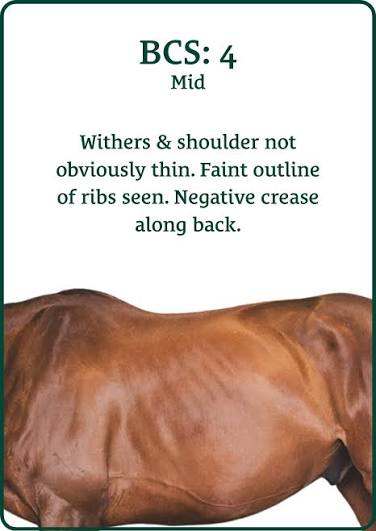
Score 5
Moderate

Score 6
Moderately fleshy
Score 7
Fleshy
Score 8
Fat
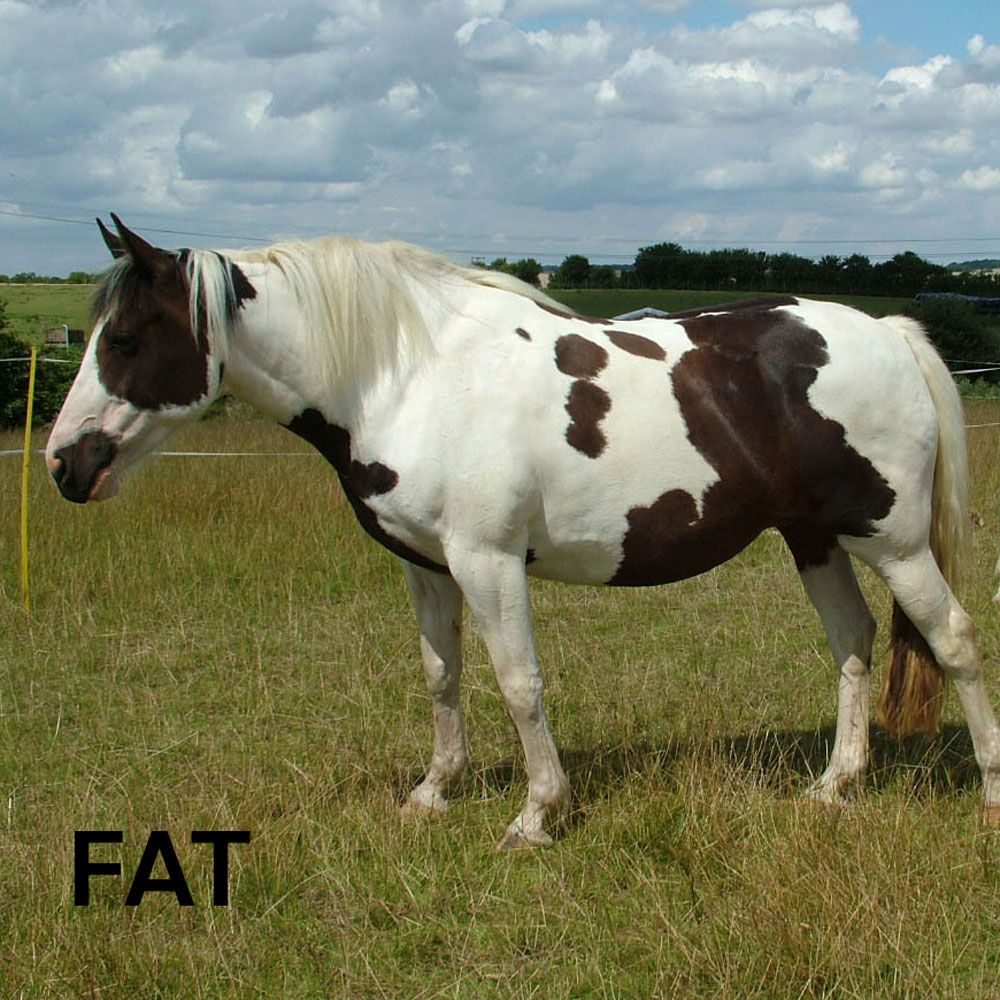
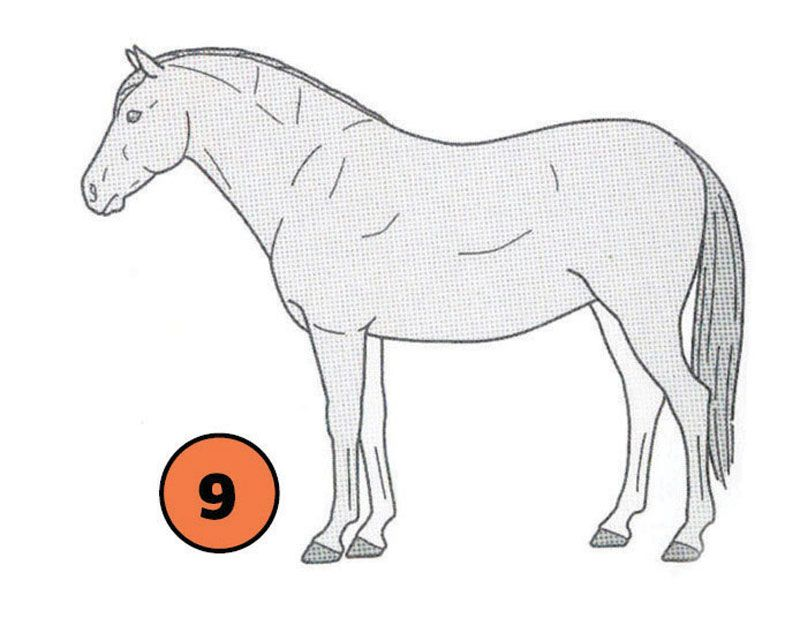
Score 9
Extremely fat
Normal temperature range
99-105.5°F
Normal pulse range
35-40 bpm
Normal gut sounds
3-4 per min
Normal respiration rate
8-15 breaths/min
Dehydration pinch test
~1 sec
Capillary refill time
1-2 sec
Normal mucous membranes
Moist, pale pink
Body weight formula
Heartgirth × heartgirth × bodylength ÷ 330

Binocular vision
~65° both eyes working together, straight ahead

Monocular vision
~285° each eye sees independently

Dichromatic vision
Two types of color cones → sees mostly blue and green
Animal Welfare — Five Freedoms
1. Freedom from hunger, 2. Freedom from discomfort, 3. Freedom from pain, injury, or disease, 4. Freedom to express normal behavior, 5. Freedom from fear and distress
Survival traits
Flight, perception, fast recognition, desensitize, forgive not forget, categorize experiences, easily dominated, control by movement, body language, precocial species
Herd hierarchy
Non-linear, shifts by context, confidence, and needs
Common vices
Cribbing, tail chewing, wood chewing

Physical restraint types
Halter, stud chain, twitch, skin roll/twitch, ear twitch (bad), hobble, stocks

Chemical restraint types
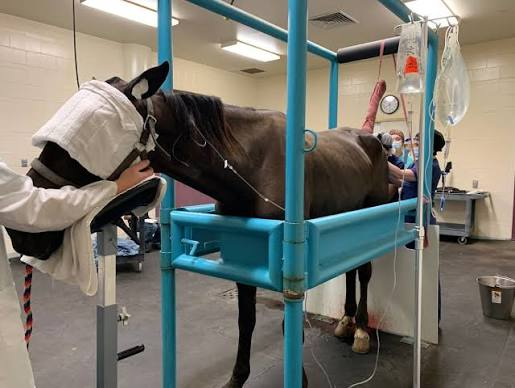
Tranquilizers, sedatives, analgesics; standing and lying anesthesia
Hearing
They recognize amplitude and pitch, not specific words
Smell
very acute, have flehmen response
Flehmen response
chemoreceptors in nostrils perceive gas molecules

Taste
used in exploration in foals, can cause stomach upset but also good for building gut bacteria
Touch
very sensitive skin, used in communication
Infectious Diseases: Viral
Acute encephalitis caused by a neurotropic rhabdovirus, west Nile virus, Encephalomyelitis, Influenza, Rhinopneumonitis
Infectious Diseases: Bacterial
Tetanus, strangles
Acute encephalitis caused by neurotropic rhabdovirus
Rabies, cooked
West Nile Virus
Mosquito-borne that causes inflammation of the brain and spinal cord (encephalomyelitis), no cure and takes 1-6 months to see improvement.
Encephalomyelitis
Primarily spread by mosquitos, causes inflammation of the brain and spinal cord, no cure but requires supportive care
Influenza
Highly contagious viral respiratory disease, requires supportive care and quarantine.
Rhinopneumonitis
Contagious viral disease caused by equine herpesvirus, causes late term abortions, no cure and requires supportive care and quarantine
Tetanus
often fatal neurological disease, wound care, antibiotics, tetanus antitoxin, and supportive care
Strangles
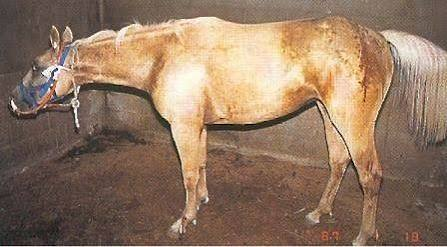
Highly contagious bacterial upper respiratory infection, lymph nodes, supportive care, antibiotics for complicated cases
First Aid Kits
Waterproof box, bandage material, antiseptic solution, scissors, thermometer, stethoscope, sedation, antibiotic ointment, gloves, Epson salt, bucket, duct tape, flashlight, diapers, hoof pick
When to call the vet: Immediately
Colic, eye issues, severe lameness, wounds/bleeding, choke, foaling emergencies, high fever
When to call the vet: Urgent/Same Day
Lacerations, appetite loss, foot abscesses/early laminitis, swollen limbs, sudden diarrhea
When to call the vet: Time-sensitive/Within 48 hours
Mild/persistent lameness, infectious disease signs, skin issues
Infectious disease management strategies are aimed at
reducing exposure to infectious agents and minimizing factors that increase disease potential
Disease Management
Quarantine, treatment, disinfect, vaccinations

Common Ailments
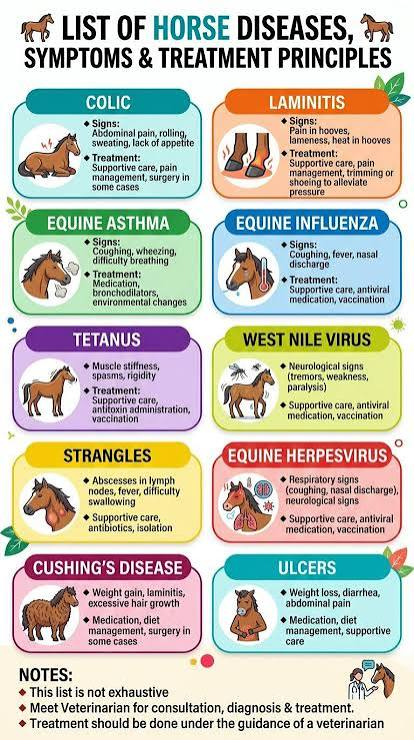
Colic, rhabdomyolysis, equine protozoal myeloencephalitis, COPD, Cushing's, anhydrosis, lameness
Colic
Abdominal pain, most common emergency, remove food/water, prevent rolling and thrashing, call vet
Rhabdomyolysis
Known as “tying-up”, is the breakdown and necrosis of skeletal muscle tissues, usually triggered by exercise, acute vet emergency
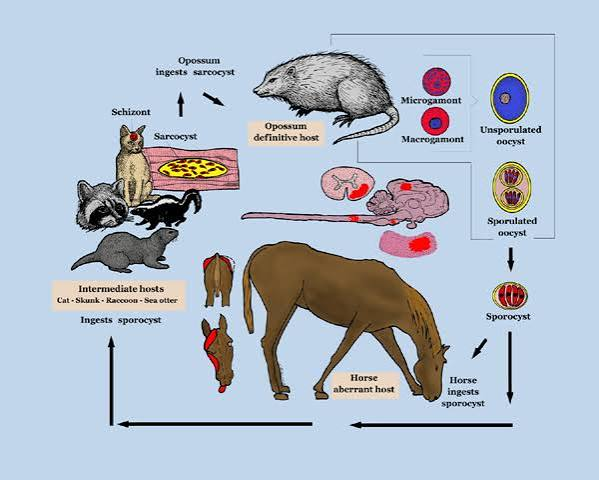
Equine protozoal myeloencephalitis
severe neurological disease of the central nervous system, opossum’s are the primary host, 60-70% recovery rate
COPD
equine asthma, chronic, treated with environmental control, food modifications, and medication to open airways and reduce inflammation
Cushing’s
progressive endocrine disorder, chronic and treated with medical therapy, dietary adjustment, and husbandry care
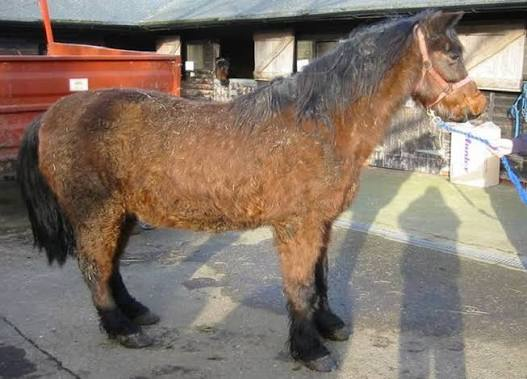
Anhidrosis
horse loses the ability to sweat normally, no cure
Lameness
abnormal stance or gait, may need vet intervention, special shoeing, anti-inflammatory meds, stall rest, or surgical intervention