Dendrology - Bark
 Call Kai
 Learn
 Practice Test
 Spaced Repetition
 Match
 Flashcards
 Knowt Play
1/47

Earn XP
Description and Tags
For Hocking College FOR-1009 & FOR-1010, Dendrology I & II.
48 Terms
American Chestnut
Young bark is smooth, shiny, and olive-brown with prominent lenticels. Mature bark is dark graybrown and thick with shallow irregular furrows separating broad flat-topped shiny ridges.
Black Oak
Mature bark of black oak is dark gray to near black and divided into broad, furrowed ridges. The inner bark is bright orange or yellow
Bur Oak
Mature bark becomes highly ridged and deeply furrowed with dark gray color that is characteristic of the white oak group
Chinkapin Oak
Immature bark is light gray and ranges from flaky to platy. Mature bark has ridges that break into light gray blocks and are separated from dark gray deep furrows. Bark flakes off easily when rubbed
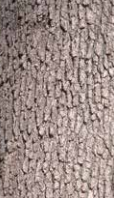
Red Oak
Immature bark is smooth and light gray, maturing to dark gray or nearly black with shiny flattened ridges resembling ski tracks
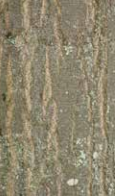
Pin Oak
Thin, slightly ridged and shallowly furrowed when young; dark gray to gray-brown in maturity
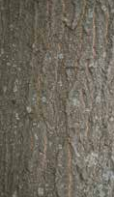
Scarlet Oak
Thin bark becomes moderately ridged and shallowly furrowed with age and is dark gray to gray brown in color.
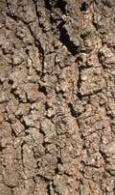
Shingle Oak
Thin immature bark becomes ridged and furrowed with age; dark gray to gray brown in color. Wood is distinctly red-orange when cut or split.
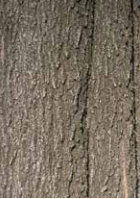
Shumard Oak
Immature bark is light gray, smooth, and reflective in winter sun. Mature bark is ridged, furrowed, and dark gray in color.
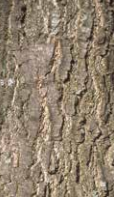
White Oak
Highly variable bark may be ridged, deeply furrowed, have small vertically aligned blocks or scales, and is light gray color
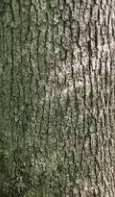
Black Locust
Bark is rough, deeply furrowed, and thick, ranging in color from gray to brown with olive green tints.
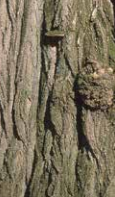
Northern Catalpa
Mature gray-brown bark varies from one tree to the next, with some being scaly, others ridged, and still others having the long ridges broken into rectangular blocky plates
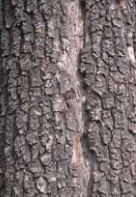
American Elm
Dark gray to gray-brown with flattened ridges and intervening furrows; separated by diamond-shaped fissures on older trees. Outer bark, when sectioned, shows alternating brown and cream-colored layers. Bark can be thick and often spongy
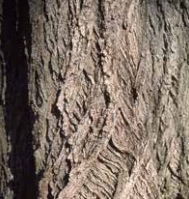
Red Elm
Light-gray brown with flattened ridges and intervening furrows. Bark does not show buff colored streaks when sectioned. Inner bark is sticky and slippery to the touch.
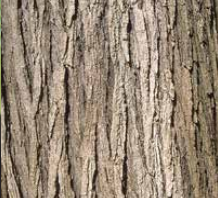
Persimmon
Mature bark is thick and blocky in texture and dark gray in color
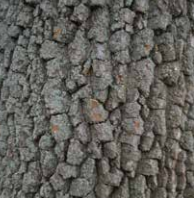
Ohio Buckeye
Variable, but broken into subtle flaky ridges, fissures, and long, warty plates with age. Light gray to light brown in color, without the rectangular platy appearance of yellow buckeye.
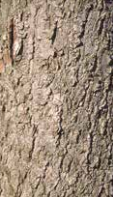
Yellow Buckeye
Initially smooth, light grayish brown and often quite splotchy. Breaks into flaky rectangular plates with age, revealing a lighter-colored interior bark.
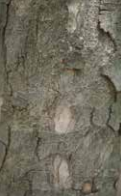
Sassafras
Young bark is usually furrowed and greenish-brown; mature bark is gray-brown with reddish inner bark, deep furrows, and interlacing ridges
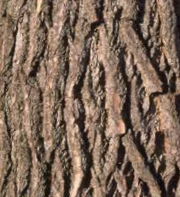
Sugar Maple
Thick light gray to brown and broken by vertical furrows into plate-like scales, but highly variable in color and appearance with increasing age. Salmon-pink color under bark plates and in fissures.
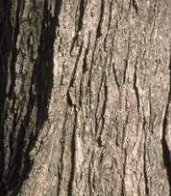
Red Maple
Light gray and smooth on younger trees. Older tree bark is darker, developing thicker furrows and scales with age to give a twisted, ragged appearance.
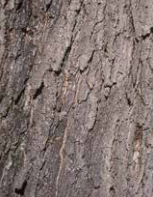
Silver Maple
Smooth and silvery when immature, forming long, shaggy rough scales with age. Mature bark is graybrown with exterior scales and orange interior bark
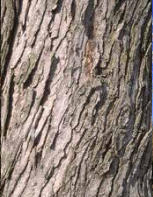
Boxelder Maple
Bark is pale gray or light brown, deeply divided, and forms interlacing scaly ridges and furrows with increasing age.
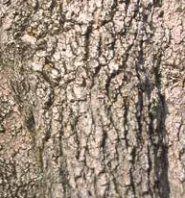
Green Ash
Young bark is usually flaky and forms tall interlacing ridges and deep furrows with age, yielding a classic diamondback pattern on the mature bark.
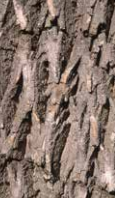
White Ash
Gray-brown, evenly furrowed into diamond shaped areas separated by narrow interlacing ridges, slightly scaly on very old trees. Mature bark is similar in appearance to green ash bark.
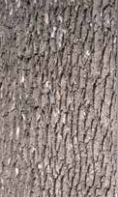
Butternut
Light, ashy to silvery gray, smooth when young and developing flat-topped shiny ridges and deep furrows with age.
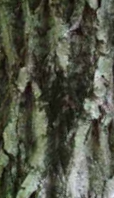
Black Walnut
Bark color ranges from brown-gray to gray-black, with a chocolate brown color underneath when scraped, flaky when young but ridged and furrowed with age. Narrow bark ridges form an interlacing diamondback pattern and develop thick, warty plates.
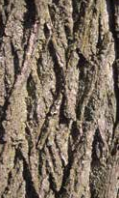
Bitternut Hickory
Light gray bark remains rather smooth for many years, eventually developing shallow furrows and low, narrow interlacing ridges. Bark does not peel like shagbark or shellbark hickories.
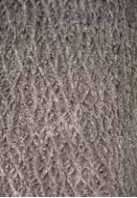
Mockernut Hickory
Initially gray and smooth, later developing interlaced round-topped, light gray ridges and shallow, darker furrows, never shaggy or exfoliating.
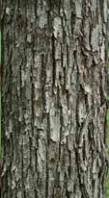
Pignut Hickory
Initially smooth and gray, soon developing scaly narrow ridges; gray to dark gray bark on older trees has obvious close interlacing shaggy-topped ridges.
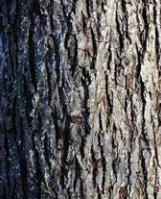
Shagbark Hickory
Young gray bark is smooth and striated but develops buckling ridges that separate from underlying bark to form long curly strips or plates
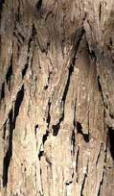
Shellbark Hickory
Initially smooth and gray with flat, shallow interlacing ridges, later developing long, loose plates, resulting in a rough, shaggy appearance
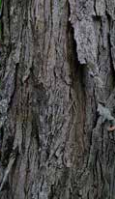
Bigtooth Aspen
With age, bark changes from thin, white-gray, and smooth with dark longitudinal fissures to white, creamy bark with large black horizontal bands, to furrowed and ridged, dark gray bark at the base of the trunk. Bark often has diamond-like pattern when young
Black Willow
Thick, rough, blackish-brown, with scaly interlacing ridges and deep furrows
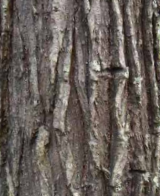
Eastern Cottonwood
Smooth and greenish when young; dark brown-gray, heavily furrowed, and ridged with deep fissures when mature
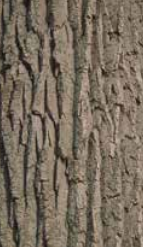
Sweetgum
Deeply ridged and furrowed with a gray-brown coloration when mature.
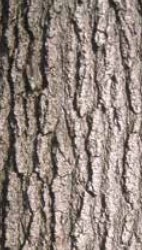
Eastern White Pine
Gray-green, smooth when young, then develops dark gray or brown ridges and furrows
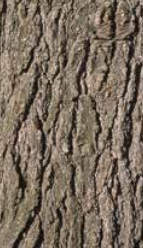
Loblolly Pine
Initially scaly gray with orange-red interior bark, developing deep furrows topped with scaly plates or rounded ridges that are reddish-brown, gray-brown, or gray-black.
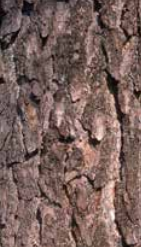
Pitch Pine
Dark and scaly when young, developing redbrown or yellow-brown thick flat plates and deep furrows with age.
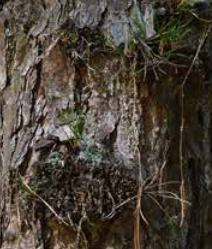
Red Pine
Bark on young trees is flaky and orange-red, eventually breaking up into large, flat, reddish brown, superficially scaly plates that are irregularly diamond shaped.
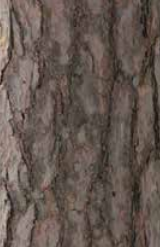
Scotch Pine
Orange to orange-brown and scaly or peeling when young; later developing irregular gray or redbrown ridges and furrows. Upper trunks show orange peeling bark while lower trunk bark is composed of gray or reddish-brown fissures and plates.
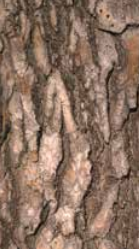
Shortleaf Pine
Bark is thick, reddish-brown, broken into large, irregular, scaly plates. May develop small resin pockets.
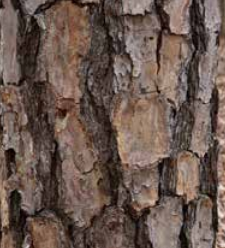
Virginia Pine
Thin and relatively smooth young bark becomes very scaly or plated with age, and has a reddish-brown color. It does not have the orange bark on its upper limbs that is typical of Scotch pine, the other common pine with two twisted needles per bundle
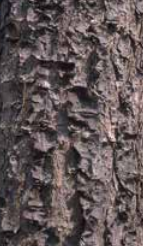
Callery pear
At first smooth with numerous lenticels, light brown to reddish brown then grayish brown, shallowly furrowed and ridged with age
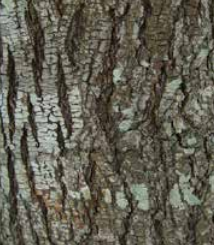
Sawtooth Oak
Ragged, ridged, furrowed, dark gray to gray-brown
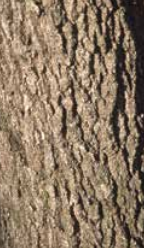
Siberian Elm
Irregularly furrowed, ridged, light grayish brown, often streaked with lighter stains caused by slime flux (a bacterial disease also called wet wood).
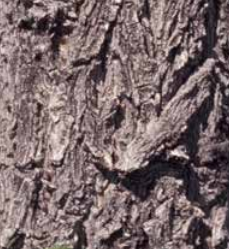
Tree of Heaven
Bark remains fairly smooth as twigs become branches, taking on a subtle diamond-like pattern. Ridges and furrows are slow to appear on light gray mature bark.
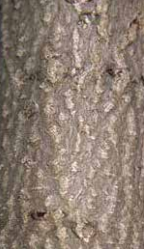
Paw Paw
Typically smooth, thin, and gray to ash-brown, developing distinctive light-colored, wart-like lenticels and blotches as it ages, and it emits a strong, unpleasant odor when bruised
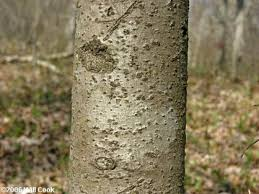
Eastern Redbud
Dark red-brown, on older trees scaly