Homeostasis
 Call Kai
 Learn
 Practice Test
 Spaced Repetition
 Match
 Flashcards
1/17

There's no tags or description
Looks like no tags are added yet.
18 Terms
Homeostasis
Process where organisms maintain a stable internal environment
Set Point
A condition maintained by homeostasis (example. human body temperature is usually ~98.6 F)
Stimulus
a change that disrupts an organism's set point (you exercise and your body temperature rises)
Receptor/Sensor
cells or tissues that monitor changes in the body or environment (thermoreceptors detect changes in temperature, the hypothalamus of the brain detects changes in homeostasis)
Effector
tissue or organ that produces a reaction to a stimulus (sweat glands in the skin release sweat)
Response
An action or change in behavior that occurs as a result of a stimulus (sweating releases heat)
Feedback
The consequence of the response to a stimulus (heat lost by sweating cools the body back to 98.6 F)
Thermoregulation
Process of maintaining an internal temperature within a tolerable range. For humans the ideal temperature is 98.6 F
negative feedback
When the response to a stimulus REDUCES the effects of the stimulus (sweating LOWERS temperature to the set point)

positive feedback
When the response to a stimulus ACCELERATES or INCREASES the effects of a stimulus.

Organ
A collection of tissues that carry out a specialized function of the body
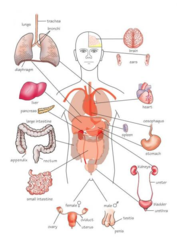
tissue
A group of similar cells that perform the same function.
Four types: muscular, nervous, connective, epithelia
organ system
A group of organs that work together in performing vital body functions.

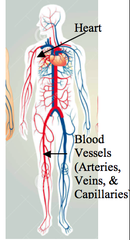
circulatory system
This system works as the transportation highway for the body. It consists of the heart, blood, and blood vessels. It transports substances such as oxygen, carbon dioxide, and nutrients in the body.
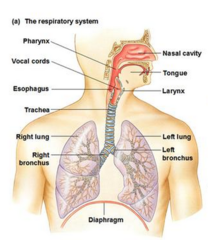
respiratory system
organ system responsible for taking in oxygen and releasing carbon dioxide using the lungs
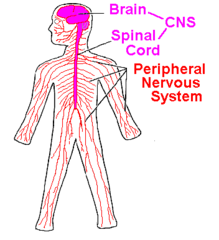
nervous system
the network of nerve cells and fibers that transmits nerve impulses between parts of the body and the brain
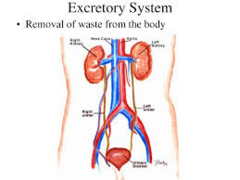
excretory system
the system that removes waste from your body and controls water balance
digestive system
body system the breaks down food and absorbs nutrients
