Domains and Theories of Development
 Call Kai
 Learn
 Practice Test
 Spaced Repetition
 Match
 Flashcards
 Knowt Play
1/60

There's no tags or description
Looks like no tags are added yet.
61 Terms
prenatal, postnatal
what are the age related periods of development
37-40 weeks
what is the normal length of pregnancy
physical changes that occur in the body
what is growth
quantitative
growth refers to a ________________ change
physical changes within organs and body systems that cause them to reach their adult form and function
what is maturation
the accommodation of the body to its environment
what is adaptation?
the immune system making antibodies following exposure to a virus
what is an example of positive adaptation
flattening of an infants skull in response to laying on their back for too long
what is an example of a negative adaptation
a form of adaptation that causes a change in behavior
what is learning
biophysical, psychological, sociocultural
what are the developmental domains
the development of motor skills needed to perform everyday activities
what is included in the biophysical domain of development
development of intellectual abilities, motivation, and affective function, emotions
what is included in the psychological domain of development
the ability to interact with people and fulfill roles
what is included in the sociocultural domain of development
genetics, maturation, environment, culture
what factors affect development
different cultures have different ways of doing things such as sitting, walking and child handling
how does culture effect development
inter person and intra person
what are the types of differences in culture
onset, sequence, form, and acquisition
in what ways can motor skills be different between individuals and within one person
the change in motor behavior over the life span
what is motor development
Neuromaturational
dynamic systems
neuronal group selection
perception action
what are the theories of child development
reflex theory and hierarchical theory
what theories of motor control is the neruomaturational theory of motor development based on
maturation of the nervous system
what does neruomaturational theory correlate with motor development
the onset of primitive reflexes, dominance of the cerebral cortex over lower brain levels, myelination progression
in what ways would the NS maturing affect motor development based on the reflexive and hierarchical theories of motor control
it would increase information processing and therefore increase reflexes
how would myelination affect motor development
gesell
which scientist made the developmental principles
developmental directionality
reciprocal interweaving
functional asymmetry
self regulation
what are the developmental principles?
cephalocaudal: head control before trunk control
Proximal to distal: proximal body parts will stabilize before distal parts
what two directions of development did gesell suggest occur during motor development, what are they
toddlers on a treadmill were able to heel strike when their weight was supported
reaching with the feet before reaching with the arms
how was cephalocaudal development contradicted?
infants can manipulate objects in their hands without trunk control
how was proximal to distal development contradicted?
behaviors develop and disappear, then reappear at a higher level
what is the concept of reciprocal interweaving?
reciprocal excitation and inhibition in areas of the CNS
how does maturation of the NS occur? this causes less mature behaviors to disappear and then reappear in mature forms
it is deep
periods are of equilibrium have stable behaviors, what does this say about the attractor well?
shallow
what is the attractor well when periods of disequilibrium are when behaviors become unstable
development has bursts and pauses for protective limits
what is the principle of self-regulation
response to stimuli that occur shortly after birth
what are primitive reflexes?
righting, protective, and equilibrium reactions
what are postural reactions?
behaviors of the midbrain that align the body in respect to gravity
what are righting reactions
behaviors from the cerebral cortex that aim to maintain posture
what are equilibrium reactions
rooting
Primitive Reflex:
stimulus: stroke corner of mouth
response: turning the face and tongue to the side of the stimulus
integration: 3 mo

crossed extension
Primitive reflex:
stimulus: noxious stimulus to the sole of the foot
response: LE flexion on the involved side, extension and adduction of the other
integration: 1-2 mo

moro
Primitive reflex:
stimulus: posterior head drop in sitting
response: bilateral shoulder abduction, elbow extension, open hand followed by shoulder adduction and elbow flexion (LE flexion)
integration: 4-6 mo

plantar grasp
Primitive reflex:
stimulus: pressure to the metatarsal heads
response: strong toe flexion
integration: 9-12 mo

primary standing
Primitive reflex:
stimulus: feet contact with a surface when being supported vertically
response: WB through LE without full extension of the hip
integration: 1-2 mo
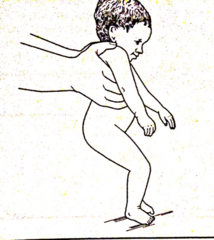
primary walking
Primitive reflex:
stimulus: supported standing with trunk tipped forward
response: taking steps
integration: 1.5-2 mo

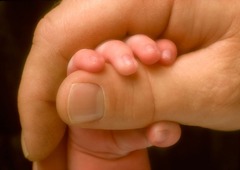
palmar grasp
Primitive reflex:
stimulus: pressure to palm
response: strong finger flexion
integration: 9 mo
asymmetrical tonic neck reflex (ATNR)
Primitive reflex:
stimulus: rotation of the head 90 degrees
response: UE and LE extension to the side of the head turn, flexion on opposite
integration: 4-6 mo

symmetrical tonic neck reflex (STNR)
Primitive reflex:
stimulus: head flexion or extension
response: UE flexion/LE extension OR UE extension//LE felxion
integration

derogative neck
Righting Reactions:
stimulus: neck rotation in supine
response: immature or mature rolling
integration: 4-6 mo 5 years

log rolling in the direction the neck is rotated
what is an immature response in the derogative neck righting reaction
segmental rolling from shoulder to pelvis
what is a mature response in the derogative neck righting reaction
lateral
Righting Reactions:
stimulus: lateral displacement of weight
response: keeping the head up right
integration: persists
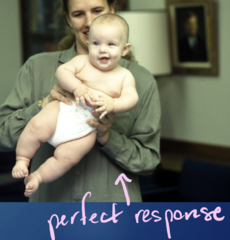
optical
Righting Reactions:
stimulus: visual input
response: head elevation against gravity
integration: persists

body on body
Righting Reactions:
stimulus: rotation of part of the body
response: immature and mature rolling
integration: 4-6 mo, 5 years
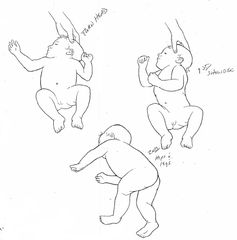
landau
Righting Reactions:
stimulus: prone suspension while raising and lowering
response: head trunk, and LE extention
integration1-2 years

downward parachute
Righting Reactions:
stimulus: quick inferior discplacement
response: Hip flexion, adduction, ER and knee flexion followed by hip and knee extension with WB
integration: persists

forward protective
Righting Reactions:
stimulus: quick displacement head first
response: arms out in from with open hand
integration: persists
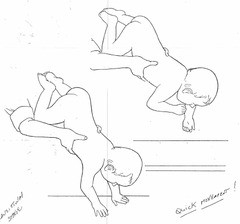
lateral protective
Righting Reactions:
stimulus: quick lateral displacement
response: arm extended out to side on the side of displacement
integration: persists

backward protective
Righting Reactions:
stimulus: quick posterior displacement
response: backward extension of UE
integration: persists

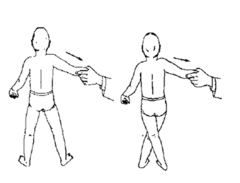
staggering (LE stepping)
Righting Reactions:
stimulus: quick displacement in any direction when standing
response: taking steps in direction of displacement to regain balance
integration: persists
derogative neck, body on body, landau
which of the righting reactions do not persist through life?
derogative neck and body on body
these righting reactions have the immature response integrated at 4-6 months and the mature at 5 years, both have to do with rolling
extension and abduction of the UE and LE on the non WB side, trunk flexion on the non WB side, and trunk elongation on the WB side
what is the equilibrium response to a lateral tilt of the supporting surface that persists through life and can be seen in all positions
