Flashcards bio set 1
 Call Kai
 Learn
 Practice Test
 Spaced Repetition
 Match
 Flashcards
 Knowt Play
1/52

There's no tags or description
Looks like no tags are added yet.
53 Terms
Homologous Chromosome
chromosomes pairs of the same length, centromere position, and staining pattern that possess genes for the same characters at the coresspondng locations

One homologue
inherited from the organisms mother
Somatic cells
body cells not sperm or egg there all other are

Chromosome
a DNA molecule; contains herediatory information in the form of genes; humans have 23 chromosomes in sperm or egg
46 chromosomes in the somatic cells

mRNA
messenger RNA carries the DNA code from the nucleus into the cytoplasm in sets of three bases called codons

rRNA
Ribosomal RNA is combined with proteins to make a ribosome
Ribosome: the site of protein synthesis

tRNA
transfer RNA carries the amino acids to the ribosome for protein synthesis
tRNA has the anticodon- complementary to the codon

Base pairing rule for RNA
Adenine-Uracil Cytosine-Guanine

Transcription
DNA is used as template for the synthesis of RNA

Translation
mRNA, tRNA, and ribosomes come together to synthesize protein

The DNA Dictionary Rule
always read the DNA dictionary from the codons, not the anticodons!
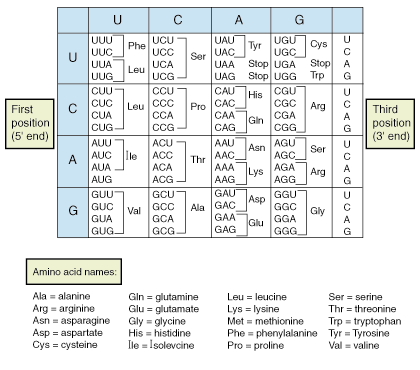
The DNA Dictionary
The genetic code for translating each nucleotide triplet, or codon in mRNA into an amino acid or a termination signal in a developing protein

The protein synthesis translation machinery includes the..
large & small subunits of the ribosome,mRNA and tRNA
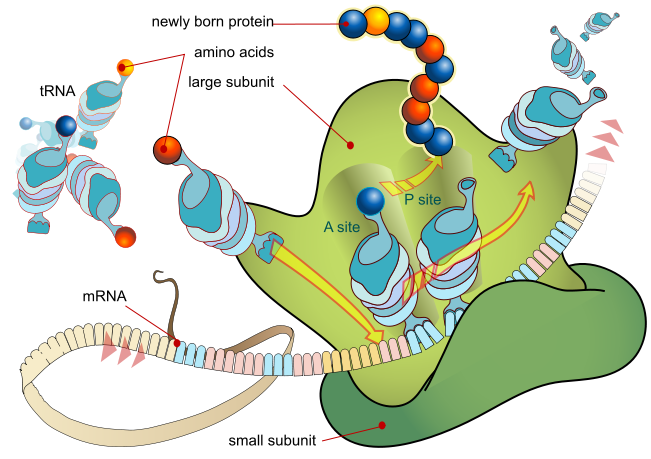
The Structure of tRNA
is a small RNA molecule—typically 76 to 90 nucleotides long—that acts as a physical adapter between messenger RNA (mRNA) and amino acids during protein synthesis.

Diploid Cell
a cell containing two sets of chromosomes (2n), one set inherited from each parent

Haploid cell
A cell containing one set of chromosomes (N)
SEX cells (sprem &eggs) are haploid they’re also called GAMETES

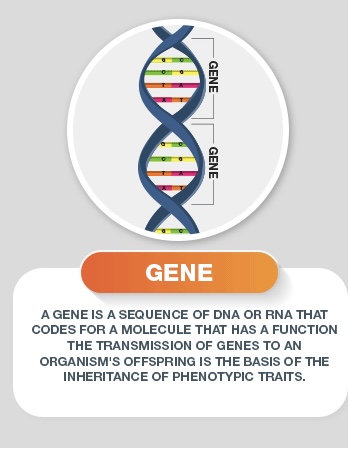
Gene
A segment of DNA molecule that carries the code for a protein or a closely related family of proteins
Locus
the location of a gene on a chromosome
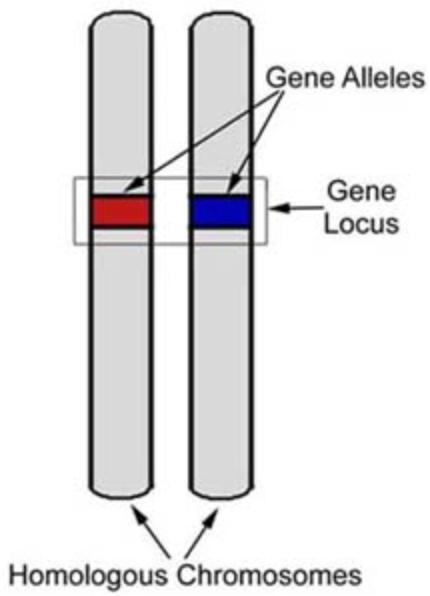
Allele
an alternative form of a gene

Mutation
An alteration in the nucleotide sequence of the genome of an organism or virus

homozygous
having two identical alleles for a given gene on the homologous chromosomes

dominant
A allele masks the effect of a recessive allele. You only need one copy of this allele (from either parent) for the trait or condition to show up.
recessive
describes a trait whose expression is masked by another trait when the alleles for both traits are present in an individual
phenotype
observable traits expressed by an organism

genotype
the underlying genetic makeup, consisting of both physically visible and non-expressed alleles, of an organism

Law of Dominance
states that in a heterozygote, one trait will conceal the presence of another trait for the same characteristics

Punnet square
a visual representation of a cross between two individuals in which the gametes of each individual are denoted along the top and side of a grid, respectively, and the possible zygotic genotypes are recombined at each box in the grid

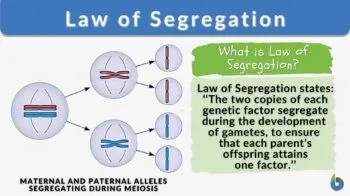
Law of Segregation
paired unit factors (i.e., genes) segregate equally into gametes such that offspring have an equal likelihood of inheriting any combination of factors
Test cross
a cross between a dominant-expressing individual with an unknown genotype and a homozygous recessive individual; the offspring phenotypes indicate whether the unknown parent is heterozygous or homozygous for the dominant trait

Law of Independent Assortment
genes do not influence each other with regard to sorting of alleles into gametes; every possible combination of alleles is equally likely to occur

Trait
A variation in an inherited characteristic

F1
the first filial generation in a cross; the offspring of the parental generation

F2
the second filial generation produced when F1 individuals are self-crossed or fertilized with each other

P
the first generation in a cross

wild type
the most commonly occurring genotype or phenotype for a given characteristic found in a population (+)

Recombination
the process during meiosis in which homologous chromosomes exchange linear segments of genetic material, thereby dramatically increasing genetic variation in the offspring and separating linked genes

dihybrid
the result of a cross between two true-breeding parents that express different traits for two characteristics

Codon
three consecutive nucleotides in mRNA that specify the addition of a specific amino acid or the release of a polypeptide chain during translation

Exon
a sequence present in protein-coding mRNA after completion of pre-mRNA splicing

Genetic code
the amino acids that correspond to three-nucleotide codons of mRNA

intron
non–protein-coding intervening sequences that are spliced from mRNA during processing

nitrogenous base
a nitrogen-containing molecule that acts as a base; often referring to one of the purine or pyrimidine components of nucleic acids

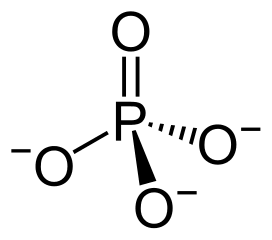
phosphate group
a molecular group consisting of a central phosphorus atom bound to four oxygen atoms
gene expression
processes that control whether a gene is expressed

double helix
The molecular shape of DNA in which two strands of nucleotides wind around each other in a spiral shape

gel electrophoresis
a technique used to separate molecules on the basis of their ability to migrate through a semisolid gel in response to an electric current

restriction enzyme
an enzyme that recognizes a specific nucleotide sequence in DNA and cuts the DNA double strand at that recognition site, often with a staggered cut leaving short single strands or “sticky” ends

adaptation
a heritable trait or behavior in an organism that aids in its survival in its present environment
analogous structure
a structure that is similar because of evolution in response to similar selection pressures resulting in convergent evolution, not similar because of descent from a common ancestor

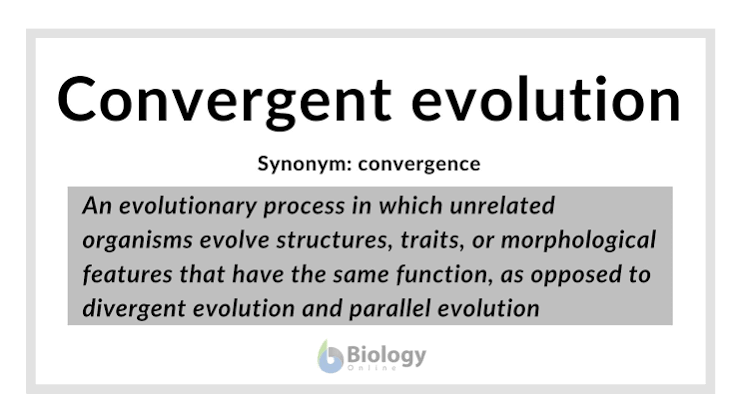
convergent evolution
an evolution that results in similar forms on different species
gene pool
all of the alleles carried by all of the individuals in the population

homologous structure
A structure that’s similar because of descent from a common ancestor

microevolution
a broader scale of evolutionary changes seen over paleontological time