Cranial Nerves - Functions, Symptoms, & Assessment (Milestone #5)
 Call Kai
 Learn
 Practice Test
 Spaced Repetition
 Match
 Flashcards
 Knowt Play
1/54

Earn XP
Description and Tags
55 Terms
What is the acronym to remember which CNs have Sensory/Motor functions, or have Both?
Some Say Marry Money But My Brother Says Big Brains Matter More
What is the mnemonic to remember the # order of the CNs?
On Old Olympus Towering Tops, A Finn And German Viewed Some Hops
Is the Trigeminal nerve innervation Bilateral or Unilateral?
Bilateral?
Is the Facial nerve innervation Bilateral or Unilateral?
motor: top ½ is bilateral, bottom ½ is unilateral
sensory:
Is the Glossopharyngeal nerve innervation Bilateral or Unilateral?
Bilateral
Is the Vagus nerve innervation Bilateral or Unilateral?
motor: bilateral
sensory:
Is the Hypoglossal nerve innervation Bilateral or Unilateral?
Unilateral
I. Olfactory (sensory or motor)
Sensory
II. Optic (sensory or motor)
Sensory
III. Oculomotor (sensory or motor)
Motor
IV. Trochlear (sensory or motor)
Motor
V. Trigeminal (sensory or motor)
Both
VI. Abducens (sensory or motor)
Motor
VII. Facial (sensory or motor)
Both
VIII. Vestibulocochlear (sensory or motor)
Sensory
IX. Glossopharyngeal (sensory or motor)
Both
X. Vagus(sensory or motor)
Both
XI. Spinal Accessory (sensory or motor)
Motor
XII. Hypoglossal (sensory or motor)
Motor
Olfactory nerve (number)
I

Optic nerve (number)
II
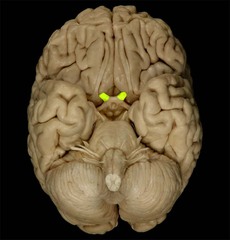
Oculomotor nerve (number)
III

Trochlear nerve (number)
IV

Trigeminal nerve (number)
V

Abducens nerve (number)
VI

Facial nerve (number)
VII

Vestibulocochlear nerve (number)
VIII

Glossopharyngeal nerve (number)
IX

Vagus nerve (number)
X

Spinal Accessory nerve (number)
XI

Hypoglossal nerve (number)
XII

Olfactory function
special sensory: smell
Optic function
special sensory: visual acuity, visual fields
Oculomotor function
sensory: vision
motor: eyelid elevation, most extraocular movements, pupil size/reactions
Trochlear functions
motor: turn eye downward/laterally
Trigeminal function
sensory: facial/mouth sensation, SENSATION for anterior 2/3 of tongue, corneal reflex
motor: chewing, laryngeal muscles, other oral / throat muscles (tensor tympani & tensor velum palatini)
Symptoms of Trigeminal nerve lesion
sensory: decreased touch sensation facial zones, reduced sneeze/corneal reflexes
motor: paralysis of chewing muscles, deviation of jaw toward side of injury
Abducens function
motor: turn eye laterally
Facial nerve function
sensory: TASTE for anterior 2/3 of tongue & soft palate, corneal reflex, stapedius reflex
motor: muscles of facial expression, gland secretion regulation, eyelid & lip closure
Symptoms of Facial nerve lesion
Paralysis/drooping of face muscles, LOSS OF TASTE anterior 2/3 tongue, dysarthria (lip paralysis), excessive eye/palate secretions,
Vestibulocochlear function
sensory: hearing & equilibrium
Glossopharyngeal function
sensory: SENSATION & TASTE for swallowing (posterior 1/3 tongue + pharynx); responsible for GAG REFLEX
motor: gland secretion regulation, stylopharyngeus muscle (assists w/ swallowing)
Symptoms of Glossopharyngeal nerve lesion
Dysphagia, LOSS OF TASTE/SENSATION for posterior 1/3 tongue,*loss of gag reflex, excessive oral secretions, dry mouth)
Vagus function
sensory: SENSATION & TASTE for swallowing (pharynx, larynx, laryngopharynx)
motor: muscles & glands for swallowing (pharynx, larynx, esophagus), phonation (larynx), soft palate elevation
Symptoms of Vagus nerve lesion
Issues with digestion, respiration, heart rate, respiratory rate; reflexes: sneeze, cough, swallow, vomiting
Absent or asymmetrical soft palate elevation (i.e. shown via hypernasality)
Spinal Accessory functions
motor: controls head & shoulders
Symptoms of Spinal Accessory nerve lesion
slouched shoulders, inability to shrug shoulders against resistance, impaired head turn against resistance
Hypoglossal function
motor: tongue movement
Symptoms of Hypoglossal nerve lesion
Dysarthria, dysphagia (oral/oropharyngeal phase)
LMN lesion - wrinkling & flaccidity of tone
Unilateral UMN lesions - not much effect since tongue is bilaterally innervated
Trigeminal physical assessment
motor: open mouth, chew, swallow, chew forward & back, yawn
sensory: test for SENSATION of anterior 2/3 tongue
Facial physical assessment
motor: smile, puff cheeks, raise eyebrows, show teeth, etc.
sensory: check taste anterior 2/3 tongue
glossopharyngeal physical assessment
gag reflex, say Ahhh, check for taste/sensation posterior 1/3 tongue
vagus physical assessment
cough, say Ahhh (check for symmetrical elevation of soft palate/uvula), speak (use voice—phonation)
Spinal Accessory physical assessment
shrug shoulders against resistance, turn head from side to side with resistance
hypoglossal physical assessment
stick out tongue, pull tongue back, check bolus management (oral phase of swallow)