Plant Tax Lecture Quiz (eudicots II - eudicots IV)
 Call Kai
 Learn
 Practice Test
 Spaced Repetition
 Match
 Flashcards
 Knowt Play
1/14

There's no tags or description
Looks like no tags are added yet.
15 Terms
Rosids have a tendancy to have…
perianth with unfused parts and stamen merosity greater than the calyx or corolla
Genealogy of Citrus fruits
All citrus fruits are derived from only 5 species: Kumquat, Micrantha, Citrons, Pure Mandarins, and Pummelos
Botanical literature: scientific papers
phylogenies, new species, synonyms
botanical literature: Floras
a catalog of all plants from a given geographic region. In Plant Taxonomy, we follow the nomenclature of the Jepson manual
botantical terms: monograph
a detailed taxonomic treatment of a genus or a family
The Angiosperm Phylogeny Group
• International collaboration that seeks to stabilize the names
• Classifications are updated every handful of years focusing on family and order names (1998, 2002, 2009, 2016, 2026)
• All changes are updated in the APWEB
angiosperms: how many families? how many order?
66 orders total (46 in 2016)
407 families (416 in 2016)
APWEB
Angiosperm phylogeny website
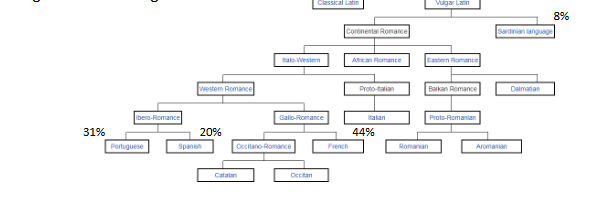
A “phylogenetic tree” of Romance languages
Percentages show the calculated divergence from Latin grammar structure
Principles of the international code of nomenclature for algae, fungi, and plants
1. The nomenclature of algae, fungi, and plants is independent of zoological and prokaryotic nomenclature. This Code applies equally to names of taxonomic groups treated as algae, fungi, or plants, whether or not these groups were originally so treated .
2. The application of names of taxonomic groups is determined by means of nomenclatural types.
3. The nomenclature of a taxonomic group is based upon priority of publication.
4. Each taxonomic group with a particular circumscription, position, and rank can bear only one correct name, the earliest that is in accordance with the rules, except in specified cases.
5. Scientific names of taxonomic groups are treated as Latin regardless of their derivation.
6. The rules of nomenclature are retroactive unless expressly limited.
type specimen
one that is directly associated with the description of a taxon
Herbaria are repositories of preserved plant collections
• Mostly pressed and dried plant specimens mounted on a sheet of paper
Collections can also include:
• Liquid collections of flowers
• Collection of DNA tissue in silica gel (desiccant)
• Collection of extracted DNA (stored at -80º C)
Herbarium specimens in research
• Taxonomic research, new species and taxonomic monographs
• Production of floras (lists of plants in an area), identifications guides, and field guides
• Plant phylogenetics
• Relationships of plants to other organisms (endosymbiotic fungi, parasitic insects, etc.)
• Tracing plant diseases
• Tracking and controlling non-native species
• Tracking pollution and environmental degradation
• Exploring the effects of climate change on plant distributions, morphology, health, phenology, etc
molecular explanation of how order Caryophyllales became so diverse
many Polyploidy events
Asterids
Tendency have sympetalous corolla