DevPsy: Finals L3 - Late Adulthood
 Call Kai
 Learn
Learn Practice Test
 Spaced Repetition
 Match
Match Flashcards
 Knowt Play
1/85

Earn XP
Description and Tags
Name | Mastery | Learn | Test | Matching | Spaced | Call with Kai | Chat |
|---|
No analytics yet
Send a link to your students to track their progress
86 Terms
Ageism
Prejudice or discrimination based on age.
Primary aging
A gradual, inevitable process of bodily deterioration that begins early in life and continues through the years irrespective of what people do to stave it off
Secondary aging
Results from disease, abuse, and disuse—factors that are often within a person’s control
Young Old
Generally refers to people ages 65 to 74, who are usually active, vital, and vigorous.
Old old
Ages 75 to 84
Oldest old
Ages 85 and above
Activities of daily living (ADLs)
Essential activities that support survival, such as eating, dressing, bathing, and getting around the house.
Functional Age
Measure of a person’s ability to function effectively in his or her physical and social environment in comparison with others of the same chronological age.
Gerontology
Study of the aged and the process of aging.
Geriatrics
The branch of medicine concerned with aging, are concerned with differences among the elderly.
Life Expectancy
The age to which a person born at a certain time and place is statistically likely to live, given his or her current age and health status.
Women
Nearly all over the world, _____ typically live longer and have lower mortality rates at all ages
Trends and Factors in Life Expectancy
Gender Differences
Racial and Ethnic Differences
Senescence
Period of the life span marked by declines in physical functioning usually associated with aging; begins at different ages for different people.
Genetic-Programming Theories
Theories that explain biological aging as resulting from a genetically determined developmental timetable.
Programmed Senescence Theory
Aging is the result of the sequential switching on and off of certain genes.
Endocrine Theory
Biological clocks run through hormones to control the pace of aging.
Immunological Theory
A programmed decline in immune system functions leads to increased vulnerability to infectious disease and thus to aging and death.
Evolutionary Theory
Aging is an evolved trait thus genes that promote reproduction are selected at a higher rates than genes that extend life.
Variable-rate theories
Theories that explain biological aging as a result of processes that involve damage to biological systems and that vary from person to person.
Wear and Tear Theory
Cells and tissues have vital parts that wear out.
Free Radical Theory
Accumulated damage from oxygen radicals causes cells and eventually organs to stop functioning.
Rate of Living Theory
The greater and organism’s rate of metabolism, the shorter its lifespan.
Autoimmune Theory
Immune systems becomes confused and attacks its own body cells.
Survival Curve
A curve on a graph showing the percentage of people or animals alive at various ages.
Type I: Convex Curve
Late loss
High Survivorship throughout life
Majority reaches Maturity
Typical of K-selected species
Elephants, Humans, Annual Plants
Type II: Diagonal Curve
Constant Loss
Independent of Age
Birds, Rodents, Hydra, Perennial Plants
Type III: Concave Curve
Early Loss
Low mortality rate after maturity
Typical of R-selected species
Oysters, Small Fishes, Trees
Hayflick Limit
Human Cells will divide in the laboratory no more than 50 times.
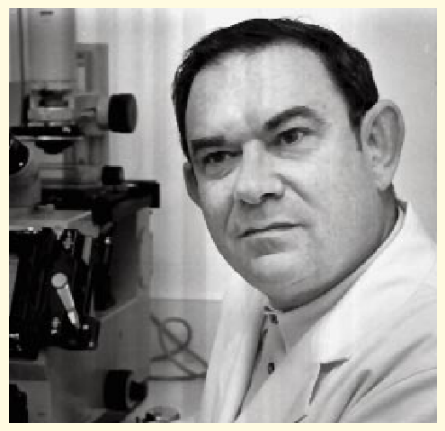
Leonard Hayflick
Suggested cells go through the same process in the body as in a laboratory culture, there might be a biological limit to the life span of human cells, and therefore of human life—a limit Hayflick estimated at 110 years.
Proponent of the Hayflick Limit
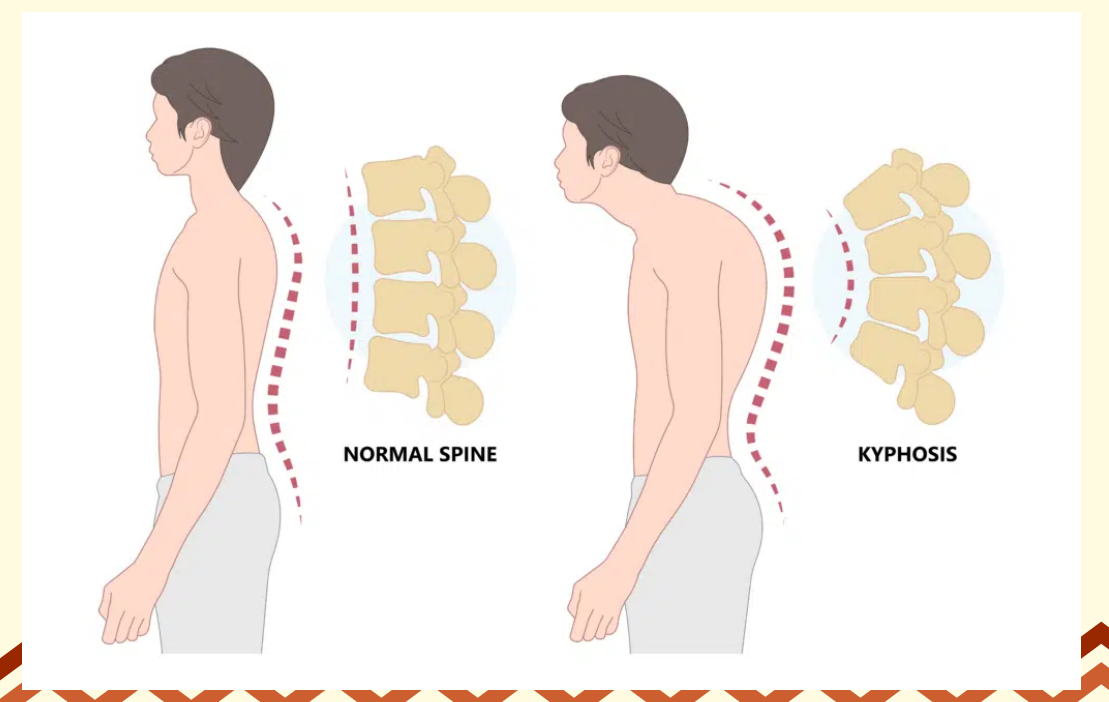
Kyphosis
An exaggerated curvature of the spine that generally occurs between ages 50 and 59.
Dowager’s Hump
Reserve Capacity
The backup capacity that helps body systems function to their utmost limits in times of stress.
Aging Brain
Brain gradually diminishes in volume and weight, particularly in the frontal cortex, which controls executive functions.
Decrease in the number, or density, of dopamine neurotransmitters due to losses of synapses.
myelin sheathing that enables neuronal impulses to travel rapidly between brain regions begins to thin out.
Cataracts
Cloudy or opaque areas in the lens of the eye.
Age-Related macular degeneration
Condition in which the center of the retina gradually loses its ability to discern fine details; leading cause of irreversible visual impairment in older adults.
Glaucoma
Irreversible damage to the optic nerve caused by increased pressure in the eye.
10% - 20%
Adults generally lose about _____ of their strength up to age 70 and more after that.
Endurance
Declines more consistently with age, especially among women, than some other aspects of fitness, such as flexibility.
Sexual Functioning
Sexual activity in older people is normal and healthy.
Chronic Conditions and Disabilities
Six of the seven leading causes of death in old age in the United States are:
Heart disease
Cancer
Stroke
Chronic lower respiratory disease,
Diabetes
Influenza/Pneumonia
Warning Signs of Stroke
Face
Drooping
Arm
Weakness
Speech
Difficulty
Time
Call 911
Lifestyle Influences on Health and Longevity
Physical Activity
Nutrition
Dementia
Deterioration in cognitive and behavioral functioning due to physiological causes.
Alzheimer’s disease
A progressive, degenerative brain disorder and Parkinson’s disease.
Accumulation of an abnormal protein called beta amyloid peptide
Strong heritable
No cure has yet been found
Early diagnosis and treatment can slow the progress
Multi-infarct Dementia (MD)
Caused by a series of small strokes, account for at least 8 out of 10 cases of dementia, all irreversible.
Beta Amyloid Peptide
Appears to be the main culprit contributing to the development of Alzheimer’s disease.
Neurofibrillary Tangles
Twisted masses of dead neurons
Amyloid Plaque
Nonfunctioning tissue formed by beta amyloid in the spaces between neurons.
Wechsler Adult Intelligence Scale (WAIS)
A standardized measure that allows assessment of a person’s intellectual functioning at different ages.
Verbal IQ
Performance IQ
Total IQ
David Wechsler
Proponent of Wechsler Adult Intelligence Scale (WAIS).
Sensory memory
Involves the brief storage of sensory information.
Working memory
Involves the short-term storage of information being actively processed, such as when you calculate the tip on a restaurant bill in your head.
Short Term Memory
The capacity to store a small amount of information in mind and keep it available for a short time.
Episodic memory
Long-term memory of specific experiences or events, linked to time and place.
Semantic memory
Long-term memory of general factual knowledge, social customs, and language.
Procedural Memory
Long-term memory of motor skills, habits, and ways of doing things, which can be recalled without conscious effort; sometimes called implicit memory.
Tip-of-the tongue phenomenon
A state in which one cannot quite recall a familiar word but can recall words of similar form and meaning.
Ego integrity
Integrity of the self, an achievement based on reflection about one’s life.
Integrity VS Despair
the eighth and final stage of the life span according to Erik Erikson’s Psychosocial Theory
Virtue of Wisdom
An “informed and detached concern with life itself in the face of death itself”.
Accepting the life one has lived, without major regrets: without dwelling on “should-havedones” or “might-have-beens. ”
Coping
Adaptive thinking or behavior aimed at reducing or relieving stress that arises from harmful, threatening, or challenging conditions.
Cognitive-Appraisal Model
People respond to stressful or challenging situations on the basis of two types of analyses.
Primary appraisal
Secondary appraisal
Richard Lazarus and Susan Folkman
Proponent of the Cognitive-Appraisal Model.
Primary appraisal
People analyze a situation and decide, at some level, whether or not the situation is a threat to their well-being.
Secondary appraisal
People evaluate what can be done to prevent harm and choose a coping strategy to handle the situation.
Coping Strategies
Problem-focused coping
Emotion-focused coping
Problem-focused coping
Involves the use of instrumental, or action-oriented, strategies to eliminate, manage, or improve a stressful condition.
Emotion-focused coping
Involves attempting to manage the emotional response to a stressful situation to relieve its physical or psychological impact.
Proactive
Confronting or expressing one’s emotions or seeking social support.
Passive
Avoidance, denial, suppression of emotions, or acceptance of the situation as it is.
Ambiguous Loss
Losses that are not clearly defined or do not bring closure.
Pauline Boss
Gives definition to ambiguous loss.
Successful Agers
Tend to have social support, both emotional and material, which aids mental health; and as long as they remain active and productive, they do not think of themselves as old.
Disengagement Theory
A normal part of aging involves a gradual reduction in social involvement and greater preoccupation with the self.
Activity Theory
The more active older people remain, the better they age.
Continuity Theory
In this approach, people’s need to maintain a connection between past and present is emphasized, and activity is viewed as important, not for its own sake but because it represents continuation of a previous lifestyle.
Productive Activity
Some researchers focus on _____, either paid or unpaid, as a key to aging well.
Selective Optimization with Compensation
Selecting
Optimizing
Compensating for losses
Aging in Place
Remaining in one’s own home, with or without assistance, in later life.
Living Arrangements
Aging in Place
Living Alone
Living with Adult Children
Living in Institutions
Other alternative housing options
Social Convoy Theory
Aging adults maintain their level of social support by identifying members of their social network who can help them and avoiding those who are not supportive.
Socioemotional Selectivity Theory
As remaining time becomes short, older adults choose to spend time with people and in activities that meet immediate emotional needs.
Long Term Marriage
Married couples who are still together in late adulthood are more likely than middle aged couples to report higher satisfaction and fewer adjustment problems in their marriages.
Marital Relationships
Long Term Marriage
Widowhood
Divorce and Remarriage
Divorce in late life is rare.
Non Marital Lifestyles and Relationships
Single Life
Cohabitation
Older adults are increasingly likely to cohabit, as are younger adults, but for them cohabitation typically comes after a prior marriage, not before marriage
Gay and Lesbian Relationships
Friendships
Non Marital Kinship Ties
Relationship with Adult children
Relationship with Siblings
Becoming Greatgrandparents
“Life is starting again in my family, ” “Seeing them grow keeps me young, ” and “I never thought I’d live to see it