Lecture 7 - Prejudice & discrimination
 Call Kai
 Learn
 Practice Test
 Spaced Repetition
 Match
 Flashcards
 Knowt Play
1/32

There's no tags or description
Looks like no tags are added yet.
33 Terms
prejudice vs stereotyping vs discrimination

prejudice definition
an unjustified negative attitude based solely on an individual's membership in a group
prejudice features
it is a social orientation - it is about how we feel about individuals as members of particular social groups
it is irrational and unjustified, held in disregard of the facts
roots of prejudice
competition
social categorisation - “us vs. them” (SIT)
competition
the competition between groups over limited resources - zero sum outcomes
this is the early argument
competition study
SHERIF et al - robber’s cave study
bought adolescent boys to a summer camp setting and divided them into groups, initially unaware of the other groups existence
found eliminating competition did not eliminate prejudice as mere knowledge of the other group was enough to provoke name-calling
there were fights between the groups, burning of flags
problems with the study
contemporary rethinking from Gina Perry's archival analysis reveals similar problems to Milgram as this study:
an abandoned prior attempt
experimenter-provoked conflict
partly staged resolution
the basic principle (competition for resources is important) holds in other contexts, but this study cannot be treated as clean experimental evidence
social categorisation (SIT)
argues all interactions between individuals happen on a sliding scale from purely interpersonal interactions to purely intergroup interactions
TAJFEL argued making "us and them" distinction salient changes the way people think about themselves and others
in intergroup settings, the similarities within the group are emphasised, and differences between groups are enhanced
why do people favour their own group compared to out-groups
desire for positive and secure self-concept - Social Comparison Theory with needing a point of reference
therefore we are motivated to think and behave in ways which will achieve and maintain positive distinctiveness between our group and relevant out-groups
social categorisation study
TAJFEL et al
examined effects of social categorisation on participants' intergroup behaviour with minimal group paradigms and created a situation where:
no face-to-face interaction
completely anonymised
no link between group membership and decision made
no value to participant themselves
do participants still try to maximise benefits for all or seek to maximally differentiate between groups?
social categorisation study findings
in all iterations of the experiment, participants act in terms of their ingroup membership based on ingroup categorisation
participants favour their ingroup by maximising rewards over the outgroup
even when an option for maximising common good is available
maximising difference is the preferred strategy over maximising joint payout or maximising ingroup payout
even if it means losing out on points in real terms
is explicit prejudice decreasing
stereotypes are generally becoming more positive
greater representation of ethnic and other minority groups in non-stereotypical roles in media
increased participation of ethnic and other minority groups in professional occupations and managerial positions
but, huge inequalities between groups still exist and there is a rise of nationalism and populism fuelled by stereotypes and prejudice
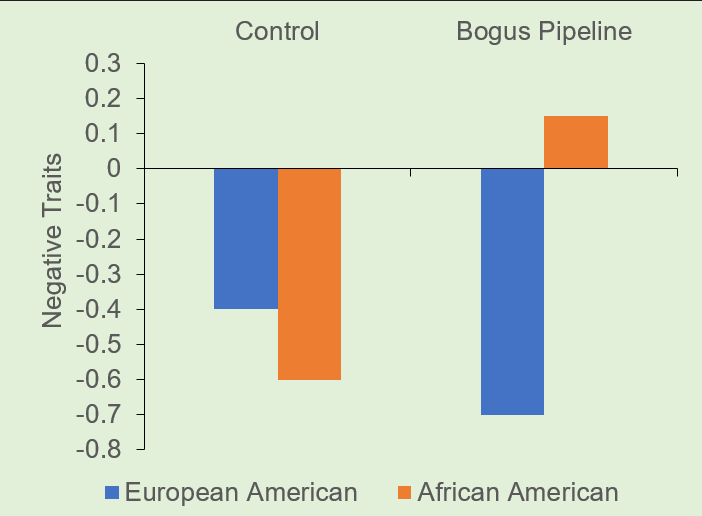
study on American vs. African American prejudice
male participants with half indicating how characteristic they felt each of a series of 22 traits was of "Americans" and the other half for "African Americans"
also had a bogus pipeline - informed their lies would be able to be captured by this independent and distortion free physiological measure of their attitudes
study on American vs. African American prejudice findings
perceptions of European Americans don't differ between control and bogus pipeline condition
however, more negative traits attributed to African Americans when participants thought their true attitudes would be observable
review on helping behaviour in inter-ethnic settings
CROSBY et al reviewed naturalistic studies
50% studies showed more help was given to someone of the same ethnicity
however, for white people only, helping behaviour was context dependent:
face to face - 1/3 showed pro white bias
no face to face contact ie telephone request - 3/4 showed pro white bias
controlled vs spontaneous study 1
WEITZ
told liberal white male participants that they would be meeting another student
given description of their partner (White vs Black) and
recorded audio instructions for an upcoming task
reported how much they expected to like the person
controlled vs spontaneous study 1 findings
when white students expected to interact with a black person, there were negative correlations between expected liking and measures of voice warmth and behaviour
the more participants said they would like the person, the less it came through in their non-verbal communication
controlled vs spontaneous study 2
VANMAN et al
used electromyography to measure electrical activity from muscle groups
white volunteers reviewed slides of White & Black people with whom they had to imagine interacting with
after each slide they rated the stimulus person on various scales
controlled vs spontaneous study 2 findings
direct self-report showed a pro-Black bias
but the indirect measure showed more activity from the "frown muscles" to Black photos
disconnect between explicit and spontaneous measures of people's behaviour
unconscious associations
classic research shows there are problems with trying to understand prejudice by asking people explicitly what they are thinking
ie Sigall & Page
more recently, attitude researchers have developed means of measuring unconscious associations between evaluations and concepts
ie the IAT (attitudes lecture)
implicit vs explicit associations study
DOVIDIO et al
compared the effect of explicit and implicit attitudes on self-ratings and other ratings during participants' interactions with Black (versus White) target
implicit vs explicit associations study findings
explicit prejudice strongly positively relates to their verbal friendliness
degree to which people were verbally friendly towards the person predicted how friendly they thought they had been in the interaction
conclusions:
implicit and explicit attitudes have different consequences for controlled vs spontaneous forms of communication
majority and minority group members can leave with very different impressions of interaction as they focus on different signals
aversive racism
what differentiates racism now from in the past is that people now have conflicting attitudes:
endorse egalitarian values and feel sympathy towards minoritised groups
socialised with negative images of minorities and feelings of unease
people don't like to be prejudiced, but are equally worried that people may think they are
aversive racism = expressed by anxiety in/avoidance of inter-ethnic settings
how can prejudice be challenged
bring in-group and out-group members together
challenge group boundaries
use the power of social influence
challenging prejudice - intergroup contact hypothesis
ALLPORT
increased contact --> recognise similarities --> change categorisation
but certain conditions must be met
equal status - members of contact situation should not have an unequal or hierarchical relationship
cooperation - members should work together in a non-competitive environment
common goals - members must rely on each other to achieve a shared desired goal
institutional support - authorities should support positive contact
intergroup contact hypothesis study 1
PETTIGREW & TROPP
contact meta-analysis with 713 samples from 515 studies
contact reduces intergroup prejudice
contact effects generalise to entire out-group, emerging across a broad range of targets
benefits for racial/ethnic prejudice (Allport's original hypothesis) as well as other forms
4 conditions help but are no essential
intergroup contact hypothesis study 2
heterosexual participants and assessed existing friendships with gay peers - including perceived closeness and typicality of this friend of gay men in general
perceived closeness --> reduced intergroup anxiety
typicality --> reduced consequences of subtyping and allowed for generalisation effects
common intergroup identity model
DOVIDIO et al
the extent individuals from different social groups come to view themselves as belonging to a single social entity, attitudes may become more positive
common intergroup identity model study
WOHL & BRANSCOMBE
Jewish American participants induced to either think about the holocaust as:
something Germans did to Jewish people (social group identity salient)
or as one example of something that historically humans have done to other groups of human
common intergroup identity model study findings
when framing genocide at an inclusive human identity level rather than a social group identity level, participants consistently showed across all four experiments:
higher perceived pervasiveness of genocide
lower collective guilt assignment
greater willingness to forgive
social influence and prejudice
when the in-group endorses stereotypes, in-group beliefs are more predictive of prejudice than individual's personal beliefs
can using the influence of in-group social influence challenge prejudice and discrimination?
social influence and prejudice study
STRANGOR et al
white students asked to estimate & of African Americans possessing various stereotypical traits
given information suggesting other students disagreed with their ratings
favourable feedback condition - other students more positive about African Americans than you
unfavourable feedback condition - you are more positive than other students
then, estimate incidence of traits for a second time
social influence and prejudice study findings
participants shift their answers closer to the perceived group norm - either becoming more positive or more negative