Lab 11 preview - Carnivora
 Call Kai
 Learn
 Practice Test
 Spaced Repetition
 Match
 Flashcards
 Knowt Play
1/19

There's no tags or description
Looks like no tags are added yet.
20 Terms
Distinguishing characteristics of the Carnivora: dental & cranial
-
-
-
- Carnassial pair (Best developed in hyaenids, felids, and canids) (Reduced in ursids and procyonids)
- Well-developed, elongated canines
- Deep, C-shaped mandibular fossa (Reduced in ursids and procyonids)
Distinguishing characteristics of the Carnivora: postcranial
- Os baculum (May serve to prolong copulation in species with induced ovulation)
- Anal sacs with secretory scent glands (Well-developed in herpestids, viverrids, mustelids, mephitids, and hyaenids)
- Well-developed claws on all digits; wrist bones fused
- Clavicle reduced or lost
Family Canidae Defining Features: (3)
- Broadly adapted carnivores
- Large nasal chamber (excellent sense of smell)
- Molars retain crushing surfaces (flexible diet)
Family Ursidae Defining Features: (4)
- Large body size
- More omnivorous diet (except polar bears)
- Post-carnassial teeth robust and adapted to crushing
- Limbs powerful, feet plantigrade

Family Pinnipedia Defining Features: (5)
- Torpedo-shaped body
- Skull partially telescoped
- Orbits large
- Manus and pes fully webbed
- Diving and swimming ability highly advanced
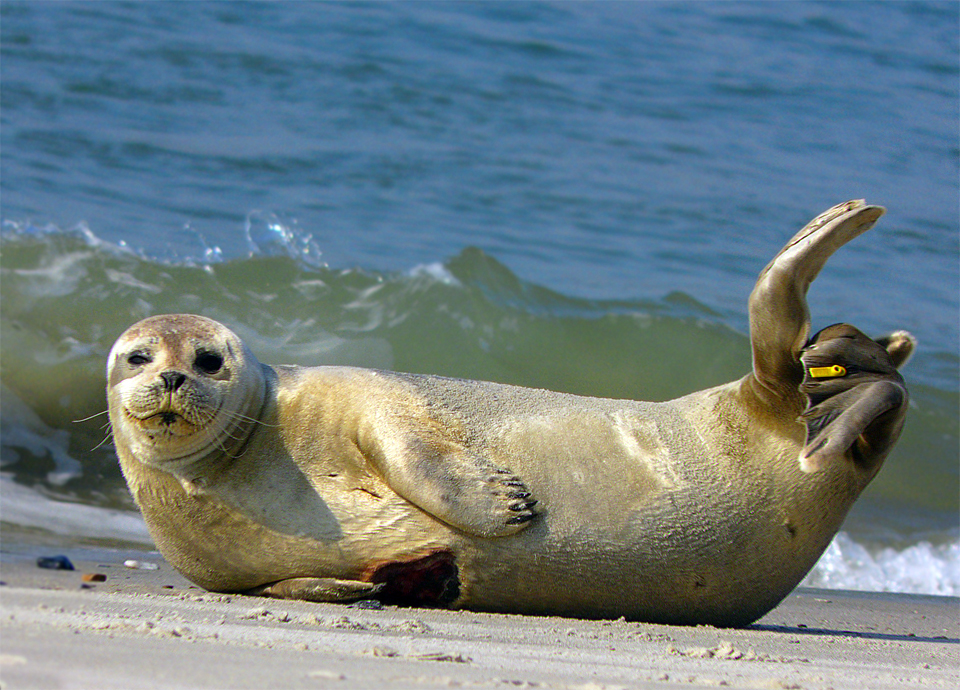
Family Phocidae Defining Features: (2)
- More highly specialized for aquatic life
( No external ear )
( Hind flippers useless on land )
( Foreflippers short and well-furred )
- Heavy layers of blubber

Family Odobenidae Defining Features: (2)
- Hind flippers can be brought under the body (Allows some movement on land)
- Both sexes have tusk-like upper canines (Tusks lack enamel)

Family Otariidae Defining Features: (5)
- Better able to move on land than phocid seals
- Small ear pinna
- Males larger than females
- Body covered with fur
- Cheek teeth more homodont

Family Mephitidae Defining Features: (4)
- Conspicuously colored (black and white) (Spots or stripes)
- Adapted for digging (Muscular legs, long claws)
- Nocturnal, solitary, omnivorous
- Anal glands spray noxious odor

Family Ailuridae Defining Features: (3)
- Eat bamboo leaves, berries, flowers, and other plant material
- Arboreal
- Mostly solitary
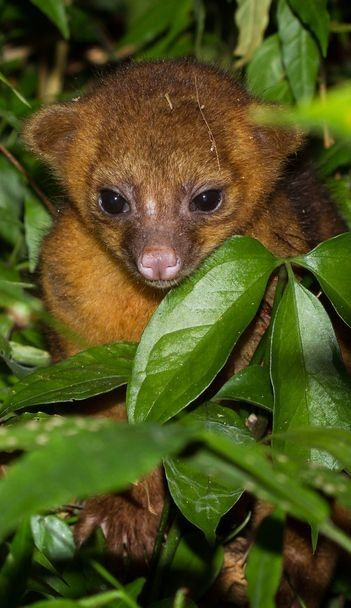
Family Procyonidae Defining Features: (2)
- Omnivorous; fruit predominates in kinkajous & olingos
- Teeth with rounded cusps
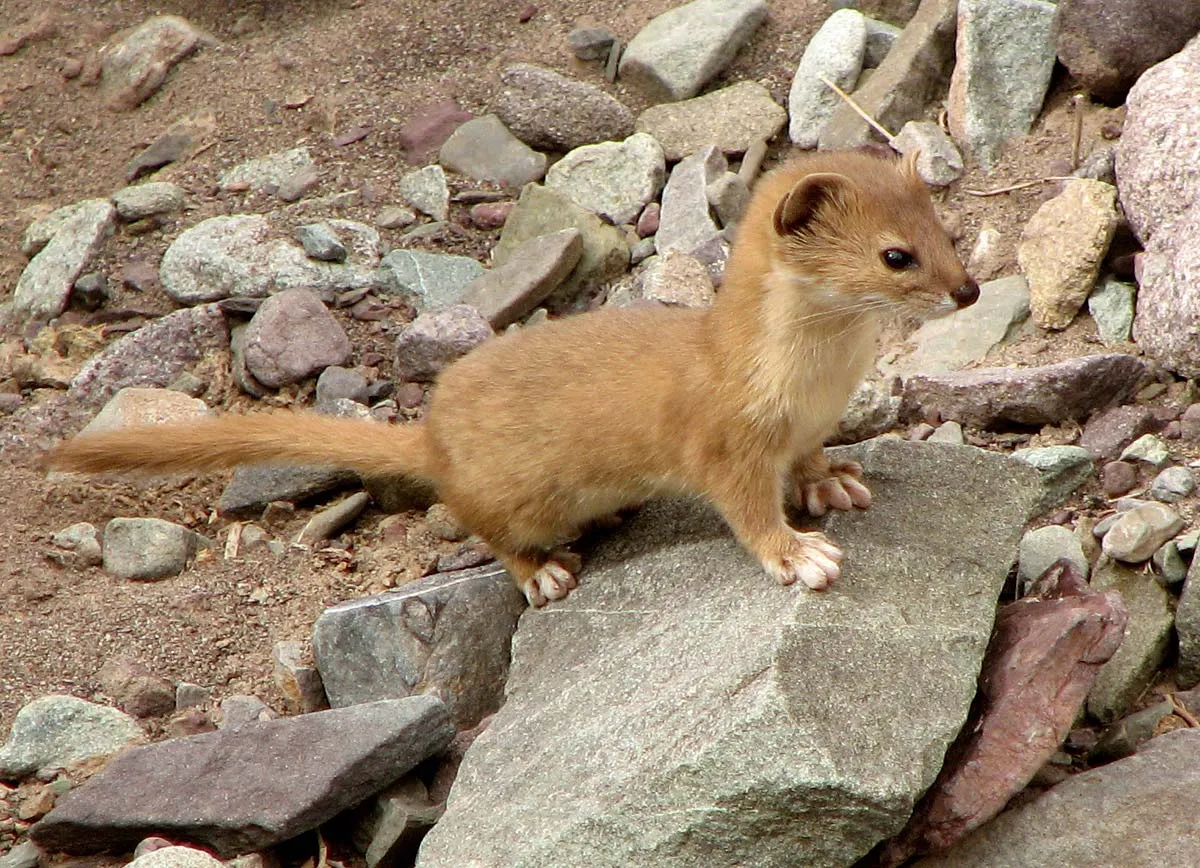
Family Mustelidae Defining Features: (4)
- Fairly small, long-bodied carnivores with short limbs
- Long braincase and short rostrum
- Anal scent glands well developed
- Aggressive hunters
Family Felidae Defining Features: (3)
- Excellent predators
- Claws recurved and retractile (except in cheetah)
- Number of teeth reduced; carnassials well-developed

Family Viverridae Defining Features: (3)
- Long rostrum
- Claws semiretractile
- Tail long and bushy
Family: Viverridae
Common names:
African civet, North African small-spotted genet, Binturong

Family Herpestidae Defining Features: (2)
- Large auditory bullae
- Some species engage in highly structured social behavior
Family: Viverridae
Common names:
Dwarf mongoose, Marsh mongoose, Meerkat
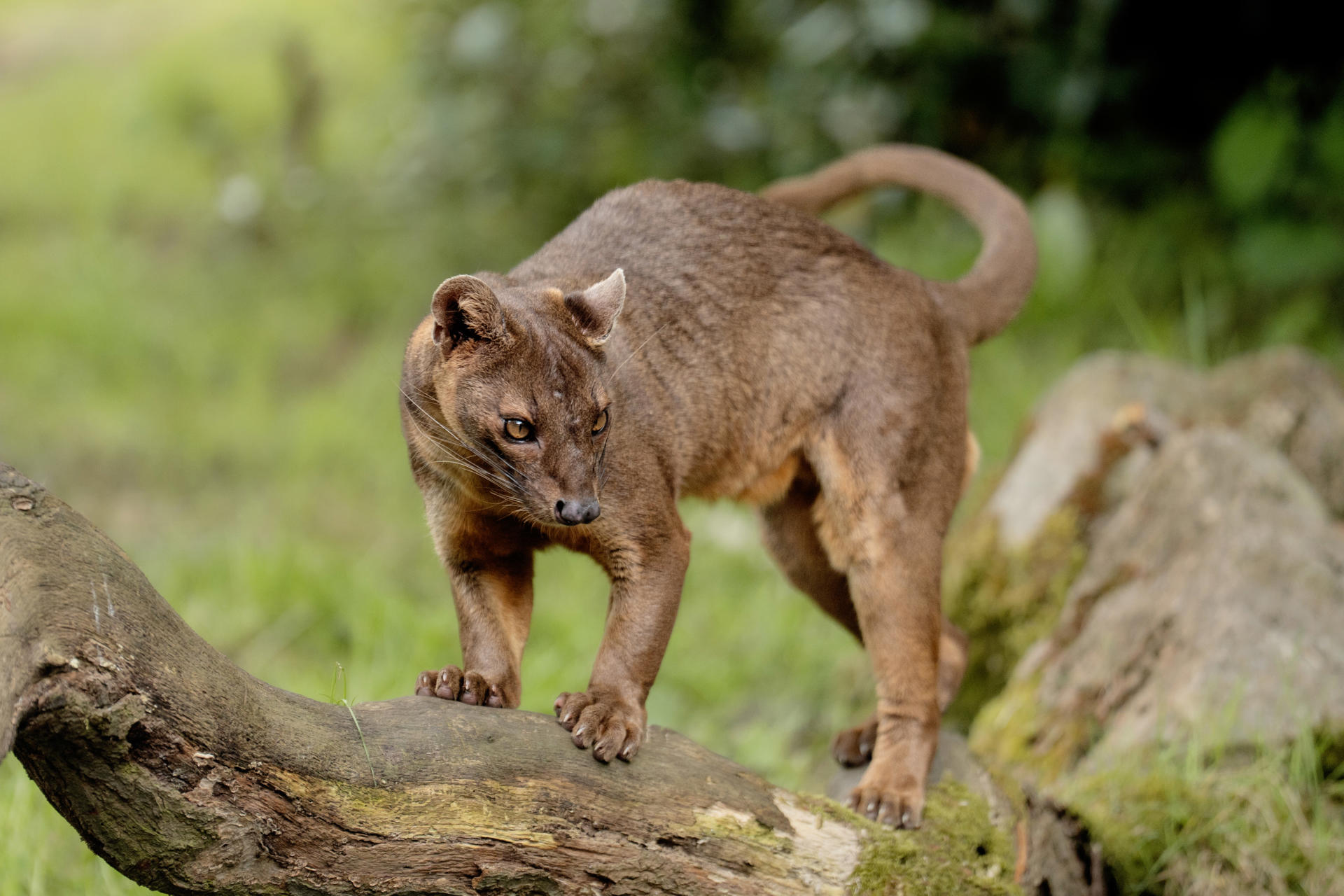
Family Eupleridae Defining Features: (2)
- Malagasy carnivores: civet-like and mongoose-like forms
- Descended from a single invasion from Africa 28-14mya (Yoder et al, 2003)

Family Hyaenidae Defining Features: (4)
- Predators and scavengers
- Spotted hyenas form large packs or clans (Highly social) (Mostly nocturnal)
- Striped hyenas are more omnivorous
- Aardwolf has reduced dentition (Feeds on termites)