Network+ Lesson 3: Network Devices
 Call Kai
 Learn
 Practice Test
 Spaced Repetition
 Match
 Flashcards
 Knowt Play
1/14

There's no tags or description
Looks like no tags are added yet.
15 Terms
Physical and virtual appliances
- Physical: dedicated hardware for one network function
- Physical pros/cons: high performance and reliability; costly, takes space
- Virtual: software running on virtual machines
- Virtual pros/cons: flexible, scalable, cheaper; may lose raw performance
Router
- OSI Layer 3 (network)
- Forwards packets between networks using IP addresses
- Uses routing tables to pick the best path
- Example: connects a LAN to the internet
- May also offer firewall and VPN features
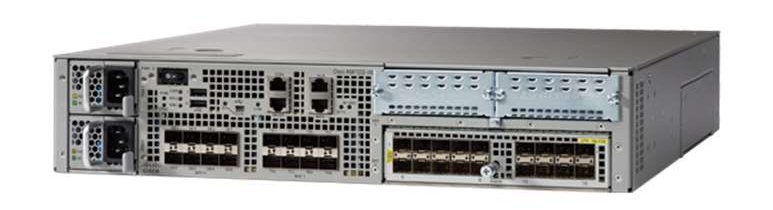
Switch
- OSI Layer 2 (data link)
- Forwards frames using MAC addresses
- Each port is its own collision domain (fewer collisions)
- Connects devices in the same network or VLAN
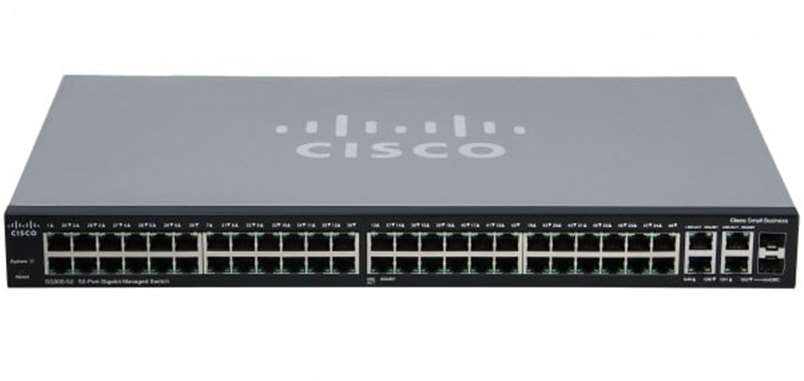
Firewall
- Monitors incoming and outgoing traffic
- Allows or blocks traffic based on security rules
- Barrier between trusted internal and untrusted external networks
- Can be hardware, software, or both

IDS/IPS Device
- IDS: detects malicious activity (signatures or anomalous behavior)
- IPS: actively drops malicious packets or connections
- IPS needs rules configured to identify malicious traffic
- Can operate at multiple OSI layers
Load Balancer
- Spreads incoming traffic across multiple servers
- No single server gets overwhelmed
- Improves reliability and availability
- Decides by IP, TCP/UDP port, or application content

Proxy Server
- Middleman between clients and the internet
- Forwards client requests and returns the server's response
- Extras: content caching, access control, filtering
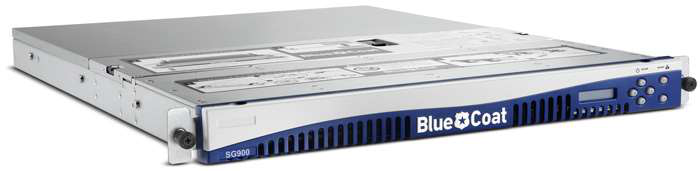
Network-Attached Storage
- NAS: dedicated file storage device on the network
- Central place for many users to store and retrieve files
- File-based protocols: NFS, SMB/CIFS
- Used for file sharing and backups

Storage Area Network (SAN)
- Dedicated high-speed network for consolidated storage
- Block-level storage (NAS is file-based)
- Handles large data transfers; common in enterprises

Access Point
- AP: lets wireless devices connect to a wired network (Wi-Fi)
- Operates at Layer 2 (data link)
- Bridges wireless and wired segments
- Extends wireless coverage; handles many connections

Wireless LAN Controller (WLC)
- Centrally manages wireless access points
- Handles configuration, security policies, and guest access

Content Delivery Network (CDN)
- Global network of proxy servers and data centers
- Caches web pages, videos, and images in many locations
- Reduces latency for users anywhere

Virtual Private Network (VPN)
- Encrypted connection over an untrusted network (internet)
- Connects remote users or sites to the private network
- Acts as if directly connected to the private network

Quality of Service (QoS)
- Manages and prioritizes network traffic
- Critical traffic (voice, video) gets higher priority
- Reduces latency, jitter, and packet loss
Time to Live (TTL)
- Field in the IP packet header
- Max hops (or time) before a router discards the packet
- Each router decrements TTL by 1; at 0 the packet is dropped
- Prevents packets from looping forever