ID exam 2 everything
 Call Kai
 Learn
 Practice Test
 Spaced Repetition
 Match
 Flashcards
 Knowt Play
1/151

There's no tags or description
Looks like no tags are added yet.
152 Terms
UTI comes from
ascending route with inoculum size, virulence, and natural host defense
asymptomatic UTI should only be treated if
pregnant, mucosal trauma, kidney transplant
asymptomatic UTI treatment in pregnancy
cephalexin, augmentin, nitrofurantoin, bactrim
in pregnancy, nitrofurantoin
cannot use in last 30 days
in pregnancy, bactrim
can only be used in the 2nd trimester
uncomplicated UTI is
confined to the bladder
uncomplicated UTI symptoms
dysuria, hematuria, urgency, frequency, nocturia, suprapubic heaviness
mental or eating change, GI upset
uncomplicated UTI diagnosis
urinalysis, will show WBC > 10 (pyuria)
also leukocyte esterase + and nitrite +
urine cultures should only be used for
drug resistance Hx or relapse/recurrence
uncomplicated UTI treatment principles
concentrate in urine, avoid resistance > 20%
uncomplicated UTI treatment
cephalexin x7
cefpodoxime x7
pivmecillinam x3-7
fosfomycin x1
nitrofurantoin x5
bactrim x3
nitrofurantoin should be avoided
CrCl < 30
bactrim should be avoided
if used in the past 3 months
pyelonephritis symptoms
flank pain, CVA tenderness
pyelonephritis treatment
FQ (floxacins), bactrim
catheter UTI symptoms
fever, flank pain, no urinary symptoms
catheter UTI considerations
bacteria colonize 3-5% per day; d/c or change after 2 weeks
catheter UTI treatment considerations
severity, resistance / recent infections, patient factors, susceptibility
catheter UTI treatment principles
need good oral absorption and high urinary excretion
sepsis treatment
ceftriaxone, cefepime, carbapenems, pip/tazo, FQ
no sepsis IV treatment
ceftriaxone, cefepime, pip/tazo, FQ
no sepsis PO treatment
bactrim, FQ
candida treatment
fluconazole, amphotericin B
prostasis symptoms
sudden onset fever, malaise, urinary symptoms
prostasis presentation
midstream specimen or pain
prostasis treatment principles
concentrate in prostate (hard to achieve)
prostasis treatment
cephalosporins, augmentin, bactrim, cipro/levofloxacin
prostasis treatment duration
acute 2-4 weeks
chronic 6-12 weeks
relapse occurs
within 2 weeks of first UTI
recurrent UTI defined as
culture with 2 UTI/6 mo or 3 UTI/12 mo
cause of recurrent UTI
reinoculation of bowel flora or disruption of intracellular bacterial community
risks that can lead to recurrent UTI
sex, contraceptives, low estrogen, vulvovaginal atrophy, urinary incontinence
recurrent UTI prevention
hydration, cranberry, methenamine, vaginal estrogen, post coital Ab (sex)
mycobacterium tuberculosis
aerobic, spore forming, rod shaped, red stain, slow growth
TB pathogenesis
inhale droplet nuclei, bacteria reach alveoli, macrophage uptake, immune response
TB risk factors
recent infection, close contact, < 5 y/o, location (hospital, jail, nursing home)
TB immunocompromised
increased likelihood of reactivation from a latent infection
TST skin test
measures response after 48 hours
TST negative result
cannot rule out TB
what does the TST follow
two steps - if negative, and then positive, the second test is a boosted reaction to infection from a long time ago
IGRA blood test
good for people with BCG vaccine
IGRA positive result
can be latent or active
post exposure testing
initial and 8-10 weeks
anergy test uses
controls - mumps, candida, tetanus
help gauge immune response
with anergy, the TST is unreliable if
TST - and IGRA -
latent TB
no symptoms, not contagious
latent TB testing
+ TST, + IGRA
latent TB treatment
3 month isoniazid +- rifampin
active TB
symptoms, contagious
active TB tests
+ TST, + IGRA, + AFB, + culture
abnormal chest x-ray
active TB treatment
4 month RIMP + pyridoxine
6-9 month RIPE + pyridoxine
4 month TB regimen for
> 12, > 40 kg, CD4 > 100
avoid 4 month TB regimen in
pregnancy, breastfeeding, QT prolongation, extrapulmonary TB, DDIs
6-9 month regimen follows
8 week RIPE
6 week RI
drug resistant treatment regimen
bedaquiline 24 wks
pretomanid, linezolid 26 wks
moxifloxacin (FQ susceptible)
bedaquiline
long half life (4-5 months), take with food
bedaquiline monitoring
LFT, ECG
d/c bedaquiline when
QTc > 500
pretomanid monitoring
hepatotoxicity
d/c pretomanid when
LFT > 8x ULN
rifamycins
rifampin, rifapentine, rifabutin
rifamycin notes
strong enzymes inducers for 1-2 weeks
rifamycin side effect
orange discoloration of bodily fluids
when on rifamycins, contraindicated
DOAC, OCP
when on rifamycins, avoid
warfarin, anticonvulsant
when on rifamycins, monitor
antihypertensives, digoxin, levothyroxine
isoniazid side effects
peripheral neuropathy, hepatitis
what do you do to peripheral neuropathy in isoniazid
give pyridoxine
what causes hepatitis with isoniazid
age, pregnancy, liver disease
d/c isoniazid when
LFT > 5x ULN
pyrazinamide side effects
hepatotoxicity, hyperuricemia (gout), GI upset
ethambutol causes
retrobulbar neuritis (red/green color blindness)
avoid ethambutol in
kids < 6
mycobacteria structure
waxy outer layer with mycolic acids and arabinoglycan layer
rifamycin moa
DDRP / RNA polymerase inhibitors
rifamycin structure
big cyclic macrolide
rifamycin warnings
hepatotoxicity, GI upset, rash, thrombocytopenia
isoniazid moa
Kat G activates nicotinoyl radical to for nicotinoyl NAD adduct, which inhibits Kas A and InHA to prevent mycolic acid synthesis
resistance to isoniazid
Kat G mutation, efflux, radical stress
isoniazid metabolism
via NAT
slow acetylators will have more
radical build up, hepatotoxicity, peripheral neuropathy
isoniazid structure

pyrazinamide moa
PZA converted to POA via deamidase, inhibiting pan D
deamidase is encoded by
pncA gene
pyrazinamide cycle
neutral PZA enters, converted to neutral POA, which bacteria effluxes
POA gets protonated, enters again, dumps H
kills bacteria with acidity
pyrazinamide resistance
pncA mutation
pyrazinamide structure
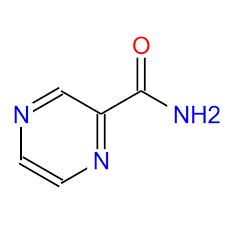
pyrazinoic acid structure

ethambutol moa
inhibits arabinogalactan (enzyme III), which prevent mycolic acid incorporation
ethambutol resistance
overexpression of enzyme III
aminoglycosides (-mycin)
bind 30S subunit (3 ring structure)
ethionamide moa
inhibits InhA by forming adduct with NAD and monooxygenase
ethionamide perk
works in KatG mutants with resistance to Inh
ethionamide structure

cycloserine moa
inhibits DAla racemase and ligase to block incorporation into peptidoglycan
cycloserine side effects
CNS and seizures
cycloserine structure

p aminosalicylic acid moa
blocks DHP synthase
p aminosalicylic acid has a hard time
passing through the waxy layer
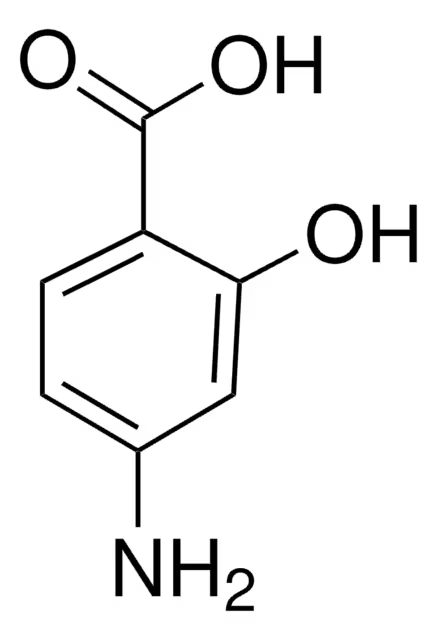
p aminosalicylic acid structure
PABA analog and bacteriostatic