2.2.5.4. Table Setting (Cover, Dinnerware, Flatware, and Glasswares)

0.0(0)
Studied by 0 people
call kaiCall Kai
learnLearn
examPractice Test
spaced repetitionSpaced Repetition
heart puzzleMatch
flashcardsFlashcards
GameKnowt Play
Card Sorting

1/56

encourage image

There's no tags or description

Looks like no tags are added yet.

57 Terms

1
New cards

Table setting

In meal service, the arrangement and surroundings of the table are designed to enhance the meal through the proper presentation of the cover and linens, flatware, dinnerware, glassware, and accessories.

2
New cards

Cover

This refers to the complete table setting for one individual, including the place mat, flatware, dishes, and glasses.

3
New cards

20 - 24 inches

What is the recommended amount of space that each place setting or cover should occupy to provide diners with adequate elbow room?

4
New cards

Table linen

This may consist of a tablecloth, place mats, or a combination of the two, together with a napkin.

5
New cards

Silence cloth

This is a piece of fabric placed between the table and the tablecloth to protect the table, quiet the placement of dishes and utensils, and prevent the tablecloth from slipping.

6
New cards

White damask cloth

For formal table service, this is the most common tablecloth choice and is typically used with a felt cloth or other silence cloth underneath.

7
New cards

8 - 12 inches

When using a tablecloth, approximately how much overhang should extend evenly beyond the edges of the table?

8
New cards

Tableware

General term for the articles used for serving and eating food and beverages, particularly dinnerware, flatware, and glassware.

9
New cards

Dinnerware

Refers to plates, bowls, cups, saucers, and related vessels that is usually made of china, porcelain, ceramic, glass, or similar materials, used primarily to hold and serve food.

<p>Refers to plates, bowls, cups, saucers, and related vessels that is usually made of <strong>china, porcelain, ceramic, glass, or similar materials</strong>, used primarily to <strong>hold </strong>and<strong> serve food</strong>.</p>
10
New cards

Flatware

Refers to eating and serving utensils such as forks, knives, and spoons. In American foodservice terminology, this commonly includes stainless-steel eating utensils.

<p>Refers to eating and serving utensils such as <strong>forks, knives, </strong>and<strong> spoons</strong>. In American foodservice terminology, this commonly includes stainless-steel eating utensils.</p>
11
New cards

Glassware

Refers to drinking vessels used for water, wine, cocktails, juices, and other beverages; the shape and capacity are selected according to the beverage being served.

<p>Refers to drinking vessels used for <strong>water, wine, cocktails, juices, </strong>and<strong> other beverages</strong>; the shape and capacity are selected according to the beverage being served.</p>
12
New cards

Hollowware

Refers to relatively deep or hollow service vessels, usually metal or ceramic, such as pitchers, coffee pots, teapots, sauce boats, sugar bowls, creamers, and serving bowls.
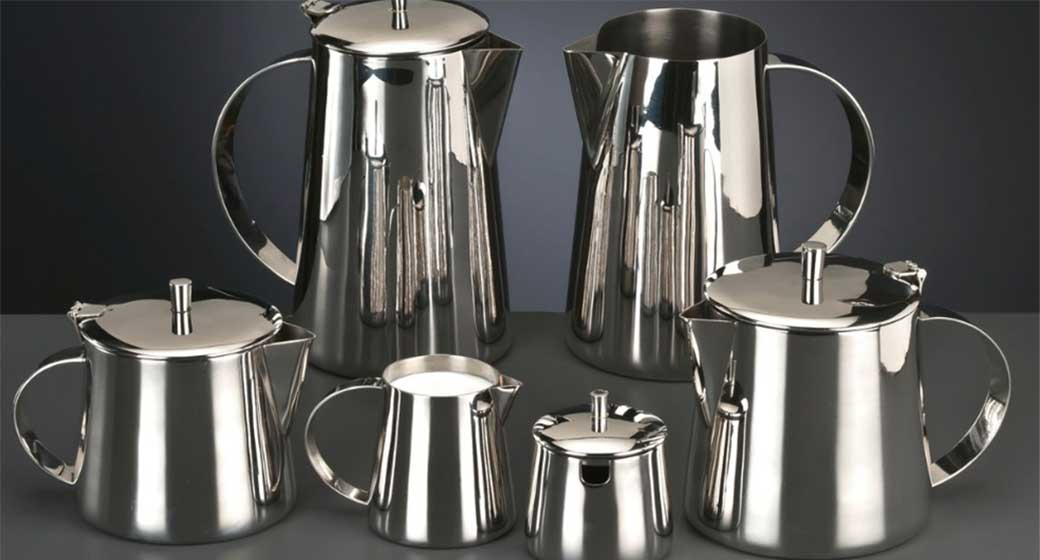
<p>Refers to relatively <strong>deep </strong>or<strong> hollow service vessels</strong>, usually metal or ceramic, such as <strong>pitchers, coffee pots, teapots, sauce boats, sugar bowls, creamers, </strong>and<strong> serving bowls</strong>.</p>
13
New cards

Charger Plate

A large decorative base plate placed at the center of a formal cover, underneath the plates used for individual courses. Usually about 12 - 13 in (30 - 33 cm) in diameter. It is normally not used as an eating plate and is also called a service plate, show plate, or place plate.
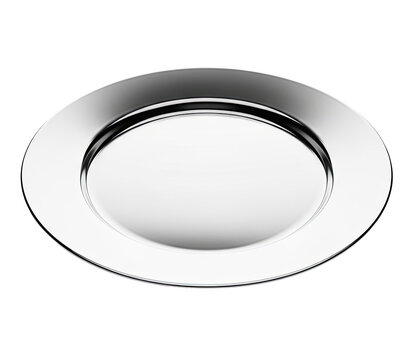
<p>A large decorative <strong>base plate placed at the center of a formal cover</strong>, underneath the plates used for individual courses. Usually about <strong>12 - 13 in </strong>(30 - 33 cm) in diameter. It is normally <strong>not used as an eating plate</strong> and is also called a <strong>service plate, show plate, or place plate</strong>.</p>
14
New cards

Dinner Plate

The principal flat plate used for the main course or entrée. In commercial foodservice it is commonly about 10–11 in (25 - 28 cm) in diameter, although larger contemporary plates may reach approximately 12 in.

<p>The principal flat plate used for the <strong>main course </strong>or<strong> entrée</strong>. In commercial foodservice it is commonly about <strong>10–11 in</strong> (25 - 28 cm) in diameter, although larger contemporary plates may reach approximately 12 in.</p>
15
New cards

Luncheon Plate

A medium-sized plate used for a lighter midday meal, breakfast, or smaller entrée; typically about 8½–9½ in (22–24 cm), making it smaller than the standard dinner plate.

<p>A medium-sized plate used for a <strong>lighter midday meal, breakfast, </strong>or<strong> smaller entrée</strong>; typically about <strong>8½–9½ in </strong>(22–24 cm), making it smaller than the standard dinner plate.</p>
16
New cards

Salad Plate

A smaller flat plate for an individual salad, appetizer, or light course, commonly about 7 - 9 in (18–23 cm) in diameter.
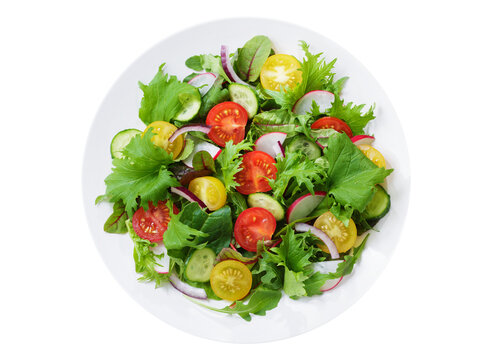
<p>A smaller flat plate for an <strong>individual salad, appetizer, </strong>or<strong> light course</strong>, commonly about <strong>7 - 9 in </strong>(18–23 cm) in diameter.</p>
17
New cards

Dessert Plate

A small plate used for cakes, pastries, pies, and plated desserts, generally about 7 - 8½ in (18–22 cm).

<p>A small plate used for <strong>cakes, pastries, pies, </strong>and<strong> plated desserts</strong>, generally about <strong>7 - 8½ in </strong>(18–22 cm).</p>
18
New cards

Bread-and-Butter Plate

A small plate placed at the upper left of the cover for bread, rolls, and butter. Commonly about 5 - 7 in (13 - 18 cm) in diameter and usually accompanied by a butter spreader.

<p>A small plate placed at the <strong>upper left of the cover</strong> for bread, rolls, and butter. Commonly about <strong>5 - 7 in</strong> (13 - 18 cm) in diameter and usually accompanied by a butter spreader.</p>
19
New cards

Soup Plate

A wide, shallow, rimmed deep plate designed for soup. Traditionally about 8½ - 10 in (22–25 cm) in diameter; unlike a soup bowl, it has a broad rim and relatively shallow well.
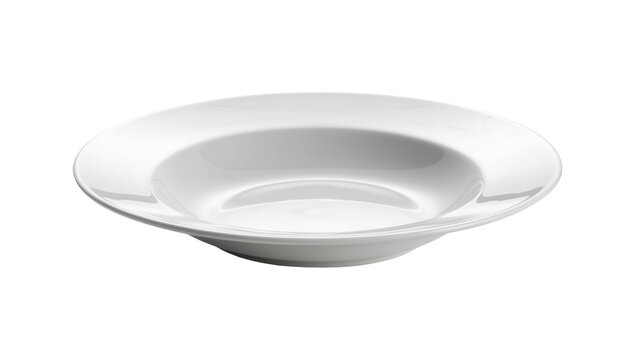
<p>A <strong>wide, shallow, rimmed deep plate</strong> designed for soup. Traditionally about <strong>8½ - 10 in </strong>(22–25 cm) in diameter; unlike a soup bowl, it has a broad rim and relatively shallow well.</p>
20
New cards

Soup Bowl

A deeper vessel used for soups, stews, cereals, or similar foods. Commercial examples commonly measure around 6- 7 in (15 - 18 cm) across, with capacity depending strongly on bowl design.

<p>A deeper vessel used for <strong>soups, stews, cereals, </strong>or<strong> similar foods</strong>. Commercial examples commonly measure around <strong>6- 7 in</strong> (15 - 18 cm) across, with capacity depending strongly on bowl design.</p>
21
New cards

Bouillon Cup

A small cup, traditionally with two handles, used for clear soups, consommé, or bouillon. Common foodservice versions hold approximately 6 - 10 fl oz (180 - 300 mL) and are normally presented on a saucer or underliner.

<p>A small cup, traditionally with <strong>two handles</strong>, used for <strong>clear soups, consommé, or bouillon</strong>. Common foodservice versions hold approximately <strong>6 - 10 fl oz </strong>(180 - 300 mL) and are normally presented on a saucer or underliner.</p>
22
New cards

Cream Soup Cup

A wide handled cup or bowl intended for cream soups and other thicker soups, usually presented with an underliner or saucer.

<p>A <strong>wide handled cup or bowl</strong> intended for cream soups and other thicker soups, usually presented with an <strong>underliner or saucer</strong>.</p>
23
New cards

Underliner

A plate or saucer placed beneath another serving vessel such as a soup bowl, bouillon cup, or dessert dish to provide stability, improve presentation, and catch drips.

<p>A plate or saucer placed <strong>beneath another serving vessel</strong> such as a soup bowl, bouillon cup, or dessert dish to provide stability, improve presentation, and catch drips.</p>
24
New cards

Cup

A relatively small handled drinking vessel used for coffee, tea, chocolate, or similar hot beverages. Foodservice cups commonly hold approximately 6–8 fl oz (180–240 mL), though capacities vary.

<p>A relatively small handled drinking vessel used for <strong>coffee, tea, chocolate, or similar hot beverages</strong>. Foodservice cups commonly hold approximately <strong>6–8 fl oz (</strong>180–240 mL), though capacities vary.</p>
25
New cards

Saucer

A shallow plate made to accompany a cup, providing a resting surface for the cup and teaspoon and helping contain minor spills; commonly about 5–6 in (13–15 cm) in diameter.

<p>A shallow plate made to accompany a <strong>cup</strong>, providing a resting surface for the cup and teaspoon and helping contain minor spills; commonly about <strong>5–6 in (13–15 cm)</strong> in diameter.</p>
26
New cards

Demitasse Cup

A very small cup used for espresso or strong after-dinner coffee, generally holding approximately 2–3 fl oz (60–90 mL).

<p>A very small cup used for <strong>espresso or strong after-dinner coffee</strong>, generally holding approximately <strong>2–3 fl oz (60–90 mL)</strong>.</p>
27
New cards

Dinner Fork

The principal fork used for the main course, usually the largest eating fork in a standard place setting. Commonly about 7½–8½ in (19–22 cm) long and generally placed nearest the plate when it is the last fork to be used.

<p>The principal fork used for the <strong>main course</strong>, usually the <strong>largest eating fork</strong> in a standard place setting. Commonly about <strong>7½–8½ in (19–22 cm)</strong> long and generally placed nearest the plate when it is the last fork to be used.</p>
28
New cards

Salad Fork

A smaller fork used for salads, appetizers, and sometimes desserts, commonly about 6½–7 in (16.5–18 cm) long. When salad is served before the main course, it is placed outside the dinner fork.

<p>A smaller fork used for <strong>salads, appetizers, and sometimes desserts</strong>, commonly about <strong>6½–7 in (16.5–18 cm)</strong> long. When salad is served before the main course, it is placed <strong>outside the dinner fork</strong>.</p>
29
New cards

Dessert Fork

A small fork used for cakes, pastries, pies, fruits, and other desserts, usually about 6–7 in (15–18 cm). It may be brought with dessert or preset horizontally above the plate.

<p>A small fork used for <strong>cakes, pastries, pies, fruits, and other desserts</strong>, usually about <strong>6–7 in (15–18 cm)</strong>. It may be brought with dessert or preset <strong>horizontally above the plate</strong>.</p>
30
New cards

Fish Fork

A specialized fork for the fish course, generally slightly smaller than a dinner fork and designed to help separate delicate fish flesh from bones or skin; commonly around 7–8 in (18–20 cm).

<p>A specialized fork for the <strong>fish course</strong>, generally slightly smaller than a dinner fork and designed to help <strong>separate delicate fish flesh from bones or skin</strong>; commonly around <strong>7–8 in (18–20 cm)</strong>.</p>
31
New cards

Oyster Fork

A short, narrow fork—usually three tines—used for oysters, shellfish, seafood cocktails, and similar appetizers. Commonly around 5½–6 in (14–15 cm) long.

<p>A short, narrow fork—usually <strong>three tines</strong>—used for <strong>oysters, shellfish, seafood cocktails, and similar appetizers</strong>. Commonly around <strong>5½–6 in (14–15 cm)</strong> long.</p>
32
New cards

Cocktail Fork

A small fork used for seafood cocktails, hors d'oeuvres, olives, or small appetizer items; often essentially the same utensil as an oyster fork.

<p class="PDq2pG_selectionAnchorContainer">A small fork used for <strong>seafood cocktails, hors d'oeuvres, olives, or small appetizer items</strong>; often essentially the same utensil as an <strong>oyster fork</strong>.</p>
33
New cards

Dinner Knife

The principal table knife used with the main course, commonly about 9 in (23 cm) long. It is placed on the right of the plate with its cutting edge facing inward.

<p>The principal table knife used with the <strong>main course</strong>, commonly about <strong>9 in (23 cm)</strong> long. It is placed on the <strong>right of the plate with its cutting edge facing inward</strong>.</p>
34
New cards

Table Knife

A general-purpose eating knife used for the main meal; in many flatware patterns it is functionally equivalent to the dinner knife.

<p>A general-purpose eating knife used for the main meal; in many flatware patterns it is functionally equivalent to the <strong>dinner knife</strong>.</p>
35
New cards

Steak Knife

A sharper knife, usually with a serrated or finely sharpened blade, used for steaks and other meats requiring more cutting force. Commonly around 9 in (23 cm) long.

<p>A sharper knife, usually with a <strong>serrated or finely sharpened blade</strong>, used for steaks and other meats requiring more cutting force. Commonly around <strong>9 in (23 cm)</strong> long.</p>
36
New cards

Fish Knife

A broad, relatively blunt specialized knife used with a fish fork to separate fish flesh, skin, and bones rather than saw through meat. Its blade is often broad and may have a distinctive pointed or notched tip.
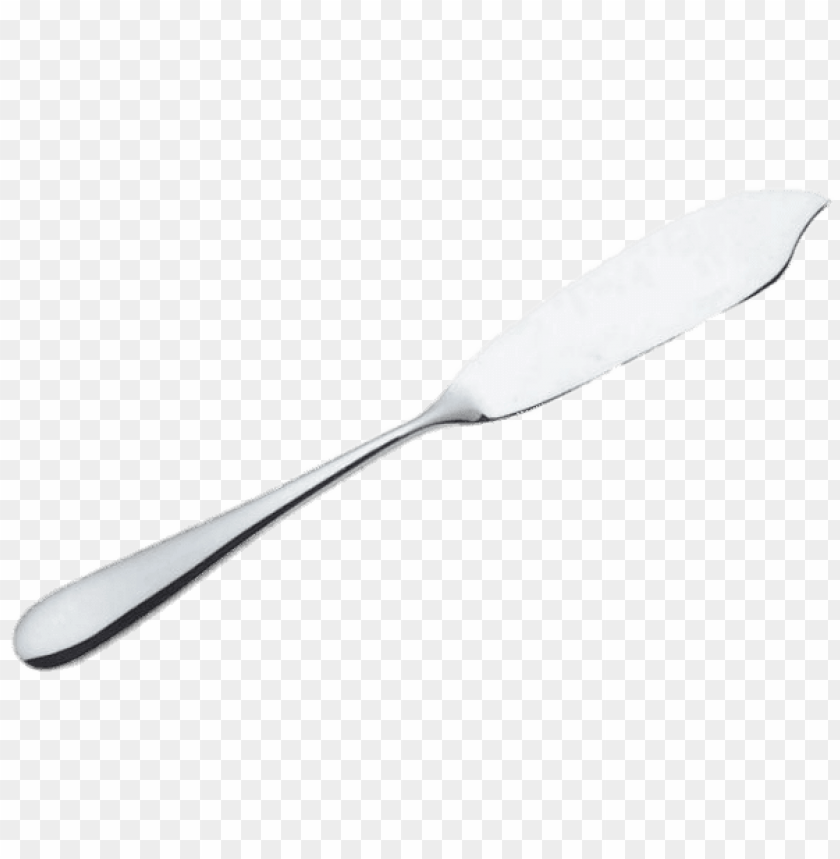
<p>A broad, relatively <strong>blunt specialized knife</strong> used with a fish fork to <strong>separate fish flesh, skin, and bones rather than saw through meat</strong>. Its blade is often broad and may have a distinctive pointed or notched tip.</p>
37
New cards

Butter Spreader

A small, blunt utensil used to spread butter onto bread or rolls rather than cut food. Commercial examples are commonly about 6¾–7¼ in (17–18.5 cm) long.

<p>A small, blunt utensil used to <strong>spread butter onto bread or rolls</strong> rather than cut food. Commercial examples are commonly about <strong>6¾–7¼ in (17–18.5 cm)</strong> long.</p>
38
New cards

Butter Knife

A blunt knife associated with the bread-and-butter service. Depending on the flatware pattern, it may be longer than a butter spreader; its purpose is to portion or spread butter rather than cut meat.

<p>A blunt knife associated with the <strong>bread-and-butter service</strong>. Depending on the flatware pattern, it may be longer than a butter spreader; its purpose is to <strong>portion or spread butter rather than cut meat</strong>.</p>
39
New cards

Teaspoon

The standard small spoon used for stirring beverages and eating certain desserts or soft foods. Commercial versions commonly measure about 6–6½ in (15–16.5 cm).

<p>The standard small spoon used for <strong>stirring beverages and eating certain desserts or soft foods</strong>. Commercial versions commonly measure about <strong>6–6½ in (15–16.5 cm)</strong>.</p>
40
New cards

Soup Spoon

A relatively large spoon used for soup, often with a broad oval bowl. An oval soup/dessert spoon is commonly about 7–7½ in (18–19 cm) long.

<p>A relatively large spoon used for soup, often with a <strong>broad oval bowl</strong>. An oval soup/dessert spoon is commonly about <strong>7–7½ in (18–19 cm)</strong> long.</p>
41
New cards

Bouillon Spoon

A spoon with a rounder bowl than a typical soup spoon, intended for bouillon and clear soups served in a bouillon cup. Commonly about 6–6¼ in (15–16 cm) long.

<p>A spoon with a <strong>rounder bowl than a typical soup spoon</strong>, intended for bouillon and clear soups served in a bouillon cup. Commonly about <strong>6–6¼ in (15–16 cm)</strong> long.</p>
42
New cards

Dessert Spoon

A medium spoon used for puddings, custards, fruit, ice cream, and other desserts; generally larger than a teaspoon but smaller than a serving tablespoon, around 7–7½ in (18–19 cm).
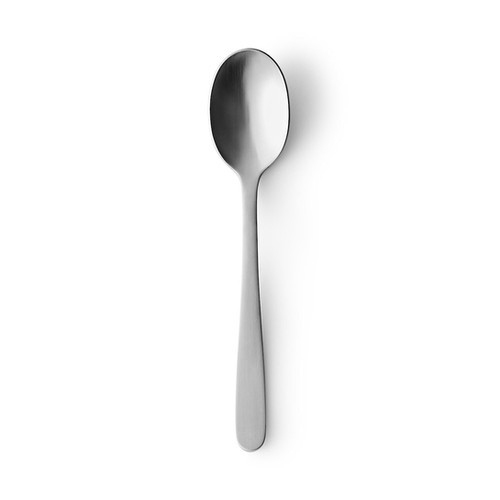
<p>A medium spoon used for <strong>puddings, custards, fruit, ice cream, and other desserts</strong>; generally larger than a teaspoon but smaller than a serving tablespoon, around <strong>7–7½ in (18–19 cm)</strong>.</p>
43
New cards

Iced Tea Spoon

A spoon with a long, slender handle designed to reach the bottom of tall beverage glasses for iced tea, floats, and similar drinks; commonly around 7–8½ in (18–22 cm).

<p>A spoon with a <strong>long, slender handle</strong> designed to reach the bottom of tall beverage glasses for iced tea, floats, and similar drinks; commonly around <strong>7–8½ in (18–22 cm)</strong>.</p>
44
New cards

Demitasse Spoon

A very small spoon used with a demitasse or espresso cup, usually approximately 4–5 in (10–13 cm) long.
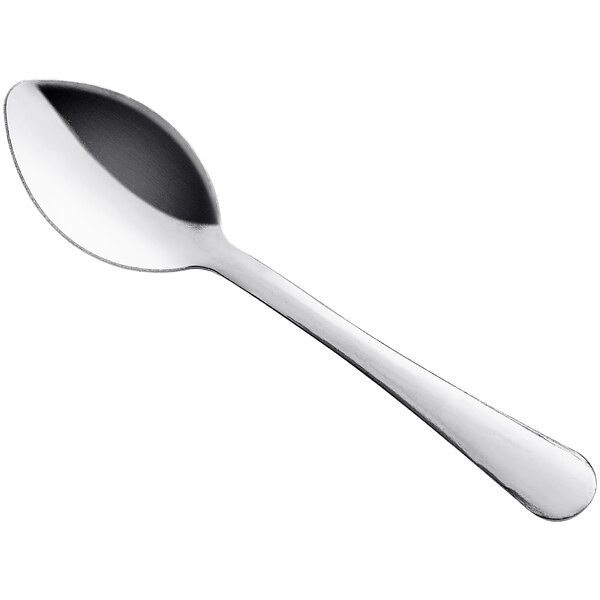
<p>A very small spoon used with a <strong>demitasse or espresso cup</strong>, usually approximately <strong>4–5 in (10–13 cm)</strong> long.</p>
45
New cards

Serving Spoon

A larger spoon used primarily for serving food rather than eating an individual course, commonly around 8–9 in (20–23 cm) long.

<p>A larger spoon used primarily for <strong>serving food rather than eating an individual course</strong>, commonly around <strong>8–9 in (20–23 cm)</strong> long.</p>
46
New cards

Water Goblet

A relatively large stemmed glass used for water and other nonalcoholic beverages. Common foodservice capacities are approximately 10–16 fl oz (300–475 mL). It is normally positioned above the dinner knife.

<p>A relatively large stemmed glass used for <strong>water and other nonalcoholic beverages</strong>. Common foodservice capacities are approximately <strong>10–16 fl oz (300–475 mL)</strong>. It is normally positioned <strong>above the dinner knife</strong>.</p>
47
New cards

Water Glass

General term for the glass used for drinking water; it may be a stemmed goblet or a stemless tumbler depending on the establishment.

<p>General term for the glass used for <strong>drinking water</strong>; it may be a stemmed goblet or a stemless tumbler depending on the establishment.</p>
48
New cards

Red Wine Glass

A stemmed wine glass with a relatively large, broad bowl, providing more surface area for aeration and aroma development. Common professional capacities may range from about 12–22 fl oz (350–650 mL) depending on style.
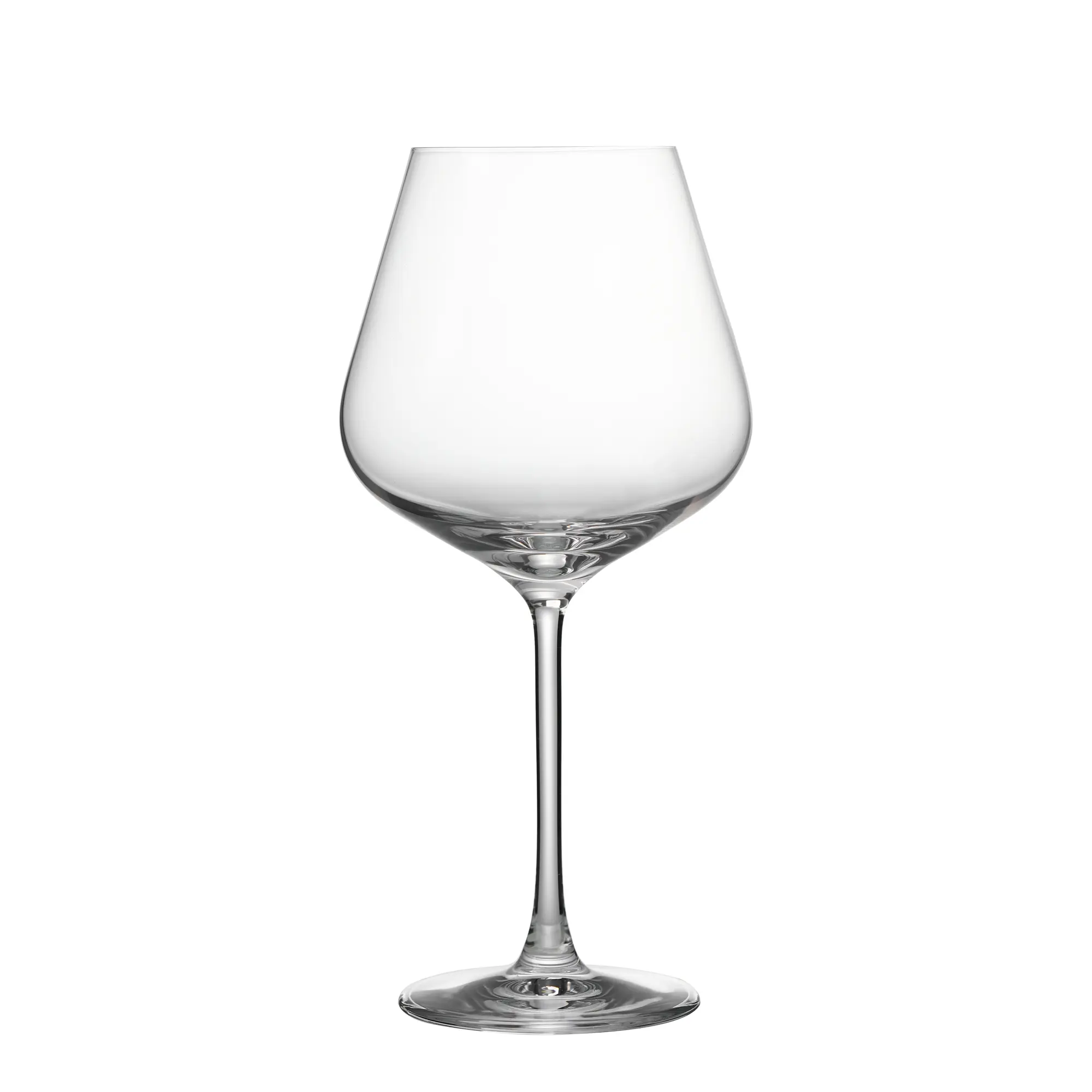
<p>A stemmed wine glass with a <strong>relatively large, broad bowl</strong>, providing more surface area for aeration and aroma development. Common professional capacities may range from about <strong>12–22 fl oz (350–650 mL)</strong> depending on style.</p>
49
New cards

White Wine Glass

A stemmed wine glass generally having a smaller and narrower bowl than a red wine glass, helping maintain a cooler serving temperature and concentrate delicate aromas; often approximately 8–15 fl oz (240–440 mL).
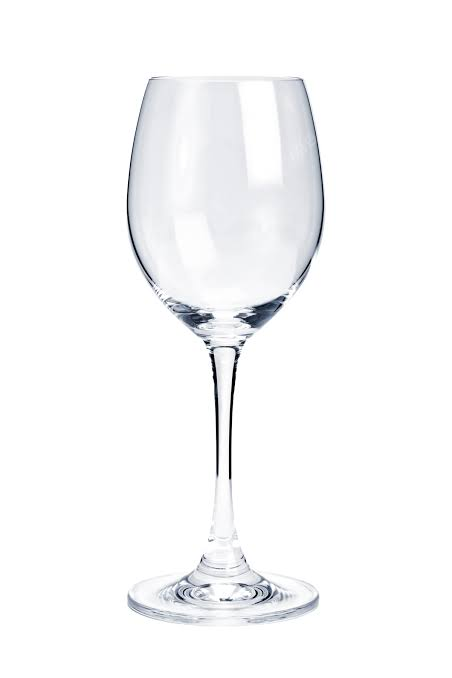
<p>A stemmed wine glass generally having a <strong>smaller and narrower bowl than a red wine glass</strong>, helping maintain a cooler serving temperature and concentrate delicate aromas; often approximately <strong>8–15 fl oz (240–440 mL)</strong>.</p>
50
New cards

Champagne Flute

A tall, narrow stemmed glass used for champagne and other sparkling wines. Its narrow shape helps reduce surface area and preserve carbonation; professional examples commonly hold about 6–8 fl oz (180–240 mL).

<p>A tall, narrow stemmed glass used for <strong>champagne and other sparkling wines</strong>. Its narrow shape helps reduce surface area and preserve carbonation; professional examples commonly hold about <strong>6–8 fl oz (180–240 mL)</strong>.</p>
51
New cards

Highball Glass

A tall, straight-sided tumbler used for mixed drinks containing a relatively large proportion of nonalcoholic mixer, as well as juices and soft drinks; commonly about 8–12 fl oz (240–355 mL).

<p>A tall, straight-sided tumbler used for <strong>mixed drinks containing a relatively large proportion of nonalcoholic mixer</strong>, as well as juices and soft drinks; commonly about <strong>8–12 fl oz (240–355 mL)</strong>.</p>
52
New cards

Collins Glass

A taller and narrower tumbler than a typical highball, designed for long mixed drinks such as a Tom Collins; often approximately 10–14 fl oz (300–415 mL).
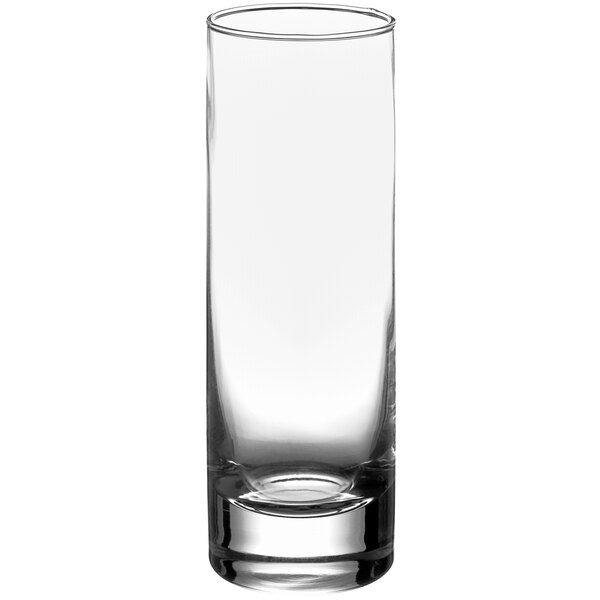
<p>A <strong>taller </strong>and<strong> narrower </strong>tumbler than a typical highball, designed for long mixed drinks such as a Tom Collins; often approximately <strong>10–14 fl oz (300–415 mL)</strong>.</p>
53
New cards

Old-Fashioned/Rocks Glass

A short, wide tumbler used for spirits served neat, on the rocks, and short cocktails; commonly about 6–10 fl oz (180–300 mL) and also called a rocks glass.

<p>A short, wide tumbler used for <strong>spirits served neat, on the rocks, and short cocktails</strong>; commonly about <strong>6–10 fl oz (180–300 mL)</strong> and also called a <strong>rocks glass</strong>.</p>
54
New cards

Martini Glass

A stemmed cocktail glass with a distinctive wide, inverted-cone or V-shaped bowl, traditionally used for martinis and similar cocktails; capacities vary widely, with commercial examples commonly around 6–12 fl oz (180–355 mL).

<p class="PDq2pG_selectionAnchorContainer">A stemmed cocktail glass with a distinctive <strong>wide, inverted-cone or V-shaped bowl</strong>, traditionally used for martinis and similar cocktails; capacities vary widely, with commercial examples commonly around <strong>6–12 fl oz (180–355 mL)</strong>.</p>
55
New cards

Brandy Snifter

A short-stemmed glass with a large rounded bowl and narrowed opening, designed so the hand can warm brandy while the narrower rim concentrates aroma

<p>A short-stemmed glass with a <strong>large rounded bowl and narrowed opening</strong>, designed so the hand can warm brandy while the narrower rim concentrates aroma</p>
56
New cards

Cordial Glass

A small stemmed glass used for liqueurs and cordials served in small portions, typically much smaller than a wine glass; commercial examples are often around 2–4 fl oz (60–120 mL).

<p>A small stemmed glass used for <strong>liqueurs and cordials served in small portions</strong>, typically much smaller than a wine glass; commercial examples are often around <strong>2–4 fl oz (60–120 mL)</strong>.</p>
57
New cards

Shot Glass

A small, thick-walled glass used for a measured serving of spirits, commonly about 1 - 2 fl oz (30 - 60 mL); 1.5 fl oz (44 mL) is a common nominal serving size.

<p>A small, thick-walled glass used for a <strong>measured serving of spirits</strong>, commonly about <strong>1 - 2 fl oz (30 - 60 mL)</strong>; <strong>1.5 fl oz (44 mL)</strong> is a common nominal serving size.</p>



