2 World art before 1400
 Call Kai
 Learn
 Practice Test
 Spaced Repetition
 Match
 Flashcards
 Knowt Play
1/170

There's no tags or description
Looks like no tags are added yet.
171 Terms
focus of unit
Were moving from small city states and empires beyond into shared worldviews
what is the hellenistic period known for
showing emotion rather than stoic
very dramatic, less restraint, less symmetry, more narrative

Aphrodite of Knidos
Roman copy of a lost Greek sculpture, original 350 BCE
sculpture: Praxitleles

Temple of the Olympian Zeus, Athens, near the Acropolis, completed in 132 CE using Cossutius’ design
ID: Hellenistic Greece
buildings become huge in the Hellenistic period, showier
also features Corinthian columns

Theatre Epidauros 4th century BCE and later ID: Hellenistic Greece
the greeks are starting to build new kinds of buildings

Laocoon and his sons
Hangesandros, Polydoros, and Athenodoros of Rhodes
1st century BCE
ID: Hellenistic Greek
tells story related to Iliad and Odyssey
Laocoon is a priest in Troy, urged the Trojans not to accept the gift (trojan horse) from the Greeks. Laocoon goes down to the water and snakes attack him so he wont be listened to.
complex statue with multiple figures depicting a dramatic narrative.
Masculine figures are much less heroic.
scale is used for emotional power and to recognize a central figure
key: emotion and drama

Old woman
Roman copy 1st century CE Hellinistic Greek
Not heroic, hunched, clothes are falling off
different kinds of sculptures are made in Hellenistic era
Years of Roman Republic and Empire
Ancient Roman Republic: 509-27 BCE
-by 300 Rome has grown from a city state and taken over all of Greece
Ancient Roman Empire: 27 BCE- 476 CE (at least)
Verism
Extreme realism in depiction, “warts and all” realism.
Most associated with ancient Roman ancestor portraits, may in fact be idealized to emphasize age, wrinkles=wisdom

Head of a Man (Brutus) 300 BCE
Early Roman Republican “Verism”
ID: Ancient Roman Republic
so much less perfect and idealized than Greek

portrait of elder 80 BCE ID: Roman Republic
idealization of age
Verism

Portrait of elder 60 BCE ID: Roman Republic
Idealization of age
Verism

The Oratory aka Aulus Mettelus 80 BCE
ID: Ancient Roman Republic
Romans highly value oratorial skills (public speaking)
gestures become important

Temple of Portunus
Rebuilt in 100 BCE
ID: Roman Republic
Inspired by the Greeks, with a roman twist
you can tell its roman because its inside a city and not secluded from one
biggest diff: Romans blow the walls out to the edges instead of the columns being separate from the walls. the columns are now decorative, Greeks would’ve hated this.
shift: Republic is at civil war, becomes led by a single ruler now (change to empire after this)

symbolism 2
Augustus of Primaporta, Early 1st Century CE
ID: Ancient Roman Empire
art was sent around as propaganda. Augustus said to be descended from og founders of Rome
symbolism:
chest plate adorned with low reliefs that tell a story
Cupid: sign of Venus’ support, cupid is riding on a dolphin, favour of sea god
Aug is using a leadership gesture from military.
interruption in the veristic iconography, augustus is young.
what did cupid represent
venus

Young Flavian Women 90CE ID: Ancient Roman Empire

Middle aged Flavian Woman late 1st century CE ID: Ancient Rome
verism, sculptures of old women across cultures are very rare

Equestrian Statue of Marcus Aurelius 176 CE, Gilded Bronze ID: Ancient Roman Empire
the romans highly valued military skill
millitary gesture - reaching out

Arch of titus 81 CE ID: Ancient Roman Empire
New kind of Roman architectural form - triumphal arch
the arch (though not invented by the romans) becomes roman
monumental forms for political purposes
main purpose of Roman architecture
Commemorative to empire
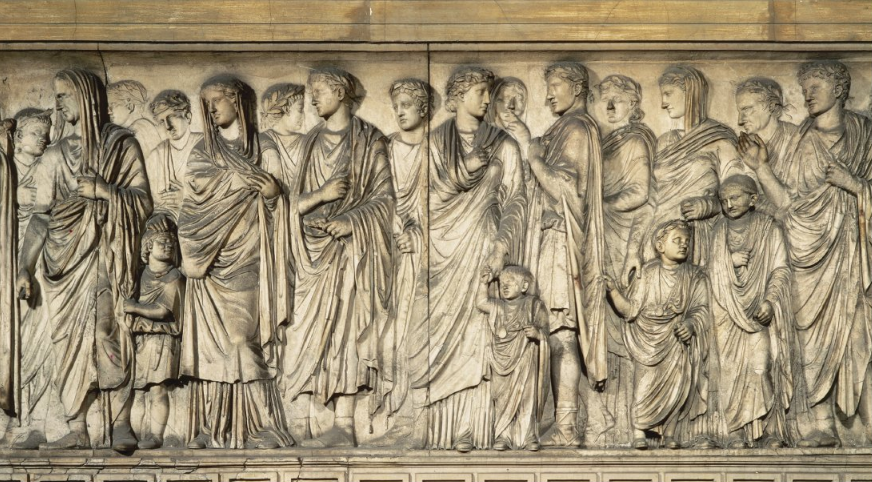
Imperial Procession
ID: Ancient Roman Empire 13-9 BCE
Key: the way the procession is depicted
people are moving their own way, looking around unscripted. overlapping (high relief and low relief: ads a sense of depth)
children are included and women. much more like a regular scene.
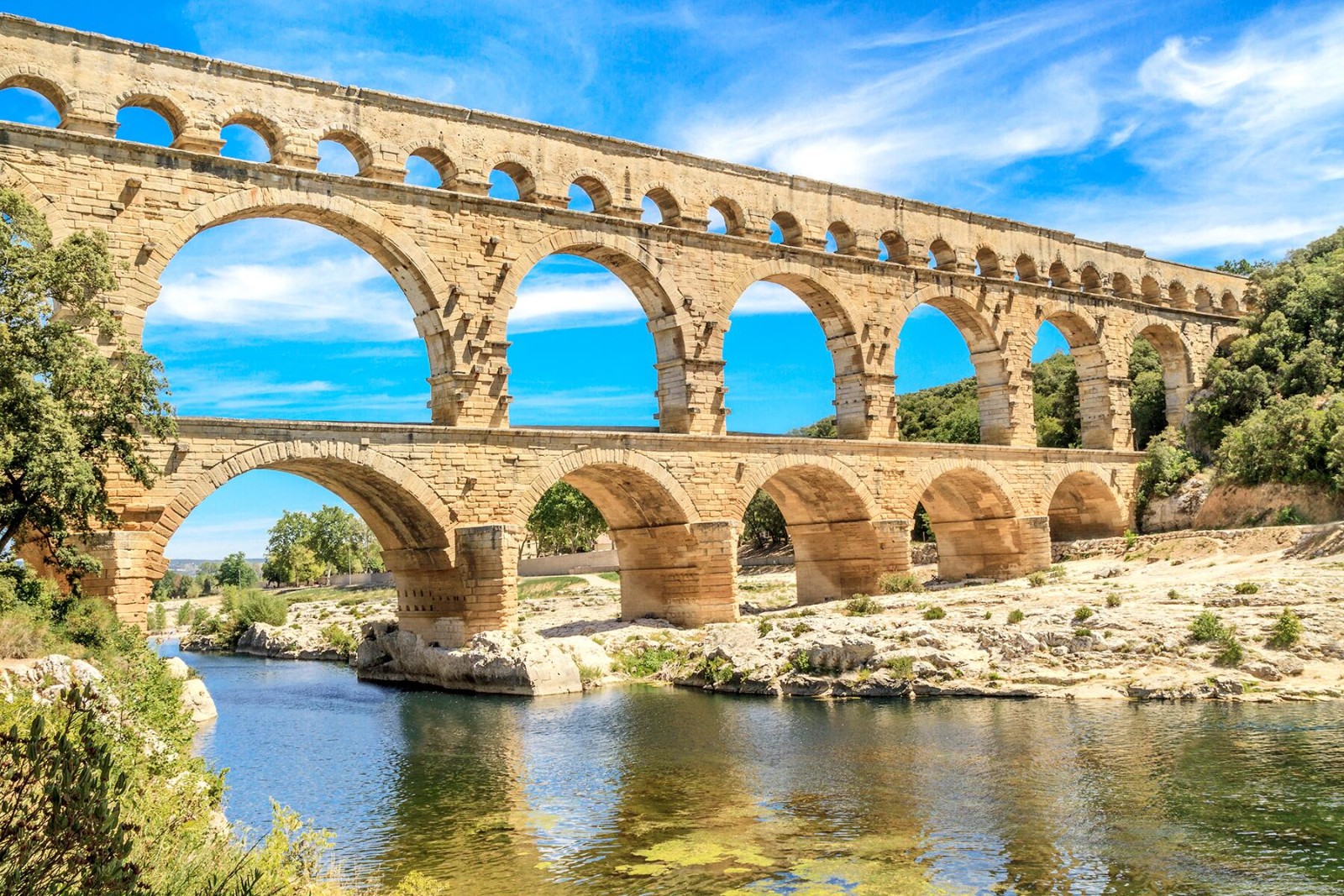
Pont Du Gard 1st century BCE
Cultural ID: Ancient Roman Empire

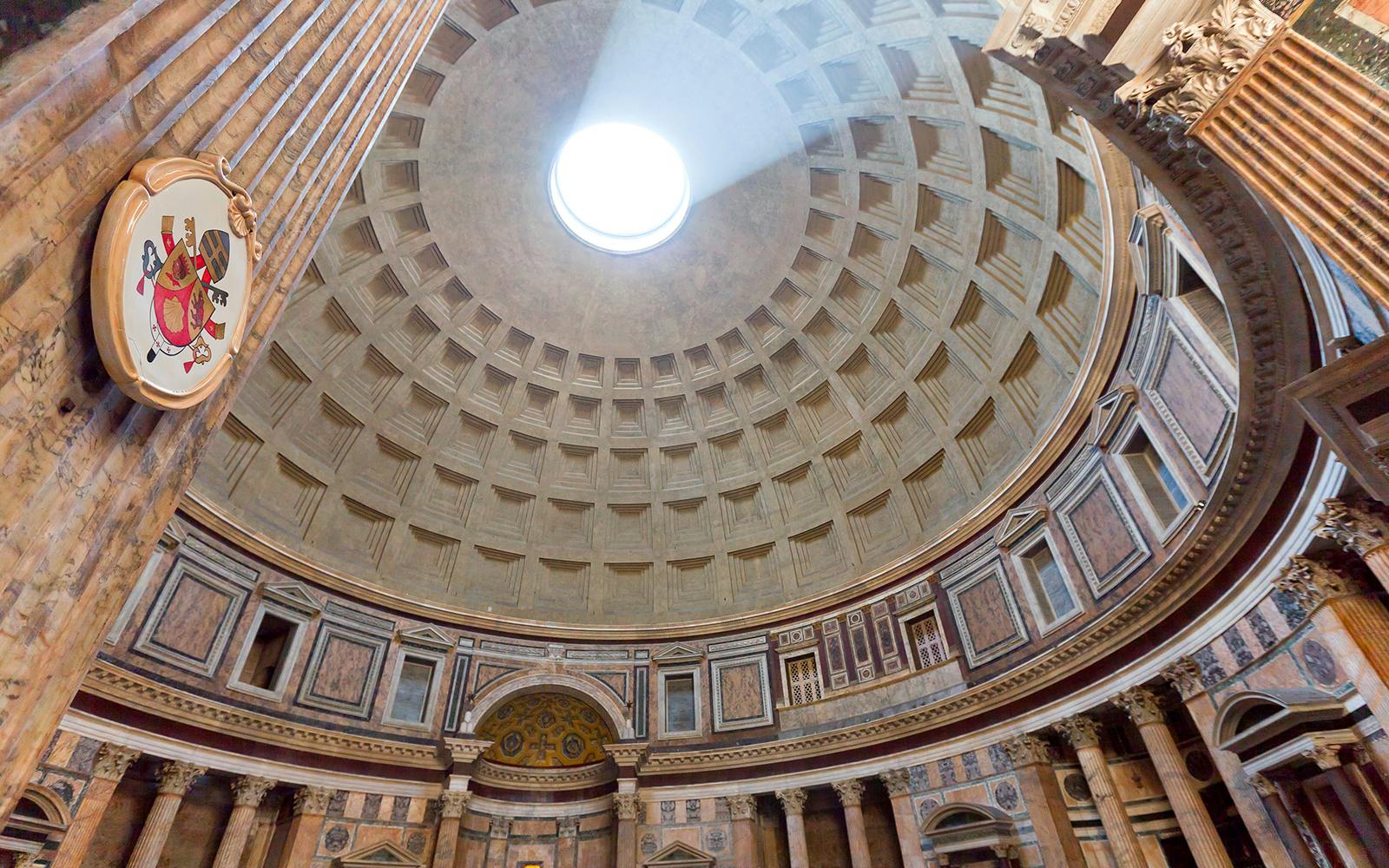
Pantheon 125-128 CE ID: Ancient Roman Empire
(so many photos of the pantheon)
features corinthian pillars
Ways of creating illusion of 3D space in 2D = perspective 8/9

three styles of roman wall painting
making the inside look like marble
illusion of landscapes
thin columns supporting weightless images that seem to float underneath (eg. figure)


Wall painting from Pompeii 40-50 BCE: fresco
ID: Ancient Roman Republic

Wall painting from Pompeii 40-50 BCE: fresco
ID: Ancient Roman Republic
right:
key: illusion of depth
bird bath
does the building in the back read as father away (not really, they havent invented linear perspective yet)
they dont quite know how to make parallel lines (arch way is awk)
Bowl of fruits: looks spherical instead of just circular (shading)
sophisticated imagery
left: 3d perspective is not very evolved yet (looks weird)
design and colour gives us a better idea of what their cities looked like

Wall painting from Pompeii 40-50 BCE: fresco
ID: Ancient Roman Republic
wanted decorated spaces to look like they were covered in marble.
painted decorative marble to look like illusionistic landscape

House of Vettii, Pompeii, Before 79 CE ID: Ancient Roman empire
prostitution was a major part of their lives
nudity was normal
male figure: feet look disproportionate
use of visual depth:
Dude in the background is faded (atmospheric perspective)
overlap
guy in the back is smaller (diminution)


Villa of Agrippa, (roman general who was key to Augustus’s rise to power)
third style

(i dont have an id or location for this)
pseudo egyptian, looking at other cultures with interest
divided into registers

what culture is this story from? what kinds of perspective does it utilize for depth?
Battle of Centaurs and Wild Beasts from Hadrian’s Villa 215 CE
ID: Ancient Roman Empire
extremely naturalistic mosaic (tiles) with convincing illusion of depth
Shows a battle out of ancient Greek mythology
Kinds of perspective:
Vertical - between the two cats one above and one below, scale between them doesnt change, its mostly overlap that makes us believe its farther back
atmospheric perspective - tree is a lighter colour
tonal modeling - shading

+what changes did he make to Rome
Constantine the Great (massive sculpture) 325-26 CE
ID:Ancient Roman Empire
313 edict of milan - allows the faith of Christianity to exist in Roman empire
changed the location of the capital to Constantinople (named after himself)
Constantine and christianity
Constantine has a vision that if he fights with an image of a cross on his shield he’ll win the war.
Christianity was niche for the Romans but growing.
Romans wanted to eliminate it
But after Constantine wins with the cross he makes Christianity legal in the Roman empire (Edict of Milan).

The Roman Basilica - important buildings in every roman town
large rectangular building with roof
centre roof raised higher than side aisles to let light in
one end has a semi-circular apse (sticky outie part) where judge would sit
divided into three sections (center and two sides)
used as a city hall and a court of law
if the emperor was visiting you could petition him
christians: want temples to stand out (structures of power)
adapts political form

The Tetrarchs 300 CE, ID: Roman Empire
Key: late in the empire, realism declined drastically
Four co-leaders of Roman Empire
deliberately less realistic (dont look like real people), less formulaic.
same two figures rotated, less negative space
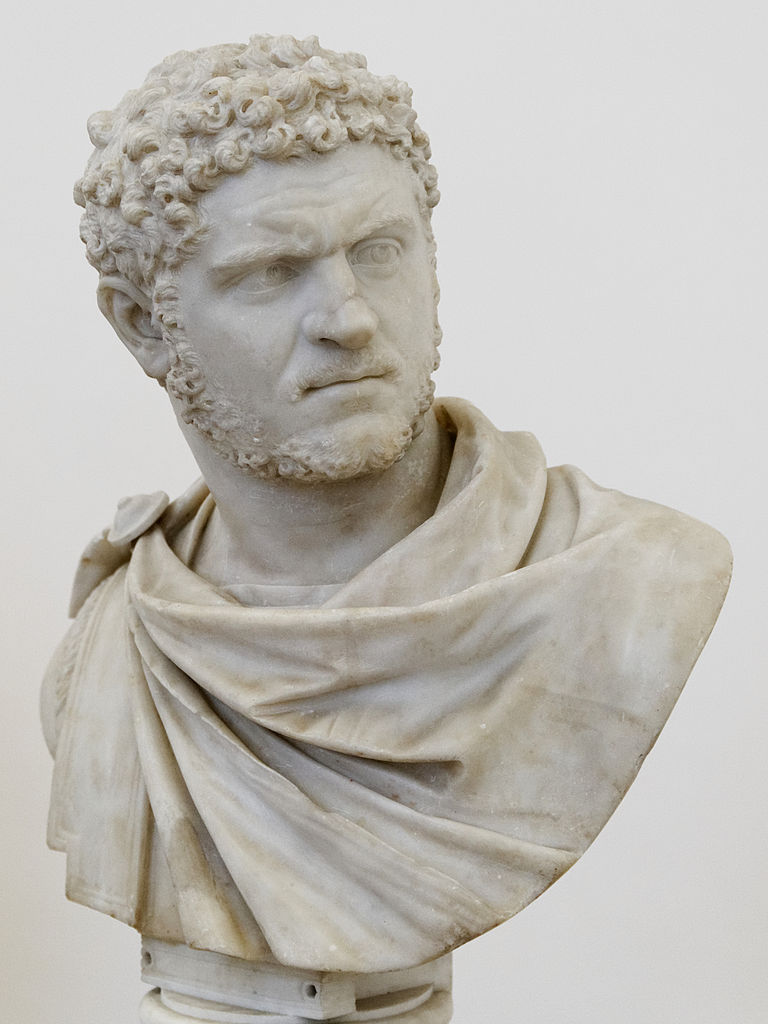
Emperor Caracalla 212 CE
cutie
Romans are really good at making things realistic
then they fucked it all upppp (moved away from hyper realism)

Portrait of Tetrarch, Early 4th century CE ID: Ancient Roman (Late)
move away from realism

Arch of Constantine 312-315 CE
Roman Empire
development of the arch (now three arches!!)

Roundel: Hadrian/Constantine and Hunting Boar and Sacrificing To Apollo
130 BCE
Constantine took these roundels and added them to his arch
drapery is very detailed
Figures far back are cut in lower relief, close figures are high relief
Bottom: Constantine Addressing the Roman People in the Roman Forum
315 CE
Drapery is schematic (formulaic)
Early Hindu Beginnings of Buddhism
what is this period called? years?
Vedic Period
1500 BCE - 500 BCE
Hinduism - where did the term come from
originally a geographic term related to Indus river, expands to all of Indian subcontinent
Vedic Texts
Oldest, sanscrit texts, written 1700 BCE collection of texts
Braham
the ultimate unity of the universe
what is the basis of belief for Hindus
is it mono or polytheistic
no definitive text or single founder ( lots of texts though)
basis of belief is that ultimately everything is united
neither mono or polytheistic - believe worshipping one deity is really the same as worshipping the unity - so allows many faces to be worshipped
three essential Hindu deities
Trimurti - Brahma as the creator god
Vishnu - the preserver
Shiva - the destroyer
rise of Buddhism
Buddha 500 BCE, religion spreads 300 BCE
Buddhism becomes a unifying force in india
When do visual representations of Buddha start
250 years after his death (although his date of death is not agreed) about 100 CE
who is Emperor Ashoka
Unites many parts of Indian subcontinent and spreads Buddhism officially after 250 BCE, but Hinduism always still practiced
Four Noble truths
Life is suffering
This suffering has a cause
We can end our suffering by detaching ourselves from desire
We can detatch ourselves from desire by following the Noble eightfold path
Aniconic
describes a tradition of representation that is symbolic or abstract, ie most often that do not show a religions deity in human form - often because that is forbidden
Iconoclasm
the deliberate destruction of images, especially because they are thought to be idolatrous or incorect

Ashokan Pillar 250 BCE ID: Early India - Buddhism
Early example of state support of Buddhism
In early phase Buddhism is generally Aniconic (doesn’t show buddha)

+symbols
Lion Capital
250 BCE ID: Early India Buddhism
Early example of state support of Buddhism
symbols:
wheel - cycle of life
lotus flower - regeneration, purity, enlightenment or spiritual awakening because the flower grows in murky water but flower opens clean
lions - pointing in four different directions, universality of direction.
lion itself a symbol of Buddha (of Siddartha’s clan before Buddha) – roaring Buddha’s message to all the world
When did Ashoka start supporting Buddhism
260 BCE

Great Stupa at Sanchi 250 BCE, expanded 100 BCE ID: Early india - Buddhism
Ashoka built numerous worship sites and puts Buddha’s relics in all of them (relic is the bodily remains of holy people or objects they came in touch with; cross-culturally important).
what is a stupa and what are they for? inside and outside, what are they a symbol for
made to hold a relic - body part or something touched by a holy person
usually a mound structure, made for walking around in the process of meditation
The mound, or anda, represents the world mountain, which rises through the center of the Buddhist universe. But it also represents the Buddha seated in meditation

Torana (Gateway) 250 BCE
Great Stupa at Sanchi ID: Early India - Buddhism
symbols:
story: Buddhas life (becomes difficult to depict in anionic religions)

The Great Departure: Relief Sculpture from Torana (Gate) at Stupa at Sanchi ID: Ealy India - Buddhism
An Anionic depiction of Buddha’s life story
Wheel - cycles
story reads from left to right where Buddha was born
Umbrella - becomes symbol for Buddha
Tree - Buddha meditates under tree when he becomes enlightened, important symbol
Buddha is there by his absence
Buddha leaves the horse and his people behind, all that’s left are his feet

Yakshi (Heavenly Damsel)
Torana of Great Stupa at Sanchi, 100 BCE
ID: Ealy India - Buddhism
form of fertility figures
most associated with Hindu god of wealth
originally Hindu figure
This Yakshi is interesting for the time because of her movement (sensual)
Buddhists and Hindus are comfortable with sexuality
Tree depicts the Yoni (vulva symbol/female power)

Seated Buddha
between 75-150 CE
Early Indian Art -Buddhism
shift to representing Buddha physically instead of by absence

Buddha and Attendants
131 CE ID: Ealy Indian Art - Buddhism
standards for representing Buddha develop
Often portrayed seated because he taught and meditated seated
Hand up in blessing
cloth is carefully carved, Buddha is never naked, genitals always covered usually by a see through cloth
Chest like a lion (strong body, Lion often used as symbol of Buddha (i think))
legs are in an unnatural position (would be uncomfortable for an untrained meditator)
Hand flat - grounded to earth
feet have markings and engravings - Chakra (wheel) which becomes related to power and
Aura
Hair - represents his coming enlightenment
Bhindi
Ear lobes
Tree
Greco-Buddhist
Greek relationship to Buddhisn, remember that there is lots of traffic in Western Asia between late Greek Hellenistic and then Roman visual traditions
Ear lobes
duel symbol:
symbol of Buddhas wealth as a child (big heavy jewlery)
comes to mean he was listening to the world, in touch with the world
stupa
memorial mound for cremated remains - representative of the Buddha and of his teachings
whats older hinduism or buddhism
Hinduism: they just dont have a lot of surviving art
Vedic period (early hindu to beginnings to of Buddhism) 1500 BCE - 500 BCE
Dharma
sense of natural order of the universe
Samsara
continuous cycle of birth, death, rebirth

Cave Temple of Shiva at Elephanta 550 CE ID: Medieval Indian: Hindu
Dedicated to Shiva: god of distruction (opposites, light dark, male female, creation destruction, sometimes represented as a bull, or upright stone pillar - Lingam)

Main hall - Cave Temple of Shiva at Elephanta 550 CE ID: Medieval Indian: Hindu

Shiva Lingam - Cave Temple of Shiva at Elephanta 550 CE ID: Early (is called Medieval on other slides) Indian Hindu
represent Shiva as power of masculinity
Bull (phallic i guess)

+what are the three faces supposed to mean
is this Buddha
Eternal Shiva - Cave Temple of Shiva at Elephanta 550 CE ID: Medieval Indian: Hindu
three heads (creation protection destruction)
From right to left
1.Sensuous + young
2.Flower in one hand
3.face is supposedly angry
Centerpiece: necessary balance
Preserver
How do we know its not buddha?
Doesnt have top knot, this one doesn’t have a bindi
Lots of ornate jewlery (buddha wouldn’t have wealth around him)

Shiva/Parvati - Cave Temple of Shiva at Elephanta 550 CE ID: Medieval Indian: Hindu
Gods take many different forms but they’re all one (unity)
Shiva: fully merged with female partner Parvati
strong femininity (Yakshi like)
fits the faith: brings together unity as a necessary fusion

Hindu temple
Kandariya Mahadeva Temple 1030 CE ID: Midieval India Hindu
Intimate space to see the god and be seen by the god
some temples are covered with people having sex (?) theyre concept of the divine does not conform to our modern day modesty
Large sections of China unified when? who?
210 BCE by “first emperor of Qin Dynasty” called Qin Huangdi
what did Qin do
Significant leader, leads to territorial expansion
brings together vast territory into one administrative unit
develops a centralized beaurocracy
Qin Dynasty
221 BCE-206 BCE

where are these guys from?
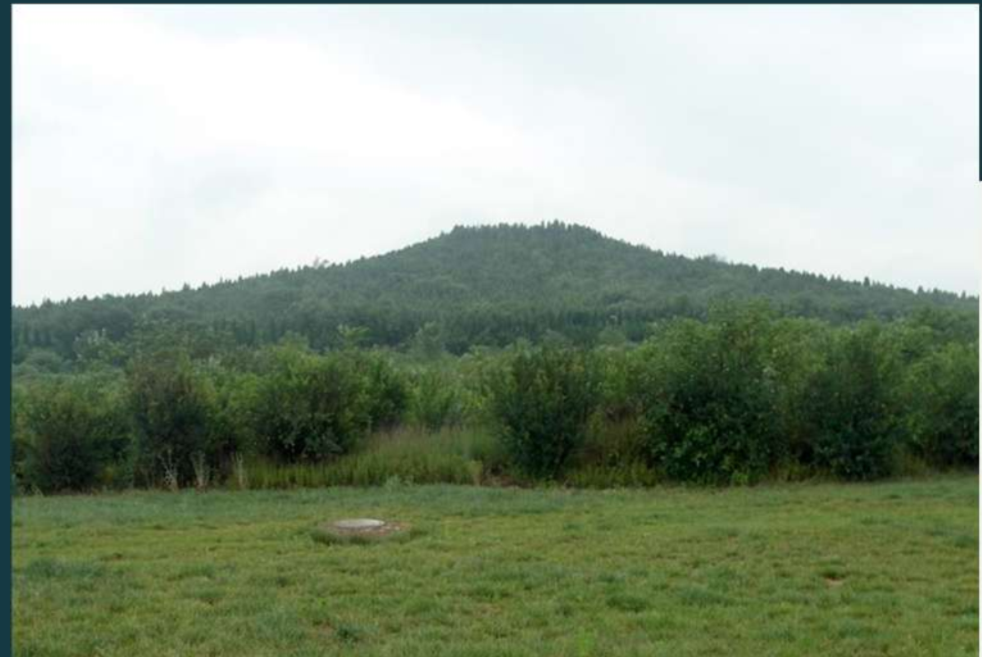
Burial Mound and Tomb Complex of Shihuangdi (first emperor of Qin)
210 BCE
ID: Ancient Chinese - Qin Dynasty

Soldiers, The Great Terracotta Army of Shihuangdi 210 BCE ID: Qin Dynasty China
Han Dynasty 3 important movements
Confucianism (older system) gets promoted by state
Daoism (older system)
China expands westward and opens trade aka Silk Road
ideas of confucious movement
how a person can live good life relations to others
harmony with others
balance
daoism
personal harmony in relation to nature, fuses with confusious

Funeral Banner of Lady Dai 2nd century BCE
Painted silk (discoloured and would’ve been off white)
ID: Han Dynasty China

Nesting Coffins of Lady Dai, re Funeral Banner of Lady Dai
2nd Century BCE ID: Han Dynasty China
Emphasis on burian becomes important in Han dynasty Burial sites have significant objects in them (people are spending a lot of money on the dead)

Funeral Banner of Lady Dai 2nd C BCE
Earliest known portrait in Chinese painting
movement: implication of turn in fabric. Posture (tilt) also points towards movement
Image is 'economical': outline between all colours
Characteristic of chinese art
Drawing first and colouring later, so outline is present
often called Caligraphic (drawing and writing are fused activities)
Six Dynasties Period
period of disunity
northern part of country dominated by peoples

Seated Buddha, China, 338 CE Earliest known Buddha scupture in China ID: Six Dynasties Period
Think it traveled to china from northern india along trade routes
China expanding, people from west moving to china, a fusion occurs
Small sculpture (portable)
Cast in bronze, covered in thin layer of gold (guilting 'guild')
Holes on the front: would've had imagery there before (lions maybe)
Would’ve had a series of parasols above his head
Six Dynasties Period
220 CE-589 CE

Seated Buddha, Yungang Caves 460 CE ID: Six Dynasties Period
There are hundreds of Buddha sculptures at this location. they are often shown with an attendant who would help them to reach enlightenment.
difference from India:
Chinese figures of Buddha ‘look more remote"‘ than indian buddhas.
elevated and large
inset into surroundings
drapery doesnt look naturalistic
doesnt have chakras on hands or feet
chest not as lion like “do you even lift bro??”
kind eyes, smiling

Longmen Caves 460 CE ID: Six Dynasties Period
Buddha, Bodhisattvas and Guardians
what are Bodhisattvas
Bodhisattvas (aggressive figures near buddha)- on their way to enlightenment but wait so they can help others reach enlightenment

Longmen Caves - Bodhistvas Guardians
Holding a temple (we know its not buddha because of the armour)
standing on a guy (for some reason)
on the right: intended to be very scary
Sui dynasty
581-618 CE (pronounced sway)
China re-united and we see a significant rise in Buddhism
Tang dynasty
618-906 CE
China expanding territory
time of flourishing of arts
Buddhism gets significant state support and spread, until 845 when it is increasingly repressed

Detail of the Admonitions Scroll (detail); handscoll, painted on silk. Original attributed to Gu Kaizhi (about 345-406), this, Tang dynasty copy, 7th-8th century CE ID: Tang Dynasty, China
Highly repsected art to copy an excellent work
Handscrolls function like a book
Integrates text and imagery
Shows a way of marking work, newer owners stamp their ID on it to trace its history, sometimes with commentary from owners
whats up with the figures
All outlining here
Caligraphic fluid dynamic line
Where are they situated in space?
Theyre floating, no ground or horizon
Makes space ambiguous
Abstraction
Way her gown falls and comes back up
Creates sense of movement
One of the earliest texts not associated with burial site
What's it say:
Poem telling empress shes not behaving well (admonition), meant to restrict and instruct proper behaviour of women
Og trad wife tik tok
Song dynasty
960 - 1279 CE

Fan Kuan
Travelers by Streams and Mountains, ink on silk hanging scroll 1000 CE ID: Song Dynasty China
landscapes are rare for early art, this piece springs from confusionism and daoism (harmony, with ppl and nature)
Chinese art - perspective of the viewer is confusing (looking up and down at the same time)
theres an incredible amount of detail (buildings, cows at the bottom, the river)
use of negative space for detail (mist)
important: virtical scrolls can be seen as one picture (unlike handscrolls which demand more time) but include minute details that take time to find and enjoy
they’re not meant to be a fast experience
Early christian period
from earliest days of the Christian period, in the Roman Empire
both before and after the legalization of the faith in 313 CE
but first visible art roughly 250 CE through the ‘fall of Rome’, 476 CE
Summary of Christian faith
Believe in 1 god, manifests in three persons (trinity) made up of Father, Jesus, and Holy Spirit (dove)
jesus believed to be fulfilment of Old Testament (Jewish) prophecies - often called Christ (chosen or anointed one)
Virgin Mary
30, Jesus called by God to public ministry; gathers 12 followers known as apostles or diciples
3 years later, last supper, fortells his death seen as sacrifice to save his followers in afterlife, tells them to eat bread (body) and drink (blood)
crucifixtion
3 days later resurrection
ascendsion to heaven; believers will also have everlasting life in Heaven
Christianity legalized in the Roman Empire in 313 CE, by Emperor constantine; made the state religion in 380 CE