VETT 3020 Chapter 9 Lesson 2: Animal Behavior Training Techniques
 Call Kai
 Learn
 Practice Test
 Spaced Repetition
 Match
 Flashcards
 Knowt Play
1/39

There's no tags or description
Looks like no tags are added yet.
40 Terms
What does the American Veterinary Society of Animal Behavior recommend for training methods?
Focus on teaching wanted behavior rather than punishing unwanted behavior.
How is an animal's behavior described in relation to emotional states?
It is a coping mechanism for an adverse emotional state.
What should training techniques promote?
The human-animal bond.
What is the definition of corporal punishment?
The use of physical force with the intention of causing pain, but not injury.
What are some consequences of corporal punishment in children?
Increased aggression, depression, lower self-esteem, and poorer psychological functioning.
What criteria must be met for punishment to be effective?
Must be contingent on the behavior, properly intense, and delivered within 0.5 seconds of the behavior.
Why can punishment be counterproductive to treatment?
It slows learning, increases fear, and is difficult to apply consistently.
What is lure reward training?
A technique that involves giving a cue, prompting the behavior, and rewarding it.
What is clicker training?
A method using positive reinforcement with a consistent event marker, usually a clicker.

What are the benefits of clicker training?
Accelerated learning, improved retention, non-threatening, and strengthens the human-animal bond.

What is the purpose of training tools?
To assist in changing behavior safely and effectively.
What are head halters used for?
To control dogs that pull on the leash.
What is a disadvantage of using head halters?
They may not be effective in brachycephalic breeds and can create negative associations.
What is the difference between nylon and basket muzzles?
Nylon muzzles are for short procedures and can still bite, while basket muzzles allow panting and eating.
What is the function of body harnesses?
To allow freedom of movement while providing some level of control.
What types of treats can be used for training?
Anything the animal enjoys, such as peanut butter, cheese, or chicken.
What is the purpose of target sticks in animal training?
To minimize the need for sedation during minor procedures.
What is a calming cap?
A lightweight fabric that filters a dog's vision to reduce stress.
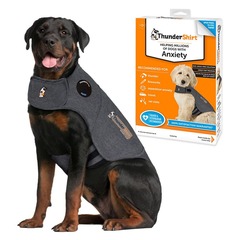
What is the Thundershirt used for?
To help calm dogs and cats through pressure on the nervous system.
What is the purpose of waist leashes?
To keep the animal close while allowing both hands to be free.
What is the function of tethers in animal training?
To allow the animal to move while keeping everyone safe.
What is the typical length of draglines used in training?
Usually 10 feet.
What is the purpose of using long lines in dog training?
To teach recall outside while allowing exploration and keeping the dog safe.
What are interactive toys or puzzles used for in dog training?
To alleviate boredom, stimulate natural hunting behavior, and provide problem-solving opportunities.

What are pheromones?
Chemicals released by one animal that send messages to others of the same species, often used to address behavioral issues.
How do synthetic pheromones help dogs?
They mimic natural calming pheromones to assist with stress, separation anxiety, and noise sensitivity.
What is aromatherapy in the context of dog training?
The use of specific scents to affect behavior and mood, enhancing physical and emotional well-being.
What is acoustic/sound therapy?
Using sounds to reduce the impact of auditory stimuli associated with fear, anxiety, stress, or reactivity.
What are reward markers?
Signals such as clickers or verbal markers that indicate the correct behavior and that a reinforcer is coming.
What is double leashing?
Using two leashes for extra safety to prevent escape or injury, especially when working outside.
What are decoys used for in dog training?
Life-size stuffed animals used to assess a dog's level of aggression and desensitize them to other animals.
What is the importance of choosing an appropriate event marker?
It should pinpoint the exact moment of the desired behavior to reinforce learning effectively.
What is the reinforcement hierarchy?
A system that determines different reinforcements for each learner based on individual motivation.
What is the recommended reinforcement schedule during training?
Continuous reinforcement at first, then transitioning to intermittent reinforcement once the behavior is learned.
What does 'capturing behavior' mean in dog training?
Marking and reinforcing any behavior that can be detected by human senses, such as 'catching' a dog sitting.
What are the common types of prompts in dog training?
Physical prompts, environmental prompts, luring, and targeting.
What is the role of cues in dog training?
Signals indicating which behavior should be performed, serving as a common language between trainer and learner.
What does 'poisoning the cue' refer to?
When a cue becomes associated with negative experiences, leading to confusion or avoidance in the dog.
What is precision in dog training?
How the finished behavior should look, including factors like latency, speed, distractions, duration, and distance.
What is fluency in the context of dog training?
The ability of the dog to perform a behavior consistently and accurately under various conditions.