a&p 1 lab quiz 1
 Call Kai
 Learn
Learn Practice Test
 Spaced Repetition
 Match
Match Flashcards
 Knowt Play
1/93

There's no tags or description
Looks like no tags are added yet.
Name | Mastery | Learn | Test | Matching | Spaced | Call with Kai | Chat |
|---|
No analytics yet
Send a link to your students to track their progress
94 Terms
Simple squamous epithelium

Simple cuboidal epithelium

Simple columnar epithelium

pseudostratified ciliated columnar epithelium
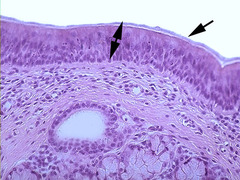
pseudostratified ciliated columnar epithelium with hyaline cartilage

stratified squamous epithelium

Transitional epithelium (Urothelium)

Loose Areolar connective tissue

Dense regular (white fibrous) connective tissue

Dense irregular connective tissue

adipose connective tissue

Elastic connective tissue

Reticular connective tissue

Hyaline cartilage

Elastic cartilage

Fibrocartilage

Bone

Blood (vascular tissue)

skeletal muscle

Cardiac muscle

smooth muscle

Nervous tissue

scalp

tactile corpuscle

lamellar corpuscle

fetal fingernail

thick skin

stratum basale
Basement layer
stratum spinosum
Second layer -spikes
stratum granulosum
3rd layer - grainy
stratum lucidium
4th layer - clear layer
stratum corneum
5th layer - horny layer
dermis
below stratum basale - deep layer of skin
epidermis
Top layer of integument
thin skin

Abdominal regions

Planes of the body

Regions of the body

reproductive system
gonads (testes and ovaries) contain the sex-producing cells of the body, and the accessory organs, such as the uterus, vagina, penis, and seminal vesicles, play a part in the transport of the sex cells and the development of the fetus
urinary system
kidneys are filters in the body, and the urinary bladder is a storage organ. the ureters connect the kidneys to the bladder, and the urethra is the exit tube from the body. this system plays an important role in ridding the body of nitrogenous wastes, adjusting the chemical balance of the body fluids, and maintaining blood volume
nervous system
the brain, spinal cord, and nerves make up this system. this system coordinates body regions, interprets environmental cues, and integrates information
muscular system
individual muscles are the organs of this system. muscles move and strengthen joints and generate heat, along with other functions, such as abdominal compression
respiratory system
the nose, larynx, trachea, and lungs are part of this system. the lungs exchange gases (oxygen and carbon dioxide) between the blood and the air
skeletal system
each bone is considered an organ, with blood vessels and nerves found in each bone. this system supports the body, protects delicate organs, and produces blood
lymphatic system
the lymph nodes, spleen, thymus, and tonsils are part of this system. a major function of this system is to protect the body from foreign particles, such as bacteria, viruses, and fungi. cells from this system make up the immune system, which is not an organ system but a functional system consisting of an assemblage of cells that defend the body
integumentary system
the skin is the largest organ of the body and makes up most of this system. this system also contains associated structures, such as hair follicles, hair, nails, and the glands of the skin. the skin protects the body against microorganisms, keeps it from drying out, and produces vitamin D
digestive system
the mouth, esophagus, stomach, liver, and intestines are part of this system, which provides nutrients and water to the body and removes waste
endocrine system
this system is composed of organs that produce hormones, which are vital in regulating growth and development and maintaining consistent internal body condition. organs such as the thyroid gland and the adrenal glands are endocrine glands (glands that secrete hormones without the use of ducts). organs such as the pancreas and the gonads have dual functions; one is endocrine and the other is exocrine (secretion of material through ducts)
circulatory system
the heart, blood, and blood vessels make up this system. the heart is the pump of the system, and the blood vessels are the delivery and return portion of the system. this system is primarily involved in transporting oxygen, carbon dioxide, and other materials throughout the body
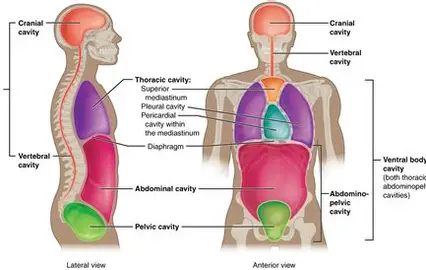
body cavities
simple squamous epithelium

simple cuboidal epithelium

simple columnar epithelium

simple solumnar epithelium with cilia

pseudostratified ciliated columnar epithelium and hyaline cartilage

pseudostratified ciliated columnar epithelium and hyaline cartilage

stratified squamous epithelium

stratified squamous epithelium

transitional epithelium

transitional epithelium

areolar connective tissue

dense regular connective tissue

dense irregular connective tissue

adipose tissue

elastic connective tissue

reticular connective tissue

hyaline cartilage

elastic cartilage

fibrocartilage

fibrocartilage

bone (osseous) tissue

vascular tissue (blood)

vascular tissue (blood)

skeletal muscle tissue

cardiac muscle tissue

cardiac muscle tissue

smooth muscle tissue

smooth muscle tissue

nervous tissue

nervous tissue

thick skin

thick skin

scalp tissue (thin, hairy skin)

tactile corpuscle

lamellar corpuscle

fetal fingernail

integumentary system skin model small

integumentary system skin model large

bone tissue model

decalcified compact bone

decalcified compact bone

decalcified compact bone

decalcified compact bone

decalcified compact bone
