Human Evolution Keywords
 Call Kai
 Learn
 Practice Test
 Spaced Repetition
 Match
 Flashcards
 Knowt Play
1/48

There's no tags or description
Looks like no tags are added yet.
49 Terms

Acheulian
A tool used by Homo Erectus 1.6m - 200,000 years ago with a tear drop shape
Used for butchering animals, bone marrow extraction, chopping and plant processing
Arboreal
living, moving - basically spending a significant amount of time above the surface (trees)
agriculture
Growing plants and animals for food.
ancestral Eve
The matrilineal most recent common ancestor of all currently living humans, i.e., the most recent woman from whom all living humans descend in an unbroken line purely through their mothers.
biological evoution
gradual change in inherited genes of a population from one generation (gen) to the next. Passed down strictly through DNA
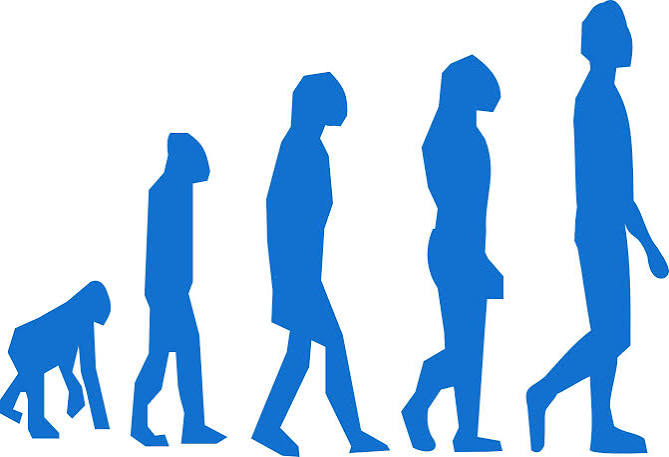
bipedalism
a form of locomotion where the organism is able to perform a stance with two limbs/two legs to support weight
brachiation
A method of locomotion that involves moving from branch to branch by swinging below the branches rather than moving along the tops of the branches.
Broca's region
An area of the brain that controls the muscles of the lips, jaw, tongue, soft palate and vocal cords during speech.
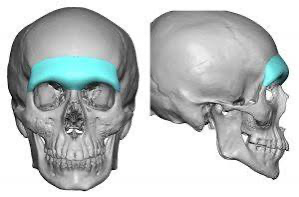
brow ridge
A ridge of bone separating the forehead from the eye sockets.
cranial capacity
An estimate of the volume of the cranial cavity of the skull - used to infer brain size.
cultural evolution
gradual change and passing down of learned behaviours, knowledge, skills, beliefs, and tools from one gen to no next gen.
dentition
The number, size and arrangement of teeth in the skull and jaw, including the presence or absence of a diastema (a gap between the incisors and canines).
dispersal
The movement of people in different directions - driven by food, climate change, competition, etc.

femur
Longest and strongest bone in the human body - found in the upper leg.
fibula
the smaller, weaker bone next to tibia
flake tool
A stone tool made by knocking a small flake off a stone core.

foramen magnum
The large hole at the base of the skull where the spinal cord exits the skull.
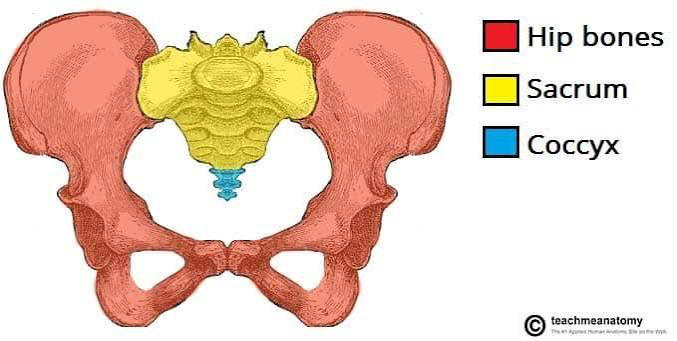
hip girdle
The group of joined bones that form the pelvis.
hominid
A group that includes humans, pre-humans and great apes (gorilla, chimpanzees and orang-utan).
hominin
A group that includes only humans and their immediate ancestors (mainly Homo and Australopithecus species).

humerus
the single, long bone of the upper arm that connects the shoulder to the elbow
hunter gatherer
Humans that gather their food by hunting animals and collecting plants found in the wild.

Mousterian
Tool used by Homo Neanderthalensis 200,000 - 400,000 years ago. Used for hunting, processing animals, and crafting daily necessities from wood, bone, and hides.
Uses levallois technique to create this tool
Multiregional
This hypothesis suggests Homo Erectus left africa first and modern homo sapiens gradually evolved out of these populations. As populations dispered they maintained contact therefore there were gene flow
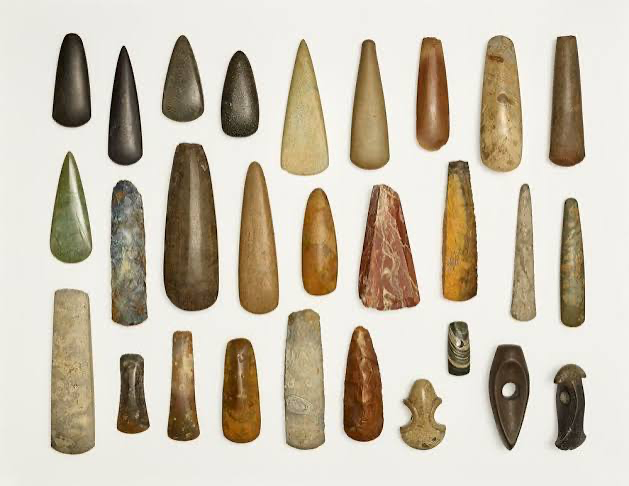
neolithic
Used by Homo Sapiens 30,000 - 12,000 years ago
New stone age tools that were produced to show extensive use for agricultural tasks
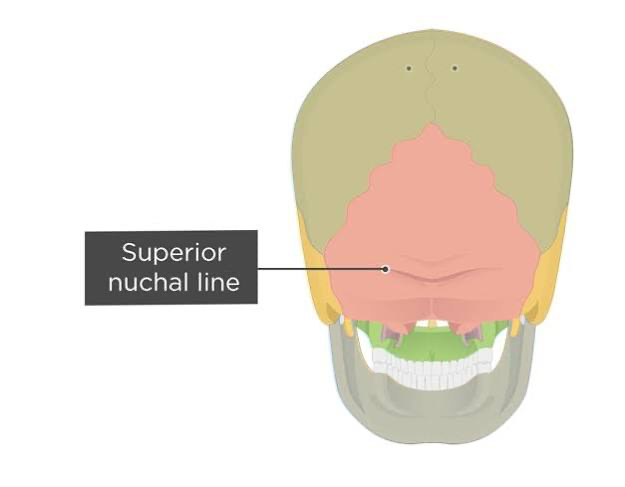
nuchal ridge
A bone ridge at the back of the skull to which strong neck muscles can attach to keep the head in a horizontal position.
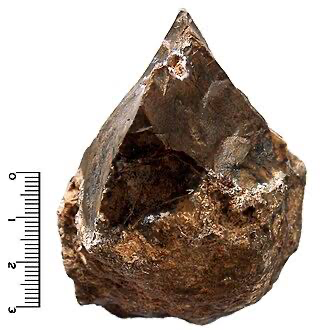
Oldowan
Used by Homo Habilis 2.5 - 1.2 million years ago
Used for butchering animals, cracking bones for marrow, and processing plants.
Created from a few blows
Out of Africa
A hypothesis that proposes a second migration out of Africa happened about 100,000 years ago, in which anatomically modern humans of African origin conquered the world by completely replacing archaic human populations.
primates
Any member of the biological order Primates; the group that contains all the species commonly related to the lemurs, monkeys, and apes (including humans).
prognathism
a positional relationship of the jaws where the upper jaw, lower jaw, or both protrude (extend) forward beyond the normal facial profile
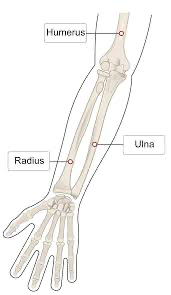
radius
A long bone of the human forearm on the thumb side

rib cage
Part of the skeleton, made up of curved bones called ribs, which protect a person's internal organs from damage.

sagittal crest
A ridge of bone found at the top of the skull. It serves as an attachment point for powerful chewing muscles and as a strengthening mechanism to protect the skull from distortion by these muscles.

scapula
Shoulder blade. A large, flat, triangular bone located on the upper back that connects the upper arm bone (humerus) to the collarbone (clavicle).

temporal bone
Bone plates located at the sides and base of the skull.
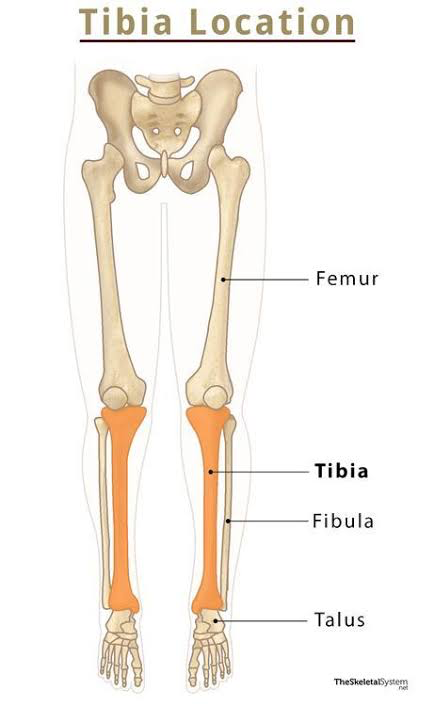
tibia
One of the bone on the lower leg. Specifically, the stronger, larger and weight bearing bone
tool culture
Collections of stone tools that indicate the level of cultural evolution in hominins.

ulna
one of the two long bones in your forearm, running from your elbow down to your wrist on the pinky-finger side
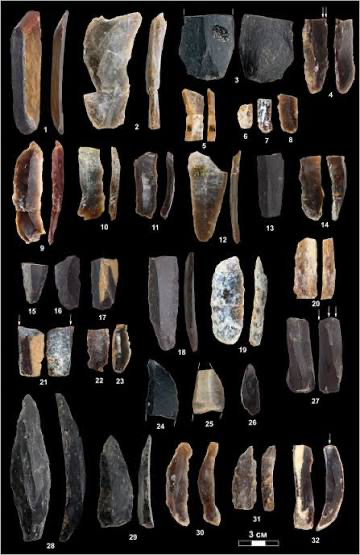
upper Palaeolithic
Tools used by Homo sapiens 40,000 - 12,000 years ago used for specialized hunting, tailored clothing production, and crafting everyday gear
Large diversity of tools

valgus angle
angle of any bone below a joint that tilts away from the centre of the body
Wernicke's area
An area of the brain concerned with the comprehension of spoken words - the ability

Quadrupedalism
A form of locomotion where the organism uses four limbs (four legs)
locomotion
act of moving from one place to another

Canines
four sharp, pointed teeth located at the "corners" of your mouth. They are built to grip and tear food while protecting your back teeth from wear.

Incisors
sharp, chisel-shaped front teeth located at the center of the upper and lower jaws

diastema
a space or gap between two or more teeth

molar
large, flat teeth located at the back of the mouth

pre molar
adult teeth located right between your sharp canine teeth and your flat back molars.

Clavicle
AKA collarbone is a curved, S-shaped bone at the base of your neck that connects your arm to your chest.