NRSE360 EXAM#2 complications of labor and birth
 Call Kai
 Learn
Learn Practice Test
 Spaced Repetition
 Match
Match Flashcards
 Knowt Play
1/71

There's no tags or description
Looks like no tags are added yet.
Name | Mastery | Learn | Test | Matching | Spaced | Call with Kai | Chat |
|---|
No analytics yet
Send a link to your students to track their progress
72 Terms
Preterm Labor and Birth:
Preterm labor (PTL): Labor < 37 wks
Preterm birth (PTB): Gest. age at birth < 37 wks
preterm infant
Born after 20 weeks, before 37 wks
Preterm labor: nursing assessment:
Risk factors Subtle signs
Contraction pattern
Laboratory and diagnostic testing: CBC, urinalysis, amniotic fluid analysis, fetal fibronectin, cervical length via transvaginal ultrasound, salivary estriol, home uterine activity monitoring
contraction pattern of labor
4 contractions every 20 minutes or 8 contractions in 1 hour
preterm labor
Regular uterine contractions with cervical effacement and dilation between 20 and 37 weeks’ gestation
Most common obstetric complications
therapeutic management
Risk prediction
Tocolytic drugs
Antibiotic prophylaxis for women with group B streptococcus
tocolytic drugs
drugs used to suppress or delay uterine contractions and temporarily pause preterm labor for 24 to 48 hours
there are no clear first-line drugs to manage preterm labor; may prolong pregnancy for 2 to 7 days while steroids can be given for fetal lung maturity
risk for preterm labor
#1 is previous preterm labor
Infections, HX miscarriage and abortions, multifetal pregnancy, <17 y/o, >35 y/o, smoking, substance use, lack of prenatal care, uterine abnormalities
preterm labor: expected findings
uterine contractions (more than 4 in an hour)
pressure in pelvis, low back pain, GI cramping, urinary frequency, vaginal discharge
preterm labor: assessment finding
increase/ change in odor or blood in vaginal discharge, change in cervical dilation, regular contractions, premature ROM
preterm labor labs
fetal fibronectin, cervical cultures, CBC, urinalysis
Diagnostic for preterm labor: Swab of vaginal secretions for FFN 24-34 wks gest
Protein found in vaginal secretions and can be related to inflammation of the placenta that can lead to PTL
Negative result is good and means they are going to deliver within 10-14 days
Diagnostic procedures: preterm labor
Measure endocervical length with USN to assess for shortened cervix
Home uterine activity monitoring
Cervical cultures to detect presence of infection
Nonstress test, Biophysical profile
Fetal Bibronectin Test (FFT)
Prediction of PTL: Fetal fibronectin (done btwn 22-35 weeks of pregnancy)
Negative result/woman not likely to deliver in 10-14 days
Positive result: protein is leaking, increased PTL risk
What is fetal fibronectin?
Extracellular protein, “Glue” that attaches fetal membranes to the uterus.
Care for Preterm Labor:
• Focus on stopping contractions
• Modified bedrest
• Left lateral position
• Pelvic rest
• Ensure hydration
What does dehydration cause in mothers experiencing preterm labor
dehydration can cause contractions
Dehydration causes brain to release Oxytocin & Anti diuretic Hormone, Oxytocin stimulates contractions
Monitor VS, Report any s/s of infection
Fetal tachycardia (>160, prolonged) can indicate
infection, frequently associated with PTL
Nifedipine
Ca channel blocker
Monitor for headache, flushing, dizziness & nausea, once stable they can stay on it for a long time (PO med)
For preterm labor, preeclampsia
Nifedipine should not be given with MGSO4
Respiratory depression RR<12
magnesium sulfate
Given for neonatal neuroprotection, preterm labor, prevent seizures
Tocolytic, relaxes smooth muscle of uterus, suppresses contractions
Instruct client to notify RN of distress (blurred vision, headache, nausea, vomiting, difficulty breathing)
magnesium sulfate (toxicity)
Monitor for s/s of Mag. Tox. (loss of DTRs, urinary output < 30 cc/hr, respiratory depression, pulmonary edema, chest pain)
Administer Calcium Gluconate as an antidote as needed
terbutaline
Beta Adrenergic Agonist SC q 4 hr up to 24 hrs
Relaxes smooth muscle & inhibits uterine activity
Do NOT give with hx of Diabetes/Prediabetes, Cardiac Disease, Hypertensive Disorders of pregnancy, Hyperthyroidism & Hemorrhage
Notify provider with HR >130, BP < 90/60 or any cardiac concerns
Discontinue if not tolerated by client
Betamethasone
Glucocorticoid, IM x 2, q 24 hrs, to enhance fetal lung maturity & surfactant production, 24-34 wks gest.
Monitor for fetal & neonatal: pulmonary edema (chest pain, SOB, crackles), hyperglycemia, heart rate changes
Psychological support is essential
Preterm labor ROM, preterm pre-labor ROM: risk factors
infection, prior PTL, short cervix, 2nd/3rd trimester bleeding, pulmonary or CT disorders, low BMI, tobacco, substance use, risk for cord prolapse
Preterm labor ROM, preterm pre-labor ROM: expected findings
Fluid leaking from vagina, Variable decels, extended decels, Positive Nitrazine test, GBS cultures, Assess VS, limit vag. Exams, Daily kick counts & BR with BRP
Preterm labor ROM, preterm pre-labor ROM: meds
Ampicillin to rx chorioamnionitis & Betamethasone to promote fetal lung maturity
Post- term pregnancy: assessment and management
Nursing Assessment: estimated date of birth; daily fetal movement counts, nonstress tests twice weekly, amniotic fluid analysis, weekly cervical examinations, client understanding, anxiety, and coping ability
Nursing Management: fetal surveillance; decision for labor induction; support; education, intrapartum care
postterm labor timeline
Pregnancy continuing past end of 42 weeks’ gestation
postterm labor: maternal risks
Cesarean birth, dystocia, birth trauma, postpartum hemorrhage and infection.
unknown etiology
postterm labor: fetal risks
macrosomnia (large baby) shoulder dystocia, brachial plexus injuries, low Apgar scores, postmaturity syndrome, and cephalopelvic disproportion (head to big, pelvis too small)
Apgar scores done after birth
Precipitous Labor:
very quick
Labor that lasts less than 3 hours from onset of labor to birth
Precipitous Labor: risk factors
Multips, past precipitous birth
Precipitous Labor: assessment findings
Rapid cervical dilation, hypertonic UCs, Potential Category II-III FHR
Precipitous Labor: nursing action
Prepare for delivery, Stay with pt/family, Monitor FHR/Ucs q 15 minutes, SVEs, Anticipate emergencies (PPH, lacerations, Neonatal hypoxia, CNS depression d/t rapid birth)
turtle sign
when the baby's head comes out and then goes back in
Sign of shoulder dystocia
McRoberts Maneuver
knees flexed all the way to chest and then extend (dislodges shoulder
Superpubic pressure is also applied
Obstetrical emergency: shoulder dystocia
Shoulder dystocia refers to difficulty encountered during delivery of the shoulders after the birth of the head.
Obstetrical emergency: risk factors
Fetal macrosomia, Maternal Diabetes, History of shoulder dystocia, prolonged second stage, excessive weight gain
Obstetrical emergency: associated risks
Fetal injury & death, brachial plexus injury, fractured clavicle (sometimes done on purpose), Maternal complications- Lacerations, infection, hemorrhage
Obstetrical emergency: assessment finding
delay in delivery of shoulders, Retraction of head against maternal perineum after delivery of head (“Turtle sign”)
medical management: shoulder dystocia
Downward traction may be applied to fetal head with suprapubic pressure
Extended midline episiotomy
McRoberts maneuver, Woods corkscrew maneuver
Nursing: Education, support, assessment, collaboration & team work
McRoberts maneuver
sharply flex thigh onto maternal abdomen then extend
woods corkscrew maneuver
Woods progressively rotates the post shoulder 180 degrees to disimpact the ant shoulder
What do you specifically not do during shoulder dystocia
NO fundal pressure
Tachysystole
too many contractions, defined as
Five or more UCs in 10 minutes over 30-minute window
Series of single UCs lasting 2 minutes or longer
UCs occurring within 1 minute of each other
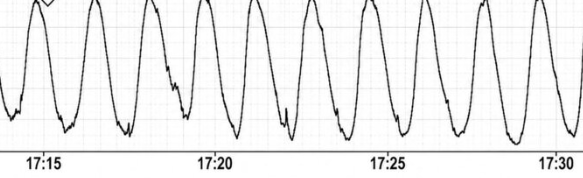
Hypotonic Uterine Dysfunction:
Uterine contractions are either too uncoordinated or too weak to effectively dilate the cervix. Too many contractions
Hypotonic Uterine Dysfunction: timing/ treatment
Uterine contractions palpate soft and occur at a rate of less than three or four every 10 minutes lasting less than 50 seconds
Treatment may include rest, an amniotomy, or oxytocin administration
induction of labor
Deliberate initiation of uterine contractions to stimulate labor before spontaneous onset
induction of labor: indications
Postdates (book says >42 weeks, its 41 weeks in practice)
Prolonged premature rupture of membranes (PROM)
Oligohydramnios: not enough fluid
insufficient or low amniotic fluid level. Causes: something wrong with fetal kidneys, or uteroplacental insufficiency, or there was a silent rupture of membranes.
FGR: fetal growth restriction (baby's is not growing)
Expectant medical conditions (pre-e, GDM, cholestasis, AMA)
Fetal demise, Chorioamnionitis, Elective
cervical ripening methods: chemical agents
Prostaglandin E2 Gel or Prostaglandin E1 (Misoprostol (Cytotec)
cervical ripening methods: mechanical and physical methods
balloon dilators or amniotic stripping
Alternative methods
cervical ripening methods: ROM can cause cord prolapse
after ROM immediately check fetal heartrate
Amniotomy: priorities; check FHTs before/during/after procedure
oxytocin
Hormone normally produced by the posterior pituitary gland, which stimulates uterine contractions and aids in milk let-down
synthetic oxytocin
Pitocin
may be used either to induce labor or to augment labor that is progressing slowly because of inadequate uterine contractions.
While on oxytocin watch
Watch for contractions that are too strong or last longer than 90 seconds and are more frequent than every 2-3 minutes tachysystole (more than 5 contractions in a 10 minute period)
Pitocin
Pitocin or oxytocin is a synthetic form of a naturally occurring hormone in the body that stimulates uterine contractions.
It is an IV drip that gets titrated based on contraction and FHR pattern.
Normal dosage 1-2 milliunits/min to be titrated up by 1-2 milliunits/min every 20-30 minutes until adequate contractions.
Pitocin: when to discontinue
Pitocin can be quickly discontinued for fetal or uterine distress (contractions lasting greater than 90 min or that are closer than 2 minutes apart- uterine tachysystole)
Can be an induction method for someone who had a c-section in previous delivery
Foley or Cook’s Catheter induction
A mechanical method of dilation. Cath inserted up into the uterus through the cervix (has to be slightly dilated), the balloon is filed with saline.
The pressure of the balloon on the cervix causes manual dilation. Usually used at the same time with low dose Pitocin drip.
Can be used with someone with previous c-section
Augmentation of labor: Amniotomy priorities/safety/ nursing responsibilities:
Ensure presenting part is fully engaged into the pelvis to avoid cord prolapse
Monitor FHR
Assess and document characteristics of amniotic fluid- color, odor, amount, and consistency
Document time of artificial rupture of membranes
Monitor temperature q2 hours (high risk for infection)
Comfort measures- frequent pericare and linen changes
Trial of Labor After cesarean (TOLAC)
Anyone with a prior cesarean section is at risk: Uterine rupture
Consent needed
If an induction; only certain methods may be used: Pitocin, Mechanical induction, NO CERVICAL RIPENING AGENTS
Must have IV and continual fetal monitoring throughout labor!
Vaginal Birth After Cesarean Birth (VBAC):
HX c-section in the past, there is always a risk for another c-section
If the person wants to try for a vaginal delivery then they will have a trial of labor after c-section (TOLAC)
If they show any signs of a possible uterine rupture, then we will rush back for a c-section.
Labor Complications: fetal distress
Non-reassuring fetal heart tones despite interventions]
Decision for Cesarean delivery needed within 5 minutes
Persistent Category II strip despite uterine resuscitation or Category III strip
variable decelerations possible treatment:
amnioinfusion
Nursing Management: teaching, maternal and fetal assessment, preparation for possible cesarean birth
variable decelerations possible treatment: indications
Severe variable decelerations due to cord compression
Oligohydramnios due to placental insufficiency
Postmaturity or rupture of membranes
Preterm labor with premature rupture of membranes
Thick meconium fluid
Meconium Stained Fluid:
Baby passed stool in utero, high risk for meconium aspiration syndrome in neonate
Major placental abruption or Uterine Rupture:
Placenta sheers off the wall of the uterus or Uterus bursts open, chance for hemodynamic collapse and fetal distress/mortality- complications (DIC)
Amniotic Fluid Embolism (anaphylactoid syndrome of pregnancy)
Very Rare, An emboli of amniotic fluid in expectant circulation, followed by resp distress, coagulation failure, circulatory collapse Mortality rate ~ 60%
Uterine Rupture cause
Very serious obstetric injury
Most frequent cause: Scarred uterus as a result of previous cesarean births, Signs and symptoms, Abnormal FHR tracing w/ sudden bradycardia, Loss of fetal station, Abdominal pain, Shock
Uterine Rupture (nursing assessment/ management)
Nursing assessment: Risk factors, Onset of sudden fetal distress; other signs
Nursing management: Preparation for urgent cesarean birth, Continuous maternal and fetal monitoring
AFE- Definition
Amniotic fluid containing particles of debris
Acute onset of hypotension, hypoxia, cardiovascular collapse, and coagulopathy
Maternal mortality to 61% or higher
Neonatal outcome is poor
AFE (nursing assessment/ management)
Nursing assessment: difficulty breathing, hypotension, cyanosis, seizures, tachycardia, coagulation failure, DIC, pulmonary edema, uterine atony with subsequent hemorrhage, ARDS, cardiac arrest
Nursing management: supportive measures to maintain oxygenation and hemodynamic function and to correct coagulopathy; critical care monitoring