2.1 psychometric measurement
 Call Kai
 Learn
Learn Practice Test
 Spaced Repetition
 Match
Match Flashcards
 Knowt Play
1/47

Earn XP
Description and Tags
2.1 psychometric measurement
Name | Mastery | Learn | Test | Matching | Spaced | Call with Kai | Chat |
|---|
No analytics yet
Send a link to your students to track their progress
48 Terms
Measurement
an object of interest can be operationlized into a measure which will then generate an outcome (or observation)
in psychology we are usually interested in
measuring complex & unobservable constructs → e.g., impulsiveness, social anxiety
in order to measure psychological constructs
psychometric scale that assesses all possible aspects & behaviour of the construct
psychometric tool
a standarized process used to measure a subjects mental attribute (e.g., trait, skill, ability) or behaviour, on the basis of a series of indicators (normally referred to as items)
A test provides a
score
the score of a test allows us to
infer the true level of the test-taker on the particular construct that the test is measuring
Latent vs. Observed

Psychometrical tool requirements
a clear purpose → it has to evaluate the person on a particular construct
a defined administration procedure that must be followed
known psychometric properties: reliability (consistency of the measure) & validity (if it measures what it is meant to measure, & not other constructs)
Non-psychometrical tools
thematic apperception test (Morgan & Murray)
Thematic apperception test (Morgan & Murray) → involves
describing ambiguous scenes: subjects are asked to create a story explaining the scenes they are shown
Tests can be classified according to
purpose of the test
application method
type of performance
response format
score interpretation
Diagnostic tests
tests used in the context of psychological assessment to aid diagnosis & guide treatment
Example of Diagnostic tests
MMPI-2 assess personality traits & psychopathology
Selection test
tests used in recruitment processes to identify ideal candidates
Example of selection test
the DiSC profile test evaluates four dimensions considered relevant to the workplace
Placement test
tests that evaluate an individual in order to place her or him in a category appropriate to their abilities
example of Placement test
a french level test to be assigned to the appropriate class when entering a language school
Achievement tests
tests that evaluate the knowledge or skills a person has acquired during a given period of time
examples of Achievement tests
final exams in any academic context
types of tests
paper-&-pencil tests
computer-based tests
computer-based tests
computerized fixed testing
computerized adaptive testing
computerized fixed testing
a fixed set of items is administered to each respondent
computerized adaptive testing
different items are presented depending on the answers to previous questions
the test adapts to the respondent´s level
Speed tests
they have a fixed time limit that must be strictly followed
these tests usually include more questions than a person can answer in the given time, & questions are usually simple
speed tests are mostly used to measure
abilities, skills, or knoweledge
Power tests
test-takers are allowed to take as much time as needed to complete the test
questions are usually more difficult than those of a speed test
the time spent completing the test is not relevant for the evaluation
Typical performance test
these tests do not have right or wrong answers
they ask questions that different individuals will answer in different ways
they aim to measure the typical behaviour of an individual
Maximum performance tests
these tests have right & wrong answers
they usually measure knowledge or skills
e.g., school exam
Constructed response
no options are provided
the subject has to provide an answer
Examples of Constructed response
open-ended essay (short or long)
completion format
drawing format
performance-task format
Selected response tests
options are provided
the subject must generally choose one option
Examples of Selected response tests
likert-scale
continuous response format
forced-choice format
open-ended essay
open-ended questions where the subject is asked to write down his or her response
might be a word limit

completion format
respondents are asked to complete incomplete stimulus
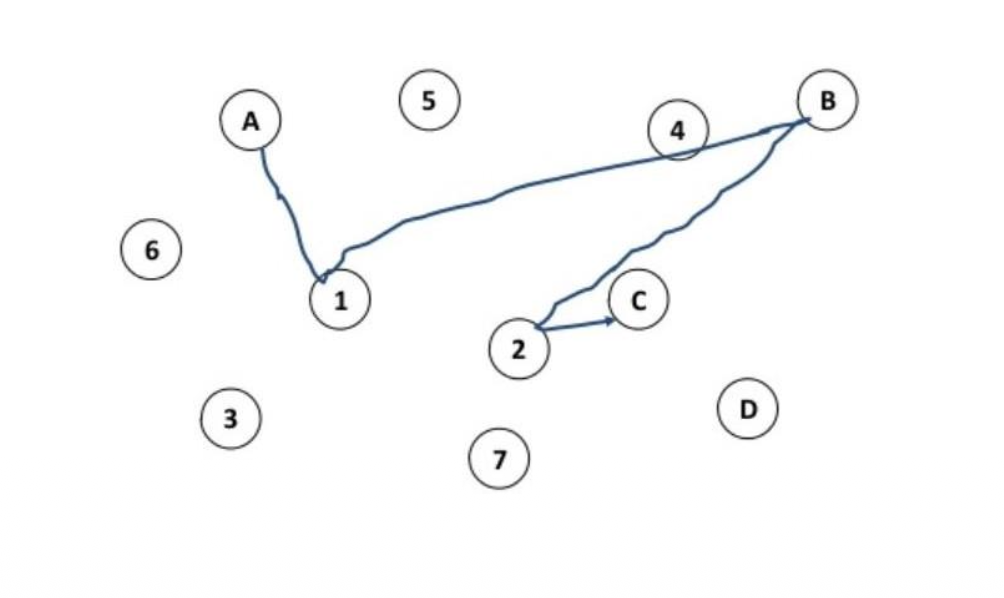
Drawing format
respondents are asked to either draw a figure or complete a figure
usually assess cognitive abilities

Performance task format
respondents are asked to perform a short, simple task
what is considered correct/incorrect & how different outcomes are scored, has to be clearly defined in the technical manual
Likert-type scale
usually between three to seven options are provided
the respondent must check (or circle) just one
the options are always ordered

Continuous response format
respondents are asked to move a slider across a numerical continuum to rate a stimuli or statement

Forced-choice format
respondents are presented with several options (generally from 2 to 4)
they must choose the one that better represents them

response formats are instructed to
choose the one test that applies the most to them
used to avoid response biases & faking
Norm-referenced tests
designed to rank test takers on a distribution of scores
results are compared to those of their normative group
examples of Norm-referenced tests
SAT exams
IQ tests
Criterion-referenced tests
designed to compare the results of the test-taker against a predetermined standard
example of Criterion-referenced tests
Cambridge English certificate tests (B2, C1, C2)
Measurement consists in
operationalizing an object into a measure in order to obtain outcomes (or observation)
Scores of most scales are
interval-type data
the results can be ordered & differences between values are meaningful
psychometric tool has
a clear objective
comes with a defined administration procedure
provides information about its psychometric properties
there are different ways to classify tests according to
their purpose
type of response format
type of performance
scoring