Chapter 9 - The Evolution of Bipedalism
 Call Kai
 Learn
Learn Practice Test
 Spaced Repetition
 Match
Match Flashcards
 Knowt Play
1/8

There's no tags or description
Looks like no tags are added yet.
Name | Mastery | Learn | Test | Matching | Spaced | Call with Kai | Chat |
|---|
No analytics yet
Send a link to your students to track their progress
9 Terms
Mosaic evolution
pattern of evolution in which the rate of evolution in one functional system varies from that in other systems
3 major trends in Hominin (human) evolution
bipedalism
encephalization
dental reduction (our teeth get smaller)
bipedalism was the first step in human evolution, big brains and small teeth evolved later
phases of huamn bipedalism
begins with heel-strike
knee is fully extended
foot is dorsiflexed
force is transmitted through the ground along its lateral borders (plantar flexors)
finish with a final push off of the big toe (toe off)
basically
falling forward with gravity then swinging our other leg to catch ourselves
very energy efficient
chimp bipedalism
(bent-knee, bent-hip gait)
the knee and hip remains bent during stance
foot is less dorsiflexed at heel-strike
awkward "shuffling movement with marked mediolateral swaying of the body from step to step
structural alterations of obligate bipedalis
foramen magnum orientation
narrower ribcage
spinal curvature
shrorter, broader pelvis
lengthened lower limbs and enlarged joints surface areas
an angled femur which is served by reorganized musculature. an extensible knee joint
a platform foot with enlarged big toe that is brought in line with the other toes
toes decrease in relative length and degree of curvature
bigger calcaneal tuber (heel)
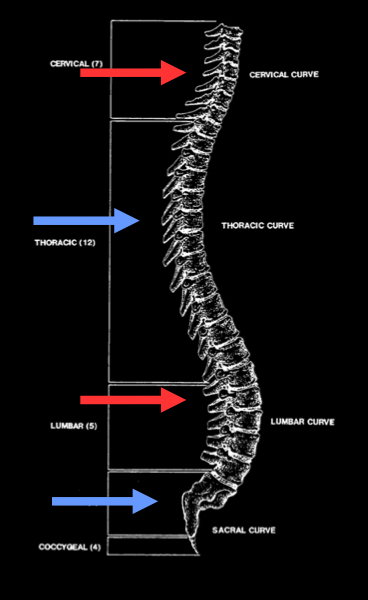
multiple curves of the spine
thoracic and sacral regions are concave anteriorly (thoracic/sacral kyphosis)
cervical and lumbar regions are convex anteriorly (cervical/lumbar lordosis)
humans vs. apes in skeletons and how it relates to their body movement
human spine curvature allows for bones to stack so they can stand upright against gravity, while non-human apes can’t
pelvis goes out to the side, allowing space for muscles that can allow humans to also move side to side
non-human apes cannot really move side to side, only forward and backwards
why are humans’ long legs and shorter arms beneficial
longer legs allows for longer strides
arms are swinging acting as a counterweight to your legs to keep balance (opposite arm for opposite leg)
how are human hind limbs modified to bear weight under the body
medial femoral condyle projects further distally than the lateral one
Valgus condylar angle
top of the tibia is asymmetrical to accomodate this
Distil tibia is flat to transfer weight efficiently