Med Chem Exam 1
 Call Kai
 Learn
 Practice Test
 Spaced Repetition
 Match
 Flashcards
 Knowt Play
1/30

There's no tags or description
Looks like no tags are added yet.
31 Terms

Nifedipine (Procardia XL)
Class: 1st gen DHP CCB
MOA: vasoselective blockade of L-type Ca2+ channels→vasodilation→decrease BP
Uses: HTN & stable angina (alone or combo)
Elimination: Metabolize drug and eliminated from kidneys; little unchanged drug
Warnings/Precautions/AE’s: hypotension, reflex tachycardia, dizziness, flushing, worsening angina, not mutagenic or carcinogenic
DDIs: CYP3A4 inhibitors increase nifedipine concentrations
Other key info: does NOT help with abrupt beta blocker withdrawal & short half life

Amlodipine (Norvasc)
Class: 1st gen DHP CCB
MOA: vasoselective blockade of L-type Ca2+ channels→vasodilation→decrease BP
Uses: HTN & stable angina (alone or combo)
Elimination: Parent drug and metabolite eliminated renally; metabolites also eliminated through the liver
Warnings/Precautions/AE’s: hypotension, LESS reflex tachycardia, dizziness, flushing, worsening angina, not mutagenic or carcinogenic
DDIs: CYP3A4 inhibitors (specifically ketoconozole & ritonivir) increase amlodipine concentrations
Structure/SAR: 2-(aminoethylmethoxy) side chain prolongs action
Other key info: does NOT help with abrupt beta blocker withdrawal

Bisoprolol
Class: 2nd gen, highly β₁-selective (cardioselective) β-blocker
MOA: Blocks β₁ receptors → ↓ HR, contractility, renin release → ↓ BP
Selectivity: HIGH β₁ selectivity (greater than metoprolol)
PK: Moderately lipophilic (less than propranolol); long half-life → once-daily dosing without special formulation
AEs: Fewer CNS effects (fatigue, sleep disturbances) than propranolol
Structure/SAR: Aryloxypropanolamine backbone + para-substituted aromatic ring → β₁ selectivity

Metoprolol Succinate (Toprol XL)
Class: 2nd gen, moderately β₁-selective β-blocker
MOA: Blocks β₁ receptors → ↓ HR, contractility, renin → ↓ BP
Uses: HTN (not first-line uncomplicated HTN), stable angina (↓ attacks, ↑ exercise tolerance), post-MI (↓ mortality)
Formulation/PK: Toprol XL = extended-release succinate; short half-life, once-daily XL dosing; moderate bioavailability
Metabolism: Hepatic CYP2D6 → inactive metabolites eliminated renally; poor metabolizers → ↑ drug exposure
Structure/SAR: Aryloxypropanolamine + para substitution → β₁ selectivity
Warnings: Bronchospasm, masks hypoglycemia/hyperthyroidism tachycardia; abrupt withdrawal → rebound angina
AEs: Fatigue, dizziness, diarrhea, hypersensitivity; fewer CNS effects than propranolol
DDIs: CYP2D6 inhibitors ↑ metoprolol levels; additive cardiac/BP effects with other drugs

Prazosin (Minipress)
Class: Highly selective α₁-receptor antagonist; little/no α₂ or β activity
MOA: Blocks α₁ → vasodilation → ↓ peripheral resistance, venous return and BP
Use: HTN, but NOT first-line
Why not first-line: First-dose orthostatic hypotension/syncope, tachyphylaxis, possible ↑ HF risk
PK: Short half-life → multiple daily doses; mainly hepatic metabolism
Comparison: Similar BP lowering to other α₁ blockers, but shorter acting than terazosin/doxazosin
Structure: Recognize quinazoline, piperazine and furan-containing structure

Clonidine
Class: Centrally acting sympatholytic
MOA: α₂-adrenergic + imidazoline receptor AGONIST → ↓ norepinephrine, neuropeptide Y, ATP release → ↓ sympathetic activity → vasodilation, ↓ HR and BP
Uses: HTN (second-line); opioid, alcohol, tobacco withdrawal; ADHD
Formulations: Oral tablets, ER tablets, transdermal patch
Structure: Imidazoline ring + dichlorophenyl group
AEs: Dry mouth, sedation, bradycardia
Withdrawal: Abrupt discontinuation → REBOUND hypertension
DDIs: Alcohol/barbiturates/sedatives → ↑ CNS depression
Precautions: β-blockers and CCBs → additive cardiovascular effects

Methyldopa
Class: Centrally acting sympatholytic; indirect α₂ agonist
MOA: PRODRUG converted in CNS → α-methylnorepinephrine (active α₂ agonist) → ↓ NE release/sympathetic activity → ↓ vasoconstriction and BP
Uses: HTN, especially during PREGNANCY (established maternal/fetal safety)
Structure: Catechol ring, amino acid structure, α-methyl group
AEs: Sedation, ↓ libido, Parkinsons symptoms; hypotension with overdose
Serious AEs: Positive Coombs test, hemolytic anemia, liver disorders
Contraindications: MAO inhibitors, active liver disease
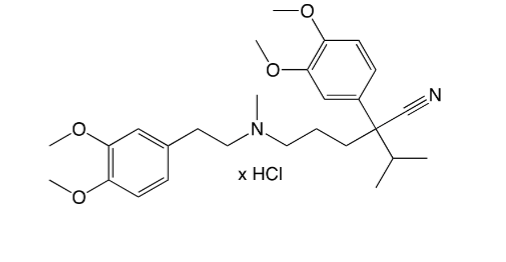
Verapamil (Calan SR)
Class: Phenylalkylamine, non-DHP CCB
MOA: Blocks L-type Ca²⁺ channels → ↓ AV conduction, contractility + vasodilation
Uses: HTN, stable angina, Prinzmetal angina, PSVT
Formulation/PK: Calan SR = sustained-release; LOW bioavailability (extensive first-pass metabolism), short half-life
Metabolism: CYP3A4 → norverapamil (ACTIVE metabolite); metabolites eliminated via kidneys/liver
Structure: Phenylalkylamine; aromatic rings, tertiary amine, nitrile group
Contraindications: Severe LV dysfunction; CHF/LV dysfunction with β-blockers
Warnings/AEs: Can worsen cardiac hypertrophy, HF, PULMONARY EDEMA; impaired conduction, hypotension, acute liver injury
Liver dysfunction: ↓ clearance → monitor for excessive exposure/overdose
DDIs: β-blockers, antihypertensives, antiarrhythmics → additive cardiac effects; CYP3A4 inhibitors ↑ verapamil levels
Other: Verapamil strongly inhibits CYP3A → ↑ levels of CYP3A substrates (e.g., statins)

Diltiazem (Cardizem CD/LA)
Class: Benzothiazepine, non-DHP CCB
MOA: Blocks L-type Ca²⁺ channels → ↓ AV conduction, contractility + vasodilation
Uses: HTN, stable angina, Prinzmetal angina, PSVT
Structure: Benzothiazepine ring (N + S), ester, tertiary amine
Formulation/PK: ER (CD/LA); moderate-low bioavailability due to first-pass metabolism; short half-life
Metabolism: CYP3A4 → des-acetyl diltiazem (ACTIVE metabolite); moderately inhibits CYP3A
Contraindications: CHF, drugs slowing cardiac conduction (β-blockers); AVOID following acute MI with PULMONARY CONGESTION
Warnings/AEs: Bradycardia/AV block, hypotension, liver injury; edema, headache, nausea, dizziness, rash, weakness
DDIs: CYP3A4 inhibitors ↑ diltiazem; diltiazem ↑ CYP3A substrate levels; β-blockers ↑ cardiac suppression
Vs. verapamil: LESS cardiac depression and fewer significant DDIs›

Nitroglycerin (GTN)
Class: Organic nitrate (NO prodrug)
MOA: ALDH2 activation → NO → soluble guanylyl cyclase → ↑ cGMP → vasodilation (veins > arteries) → ↓ preload/O₂ demand; ↑ coronary blood flow
Uses: RAPID relief/pre-exertion prevention of stable angina; long-acting forms for prophylaxis, variant angina
Formulations/PK: Sublingual/spray (rapid), oral, patch, IV; VERY short half-life; metabolized in liver, blood and vessels
Structure: Glycerol with 3 nitrate ester groups (–ONO₂)
AEs: Headache, hypotension, syncope; TOLERANCE with continuous use → daily nitrate-free interval
Contraindications/DDIs: PDE5 inhibitors or sGC stimulators → SEVERE hypotension

Isosorbide Mononitrate (ISMN)
Class: Organic nitrate (NO prodrug)
MOA: P450 activation in smooth ER → NO → ↑ cGMP → venodilation > arterial dilation → ↓ preload/O₂ demand; relieves coronary vasospasm
Uses: LONG-ACTING prophylaxis of stable angina; variant angina with CCBs (NOT acute relief)
PK: Oral/ER; nearly COMPLETE oral bioavailability; LONGER half-life than GTN/ISDN; renal elimination
Structure: Isosorbide ring with ONE nitrate ester (–ONO₂)
AEs: Headache, hypotension, syncope; TOLERANCE → daily nitrate-free interval
Contraindications/DDIs: PDE5 inhibitors or sGC stimulators → SEVERE hypotension

Isosorbide Dinitrate (ISDN)
Class: Organic nitrate (NO prodrug)
MOA: P450 activation in smooth ER → NO → ↑ cGMP → vasodilation (venous > arterial) → ↓ preload/O₂ demand; relieves coronary vasospasm
Uses: Prophylaxis of stable angina; variant angina with CCBs (NOT acute relief)
PK: Oral/ER; LOW oral bioavailability; shorter half-life than ISMN; forms ACTIVE mononitrate metabolites
Structure: Isosorbide ring with TWO nitrate ester groups (–ONO₂)
AEs: Headache, hypotension, syncope; TOLERANCE → daily nitrate-free interval
Contraindications/DDIs: PDE5 inhibitors or sGC stimulators → SEVERE hypotension

Ivabradine
Class: Selective cardiac HCN channel blocker
MOA: Blocks HCN (hyperpolarization-activated cyclic nucleotide-gated) channels → ↓ HR WITHOUT ↓ contractility → ↓ O₂ demand
Uses: SECOND-LINE stable angina (β-blockers inadequate/intolerable); HFrEF → ↓ HF hospitalizations, NOT all-cause mortality
PK: Oral/solution; moderate bioavailability; relatively short half-life, BID dosing; metabolites eliminated by kidney/liver
Structure: Recognize methoxy-substituted aromatic rings and tertiary amine
AEs: PHOSPHENES (visual changes due to retinal HCN blockade)
Contraindications: Conduction disorders, bradycardia, hypotension, pregnancy
DDIs: CYP3A4-based interactions can alter drug exposure

Ranolazine
Class: Miscellaneous antianginal agent
MOA: Not fully understood; inhibits cardiac ion fluxes → maintains Na⁺/Ca²⁺ homeostasis; antianginal effect INDEPENDENT of ↓ HR, BP or coronary blood flow
Uses: SECOND-LINE stable angina; may combine with β-blockers, CCBs and other cardiovascular drugs
Formulation/PK: Oral EXTENDED-RELEASE, BID; relatively high bioavailability; R/S enantiomers have similar ADME; parent/metabolites eliminated via kidney/liver
Structure: Recognize aromatic rings, piperazine ring, ether and amide groups
AEs: Dizziness, headache, nausea, constipation
DDIs: CYP3A4 interactions (can affect ranolazine and coadministered drugs)

Enalapril (Vasotec / Epaned)
Class: ACE inhibitor
MOA: Inhibits ACE → ↓ Ang II/aldosterone → ↓ vasoconstriction, fluid retention and BP
Uses: HTN, heart failure, coronary artery disease
Structure/PK: Ester-containing ACEi prodrug → active enalaprilat
AEs/Warnings (ACEi class): Dry cough, angioedema, hyperkalemia, hypotension, renal impairment
DDIs: NSAIDs ↑ renal risk; potassium-raising drugs ↑ hyperkalemia
Other: ACE inhibitors have established HF benefit

Perindopril
Class: ACE inhibitor
MOA: Inhibits ACE → ↓ Ang II/aldosterone → vasodilation and ↓ BP
Uses: HTN, coronary artery disease, heart failure benefit (ACEi class)
Structure/PK: Ester-containing ACEi prodrug; recognize ACEi peptidomimetic structure
AEs/Warnings: Dry cough, angioedema, hyperkalemia, hypotension, renal impairment
DDIs: NSAIDs ↑ renal risk; potassium-raising drugs ↑ hyperkalemia
Other: ACE inhibitors generally preferred over ARBs when tolerated (per lecture)

Lisinopril (Zestril)
Class: ACE inhibitor
MOA: Inhibits ACE → ↓ Ang II/aldosterone → ↓ BP
Uses: HTN, HFrEF, acute MI
PK: NOT metabolized; excreted UNCHANGED renally → adjust dose in renal impairment
AEs/Warnings: Angioedema, hyperkalemia, hypotension, dry cough; monitor K+ and renal function
Contraindications: History of angioedema; avoid aliskiren/ARB combination
DDIs: NSAIDs → ↑ renal risk/↓ BP effect; ↑ lithium toxicity
Other: Prinzide = lisinopril + hydrochlorothiazide; commonly prescribed ACEi

Losartan (Cozaar)
Class: ARB (AT₁-receptor antagonist)
MOA: Blocks angiotensin II at AT₁ → ↓ vasoconstriction and aldosterone → ↓ BP
Uses: HTN, heart failure; alternative when ACEi not tolerated
Structure: Recognize biphenyl-tetrazole + imidazole features
AEs/Warnings (ARB class): Hyperkalemia, hypotension, renal impairment; fetal toxicity
Key difference: Does NOT inhibit ACE → less cough than ACE inhibitors
Other: ARBs have demonstrated HF benefit; ACEi generally preferred in this lecture when tolerated

Sacubitril + Valsartan (Entresto)
Class: ARNI (neprilysin inhibitor + ARB)
MOA: Sacubitril PRODRUG → sacubitrilat inhibits NEP (Zn²⁺ enzyme) → ↑ natriuretic peptides; valsartan blocks AT₁ → ↓ Ang II effects
Uses: FIRST-LINE HFrEF → ↓ mortality/hospitalizations
Structure/SAR: Sacubitrilat NEP binding is stereospecific; recognize both drug structures
PK: Sacubitril activated by ester hydrolysis; active drug eliminated renally/hepatically
Contraindications: Prior ACEi/ARB-related angioedema; concurrent ACEi or aliskiren
Warnings/AEs: BLACK BOX fetal toxicity, angioedema, hypotension, hyperkalemia, renal dysfunction, cough/dizziness
DDIs: K-sparing diuretics ↑ K+; NSAIDs ↑ renal injury; lithium toxicity

Canagliflozin (Invokana)
Class: SGLT2 inhibitor
MOA: Blocks renal proximal tubule SGLT2 → ↑ urinary glucose excretion; insulin-independent
Uses: T2D, CV risk reduction in T2D with established CVD; HF/CKD benefits in lecture comparison
Selectivity: SGLT2-selective but LESS selective than other 3 gliflozins
Structure/SAR: Glucose-like C-glycoside; recognize thiophene + fluorophenyl groups
PK: Oral, once daily; parent drug/metabolites eliminated renally/hepatically
Warnings: Ketoacidosis, volume depletion, genital/UTI infections, hypoglycemia with other agents; avoid pregnancy/breastfeeding
Contraindications/DDIs: Severe renal impairment/dialysis (per slide); UGT inducers (rifampin), digoxin levels
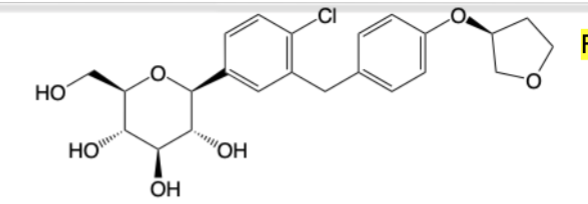
Empagliflozin (Jardiance)
Class: Highly selective SGLT2 inhibitor
MOA: Blocks renal SGLT2 → ↑ urinary glucose excretion (insulin-independent)
Uses: T2D, CV risk reduction, HFrEF → ↓ CV death and HF hospitalizations
Selectivity: HIGH SGLT2 over SGLT1 (> canagliflozin)
Structure: Recognize glucose-like C-glycoside and aromatic/ether-containing scaffold
PK: Oral, once daily; parent/metabolites eliminated through kidneys/liver
Warnings: Ketoacidosis, volume depletion, genital/UTI infections, hypoglycemia with other agents; avoid pregnancy/breastfeeding
Contraindications/DDIs: Dialysis (per slide); no major common cardiovascular/antidiabetic DDIs

Dapagliflozin (Farxiga)
Class: Highly selective SGLT2 inhibitor
MOA: Blocks renal SGLT2 → ↑ urinary glucose excretion; insulin-independent
Uses: T2D, HF and kidney disease → ↓ HF hospitalization/CV death
Selectivity: HIGH SGLT2 over SGLT1 (> canagliflozin)
Structure: Recognize glucose-like C-glycoside, chlorophenyl and ethoxy substituents
PK: Oral, once daily; relatively good bioavailability; metabolites excreted renally
Warnings: Ketoacidosis, volume depletion, genital/UTI infections, hypoglycemia with other agents; avoid pregnancy/breastfeeding
DDIs: No major interactions with common CV/antidiabetic drugs (per slide)

Ertugliflozin (Steglatro)
Class: Highly selective SGLT2 inhibitor
MOA: Blocks renal SGLT2 → ↑ urinary glucose excretion; insulin-independent
Uses: T2D (lecture's indication table does NOT list HF/CKD)
Selectivity: HIGH SGLT2 over SGLT1
Structure: Recognize glucose-like C-glycoside with cyclic acetal/ether features
PK: HIGHEST oral bioavailability + LONGEST half-life among the 4; metabolites eliminated renally/hepatically
Warnings: Ketoacidosis, volume depletion, genital/UTI infections, hypoglycemia with other agents; avoid pregnancy/breastfeeding
Contraindications/DDIs: Dialysis (per slide); no major common CV/antidiabetic DDIs
Review of the SGLT2 drugs
canagliflozin = least selective;
ertugliflozin = longest half-life/highest bioavailability;
empagliflozin and dapagliflozin = highlighted heart failure benefits.

Finerenone (Kerendia)
Class: NON-STEROIDAL mineralocorticoid receptor antagonist (MRA)
MOA: Blocks aldosterone at MR → ↓ Na+/water retention and harmful cardiac/renal effects
Uses: CKD associated with T2D → ↓ complications, including HF hospitalization
Structure/SAR: Nonsteroidal structure; HIGH MR selectivity vs glucocorticoid/androgen/progesterone receptors
PK: Oral, relatively short half-life; metabolites eliminated by kidneys/liver
Warnings/AEs: HYPERKALEMIA (higher risk with renal impairment or elevated baseline K+)
Contraindications/DDIs: STRONG CYP3A4 inhibitors

Furosemide (Lasix)
Class: Loop diuretic
MOA: Inhibits NKCC2 (Na+/K+/2Cl−) in thick ascending loop of Henle → ↑ diuresis → ↓ preload/congestion
Uses: Edema from CHF, cirrhosis, renal disease/nephrotic syndrome
PK: VARIABLE oral bioavailability; SHORT half-life; renal elimination of parent drug
Warnings/AEs: Fluid/electrolyte depletion, OTOTOXICITY, hyperuricemia, glucose/lipid disturbances
DDIs: Aminoglycosides, platinum chemotherapy → ↑ ototoxicity; diuretic-altering and renally cleared drugs
Other: Improves HF symptoms; not established to reduce mortality

Hydralazine + (ISDN) Isosorbide dinitrate (BiDil)
Class: Fixed-dose arterial + venous vasodilator combination
MOA: Hydralazine → arterial dilation → ↓ AFTERLOAD; ISDN → NO/cGMP-mediated venodilation → ↓ PRELOAD
Uses: HFrEF in self-identified Black patients → ↓ mortality/hospitalizations (per lecture)
Formulation: Oral combination, multiple daily doses; often used with β-blocker
AEs/Warnings: Hypotension; hydralazine → drug-induced LUPUS-LIKE syndrome, peripheral neuropathy, possible worsening ischemic heart disease
Contraindications/DDIs: PDE5 inhibitors and sGC stimulators → SEVERE hypotension (ISDN component)
Structure: Recognize hydralazine's phthalazine-hydrazine group and ISDN's 2 nitrate esters

Digoxin
Class: Cardiac glycoside; positive inotrope
MOA: Inhibits cardiac Na+/K+ ATPase → ↑ intracellular Ca²⁺ → ↑ contractility; ↓ HR and AV conduction
Uses: Mild–moderate HFrEF (second-line); mainly improves symptoms, not established mortality benefit
Structure/SAR: SUGAR + STEROID nucleus + LACTONE; aglycone (steroid+lactone) drives potency, sugar influences duration
PK: Oral/IV; long half-life; excreted UNCHANGED renally
Warnings: VERY NARROW therapeutic index; toxicity → potentially fatal arrhythmias; caution renal impairment/electrolyte disorders
Contraindications (per slide): Sinus node disease, pre-existing arrhythmias, HFpEF
AEs: Nausea/vomiting, anorexia, GI upset, confusion/hallucinations, VISUAL disturbances
DDIs: K+-depleting loop/thiazide diuretics ↑ toxicity risk; verapamil and drugs affecting renal function

Treprostinil
Class: Prostacyclin analog; selective IP receptor agonist
MOA: Activates IP → ↑ cAMP → ↓ intracellular Ca²⁺ → pulmonary vasodilation and ↓ platelet aggregation
Uses: Group I PAH (Classes II–IV)
Formulations: IV/SC infusion, inhaled (combination therapy), oral ER
Structure/PK: Modified prostacyclin analog; MORE chemically stable and longer acting than epoprostenol; hepatic elimination as INACTIVE metabolites
AEs: Headache, flushing, hypotension, nausea/vomiting, muscle and limb pain
DDIs: Avoid CYP2C8 inhibitors/inducers (per lecture)
Bosentan
Class: Endothelin receptor antagonist (ERA)
MOA: DUAL ETA/ETB antagonist (ETA-preferring) → ↓ pulmonary vasoconstriction and remodeling
Uses: Group I PAH (Classes II–III)
Structure: Recognize sulfonamide-containing structure
PK: Oral BID; SHORTER half-life than macitentan/ambrisentan; hepatic metabolite elimination
Metabolism: CYP3A4/CYP2C9; INDUCES own metabolism → ↓ exposure over time; active HYDROXY BOSENTAN
Warnings: BLACK BOX hepatotoxicity and fetal toxicity; monitor liver enzymes
AEs: Fluid retention, pulmonary edema, flushing, ↓ sperm count, palpitations, constipation
DDIs: CYP3A/CYP2C9 inhibitors ↑ bosentan levels; REDUCES hormonal contraceptive reliability