Migration
 Call Kai
 Learn
Learn Practice Test
 Spaced Repetition
 Match
Match Flashcards
 Knowt Play
1/29

There's no tags or description
Looks like no tags are added yet.
Name | Mastery | Learn | Test | Matching | Spaced | Call with Kai | Chat |
|---|
No analytics yet
Send a link to your students to track their progress
30 Terms
Why do we track animals using satellite tags
Common amount vertebrates, multiple reasons, physiological challenges, benefits outweigh costs
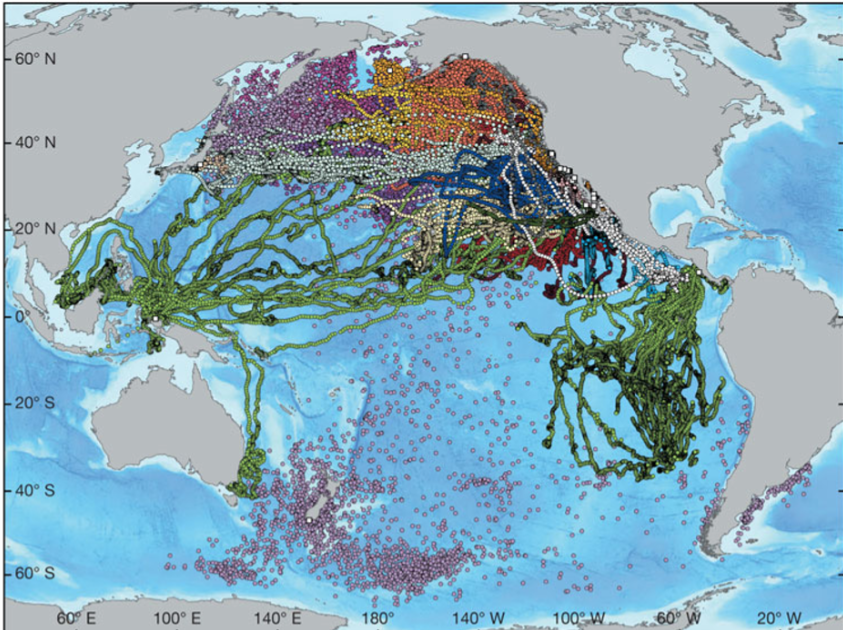
Why migrate
Food availability, water availability, change in weather, overcrowded habitat, increase survival, physiological maintenance.
Time to migrate
Lunar cycle, photoperiod, temperature change, hormone cycling, Decrease in food and water availability

Explain this figure
Associated with cost of locomotion, direct comparison with locomotion costs
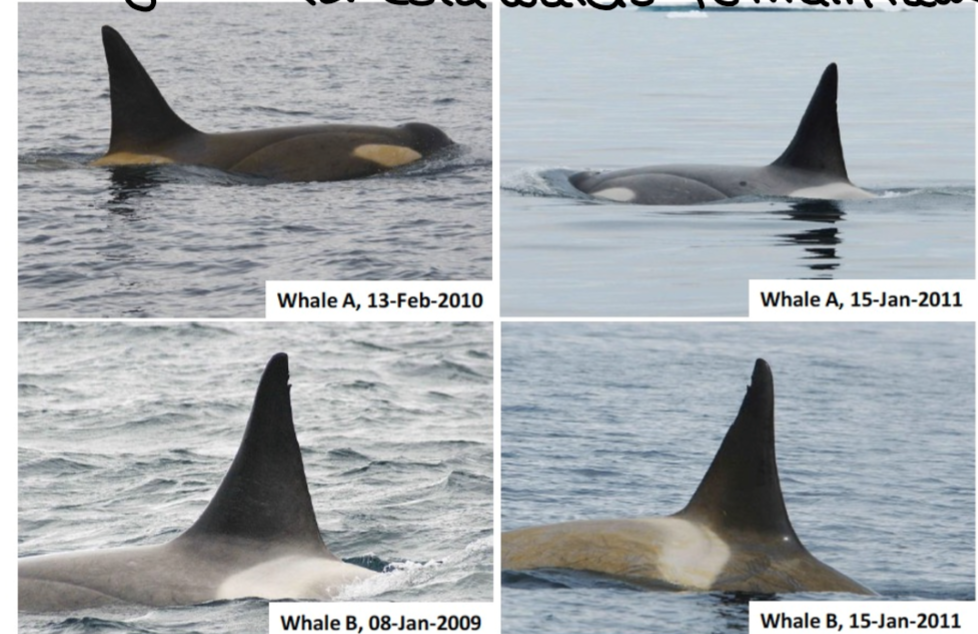
Explain the periodic maintenance of killer whale migration
Resident killer whales in antarctica to brazil where the whales change color over the years. The warm water uses energy to change their skin which wont have much effect on their metabolic budget
How to prepare for migration
Increase energy stores (fat lvl increases), Build muscle mass (to maintain constant speed), change in preference for metabolic fuels (diets to support flight), change in morphology & size of gut and critical organs to reduce overall weight & get ride of things you dont need to fly.
Phenotypic flexibility of the bird gut during migration
Changes in digestive system when preparing for flight

Pre-migratory expansion
Hyperphagia phase: Bird eats massive amounts of food to build fat and protein stores
organ growth: Liver, pancreas and intestines increase in size
cellular changes: Hypertrophy and hyperplasia of intestinal epithelial cells to maximize nutrient uptake
In-flight atrophy
During migration
Energy saving: Gut atrophies (expensive to maintain) to reduce metabolic costs
Weight reduction: decrease in gut mass reduces weight of animal (cot)
-Structural shrinkage: Villi length, intestinal diameter and luman width decrease
-Muscular adjustments: Atrophy of submucosa and circular muscle layers= reduced function
Stopover rebuilding (refueling)
Rapid recovery: At stopover sites, gut quickly regrows and digestive enzymes are produced
Microbiome shifts: Gut bacteria remodel rapidly depending on local food sources encountered.
How do changes in organ masses of red knots during refueling relate to the purpose of migration
LDM: Lean dry mass

Explain this image
Muscle hypertrophy of red knots independent of photoperiod and aligns with departure date
How does brain size relate to migration
Brain is expensive to maintain, brain size of migratory birds is smaller than resident birds to reduce energetic costs and developmental costs
Explain the gut microbiome of migrating birds
Community of microorgansims like bacteria, fungi and viruses along with genetic material that live in specific spaces
What is the purpose of gut microbiome in migrating birds
Breakdown complex carbohydrates that gut enzymes cannot digest and produces short chain fatty acids, essential vitamins and protects intestinal lining from bacteria

Explain this image
The remodeling of gut microbiome and long distance flying. Demonstrates 4 groups of bacteria. The DNA/RNA sequence in gut as birds migrate. Gut bacteria absorb nutrients, breakdown carbs, fibres and fattya acids. As more traveling occurs, theres an increase in gut bacteria
What happens when antibiotics are given to migratory birds
The bacteria would die causing no nutrient absorption therefore leading to weight loss in birds
Impact of changes to microbiome during migration
Compositional shifts and flight mode
Functional adaptation to energetic demands
transient nature of stopovers
Vulnerabilityes: pathogens and dysbiosis
Explain compositional shifts
Active flight causes shifts in microbial ecosystem reflecting the high-stress conditions
Resilient strains
Explain function adaptation to energetic demands
Changes in microbial composition correlate w migratory conditioning and fat accumulation
Enhance lipid and nutrient abs, immune modulation(long distance travel is immunilogically challenging the shift establishes a defensive barrier against foreign pathogen)
Explain the transient nature of stopovers
Cinsumption of local organisms result in immediate exposure to new microorganisms
env microbes redefine the birds internal profile
Explain vulnerabilities when flying
Combination of extreme physiological stressm starvation during flight, changing diets
Dysbiosis (micrbial imbalance): leading to opportunity for pathogenic bacteria
Refueling during migration
MR of birds during migration is 10 to 15x that of resting, comes from extra-musc adipose reserves, migrant birds can mobilize transport and oxidize lipids more than 10x the max rate in mammals
Explain the stops during migration
Migrants accumular large lipid reserves by eating seasonally abundant amphipods buried in mudflats
EOA AND DPA important energy sources and enhance performance, increase endurance exercise capacity
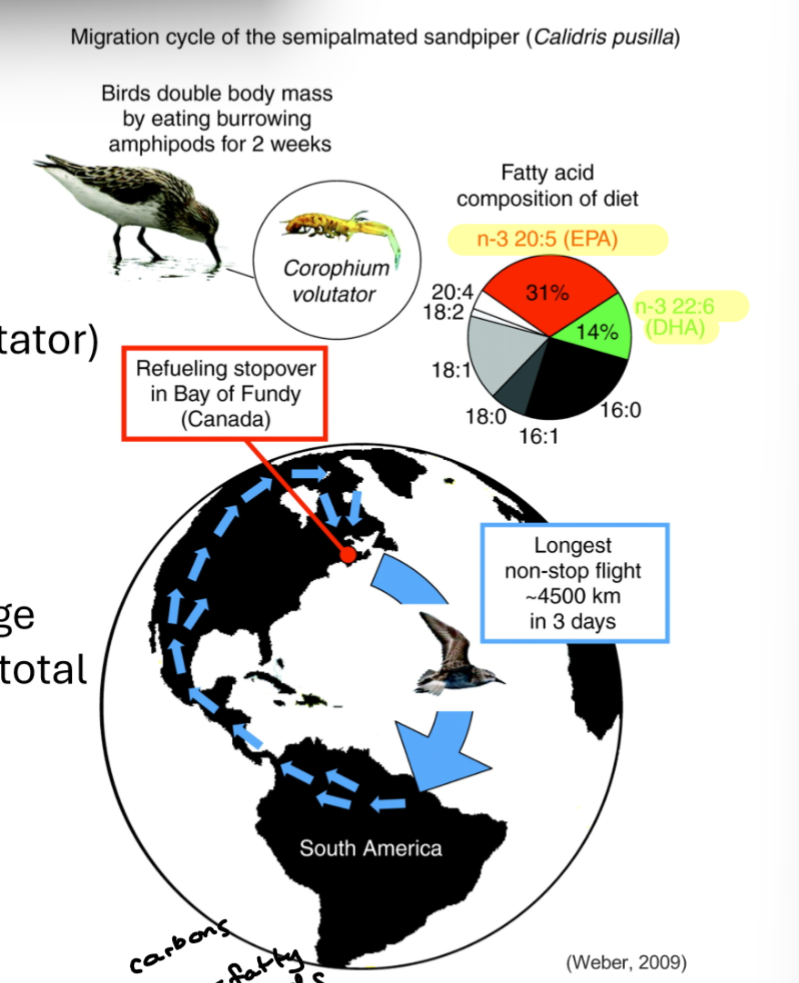
How to enhance performance
Incorporation of dietary n-3 PUFA in membrane phospholipids
Change in membrane fluidity, alters local molecular env of key membrane proteins - CPT, NA/K+ATPase and Ca/Mg ATPase which increases function/rate of rxn and muscle function
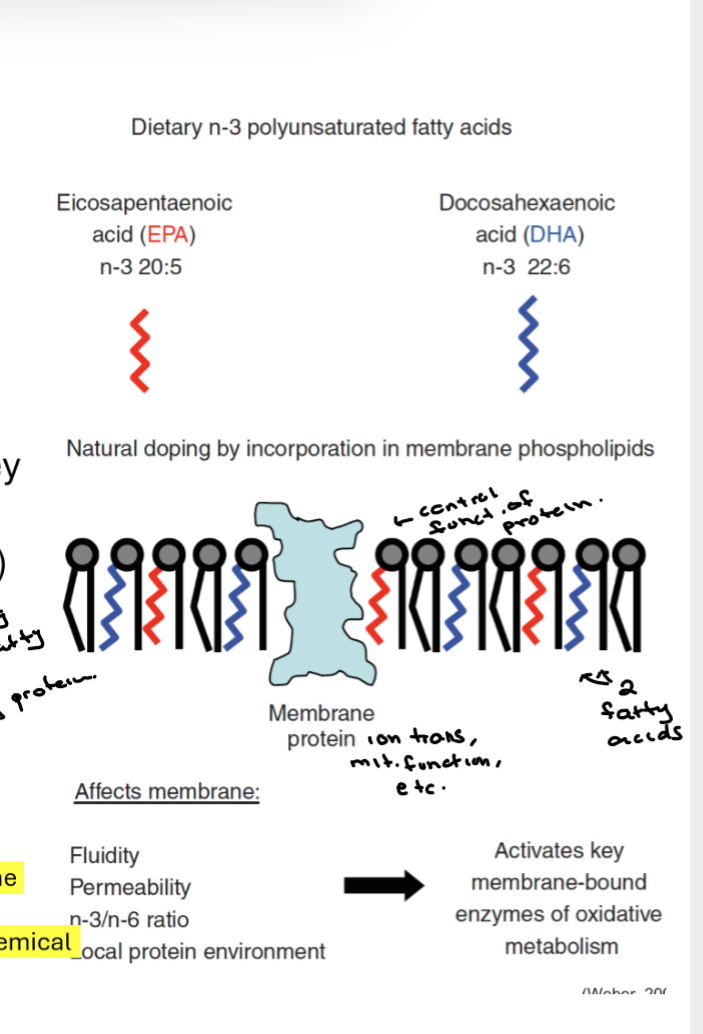
Function of CPT
enzyme involved in oxidation of long chain fats to generate ATP via mitochondria
Na/K ATPase and Ca/Mg ATPase function
Ion pumps that maintain electrical chemical gradients in cells. critical to muscle function
Explain the natural doping by binding of n3 fatty acids to PPARa and b
N3 FA activate specific nuclear receptors which lead to increase in expression of proteins involved in oxidation and transport of fatty acids.
Increases in metabolic function and efficiency

What does binding to PPAR cause
Mitochondiral and perxisomal proliferation
Stimulation of gene expression for key proteins of lipid metabolism
Breakdwon FA, increases amount of protein needed to make ATP

Define PPAR
Peroxisome proliferator activated receptors