Savvas Environmental Science Chapter 8 Human Populations
 Call Kai
 Learn
 Practice Test
 Spaced Repetition
 Match
 Flashcards
1/36

There's no tags or description
Looks like no tags are added yet.
37 Terms
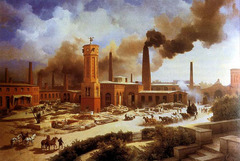
Industrial Revolution
the event in the mid-1700s shifted from rural to urban lifestyles increasing population growth
high life expectancy and low infant mortality rate
the combination of factors that will produce the highest rate of population growth
population's total fertility rate
the average number of children a female member of a population has during her lifetime
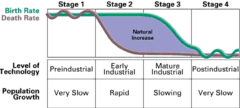
steps in the demographic transition model
1. pre-industrial
2. transitional
3. industrial
4. post-industrial

transitional stage
1.death rates begin to fall
2.highest level of population growth

1800
the year the world's population reached 1 billion
life expectancy
the average number of years an individual is predicted to live

carrying capacity
the number of organisms an environment can support

population density
the amount of people living in a given area

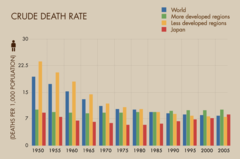
death rate
a factor that the replacement rate depends on the most
high population growth rate
an age structure diagram with a pyramid shape
low population growth rate
an age structure diagram with a barrel shape
sex ratio
the number of males compared to females in a population
demographic transition model
a model used to explain why some industrialized nations have experienced a large change in birth rate and death rate

pre-industrial
1.the stage of the demographic transition that is characterized by conditions that have defined most of human history
2.high death rate and high birthrate
population density formula
the number of individuals living in an area divided by the square kilometers of the area

immigration
the movement of individuals into a region
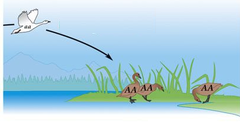
decreasing population
death rate exceeds the birth rate

decreased birthrate
a reason there is a slowed growth rate when emigration and immigration numbers remain equal

decreased birth rate and emmigration
two way a population can decrease in size
reaches its carrying capacity
when resources in a population become less available the population has reached this

limiting factor
a factor that controls the growth or size of a population
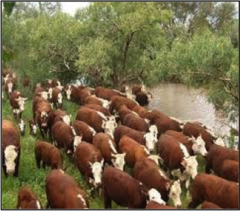
the death rate may rise
if a population grows larger than the carrying capacity of the environment
demography
the scientific study of human population

demographic transition
the change from high birthrates and death rates to low birthrates and death rates

9 billion
the estimated population by the year 2050

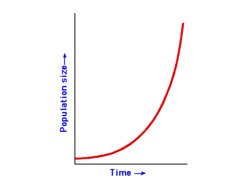
growing exponentially
most of the world population is doing this because most of the world's countries have not completed the demographic transiton

infant mortality
the number of deaths of children under 1 year of age per 1,000 live births

growth rate
Rate of increase or decrease of a population
total fertility
the average number of children that a woman bears in her lifetime

replacement fertility
The total fertility rate at which women would have only enough children to replace themselves and their partner.

wealth gap
the difference in assets and income between individuals in a society or between nations

food, sanitation and medical technology
The changes from the industrial revolution that led to population growth
age structure diagram
graph of the numbers of males and females within different age groups of a population

Affluent nations
have higher carbon footprints, make more waste

Current world population
approximately 8 billion
increasing population
birth rate surpassing death rate, a high number of individuals in younger age cohorts