Exam 3 - Encounters with the Arts of Global Africa
 Call Kai
 Learn
 Practice Test
 Spaced Repetition
 Match
 Flashcards
 Knowt Play
1/9

There's no tags or description
Looks like no tags are added yet.
10 Terms

King Njoya, Bamum, 1912
Founded in early 18th century
Most celebrated ruler, he supported the arts & established a “museum” in the royal court
Became ruler after his father died in war
Didn’t dress in “traditional” royal wear, would mimic his political allies
Would practice Islam
Good relationship with European missionaries

Artist Unknown, Throne of King Nsa-ngu, Bamum, late 19th century
Made out of glass beads & cowrie shells
Back of the throne are twin court officials
Female twin is carrying a bowl made of calabash, it’s symbolic of female fertility
Male twin has hand on chin (mark of respect), other hand holds a drinking horn (symbolic of male fertility)
Double headed serpent is symbolic of important ancestor
Footrest has 2 soldiers (protects the King)
Under footrest are court officers
Sense of creativity with the colors used
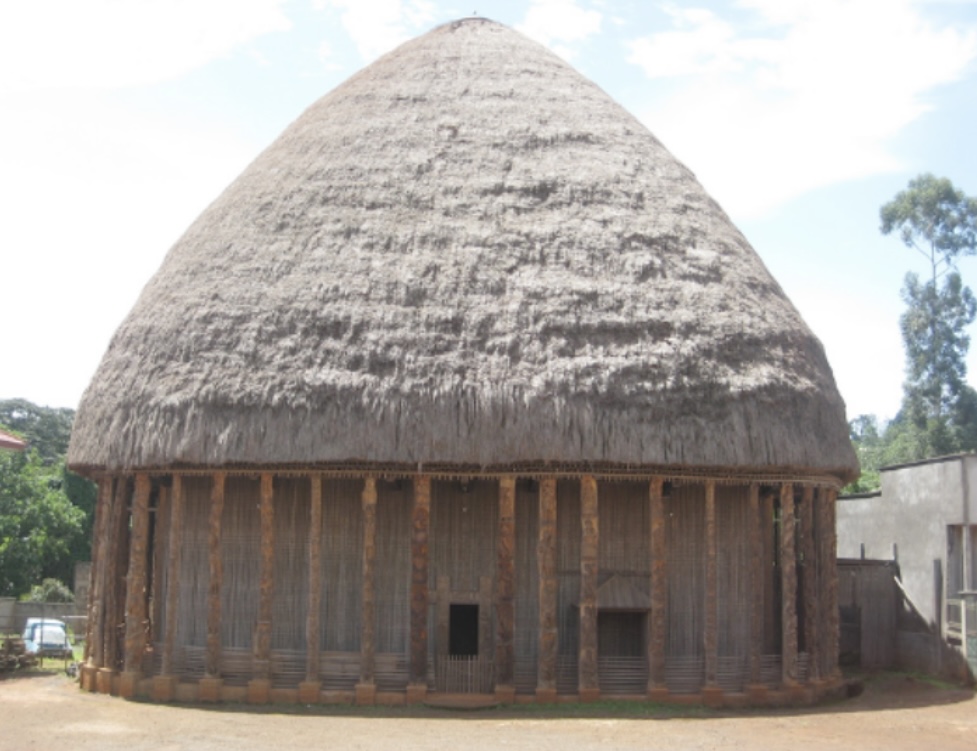
The palace at Bandjoun, Bamileke, 18th - 19th century
Nchare
First king of the Bamum kingdom
Foumban
Capital of the Bamum kingdom
Njoya
16th king of the Bamum kingdom
N’so
A major rival kingdom of the Bamum kingdom