BIO103 - Unit 3 - Mitosis/Meiosis
 Call Kai
 Learn
 Practice Test
 Spaced Repetition
 Match
 Flashcards
 Knowt Play
1/101

There's no tags or description
Looks like no tags are added yet.
102 Terms
the study of biochemical mechanisms of inheritence
Molecular biology
many of our genotypes do not become ______
phenotypes
Percentage of DNA base composition is shared between ___ ___ but not ___ ___
same species, different species
DNA is ____ stranded while RNA is ____ stranded
double, single
what the “ribbons” and “rungs” are made of in dna
sugar-phosphate backbone and nitrogenous bases
what makes RNA and DNA structurally different
DNA lacks an extra oxygen (deoxyribose)
RNA has an extra oxygen (ribose)
5’ and 3’ refer to the
carbon numbers in DNA’s sugar backbone

directional relation of leading and lagging DNA strands
antiparallel
DNA forms a ____ ____ when copying
replication bubble
protein that keeps DNA from refolding
single-stranded binding (SSB)
tells DNA Polymerase where to begin
Primer
enzyme that adds the appropriate nucleotides to the chain
DNA polymerase

unzips DNA by breaking the hydrogen bonds between base pairs
helicase

enzyme that relieves tension during DNA splitting
topoisomerase
enzyme that joins okazaki fragments together
ligase
short segments that occur in the lagging strand during DNA replication
okazaki fragments
places short sequences of RNA on the DNA strands
primase
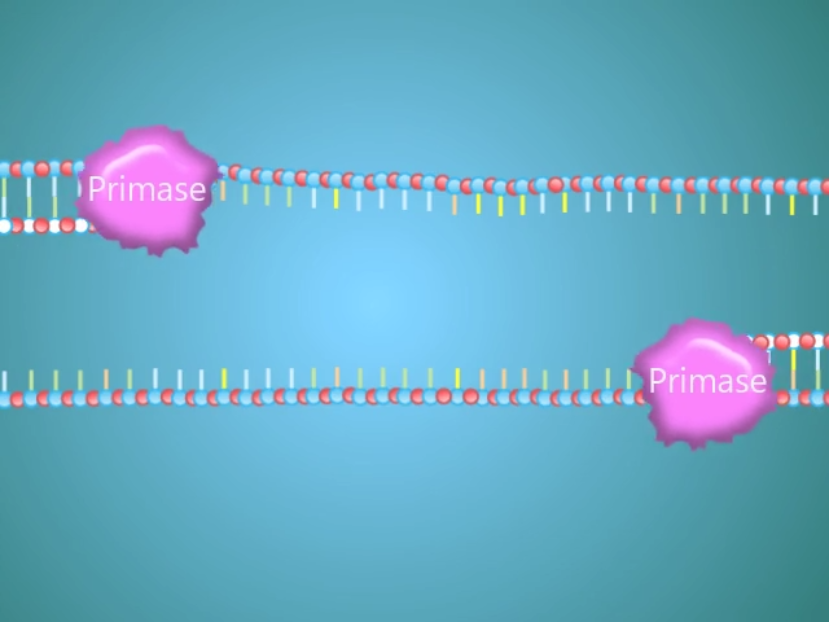
How does DNA polymerase differ from RNA polymerase?
Only DNA polymerase has a proofreading ability
To begin transcription, RNA polymerase must bind to a segment of DNA called the_________.
promoter
The site where the two original DNA strands separate and active replication occurs is called the ___
replication fork
specific, short, repeated sequences of DNA that protects the ends of linear chromosomes from nucleases
telomeres
Messenger RNA molecules contain information that is used to synthesize_________.
polypeptides
Ribosome movement along the mRNA is called ___
translocation
Because the two strands of a DNA molecule are_________ to each other, either one can be used as a template to reconstruct the other.
complementary
During_________, a ribosome assembles a polypeptide whose amino acid sequence is specified by the nucleotide sequence in a molecule of mRNA.
translation
stage of mitosis in which the cytoplasm is split and two cells are produced
cytokinesis
what chromosomes are made of
protein and DNA
The stage of mitosis in which DNA replication occurs
interphase
a replicated chromosome
sister chromatid

joins sister chromatids together to make them one unit
centromere
stage of mitosis in which the nucleus is still intact, but the chromosomes are condensing
prophase

What stage of mitosis is this cell in?
Prophase
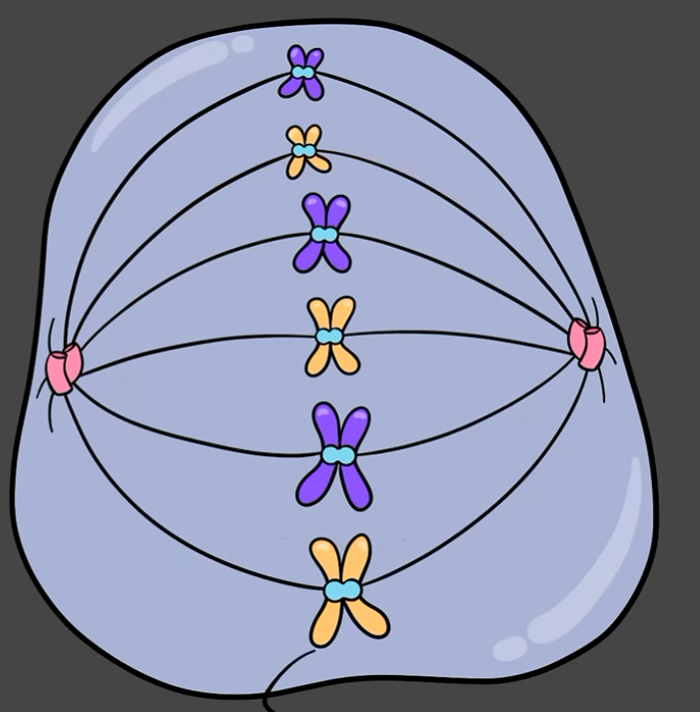
What stage of mitosis is this cell in?
Metaphase
stage of mitosis in which the chromosomes line up in the center of the cell
metaphase
stage of mitosis in which spindle fibers pull the chromotids to opposite sides of the cell
Anaphase

What stage of mitosis is this cell in?
Anaphase
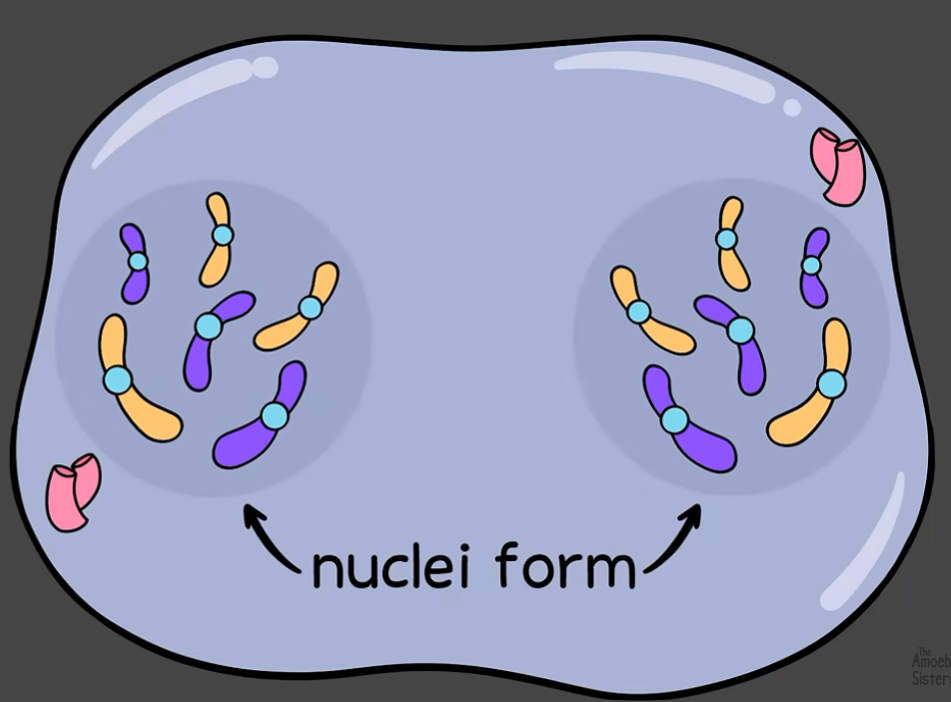
What stage of mitosis is this cell in?
Telophase
stage of mitosis in which a cleavage forms and there are two nuclei in the cell
Telophase
how prokaryotes reproduce
binary fission

the strand of DNA that is copied by RNA
template strand
first stage of transcription
initiation
second stage of transcription
elongation
third stage of transcription
termination
where does transcription occur in a cell
nucleus
stage of transcription in which RNA polymerase binds to a promoter
initiation
stage of transcription in which amino acids are added to a polypeptide chain
elongation
stage of transcription in which a cap is added to the 5’ end and a poly-a tail is added to the 3’ end
termination
a protein-RNA complex that removes introns from eukaryotes
splicosomes
types of RNA
Messenger RNA
Transfer RNA
Ribosomal RNA

the stage of protein synthesis in which nucleotide sequences are converted into amino acid sequences
translation
the two stages of protein synthesis
translation and transcription
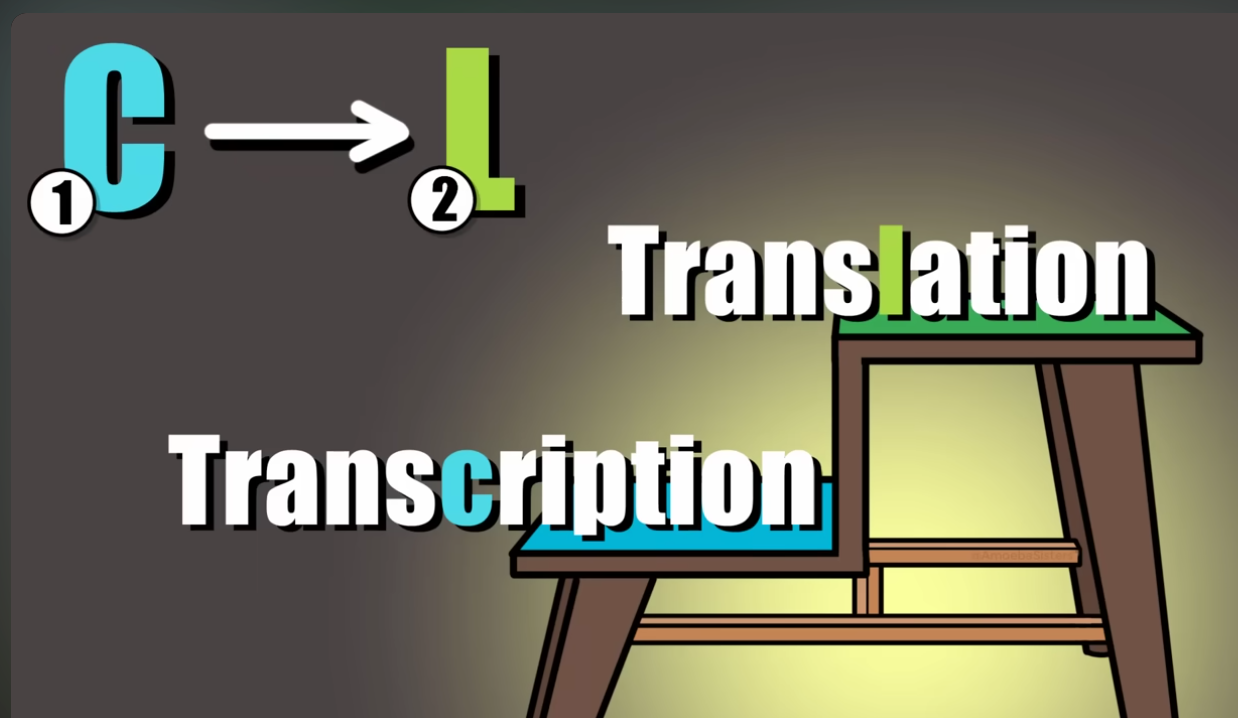
genes code for ____
protein
a unit of DNA wrapped around core of histone proteins
nucleosome
thickened DNA
chromatin
a cell with two sets of chromosomes
diploid
a cell with only one set of chromosomes
haploid
3 stages of interphase
G1
S
G2
Cell division checkpoints
G1
G2
M
The main cell division checkpoint
G1
The cell division checkpoint that comes before mitosis
G2
The cell division checkpoint that comes before spindle assembly
M
Signalling proteins that trigger growth for plasma membrane to receive
growth factors
tumor suppressor on chromosome 17
p53 gene
programmed cell death
apoptosis
enzyme that disassembles a cell for apoptosis
caspases
what forms during cytokinesis in animal cells
cleavage furrow
what forms during cytokinesis in plant cells
cell plate
types of cloning
reproductive
therapeutic
protein that holds chromatids together at centromere
cohesin
attachment site for microtubules*
Kinetochore
stage of interphase in which cells undergo majority of growth
G1
stage of interphase in which DNA is replicated
S
stage of interphase in which motor proteins coil chromosomes, tubulin synthesize, and centrioles replicate
G2
industry sector that uses living organisms to produce products/processes
biotechnology
an organism whose genome has been modified
genetically modified organism
a GMO that has had genes from another species inserted into its genome
transgenic organism
molecular scissors used to “cut out” the desired gene sequences
restriction enzymes

staggered cuts caused by restriction enzymes
sticky ends
stage of protein synthesis where DNA is copied into RNA
transcription
the leading strand is synthesized __ to __, and the lagging strand is synthesized __ to __
5’ to 3’; 3’ to 5’
how many times does interphase occur before meiosis?
once
chromosomes that are similar in shape, size, and gene type
homologous pairs
during what stage of meiosis does genetic recombination (crossing over) occur
prophase 1
site of genetic crossing over
chiasmata

chromosomes that have crossed over
recombinant chromosomes
how is prophase 1 in meiosis different from prophase in mitosis
In prophase 1, the homologous pairs match up and crossing over occurs

how is anaphase 1 in meiosis different from anaphase in mitosis?
the chromosome pairs are getting pulled instead of the chromatids

how is prophase 2 different from prophase 1?
crossing over does not occur and homologous pairs do not match up (much like prophase in mitosis)

when chromosomes do not properly separate
nondisjunction
3 ways meiosis increases genetic diversity
crossing over
independent assortment
random fertilization
disorder that comes from an extra copy of chromosome 21
down syndrome
disorder caused by multiple x chromosomes
klinefelters syndrome
disorder causes by and extra x chromosome, and no y chromosome
trisomy x
disorder caused by having no x chromosomes
turner syndrome
The specific physical position of a particular gene on a chromosome.
Genetic Locus
The mixing of genes between homologous chromosomes during Prophase I
Crossing Over or genetic recombination
randomly shuffles maternal and paternal chromosomes
Independent Assortment
Gametes carrying an abnormal number of chromosomes, such as having an extra chromosome (n+1) or missing a chromosome (n−1), resulting from nondisjunction.
anueploid gametes
The male gamete-producing process
Spermatogenesis
The female gamete-producing process occurring within the ovaries
Oogenesis