MAMMALS LAB 4: INSECT EATERS
 Call Kai
 Learn
Learn Practice Test
 Spaced Repetition
 Match
Match Flashcards
 Knowt Play
1/14

There's no tags or description
Looks like no tags are added yet.
Name | Mastery | Learn | Test | Matching | Spaced | Call with Kai | Chat |
|---|
No analytics yet
Send a link to your students to track their progress
15 Terms

Order Eulipotyphla Family Soricidae - shrews (Sorex Palustris - American water shrew)
Habitat: moist areas (2 genera occur in arid regions) - live in forest litter or in burrows constructed by rodents
Diet: insectivorous and carnivorous, some eat plant material - salivary glands of some species secrete a poison to immobilize small prey
Activity Pattern: some nocturnal, others active both day and night
Lifestyle: most terrestrial, some take to water - poor vision, acute hearing and sense of smell
Behavior: solitary, “high strung”
Range: all major landmasses except polar regions, Australia, and southern South America

Order Eulipotyphla Family Soricidae Sorex Palustris - American water shrew
“of the marsh”
long tail
hairs on feet that act like flippers
thicker snout
red pigment on teeth

Order Eulipotyphla Family Soricidae - shrews (Sorex cinereus - masked shrew)
Habitat: moist areas (2 genera occur in arid regions) - live in forest litter or in burrows constructed by rodents
Diet: insectivorous and carnivorous, some eat plant material - salivary glands of some species secrete a poison to immobilize small prey
Activity Pattern: some nocturnal, others active both day and night
Lifestyle: most terrestrial, some take to water - poor vision, acute hearing and sense of smell
Behavior: solitary, “high strung”
Range: all major landmasses except polar regions, Australia, and southern South America
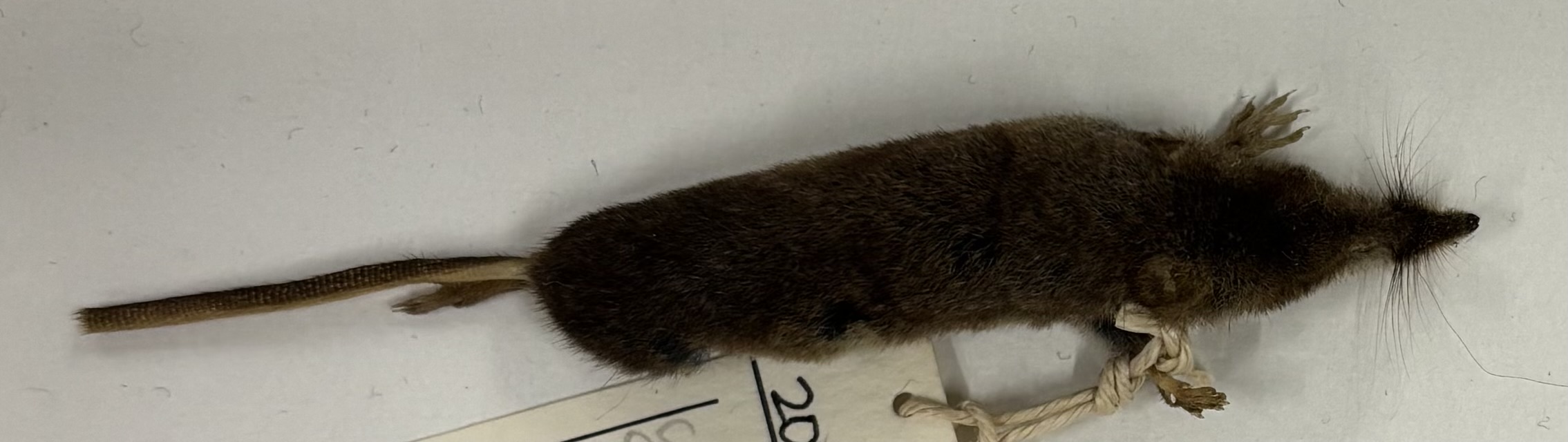
Order Eulipotyphla Family Soricidae Sorex cinereus - masked shrew
fur different color at tip vs. root
long tail - flat, snake-skin like
long, pointy snout
thick, pronounced whiskers
skinner
light brown pigment on teeth

Order Eulipotyphla Family Soricidae - shrews (Blarina brevicauda - northern short-tailed shrew)
Habitat: moist areas (2 genera occur in arid regions) - live in forest litter or in burrows constructed by rodents
Diet: insectivorous and carnivorous, some eat plant material - salivary glands of some species secrete a poison to immobilize small prey
Activity Pattern: some nocturnal, others active both day and night
Lifestyle: most terrestrial, some take to water - poor vision, acute hearing and sense of smell
Behavior: solitary, “high strung”
Range: all major landmasses except polar regions, Australia, and southern South America

Order Eulipotyphla Family Soricida Blarina brevicauda - northern short-tailed shrew
short tail - <1/2 length of body
thicker body
dark red/brown pigment on teeth

Order Macroscelidea Family Macroscelididae - elephant shrews and sengis
Habitat: grassy or thorny brush, forest undergrowth
Diet: insectivorous
Activity Pattern: nocturnal
Lifestyle: terrestrial - ricochet when moving fast, travel on all four feet when moving slow - live in termite mounds or burrow beneath buttressed roots
Behavior: solitary - make loud noises by beating their tail on the ground
Range: Northern Africa and south of Sahara
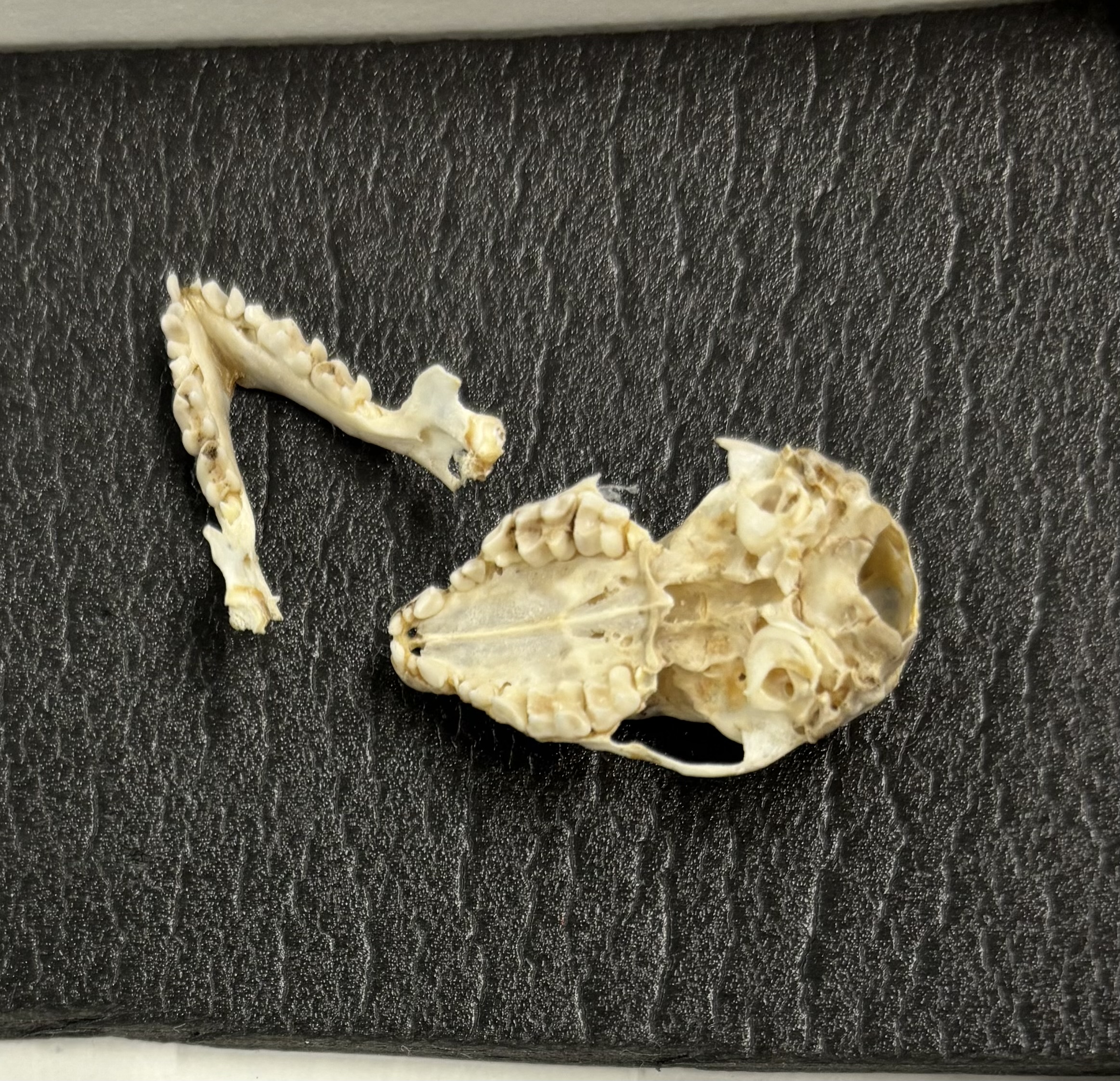
Order Eulipotyphla Family Erinaceidae - hedgehogs and gymnures
Habitat: forest (gymnures prefer humid forests), grassland, scrub, or cultivated areas
Diet: invertebrates, reptiles, carrion, roots, fruit
Activity Pattern: nocturnal - European hedgehogs hibernate; desert hedgehogs estivate
Lifestyle: terrestrial, good climbers and swimmers - live in burrows under logs, hedges, and brush piles
Behavior: solitary - roll into ball when threatened
Range: Africa, Europe, and Asia

Order Scandentia Family Tupaiidae - tree shrews
Habitat: deciduous forest
Diet: insects and fruits
Activity Pattern: diurnal
Lifestyle: varying levels of arboreality - excellent hearing and vision, swift runners, good climbers
Behavior: some solitary, others like in pairs or small groups
Range: Central and Southeast Asia

Order Eulipotyphla Family Solenodontidae - solenodons
Habitat: forests and brushy areas
Diet: invertebrates, reptiles, fruit, vegetables, occasional poultry tidbit - venomous, toxic saliva from submaxillary gland is injected into prey through grooves in 2nd lower incisors
Activity Pattern: nocturnal
Lifestyle: terrestrial - live in hollow trees, logs, or burrows they dig themselves
Behavior: little known about sociality - captive animals establish dominance hierarchy and can live together
Range: one species in Dominican Republic and Haiti, other species in Cuba

Order Eulipotyphla Family Talpidae - moles, shrews, and desmans (Condylura cristata - star-nosed mole)
Habitat: varies with species - forests and open areas, streams
Diet: omnivorous, mainly insects and small invertebrates
Activity Pattern: any time of day, especially after rain
Lifestyle: terrestrial, fossorial, or amphibious
Behavior: usually solitary but Talpa digs tunnels that may be used by up to 40 moles
Range: Europe, Asia, and North America

Order Eulipotyphla Family Talpidae Condylura cristata - star-nosed mole
appendages on nose (Eimer’s Organs) to find food
shorter tail with light brown lines/spotting pattern
longer, less round body
functionally blind

Order Eulipotyphla Family Talpidae - moles, shrews, and desmans (Scalopus aquaticus - eastern mole)
Habitat: varies with species - forests and open areas, streams
Diet: omnivorous, mainly insects and small invertebrates
Activity Pattern: any time of day, especially after rain
Lifestyle: terrestrial, fossorial, or amphibious
Behavior: usually solitary but Talpa digs tunnels that may be used by up to 40 moles
Range: Europe, Asia, and North America

Order Eulipotyphla Family Talipdae Scalopus aquaticus - eastern mole
not actually aquatic
rotund body
long tail
pelage has varying hues
limbs look like an aquatic mammal (forelimbs almost parallel to ground; hind limbs pulled close to main body)

Order Afrosoricida Family Tenrecidae - tenrecs
Habitat: varies with species - rainforest, dry forest, brushland, cultivated fields
Diet: varies with species - insects, earthworms, crustaceans, small vertebrates
Activity Pattern: varies with species - nocturnal or active day and night; many hibernate during southern hemisphere winter
Lifestyle: varies with species - amphibious, arboreal, terrestrial, or fossorial
Behavior: generally solitary, some associate in groups - in Hemicentetes, mothers and dependent offspring communicate via stridulation (vibrating specialized quills in mid-dorsal region to produce a sound)
Range: Madagascar