Internal Organs
 Call Kai
 Learn
 Practice Test
 Spaced Repetition
 Match
 Flashcards
 Knowt Play
1/26

There's no tags or description
Looks like no tags are added yet.
27 Terms
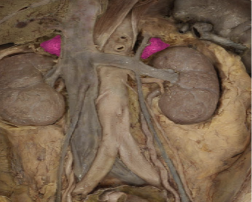
Sit on top of kidneys and secrete hormones
Adrenal Glands

Tube connecting mouth to stomach
Esoophagus
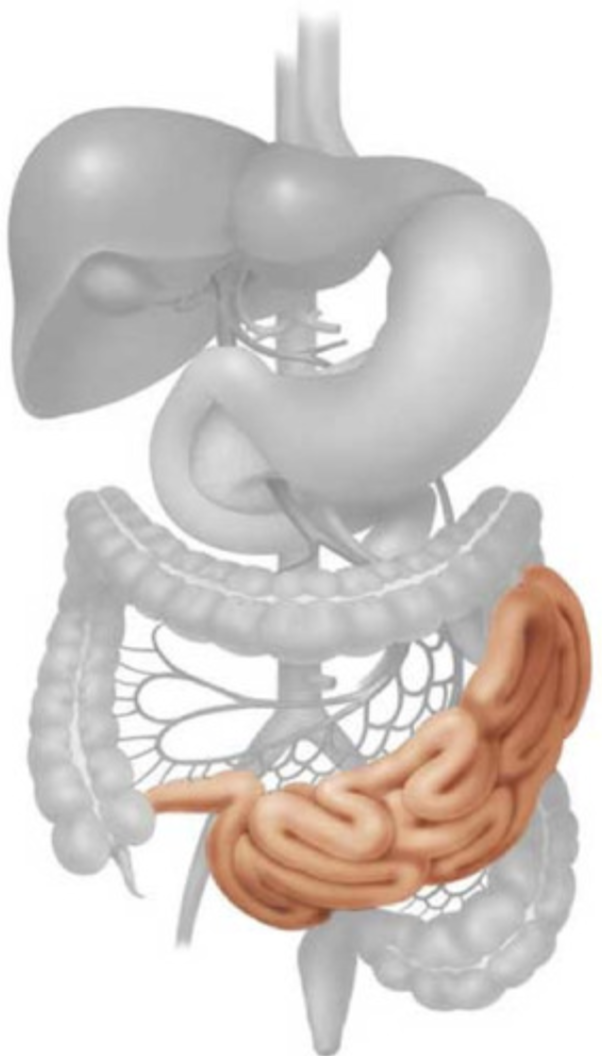
Duodenum, jejunum, ileum
Small Intestine

Connects stomach to small intestine
Duodenum
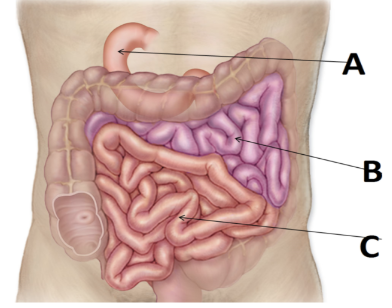
Middle portion of the small intestine
Jejunum

Inferior portion of small intestine (largest)
Ileum

Absorbs water and eliminates indigestible substances
Large Intestine

A small, fingerlike extension of the vertebrate cecum; contains a mass of white blood cells that contribute to immunity
Appendix

Pouch found at the beginning of the large intestine
Cecum

Travel upward from the cecum to the undersurface of the liver
Ascending Colon
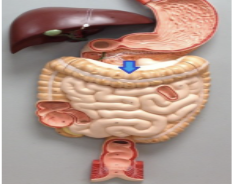
Travels horizontally from right to left
Transverse Colon

Down left side of body
Descending Colon

S-shaped that leads to the rectum
Sigmoid Colon

A short tube at the end of the large intestine where waste material is compressed into a solid form before being eliminated
Rectum

Stores fat, functions in body immunity, limit spread of infection. Superficial to the intestines
Greater Omentum

Many metabolic and regulatory functions: produces bile to export to small intestine to break up fat
Liver
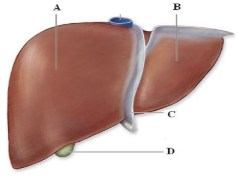
Stores bile until needed by intestine
Gall Bladder

Connects to duodenum. Produces enzymes that break down food stuff. Releases insulin to help with CHO metabolism
Pancreas

Filter Toxins and metabolic waste from blood stream and leave body as urine. Regulate volume and chemical makeup of blood. Produce enzyme renin which helps to generate blood pressure
Kidney
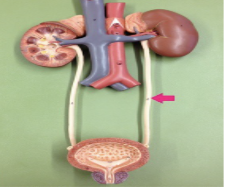
Transport urine from kidney to bladder
Ureters
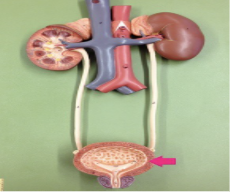
Bladder

Urethra

Removes debris from blood
Spleen
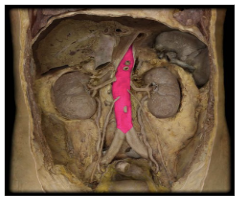
Abdominal Aorta

Common Iliac Artery

External Iliac Artery

Internal Iliac Artery