Method Validation
 Call Kai
 Learn
Learn Practice Test
 Spaced Repetition
 Match
Match Flashcards
 Knowt Play
1/27

There's no tags or description
Looks like no tags are added yet.
Name | Mastery | Learn | Test | Matching | Spaced | Call with Kai | Chat |
|---|
No analytics yet
Send a link to your students to track their progress
28 Terms
Calibration
determines the relationship between the analytical response (typically of instrumentation) and the analyte concentration
analytical response
the measurable physical, chemical, or electrical signal produced by an analytical instrument (such as peak area, peak height, absorbance, or fluorescence intensity) when it interacts with a target analyte
analyte concentration
the known amount or concentration of an analytes (the target substance being measured) in standard solutions used to establish a quantitative relationship between an instrument's signal response and actual chemical presence
External standard calibration, standard addition method, internal standard calibration
Types of several possible strategies of calibration
External Standard Calibration
a series of standard solutions is prepared separately from the sample, and is measured for their response
Calibration curve of external standard calibration
typically a linear relationship, regression analysis established using the least-squares method
matrix of the standards behaves identically to the sample matrix
Assume what in external standard calibration curve
Ideal blank
an identical solution to the sample without the analyte (External standard calibration)
solvent blank
contains the same solvent in which the sample is dissolved (External standard calibration)
Reagent blank
solvent + all the reagents used in sample preparation (External standard calibration)
Standard Addition Method
Used when the matrix affects the instrumental response
Matrix effect
a change in the analytical signal of a target substance (analyte) caused by all other components (the matrix) present in a sample
Spiking
Known amouunts of standard analyte are added directly to aliquots of the sample matrix
Internal Standard Calibration
A known amount of a reference compound (distinct from the analyte, but chemically similar) is added to all standards, blanks, and unknown samples
Sensitivity
refers to an instrument or method' s ability to demonstrate a measurable change in response for a given change in analyte concentration
calibration sensitivity
change in the measured quantity per unit change in analyte concentration (slope of calib. curve)
analytical sensitivity
the ratio of the calibration curve slope to the standard deviation of the analytical signal at a given analyte concentration
specificity
focuses on how exclusive the method/instrument is to the particular analyte to be determined
Linearity
measures how well a calibration curve follows a straight line, showing that the response is directly proportional to the quantity of analyte
Accuracy
measures how close/faithful is the response of the analyte to a known accepted true value
Certified Reference materials
used to evaluate accuracy
Precision
measures how well replicate measurements agree with one another
Repeatablity
spread in results when one person uses one procedure to analyze the same sample by the same method multiple times
reproducibility
spread in results when different people in different labs using different instruments each try to follow the same procedure
Robustness
capacity of a method to remain unaffected by small, deliberate changes in internal operational parameters
Ruggedness
degree of reproducibility under normal operational variations between environments and personnel
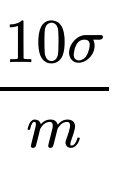
limit of detection
lowest concentration of analyte that can be reliably detected, but not necessarily quantified

limit of quantification
lowest concentration of analyte that can be quantitatively determined with acceptable precision and accuracy