Art History Test 1 Fall
 Call Kai
 Learn
 Practice Test
 Spaced Repetition
 Match
 Flashcards
 Knowt Play
1/42

There's no tags or description
Looks like no tags are added yet.
43 Terms
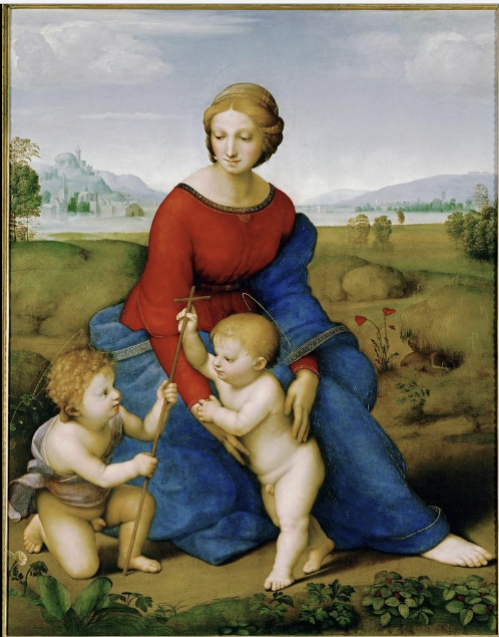
considered the standard of perfection
figures meshed together for balance and motion
pyramid
new standard of perfection
Raphael, Madonna of the Meadow, 1505-06
Genre painting
Staged scene of everyday life

architecture emulates ancient Rome
what he imagined to be the classical style of painting
linear perspective
no dramatic diagonals
illuminating light
harmony between architecture & figures
symmetry with motion
Raphael, School of Athens, 1510-11

attempts to emulate ancient painting
motion: twisted figure, wind, flexed muscles, dolphins
contained: figures within frame, facing the center, circular composition
CLASSISM
Raphael, Galatea, 1513

iconography
creation of adam
ignudi - mastery of the human figure, contorting, straining, to show his skill
emphatic musculature
Michelangelo, Sistine Chapel ceiling, 1508-12
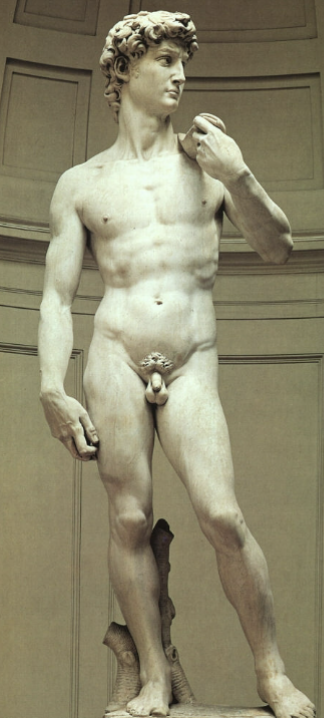
first colossal nude sculpture since Antiquity
Michelango, David, 1501-04

focus on color rather than form
mary contained by the figure of God
contained by circle of clouds and rectangle of disciples
Titian, Assumption of the Virgin, 1516-18

began with drawings of the bodies to paint the figures
sense of clarity in space
Raphael, Transfiguration, 1518-20
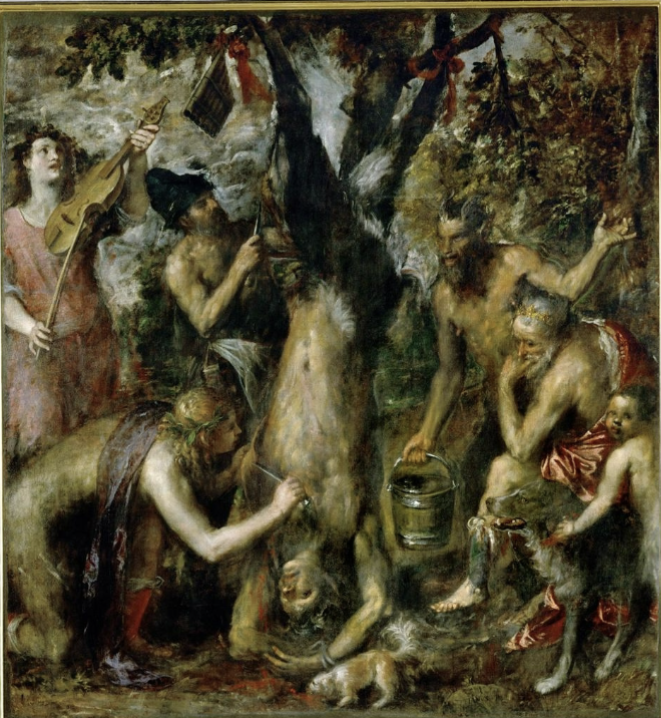
visible brushwork
acted as a signature, set him apart as an artist
makes you think about the artist
sets the painting into motion
unification of figure & ground
Titian, Apollo and Marsyas, 1570

symmetry, architecture, containment
chaotic, not much overlapping, overstuffed
very exaggerated and idealized
iconographic exaggeration
Bronzino, Martyrdom of St. Lawrence, 1556-69

response to the needs of the counter-reformation
focuses on Christ, not the artist
expressive faces
simple & true, not very meaningful
Scipione Pulzone, Lamentation, 1591

tries to comply with counter-reformation
promotes devotion
combined central & northern italian art
idealized nude form
repopularized drawing from a live model
pyramid structure
Annibale Carracci, Pieta, 1600

virtue vs. vice
reminiscent of Classism
clear figures
not chaotic
smoothed, idealized figures
even lighting
balance
Annibale Carracci, Hercules at the Crossroads, 1596

references ancient influences
continuity between real & fictive architecture
herms frame the painting
Annibale Carracci, Farnese Gallery, 1597-1604

leering facial expression
awkward body position, unbalanced
focus on genitals
tension unlike hercules (idealized & abstract, no tension)
real figure, thus tension
Caravaggio, Love Victorious, 1601-02

use of light
candlelight vs firelight
others oblivious to foreground
includes viewer in the scene
light suggests spiritual exchange
Salvado, Saint Matthew and the Angel, 1533

doesn’t follow central italian trend of idealized forms
Moretto, Dinner at the House of the Pharisee, 1550
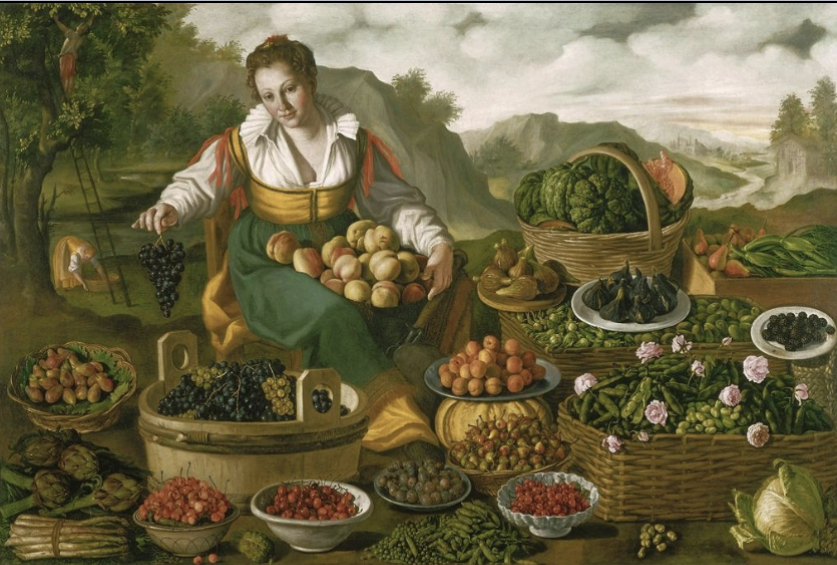
genre painting
allegorical meaning: fruitfulness of the earth & this young woman
Vincenzo Campi, Fruitseller, 1580

Basket of fruits seems to be more important than the figure
awkward shoulder
genre painting
refuses to conform
Caravaggio, Boy with a Basket of Fruit, 1594

loose drapery like ancient statues
dirty fingernails and farmers tan
deficiency in rendering human form because musculature is unbalanced
untying knot of clothes
Caravaggio, Bacchus, 1596

Antique costumes, not a scene of everyday life
young male figures
figures very close, inviting to join
strong sense of homoeroticism
Caravaggio, Concert of Youths, 1595

tradition of concert paintings
Cariani, Concert, 1510

scene from everyday life, genre painting
tension between figures and blank setting
light from the left
stealing his ring
painting of cheating
folly of youth, power of sexual attraction
Caravaggio, Fortune Teller, 1594

prostitute repented, became a follower of Christ
contemporary outfit
cast mary as everyday person
makes her relatable, viewer joins her
doesn’t meet all the demands of the counter-reformation
different from michelangelo
didn’t idealize
REALISM in painting
Caravaggio, Penitent Magdalen, 1594

scene exemplifying female virtue
shows dangerous power of women
sword - usually used by men, used against a man
focuses on the violence (new concept!)
Judiths musculature
showcases an instant in time
red drapery, foil to the turmoil
expressive tension
Caravaggio, Judith and Holofernes, 1598/99

points to himself incredulously
indistinct setting
pushed limits of his skills, full length painting
Light from right fragments forms
stark contrast
Roman contemporary figures
brings past to present
Light follows gesture of Christ, onto faces
enlightened: figures don’t understand the light
Christ’s hand (not the pointy God hand) but rather Adam’s hand from the Creation of Adam, reference to Michelangelo
Real figures drawn from his life, not like Michelangelo
CHIAROSCURO
Caravaggio, The Calling of St. Matthew, 1599-1600

Sharp incoming light from the right
horse is iconographic tradition
no background, no motion
focused on kew figures
focuses on conversion, marked by reactoin to light
light is transforming him, companion is confused
ginormous farm horse
pushed up against picture plane, breaks barrier of fiction and reality
real, humble types of people
Caravaggio, Conversion of St. Paul, 1600-01

Michelangelo, Pauline Chapel, 1542-45

twisting himself off the cross
3 figures without faces, only essential elements included
no background
focuses on effort of raising cross, dirty feet
insists of physicality
seems real
odd giant butt
Caravaggio, Crucifixion of St. Peter, 1600-01

Alterpiece dedicated to pieta
Christ’s body lowered into tomb
old verson of virgin mary
diagonal pathway
very real, humble types
makes story compelling to the faithful
difficulty of task
long flop of hair
based on real gospels, not fantasies
Caravaggio, Entombment, 1603-04

young virgin mary
sickly Christ
Michelangelo, Pieta, 1500

light from left
curtain drapery like judith & holofernes
subtlety in emotional state, many different responses
virgin mary basically just looks like a corpse, barely can see halo
criticized for showing an ordinary death, not supposed to be relatable, realism isn’t appropriate
Caravaggio, Death of the Virgin, 1601-03
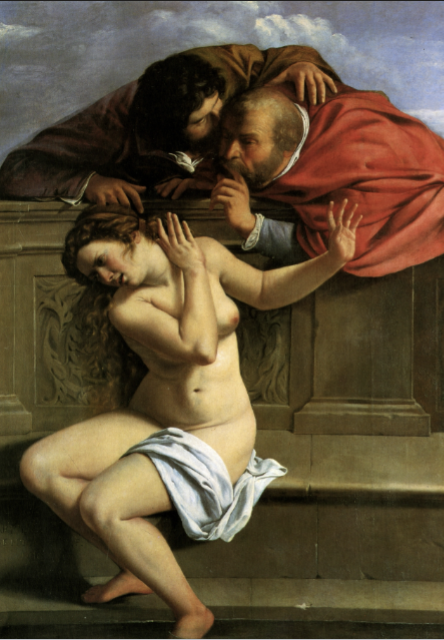
story of female virtue
not for the nude figure to be enjoyed
looks disgusted and afraid
legs together, awkward positioning, pushing away
no garden or lush setting, just a wall
shifts away from iconography, focuses on plight
biographical lens
arm from michelangelo’s adam in expulsion of adam & eve
female nude breast with weight
stigmatized
Artemisia Gentileschi, Susanna and the Elders, 1610

more common scene
drains narrative urgency
light from left
half figures
lack of setting
lack of dramatic urgency
elegance of jewelry
textures of fabric
Orazio Gentileschi, Judith and her Maidservant, 1608

Jupiter appears as shower of coins
shes put in a tower
she side-eyes jupiter, skeptical
legs emphatically crossed
clenched fist with forcefully inserted coins between fingers
Artemisia Gentileschi, Danae, 1612

strong light from left
figures pushed up against picture plane
judith is more masculine
engaged in physicality
more blood
positioned as successor to yk who
Artemisia Gentileschi, Judith and Holofernes, 1620

projects barberini family’s importance
vaulted cieling
overwhelming effect
forms invade space, in front of wall
fictive architecture divides scene into 5 parts
mythological scenes
very big & dense in form
fluid interaction
Pietro da Cortona, Glorification of the Reign of Urban VIII, 1633-39

Dome as center
rival the dome of the pantheon
Bramante, New St. peter’s Medal & Plan, 1506

Vast space, no focus
didn’t emphasize St. Peter’s tomb
Nave of St. Peter’s, Carlo Maderno, 1609-15

Marker for St. Peter’s tomb
evokes tradition
solomonic twisted columns
baldachin (dome or cloth)
draws eye upward through volutes
contrasts color but doesn’t overpower, can see through it
Bernini, Baldacchino, 1624-34

reaches out from church into space around
people needed to see pope on benediction loggia
space is permeable
Bernini, Colonnade, 1655-67

Throne of St. Peter, a relic
expresses authority of the popes
bronze throne
stained glass window w dove of Holy Spirit
light materialized into rays
explosion of oozing clouds (spray insulation)
God supports St. Peter and the popes
throne supported by four fathers of the church
scripture needs to be understood through tradition
Bernini, Cathedra Petri, 1656-67

affirm cult of relics and saints
original columns of st. peter’s used
tip of spear
st. andrew - his head
st. veronica - cloth used to wipe christ’s face
st. helen - relic of the true cross
Bernini, Crossing Piers at St. Peters, 1629-38