Organic Chemistry I
 Call Kai
 Learn
 Practice Test
 Spaced Repetition
 Match
 Flashcards
 Knowt Play
1/61

There's no tags or description
Looks like no tags are added yet.
62 Terms
Compound
ionic or covalent bonds
Molecule
covalent bonds only
Constitutional Isomers
same formula, difference in how atoms are bonded
Formal Charge
# of valence electrons - # electrons an atom shares
Resonance structures
same connectivity and arrangement, but different electron placement. Real structures are hybrids of these structures with delocalized electrons, but the most stable one is dominant. More of these makes a molecule more stable.
Stable resonance structure
a resonance structure that has more bonds and fewer charges.
Polar molecule
one atom is more electronegative than the other in a bond, and molecule geometry does not cancel out directions of electronegativity
Nonpolar molecule
either no polar bonds or polar bonds cancel each other out
bonds, electron pairs
Hybridization depends on _____ and ____.
Bronsted-Lowry acid
proton donor, must contain a H atom
Bronsted-Lowry base
proton acceptor
HCl, HBr, HI, H2SO4, HNO3, HClO4, HClO3
strong acids
OH-, NH2-, H-
strong bases
lower
Stronger acids have a _______ pKa
weaker
Equilibrium favors ______ acids.
left to right, down
Acidity increases _____ and ____ on the periodic table.
electron withdrawing
Acidity increases with _________ groups.
resonance
Acidity increases when conjugate base has __________.
s
Acidity increases with more % _______ in orbitals.
Lewis acids
electron pair acceptors
Lewis bases
electron pair donors
Electrophiles
electron-loving
Nucleophiles
nucleus-loving
Aromatic hydrocarbons
fully conjugated ring molecules
Aliphatic hydrocarbons
alkanes, alkenes, and alkynes, non-ring
Alkyl halides
R — X
Alcohols
R — OH
Ethers
R — O — R
Amines
R — NH2 (NHR, NR2)
Thiols
R — SH
Sulfides
R — S — R
Aldehydes
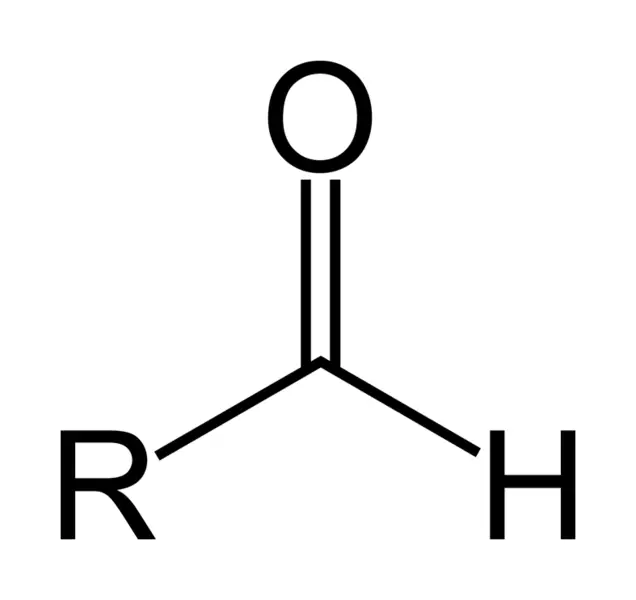
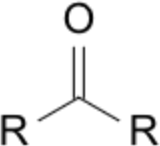
Ketone
Carboxylic acid

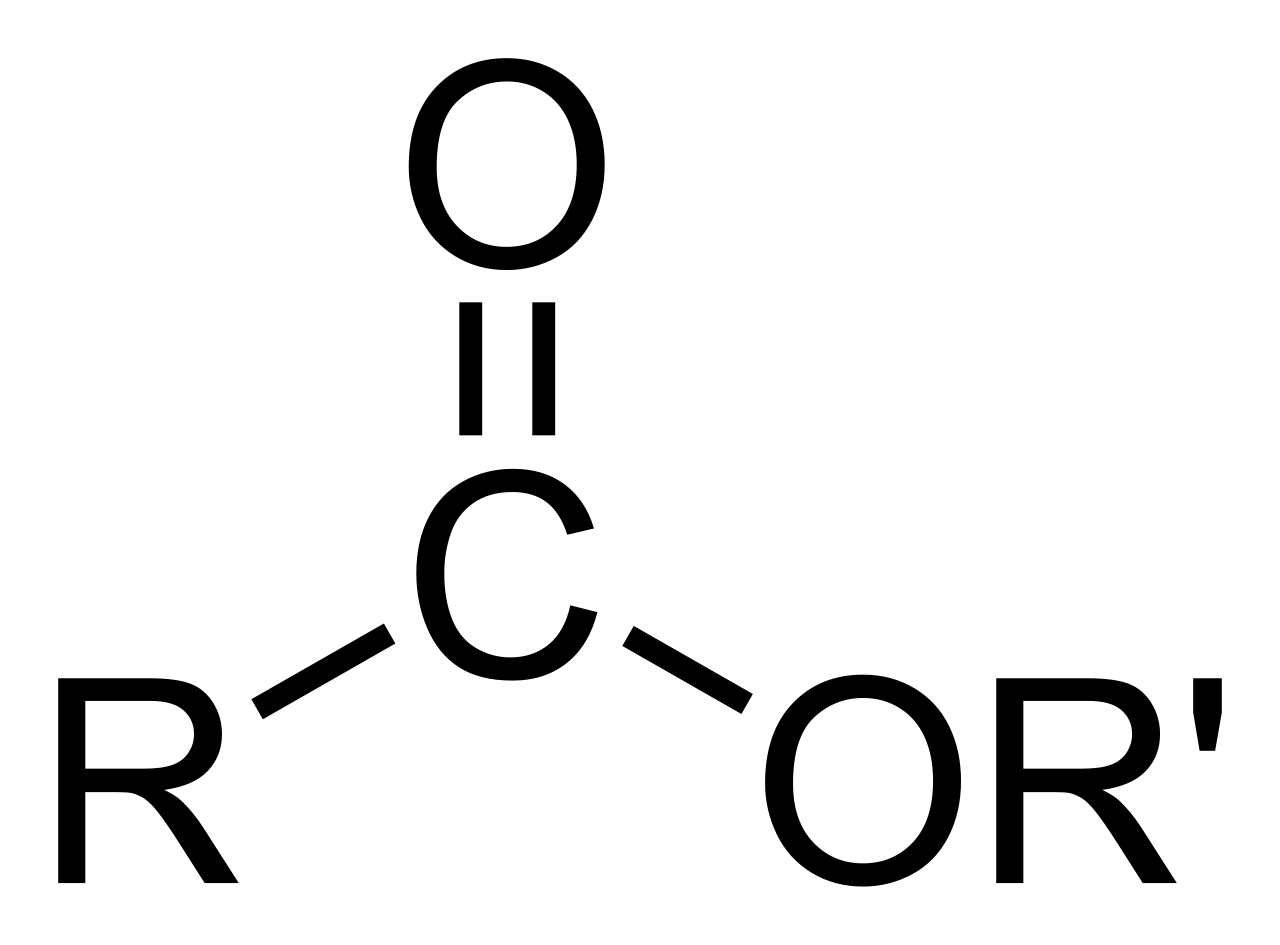
Ester
R’ = H or C
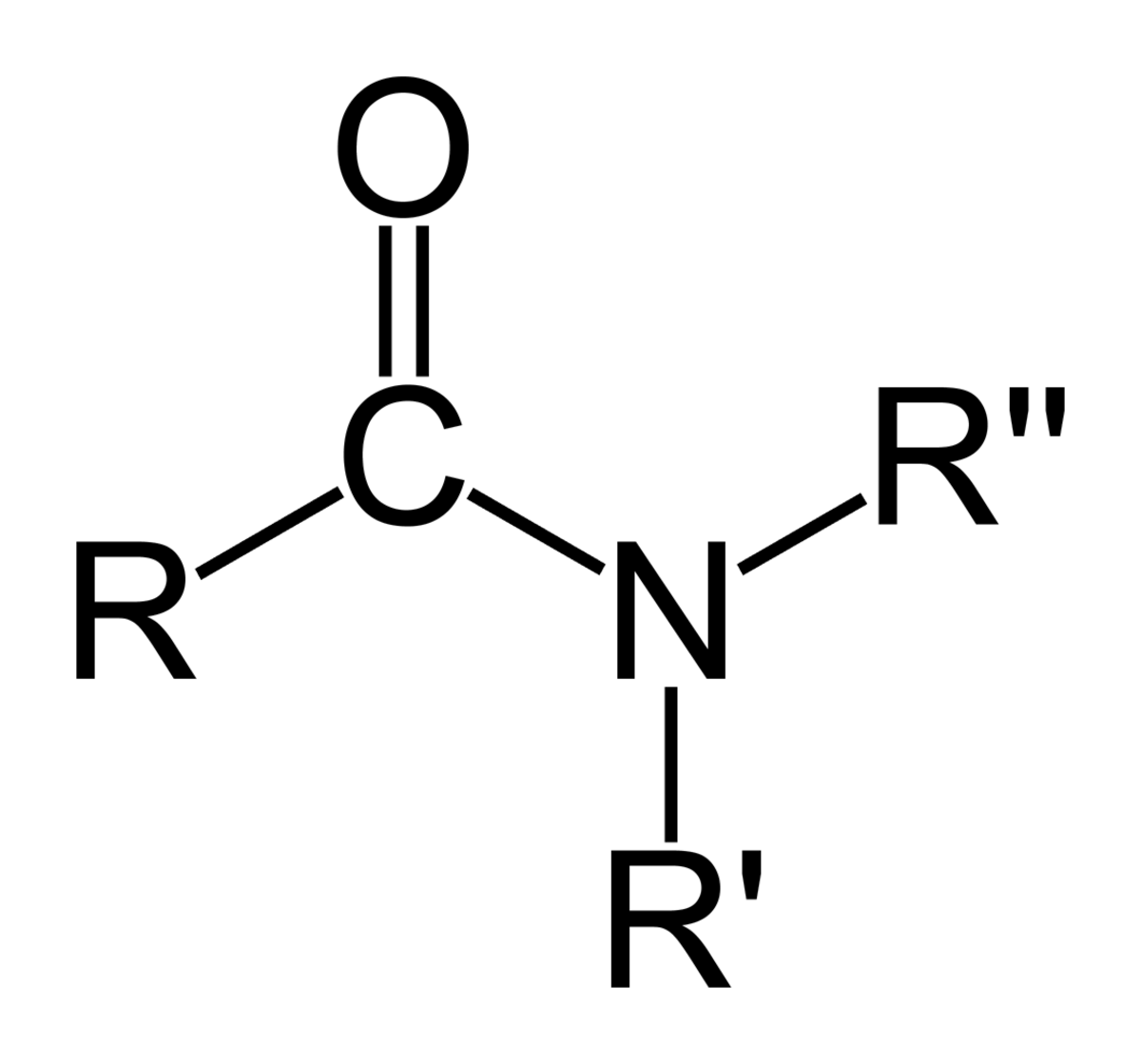
Amide
Acid Chloride

Carbonyl groups
groups with a C:O double bond
H
Molecules without the __ atom can still hydrogen bond in water because of the O—H in water.
increase, boiling point, melting point
More IMFs ________ _______ & ________.
increases melting point
Symmetry _____ _______.
every 5 carbons
An organic compound is water-soluble if it contains a hydrogen-bonding group for _________.
Structural isomers
same molecular formula, different atom arrangement
Substituent
any heteroatom or functional group bonded to main carbon chain
Conformation
different arrangements of atoms around a bond
Eclisped
C—H bonds around a C—C bond are aligned
Staggered
C—H bonds around a C—C bond are separated by a dihedral angle
Anti
staggered conformation with 2 largest groups 180 degrees from each other
Gauche
staggered conformation with 2 largest groups 60 degrees from each other
Steric strain
increase in energy from forcing large groups into close proximity
Barrier to rotation
energy difference between lowest and highest energy conformations