Review : EXAM #1 [ SLIDE NOTES ]
 Call Kai
 Learn
Learn Practice Test
 Spaced Repetition
 Match
Match Flashcards
 Knowt Play
1/114

There's no tags or description
Looks like no tags are added yet.
Name | Mastery | Learn | Test | Matching | Spaced | Call with Kai | Chat |
|---|
No analytics yet
Send a link to your students to track their progress
115 Terms
“The science and art of
preventing disease, prolonging
life, and promoting health through
the organized efforts and
informed choices of society,
organizations, public and private
communities, and individuals.”
—CEA Winslow
The landmarks of political,
economic and social history are
the moments when some
condition passed from the
category of the given into the
category of the intolerable. I
believe that the history of public
health might well be written as a
record of successive re-
definings of the unacceptable.”
—Sir Vickers
“Fulfilling society’s interest
in assuring conditions in
which people can be
healthy.”
—Institute of Medicine
“Public health aims to provide
maximum benefit for the
largest number of people.”
—World Health Organization
Major Achievements
1900-1999
• Vaccinations
• Motor-Vehicle Safety
• Safer Workplaces
• Control of Infectious Diseases
• Decline of Deaths from Heart Disease and Stroke
• Safer Foods
• Healthier Mothers and Babies
• Family Planning
• Fluoridation of Drinking Water
• Recognition of Tobacco Use as a Health Hazard
Motor-Vehicle Safety
•Alcohol-Impaired Drivers
•Young Drivers and Passengers
•Pedestrians
•Occupant-Protection Systems
•Safety Belts
•Child-safety and Booster Seats
Safer and Healthier Foods
•Decreases in microbial contamination
•Increased nutritional content
•Ability to preserve perishable foods
•Pasteurization
•Identification of food borne pathogens
Family Planning
Average Family Size
• 1800: 7.0 Children
• 1900: 3.5 Children
• 2000: 2.0 Children
Fluoridation of Drinking water
•Population Served
• 10,567 public water systems
• 135 million people
• 8,573 communities
•Cost Effective
• $0.31 to $2.12 per person
Ten Great Public Health Achievements ---
United States, 2001--2010
• Vaccine-Preventable Diseases
• Prevention and Control of Infectious Diseases
• Tobacco Control
• Maternal and Infant Health
• Motor Vehicle Safety
• Cardiovascular Disease Prevention
• Occupational Safety
• Cancer Prevention
• Childhood Lead Poisoning Prevention
• Public Health Preparedness and Response
Public Health =
Your Invisible Guardian
Life expectancy has improved to an additional 30 years since 1900; 25 of those years are due to efforts of …..
public health.
Public Health isn’t everything…
is ABSOLUTELY everything
Unique Features of Public Health
Culture
Social Justice
Political Nature
Dynamic Agenda
Link with Government
Science
Prevention
Culture
Core Functions of Public Health
Assessment
Policy Development
Assurance
Essential Services: Assessment
Assess and monitor population health
Investigate, diagnose, and hazards and root causes
Essential Services: Policy Development
Communicate effectively to inform and educate
Strengthen, support, and mobilize communities and partnerships
Create champion, and implement policies, plans, and laws
Utilize legal and regulatory actions
Essential Services: Assurance
Enable equitable access
Build a diverse and skilled workforce
Improve and innovate through evaluation, research, and quality improvement
Build and maintain a strong organizational infrastructure for public health
Leading Causes of Death : 1900
Pneumonia/ Influenza / Bronchitis
Tuberculosis
Diarrhea and Enteritis
Heart Diseases
Bright’s Disease ( Chronic Nephritis )
Leading Causes of Death : 1930
Heart Diseases
Pneumonia/ Influenza / Bronchitis
Cancer
Nephritis
Cerebral Hemorrhage
Leading Causes of Death : 1970
Heart Diseases
Malignant neoplasm
Cerebrovascular diseases
Pneumonia/ Influenza / Bronchitis
Accident, except motor vehicle, suicide
Leading Causes of Death : 2007
Heart Diseases
Malignant neoplasm
Cerebrovascular diseases
Chronic lower respiratory disease
Accidents ( unintentional injuries )
Leading Causes of Death : 2015
Heart Diseases
Malignant neoplasm
Chronic lower respiratory disease
Accidents ( unintentional injuries )
Cerebrovascular disease
Leading Causes of Death : 2022
Heart diseases
Malignant
Accidents ( unintentional injuries )
COVID
Cerebrovascular disease

Ecological Fallacy
Occurs when inferences or conclusions are made at the individual level based on relationships observed at the group level
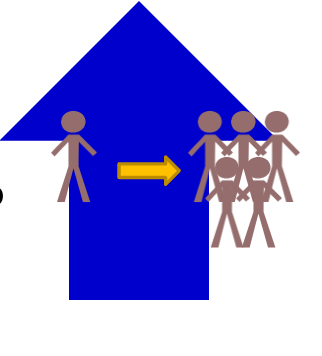
Aggregation Fallacy
Occurs when inferences or conclusions are made at the group level based on relationships observed at the individual level
Population Heath Drivers
Clinical Care
Genes and Biology
Health Behaviors
Physical Environment
Social and Economic Factors
Health Drivers with the greatest impact
Social and Economic ( 40% )
Health Behaviors ( 30% )
Health Drivers with the least impact
Physical Environment 10%
Genes and Biology 10%
Clinical Care 10%
Determinants of Health
Biological
Behavioral
Socioeconomic
Environmental
Determinants of Health : Biological
Age
Sex
Genetics
BIochemistry
Biological : Sex and Genetics
Longevity
Hormones
Reproduction
Susceptibility or protective factors related to certain conditions or diseases
Determinants of Health : Behavioral
Tobacco use
Alcohol consumption
Substance abuse/misuse
Physical activity
Dietary behavior
Secual practices
Determinants of Health : Socioeconomic
Education
Income and Wealth
Employment
Housing and Neighborhood
Housing Influences Health
Conditions within the Home
Neighborhood Conditions
Housing Conditions
Housing Affordability
Determinants of Health : Environmental
Physical
Built
Environmental : General Physical
Outdoor air quality
H20 quality
Toxic substances
Hazardous waste
Environmental : General Built
Homes
Communities / Infratructure
Physical Environment
Climate
Water shortages
Extreme weather events
Natural phenomenon or disasters
Natural pollution
Seepage
Fires
Vog
Anthropogenic pollution
Cars
Effluent
Energy production and use
How the environment impacts our health
Air Pollution
Inadequate water, sanitation
Chemicals
Radiation
Community Noise
Occupational Risks
Agricultural practices
Built Environments
Climate Change
Built Environment
Homes
Indoor air pollution
Structural soundness
Lead-based paints
Communities/Infrastructure
Sanitation
Transportation
Green Spaces
Food access
Governmental Public Health : Three Levels of Government
Federal
State
Local
Federal Governmental Infrastructure
Policy Making
Financing
Public Health
Protection
Collection and dissemination of information
Capacity building
Direct management of services
Health and Human Services : Federal Government
Centers for Disease Control and Prevention (CDC)
Food and Drug Administration (FDA)
National Institutes of Health (NIH)
State Governmental Infrastructure
Communicable Disease Screening, Treatment, and Prevention
Public Health Surveillance
Laboratory Services
Immunizations
Registry Maintenance
Maternal, Child, and Adolescent Health Services
Worksite Wellness
Injury and Violence Prevention and Services
Chronic Disease Screening, Treatment, and Prevention
Environmental Health
Behavioral Health
Clinical Health Services
Other Public Health Activities
Cancer Screening, Treatment and Prevention
Regulation, Inspection and/or Licensing
Professional Licensure
Correction System
Local Governmental Infrastructure : Local
Epidemiology and surveillance
Population-based primary prevention
Regulation, Inspection, and/or licensing
Other environmental health services
Other population-based services
Immunization\
Screening of disease/conditions
Treatment for communicable disease maternal and child health services
Other clinical services
Types of Local Public Health Agencies
County
City
City County
Township
Public Health Governance Types
Centralized
Decentralized
Mixed/Shared/Hybrid
Public Health : Centralized Government
A structure where local health units operate as direct employees and units of the central or state government
Public Health : Decentralized Government
A system where decision-making authority, planning, budgeting, and service delivery transferred from a central national government to regional, state, or local authorities
Social Ecological Framework
Individual
Interpersonal
Institutional/Organizational Community
Social Structure, Policies and Systems

Social Ecological Framework and Determinants of Health Are…
Linked
Life expectancy has improved to an additional…
30 years since 1900; 25 of those years are due to efforts of public health
Public Health
Biostatistics
Environmental Health
Occupational Health
Epidemiology
Health Policy and Management
Health Promotion and Community Health Sciences
The majority of leading causes of death in the US are…
Non-Communicable Diseases/Conditions
Practice Question: During this stage of the epidemiologic transition infectious disease outbreak would still occur, but usually not widespread, and the overall crude death rate began to drop
A. Age of Pestilence and Famine
B. Age of Declining Pandemics
C. Age of Degenerative and Man-Made Diseases
D. Age of Delayed Degenerative Disease and Emerging Infectious Disease
B. Age of Declining Pandemics
Practice Question: Which phase of the epidemiologic transition is characterized by people living longer with chronic conditions due to improved environmental, appearance of diseases such as Zika?
A. Age of Pestilence and Famine
B. Age of Declining Pandemics
C. Age of Degenerative and Man-Made Diseases
D. Age of Delayed Degenerative Disease and
Emerging Infectious Disease
D. Age of Delayed Degenerative Disease and
Emerging Infectious Disease
Practice Question : The leading cause of death for young adults, including college-aged students is…
A. Cancer
B. Diabetes
C. Heart Disease
D. Unintentional Injuries
D. Unintentional Injuries
Under the US Constitution who is responsible for health?
The State
Practice Question: Which of these clauses best aligns
or is associate with the federal government's role in health?
A. Establish justice
B. Ensure domestic tranquility
C. Provide for the common defense
D. Promote the general welfare
E. Secure the blessings of liberty
ALL OF THEM!!!
Practice Question : The essential service of "build
and maintain infrastructure" falls under
which core function?
A. Research and Innovation
B. Policy Development
C. Assessment
D. Assurance
Assurance
Practice Question : Which of the following are major
public health achievements from the last
century (1900-1999)? (Select all that apply )
A. Fluoridation of Drinking Water
B. Cancer Prevention
C. Public Health Preparedness and Responses
D. Safer Workplaces
A. Fluoridation of Drinking Water
D. Safer Workplace
Practice Question: The essential service of "build
and maintain infrastructure" falls under
which core function?
Assurance
Practice Question : A large company wants to improve
workplace wellness options for employees. A small
committee visits several similar sized companies to
identify best practices. What essential service best
describes these actions?
A. Create, champion, implement policies, plans,
laws
B. Build a diverse and skilled workforce
C. Assess and monitor population health
D. Improve and innovate through evaluation,
research and QI
D. Improve and innovate through evaluation, research and QI
Which of the following best exemplifies “ communicate effectively to inform and educate”?
A. Tracking number of speeding tickets
B. Speed limit sign on University Drive
C. Police ticketing speeders on game day
D. Businesses asked to sign petition about
speed limits
B. Speed limit sign on University Drive
Practice Question : A local health department director
notices an increase in smoking related health
concerns in her community. What examples of
determinants of health could she explore to
better understand this issue?
Behavioral
Socioeconomics
The Epidemiologic Transition Model ( ETM )
Was created by Abdel Omran in 1971, marking a significant contribution to public health and epidemiology.
The model explains the transition of disease patterns as societies progress through different stages of development.
It highlights the relationship between socio-economic development and health outcomes, particularly mortality rates.
ETM Stage 1 [ Pre ] : Pestilence and Famine
Characterized by high mortality rates due to infectious diseases, epidemics, and food shortages.
Life expectancy during this stage ranges from the 20s to 40s, reflecting the harsh living conditions and lack of medical care.
Historical context: This stage was prevalent in pre-industrial societies, where diseases like the plague and famine were common.
ETM Stage 2 [ Early ] : Receding Pandemics
Marked by a decline in mortality rates due to improvements in sanitation, nutrition, and medical advancements.
Life expectancy increases to the 40s-50s as infectious diseases become less common.
Example: The introduction of vaccines and antibiotics significantly reduced the impact of diseases such as smallpox and tuberculosis.
ETM Stage 3 [ Late ] : Degenerative and Man-Made/Chronic Diseases
In this stage, the primary causes of death shift to degenerative diseases such as heart disease, cancer, and diabetes.
Life expectancy rises to the 60s-70s, reflecting better healthcare and lifestyle changes.
Case study: The rise of lifestyle-related diseases in developed countries due to sedentary lifestyles and dietary changes.
ETM Stage 4 [ Post ] : Delayed Degenerative Diseases and Emerging Infections
Characterized by chronic illnesses occurring at older ages, with a focus on lifestyle diseases.
Life expectancy extends to the 70s-80s, as medical advancements allow for better management of chronic conditions.
Example: Increased awareness and treatment options for diseases like hypertension and diabetes contribute to longer life spans.
This stage is marked by the resurgence of infectious diseases, such as HIV/AIDS, due to factors like antibiotic resistance and global travel.
Life expectancy may fluctuate as new health threats emerge, challenging previous advancements in public health.
Historical context: The emergence of new pathogens and the reemergence of diseases previously thought to be under control highlight the ongoing challenges in global health.

Practice Question : A cyclist commits to a virtual charity ride
across Texas to improve physical activity. At which
level of the Social Ecological Framework does this
intervention take place?
Individual

Practice Question : To improve worker health, a company
CEO implements standing desks for all employees.
What level of the Social Ecological Framework is
responsible for creating this intervention?
Organizational

Practice Question : To ensure proper disposal of hazardous
waste a neighborhood board hosts collection events
two times per year. What level of the Social Ecological
Framework is involved with managing this
intervention?
Community
SEF Level : Individual
Knowledge, attitudes, personal skills,
personal choices.
Example : Cyclist committing to virtual charity ride for fitness;
personal choice to stop smoking.
SEF Level : Interpersonal
Family, friends, social networks, peer
influences.
Example:Bystander intervention programs ('Step In Stand Up' against sexual violence); peer exercise groups.
SEF Level: Organizational / Institutional
Workplaces, schools, churches, health
facilities.
Example: CEO installing standing desks for employees;
mandatory hospital employee flu shots.
SEF Level : Community
Neighborhoods, local organizations, built
environments.
Example:Neighborhood hosting hazardous waste collection
2x/year; municipal trail network expansion.
SEF Level : Policy / Societal
Local, state, federal laws, regulations, taxes.
Example:Speed limit enforcement on University Drive; national cigarette taxes; clean air legislation.
Piano Stairs:
Transforming subway stairs into playable piano keys encouraged 66% more people to take stairs over escalator (Individual/Built Environment).
Bottle Bank Arcade:
Turning recycling bins into arcade games increased glass recycling dramatically in one night
(Community/Behavioral).
Speed Camera Lottery:
Reinvesting speeding fines into prizes for safe drivers reduced average driving speeds significantly (Policy/Behavioral).
Governance Type: Shared / Hybrid
LHDs are governed jointly by both state and local
authorities.
Governance Type : Mixed Model
Multiple governance types operate simultaneously
Texas Infrastructure:
Texas uses a decentralized/mixed system. Unserved counties without local health departments are covered directly by DSHS Regional Public Health Coverage Offices (11 Health Service Regions).
Local Health Departments [ LHD ] Revenue Sources
Federal pass-through (26%)
Direct Federal (25%)
State funding (21%)
Local funding (14%)
Fees/Fines (4%), Medicaid/Medicare (4%)
Over 51% of local funding originates federally.
Sandbox Partners:
Governmental public health relies on non-governmental partners: schools, hospitals, employers, faith-based groups, law enforcement, civic groups, and tribal health.
Life Expectancy
The average number of years a person is expected to live based on statistical mortality data.
Mortality Rate
A measure of the frequency of occurrence of death in a defined population during a specified interval.
Infectious Disease
A disease caused by pathogenic microorganisms that can be spread, directly or indirectly, from one person to another.
Non-Communicable Disease (NCD)
A medical condition or disease that is non-infectious and non-transmissible among people
Tobacco Disparities
E-cigarette usage among youth rose dramatically while traditional cigarette smoking declined.
Upstream Interventions
Strategies that alter policy, social structures, or environmental defaults to prevent health problems across entire populations.
Fun Theory
Modifying environmental choices to make healthy behaviors easier, intuitive, or more engaging
Speed Camera Lottery
Utilizes a policy/community-level strategy. Cameras record drivers; those driving under the speed limit are entered into a financial lottery funded by fines collected from speeders.
Goal: Reduce vehicle speed and road traffic injuries.
SEF Level: Policy / Community / Systemic level.
Walk Across Texas
A community-wide program encouraging team-based physical activity across local environments.
(Community / Organizational Level)
Centers for Disease Control and Prevention (CDC)
Lead federal agency for disease surveillance, epidemiological investigation, prevention, and outbreak response.
Department of Health and Human Services (HHS)
The primary federal agency overseeing health policy and human services.
Food and Drug Administration (FDA)
Federal regulatory body ensuring the safety and efficacy of foods, pharmaceuticals, biological products, and medical devices.
National Institutes of Health (NIH)
Primary federal agency conducting and funding biomedical and behavioral research.